


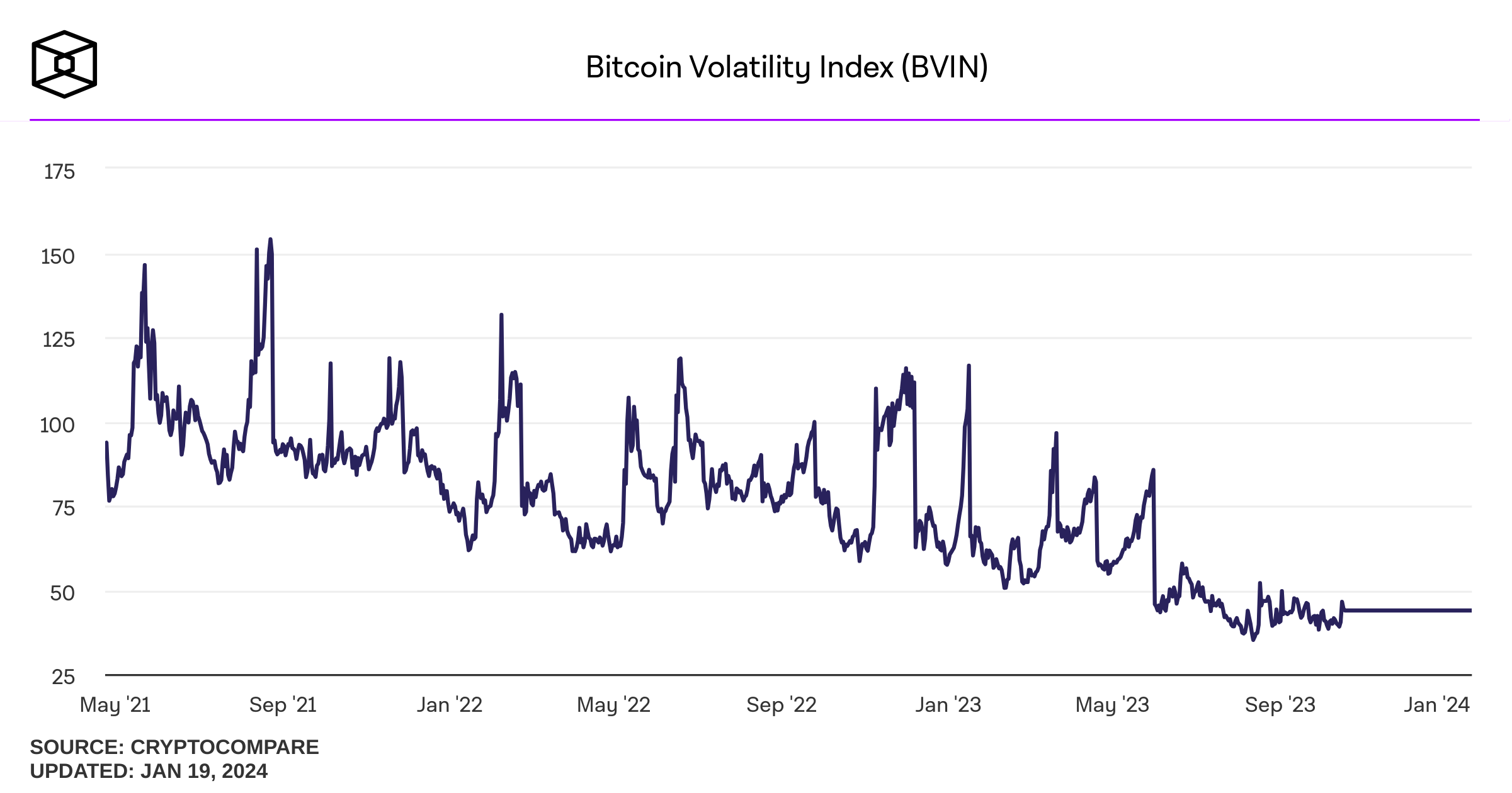

Bitcoin volatility is at the forefront of traders’ minds today as pivotal economic events unfold, sending shockwaves through the cryptocurrency market. Amid a perfect storm of macroeconomic indicators, including the latest jobs report and Supreme Court deliberations, fluctuations in Bitcoin’s value are likely to be pronounced. The Bitcoin market trends are influenced heavily by interest rate movements determined by the Federal Reserve, which are themselves impacted by these economic releases. As traders deploy various Bitcoin trading strategies, they must stay vigilant, aware that the outcome of these events could either sharpen or dampen market sentiments. The implications of judicial rulings regarding tariffs also add an additional layer of complexity, causing traders to reassess their positions and strategies rapidly.

Today’s landscape of Bitcoin trading is rife with uncertainty, as external economic factors loom large over the cryptocurrency’s performance. With today’s significant labor market report and potential Supreme Court impacts on fiscal policies, the bitcoin ecosystem is poised for rapid price shifts that could challenge even the most seasoned investors. The interplay between macroeconomic data and Bitcoin value highlights how external forces shape trading dynamics in the digital asset space. As observers keep a keen eye on interest rate trends from the Fed and contemplate their influence on investor behavior, the foundations of Bitcoin’s price stability seem fragile. Engaging with this temperamental market demands a deep understanding of the underlying macroeconomic narratives and their consequences for the digital currency.
Understanding Bitcoin Volatility: Why It Matters Today
Bitcoin volatility is at the forefront of discussions among traders today, especially given the confluence of significant macroeconomic indicators hitting the markets. Factors such as the release of the employment situation report, potential Supreme Court decisions, and comments from Fed officials can rapidly shift market sentiment. This creates an environment ripe for price swings and uncertainty. The reactions of Bitcoin prices to changes in interest rates and macroeconomic factors reinforce that even minute fluctuations in economic indicators can create larger ripples in the crypto market.
The concept of Bitcoin volatility is essential as it not only reflects the asset’s price fluctuations but also represents trader sentiment during tumultuous times. As traders brace for today’s reports and announcements, understanding how these external factors impact Bitcoin’s price movements can enhance trading strategies. The more closely traders monitor events affecting macroeconomic outlook and interest rates, the better they can position themselves for the swiftly changing market landscape.
Major Macro Influencers on Bitcoin: A Snapshot
Today’s economic climate is significantly influenced by the impending release of crucial employment data, which serves as one of the primary catalysts impacting Bitcoin’s price. If the job figures exceed market expectations, there is a general consensus among analysts that this will prompt the Federal Reserve to maintain a tighter interest rate policy for an extended period. The repercussions extend beyond mere numbers; they create a ripple effect that can squeeze liquidity available for Bitcoin, putting significant downward pressure on prices.
In contrast, should the jobs report fall short of predictions, traders may recalibrate their expectations for rate cuts, potentially fueling an uptick in Bitcoin purchases. Traders are acutely aware of the direct correlation between interest rates and Bitcoin price movements. Therefore, understanding today’s macroeconomic releases will empower investors to navigate their positions more wisely, anticipating how news can instantaneously alter market perceptions and drive volatility.
The Supreme Court’s Impact on Bitcoin and Inflation
At 10:00 a.m. ET, the Supreme Court’s deliberations could potentially reshape the landscape for Bitcoin traders, particularly concerning its implications on inflation and fiscal policy. With the markets keenly observing the court’s decisions on tariffs, any unexpected rulings could significantly impact inflation expectations, influencing not only Bitcoin prices but also the broader economic framework. If tariffs are upheld, the fear of sustained inflation may lead bond investors to seek refuge in safer assets, pushing Bitcoin in a less favorable direction.
Conversely, if the court rules against these tariffs, the market could interpret this as a signal of easing cost pressures, which might cultivate a bullish environment for Bitcoin. Such a scenario often leads to increased liquidity, encouraging buying behavior among investors. Therefore, traders must closely monitor today’s court hearings and their potential fallout on inflation, as these developments can create substantial upheaval in Bitcoin’s trading dynamics.
Monitoring Jobs Reports: Their Weight on Bitcoin Price
Today’s jobs report serves as a critical input for Bitcoin traders to digest, as it essentially informs market participants about the health of the labor market and consequently impacts interest rate trajectories. A stronger than anticipated report is likely to unleash a wave of volatility, with traders reacting to the potential implications for Fed policy. With the market already pricing in expectations of continued Fed tightening, a robust jobs figure could cement those assumptions, drastically affecting Bitcoin liquidity.
On the flip side, a surprisingly weak jobs report would likely stimulate discussions of future rate cuts, creating an influx of optimism among Bitcoin investors. Traders will be keenly analyzing shifts in market sentiment as they can lead to rapid reversals, highlighting the importance of remaining agile in positioning on volatile days. Understanding the correlation between jobs data and Bitcoin price movements is essential for developing effective trading strategies in the current economic climate.
Kashkari’s Speech: What It Means for Bitcoin Traders
Neel Kashkari’s scheduled remarks today hold the potential to shake Bitcoin’s foundations further, especially when placed alongside critical macroeconomic data. As a prominent Fed president, his views on monetary policy can influence perceptions of future interest rate movements. Traders must pay close attention to his comments, particularly regarding inflation and economic growth, which can alternate the narrative around Bitcoin volatility.
Given the simultaneous timing with other significant announcements today, Kashkari’s insights could either reinforce existing market sentiments or drastically alter them. For Bitcoin traders, this means remaining attuned to how these discussions intertwine with labor market stats, as such combinations frequently result in increased price fluctuations. The potential for a profound impact underscores the necessity of diligent monitoring of commentary from Fed officials when assessing Bitcoin trading strategies.
The Role of Positioning Data in Bitcoin Trading
As the trading day culminates with CFTC’s positioning data release, Bitcoin traders will analyze the insights derived from Commitments of Traders reports, which shine a light on market sentiment and trader positioning. These reports provide critical clues on whether Bitcoin is trading like a ‘hard asset’ such as gold or if it’s being treated more like a tech stock. The interpretation of this data can shape strategies and expectations moving forward.
Positioning data is essential, especially on days marked by volatile shifts resulting from acute macroeconomic influences. How traders react in light of positioning data provides invaluable insight into future movements while laying the groundwork for informed decision-making. Especially in the current landscape where Bitcoin’s movements can pivot rapidly, understanding these dynamics is vital for effective trading.
Strategies for Navigating Today’s Bitcoin Market
To effectively navigate today’s turbulent Bitcoin market, traders need to deploy flexible strategies that account for the day’s various macroeconomic events. One key approach would involve scenario planning based on potential outcomes from the jobs report, Supreme Court rulings, and Fed comments. By preparing for multiple market reactions, traders can position themselves to capitalize on Bitcoin’s inherent volatility.
Furthermore, adjusting trading positions in real-time based on incoming news can create opportunities for profit. For instance, if initial market reactions following the jobs report and subsequent Supreme Court ruling lead to heightened volatility, traders could quickly pivot their strategies to benefit from these movements. Recognizing the interplay of these events allows for adaptive trading, essential in creating a competitive edge in today’s Bitcoin market.
The Bigger Picture: Bitcoin’s Place in 2026’s Economy
Today’s events not only impact Bitcoin’s immediate price but also set a precedent for the overarching narrative as we approach 2026. With the economy poised for significant changes due to macroeconomic fluctuations and Fed policy, Bitcoin finds itself at the center of this brewing storm. Observing how today’s data reverberates through the years will provide insights into Bitcoin’s role as an asset class and how it adapts to evolving economic conditions.
As inflation continues to remain a focus for policymakers, Bitcoin’s resilience will be tested against potential economic slowdowns and changing investor sentiments. Traders should keep a long-term perspective, considering how today’s developments might illustrate broader trends within Bitcoin’s valuation, making it imperative to engage actively with market dynamics. Acknowledging these wider implications will be instrumental for any investor looking to ride the Bitcoin wave in the years to come.
Frequently Asked Questions
How does Bitcoin volatility correlate with Bitcoin market trends?
Bitcoin volatility is closely linked to Bitcoin market trends as price swings often reflect trader sentiment and ongoing developments in the market. Sharp increases or decreases in Bitcoin’s price suggest heightened volatility, which usually captures the attention of traders and investors as they adjust their strategies based on market conditions. Keeping an eye on trends can provide insights into potential volatility spikes.
What macroeconomic factors contribute to Bitcoin volatility?
Macroeconomic factors such as interest rates, inflation data, and employment figures significantly influence Bitcoin volatility. When the Federal Reserve adjusts interest rates, it can lead to changes in market liquidity and investor behavior, causing Bitcoin’s price to fluctuate wildly. For instance, higher rates typically strengthen the dollar, potentially applying downward pressure on Bitcoin.
What is the impact of Fed interest rates on Bitcoin volatility?
Interest rates set by the Federal Reserve have a profound impact on Bitcoin volatility. When Fed rates increase, borrowing costs rise, leading to a decrease in market liquidity. This often results in Bitcoin experiencing heightened volatility as traders react to changes in investment sentiment and price dynamics. Conversely, lower rates tend to provide a more favorable environment for Bitcoin, reducing volatility.
How can Bitcoin trading strategies mitigate volatility?
Traders can implement various strategies to mitigate Bitcoin volatility, such as using stop-loss orders, diversifying their portfolios, and employing options for hedging. Understanding market trends and setting appropriate risk management measures can help traders navigate the unpredictable nature of Bitcoin’s price movements and reduce the potential impact of volatility.
What are the Supreme Court’s implications for Bitcoin volatility?
Decisions made by the Supreme Court can have significant implications for Bitcoin volatility, particularly when they relate to regulations impacting the cryptocurrency market. For example, rulings on financial operations or tariffs can alter market perceptions and investor confidence, leading to rapid price changes in Bitcoin. Market participants closely watch these developments for potential volatility triggers.
| Time (ET) | Event | Impact on Bitcoin |
|---|---|---|
| 8:30 a.m. | Jobs Report | Affects interest rate expectations, leading to volatility depending on whether jobs data is strong or weak. |
| 10:00 a.m. | Supreme Court Ruling | Can shift inflation and growth narratives, influencing market sentiment towards Bitcoin. |
| 10:00 a.m. | Kashkari Speaks | Potential for additional volatility as macro influences collide during this speaking engagement. |
| 3:30 p.m. | CFTC Report Release | Provides insights into trader sentiment and potential direction for Bitcoin based on positioning dynamics. |
| Ongoing throughout the day | Market Behavior | Constantly reacting to news, with potential for significant swings based on macroeconomic data releases. |
Summary
Bitcoin volatility is expected to surge as today’s events unfold, creating a live experiment in market dynamics. The combination of the jobs report, potential legal rulings, and the Fed’s influence will lead to significant fluctuations, illuminating how sensitive Bitcoin is to macroeconomic news. Traders must closely monitor these developments as their impacts on interest rates and market sentiment could propel Bitcoin’s price in either direction.
Related: More from Bitcoin News | Bitcoin Analysts: BTC Market Bottoming in Q4 2026 | BTC Below $70K, JPN Inflation Under 2%: Monthly Charts