

Bitcoin treasury management is entering a new era as Twenty One Capital prepares to make its debut on the New York Stock Exchange (NYSE) this December 9. With a staggering $4 billion in Bitcoin assets backing its operations, Twenty One is poised to redefine how corporate entities utilize cryptocurrency for investment and growth. This innovative firm is a collaborative effort that brings together industry powerhouses like Tether, Bitfinex, and SoftBank, signaling a pivotal moment for traditional finance and crypto convergence. As NYSE Bitcoin trading gains traction, Twenty One Capital is becoming a focal point for investors eager to explore the advantages of digital assets in a regulated environment. The anticipated Bitfinex Tether merger further enhances the intrigue surrounding this public listing, making it a captivating prospect for Bitcoin enthusiasts and stock market investors alike.

As the landscape of digital assets evolves, the notion of a Bitcoin treasury encapsulates the strategic management of large Bitcoin reserves by corporations and investment entities. This trend signifies a shift in how institutional players view cryptocurrencies, as major collaborations like Twenty One Capital emerge, combining resources from established firms like Tether and Cantor Fitzgerald. The utilization of Bitcoin as a treasury asset aligns with shifting attitudes toward Bitcoin investments, where companies aim to leverage their holdings in the volatile stock market context. Such entities are not only securing digital assets but are also setting the stage for impactful innovation within traditional financial systems. With the momentum from the Bitfinex Tether merger, the awareness and appeal of Bitcoin treasury mechanisms are likely to escalate, drawing more interest from varied investor groups.
The Significance of Bitcoin Treasury in the Stock Market
Twenty One Capital’s entry into the NYSE represents a pivotal moment not just for the company but for Bitcoin and digital assets as a whole. With a Bitcoin treasury estimated to be worth around $4 billion, Twenty One Capital aims to redefine the relationship between traditional finance and cryptocurrency. As the conversation around Bitcoin investment intensifies, having a firm with substantial Bitcoin holdings on the stock market legitimizes the asset class and could attract more institutional investors who previously hesitated. This intersection of Bitcoin trading with conventional stock trading signifies a potential shift in how financial markets operate.
Moreover, the presence of a Bitcoin treasury firm on the NYSE could inspire other companies to explore similar pathways. As corporations recognize Bitcoin’s value as not only a speculative asset but a strong treasury alternative, we may witness a wave of firms integrating Bitcoin into their balance sheets. This could ultimately lead to more robust Bitcoin stock market structures, enhancing liquidity and stability across digital assets. The implications for retail investors seeking exposure to Bitcoin without engaging in cryptocurrency exchanges could be transformative.
How the Twenty One Capital Merger Affects Bitcoin Dynamics
The merger between Twenty One Capital and Cantor Equity Partners marks a significant milestone in the evolution of Bitcoin companies. With Tether and Bitfinex’s backing, this collaboration provides a solid foundation for the newly formed entity, set to operate under the ticker symbol XXI. This merger not only consolidates resources but also brings together extensive market expertise, which is crucial for navigating the complexities of Bitcoin trading in a regulatory-compliant environment. This could lead to increased investor confidence in Bitcoin investment as Twenty One Capital may pave the way for more firms to consider Bitcoin treasury strategies.
Additionally, this merger is likely to have profound implications for the broader cryptocurrency landscape. As Twenty One Capital positions itself as one of the largest holders of Bitcoin among corporations, it places additional pressure on rivals like Strategy and MARA. Should the company successfully leverage its assets while maintaining transparency, it could lead to a competitive environment where other companies are compelled to follow suit. The potential for cross-pollination of strategies and innovations in Bitcoin treasury management is heightened, which could foster further growth and adoption of Bitcoin as a viable long-term investment asset.
Implications of NYSE Trading for Bitcoin Liquidity
The impending trading launch of Twenty One Capital on the NYSE brings forth real-time liquidity advances for Bitcoin. With a clear entry point into the stock market for Bitcoin investors, traditional market participants now have access to Bitcoin through a regulated entity. This development can potentially reduce the volatility often associated with cryptocurrency markets, as more investors can engage in Bitcoin trading within a familiar framework. Moreover, enhanced liquidity on the stock market may lead to more stable pricing for Bitcoin, benefitting both long-term holders and speculators alike.
Furthermore, as New York Stock Exchange listing becomes a reality for a Bitcoin treasury firm, it could set a precedent for future cryptocurrency-related stocks. Many companies may view this model as a roadmap for their integration into public trading structures, leading to an influx of Bitcoin investment opportunities. The cross-pollination between traditional equities and cryptocurrencies would mark a significant evolution in financial markets, potentially heralding a new era where Bitcoin and stocks coalesce to form diverse investment portfolios.
Navigating Market Speculation Ahead of Fed Decisions
As the Federal Reserve approaches its decision on interest rates, the Bitcoin market is rife with speculation and uncertainty. With significant short positions at risk of liquidation, investors are closely monitoring market movements. The intertwining of Bitcoin trading with macroeconomic factors emphasizes the importance of global finance on cryptocurrency fluctuations. Should the Fed choose to cut rates, the likelihood of Bitcoin responding positively is high, encouraging bullish sentiment among traders.
Moreover, the reaction to Federal Reserve policies could redefine trading strategies for Bitcoin in the context of conventional market movements. Investors must be diligent in their analysis of how interest rates affect not only Bitcoin prices but also the broader implications for Bitcoin investment. As the crypto market is increasingly viewed through the lens of traditional financial dynamics, understanding these relationships will be crucial for anticipating market shifts and safeguarding investments.
Assessing the Impact of Bitcoin Price Movements
Bitcoin’s recent price action, particularly its fluctuation between significant price barriers, has caught the attention of traders. The assets’ ability to bounce back above key support levels, despite drastic dips, showcases market resilience. As investors remain watchful of Bitcoin hitting the $100,000 price target, such milestones could reflect broader trends in Bitcoin trading patterns and investor sentiment amidst macroeconomic shifts. This kind of volatility often attracts both risk-averse investors and aggressive speculators, contributing to increased trading volumes.
Additionally, understanding price movements is crucial for developing effective investment strategies. For long-term holders and institutional players, fluctuations can dictate acquisition strategies, with timing becoming a pivotal factor for maximizing returns. Similarly, short-term traders must adapt quickly to price shifts, using tools for market analysis informed by previous trends. Recognizing the signs of potential upward movements or downward corrections will help in evaluating Bitcoin as a core investment vehicle in diversified portfolios.
The Role of Tether in Bitcoin Treasury Management
Tether’s strategic role in the operations of Twenty One Capital cannot be overstated. The infusion of an additional 5,800 BTC from Tether has fortified the firm’s position as a major corporate Bitcoin holder. This partnership underscores the growing synergy between stablecoins and crypto asset management, showcasing how Tether provides liquidity solutions necessary for a robust Bitcoin treasury. As digital assets evolve, firms leveraging stablecoins for treasury management may find competitive advantages.
Moreover, Tether’s involvement may also influence broader perceptions of stablecoins within Bitcoin trading ecosystems. As these assets become increasingly intertwined, their ability to support Bitcoin value during periods of volatility will come under scrutiny. Should Tether and similar stablecoins continue to prove resilient in uncertain markets, their importance in facilitating Bitcoin investments could enhance confidence among institutional players looking to navigate the complex landscape of digital currencies.
Bitcoin Investment Trends and Corporate Adoption
Corporate adoption of Bitcoin as a treasury asset is growing rapidly, with firms like Twenty One Capital leading the way. As companies explore the potential of Bitcoin investment, they are integrating this digital currency into their financial strategies, aiming to capitalize on its deflationary characteristics. The trend signifies a shift in how corporations view Bitcoin—not solely as a speculative asset but as a strategic reserve that enhances fiscal stability and growth potential.
This shift has implications for how Bitcoin is perceived in the investment community. As major entities begin to publicly acknowledge Bitcoin’s role within their balance sheets, retail investors may feel more confident in participating in Bitcoin trading. The growing trend of Bitcoin treasury investments could catalyze broader acceptance of Bitcoin in mainstream finance, leading to further innovations in digital assets that appeal to various investor demographics.
Exploring the Bitfinex-Tether Merger and Its Repercussions
The merger between Bitfinex and Tether represents a strategic alignment that reinforces the liquidity of digital assets within the market. This collaboration is not just about consolidating operations; it also enhances the reliability of stablecoins, aligning them closely with Bitcoin. As a trusted stablecoin issuer, improvements in Tether’s operational stability may benefit Bitcoin investment strategies across the board. Such mergers signify the commitment of leading players to create synergies that support the broader cryptocurrency ecosystem.
Furthermore, understanding the repercussions of such mergers can offer insights into market confidence and regulatory perspectives. A stronger Tether means better support for Bitcoin during price corrections and market fluctuations, leading to improved conditions for Bitcoin treasury management. As the digital asset landscape evolves, tolerance for volatility might improve if stablecoins can effectively shield Bitcoin from drastic downturns, paving the way for broader adoption and integration of cryptocurrencies in various financial sectors.
The Future of Bitcoin and Its Integration into Traditional Finance
The future of Bitcoin seems increasingly intertwined with traditional finance, especially with entities like Twenty One Capital stepping into the public spotlight. As these new models emerge, they will likely encourage greater regulatory clarity and potentially lead to normalization of Bitcoin within financial ecosystems. This would further encourage institutional participation, enhancing the liquidity and stability of Bitcoin within the stock market framework.
Moreover, as more companies transition to consider Bitcoin as a treasury asset, we might see an accelerated pace of innovation in both crypto and traditional financial sectors. The collaboration between tech firms and financial institutions can breed new investment products—potentially creating equity instruments tied to Bitcoin’s performance or even hybrid assets that combine the principles of both sectors. Such innovations will likely reshape investor strategies, positioning Bitcoin as a cornerstone asset in diversified portfolios.
Frequently Asked Questions
What is the significance of the Bitcoin treasury of Twenty One Capital in the NYSE market?
Twenty One Capital’s Bitcoin treasury, valued at approximately $4 billion, highlights its role as a major player in the cryptocurrency market, particularly as it prepares to begin trading on the NYSE under the ticker symbol XXI. This positioning could potentially impact Bitcoin investment strategies and increase visibility for Bitcoin trading within traditional stock markets.
How does the collaboration between Tether and Bitfinex impact Twenty One Capital’s Bitcoin treasury?
Tether’s partnership with Bitfinex in Twenty One Capital enhances the Bitcoin treasury by contributing to its significant BTC holdings, allowing the firm to bolster its financial backing and solidify its presence in the Bitcoin investment ecosystem.
What role does Twenty One Capital play in the broader context of Bitcoin stock market trading?
As the first Bitcoin-native company to publicly list on the NYSE, Twenty One Capital represents a groundbreaking intersection of cryptocurrency and traditional finance, offering investors new opportunities for Bitcoin stock market participation and investment.
What implications does the Bitfinex Tether merger have for the Bitcoin treasury?
The Bitfinex Tether merger is crucial for Twenty One Capital’s Bitcoin treasury as it strengthens the company’s resources and operational capabilities, enabling it to manage its substantial Bitcoin holdings more effectively.
Why is Twenty One Capital considered a significant entity in the Bitcoin treasury landscape?
With ownership of about 43,500 BTC, Twenty One Capital is poised to become one of the largest corporate holders of Bitcoin, influencing Bitcoin investment trends and attracting interest in corporate investments in Bitcoin.
How will Twenty One Capital’s entrance into the NYSE affect the perception of Bitcoin treasury holdings?
The public listing of Twenty One Capital on the NYSE is likely to enhance the perception of Bitcoin treasury holdings, demonstrating their potential as viable assets for institutional investors and legitimizing Bitcoin investment in mainstream finance.
What should investors know about trading in Bitcoin with the upcoming Twenty One Capital NYSE listing?
Investors should monitor Twenty One Capital’s entry into the NYSE, as it may set trends for Bitcoin trading and influence how Bitcoin investments are viewed in the stock market.
How does the current market for Bitcoin impact Treasury firms like Twenty One Capital?
Current market conditions, including speculation and trading volume, can significantly impact Treasury firms like Twenty One Capital, especially as they hold substantial Bitcoin assets that may fluctuate in value based on market trends.
What can be expected from Bitcoin prices after the Twenty One Capital IPO?
Following the Twenty One Capital IPO, experts predict increased activity in Bitcoin trading, which may lead to price fluctuations as market participants react to the firm’s entry into traditional finance.
How is the $4 billion Bitcoin treasury structured within Twenty One Capital?
Twenty One Capital’s $4 billion Bitcoin treasury comprises mainly the BTC acquired from Tether and strategic investments, reflecting a robust structure aimed at maximizing Bitcoin investment returns and aligning with their overall corporate strategy.
| Key Points |
|---|
| Twenty One Capital is starting to trade on the NYSE on December 9, 2025, with a treasury of $4 billion worth of Bitcoin. |
| The company is a collaboration between Tether, Bitfinex, Cantor Fitzgerald, and SoftBank. |
| Shareholder approval has been granted for the merger with Cantor Equity Partners, expected to close around December 8. |
| Twenty One will trade under the ticker symbol XXI, branding itself as the first Bitcoin-native public company. |
| The firm will hold approximately 43,500 BTC, making it the third-largest corporate Bitcoin holder. |
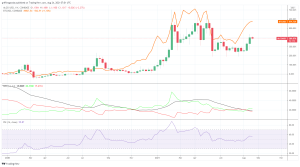
| Cantor Equity Partners’ stock surged 22% following the announcement of the merger, despite being down 66% over the past six months. |
| Bitcoin is facing high volatility, with significant short positions at risk if prices fluctuate before the upcoming Fed rate decision. |
Summary
The Bitcoin treasury for Twenty One Capital’s trading debut signifies a groundbreaking moment in the cryptocurrency market. As it prepares to begin trading on the NYSE, Twenty One—with its impressive $4 billion Bitcoin treasury—positions itself to be a major player in the space, highlighting the increasing institutional interest in Bitcoin. This development not only reflects the evolution of corporate engagement with cryptocurrency but also sets the stage for potential market impacts as it attracts further investor attention and speculation. With the inaugural trading day fast approaching, the momentum surrounding Twenty One Capital emphasizes the ongoing integration of Bitcoin into traditional financial frameworks.