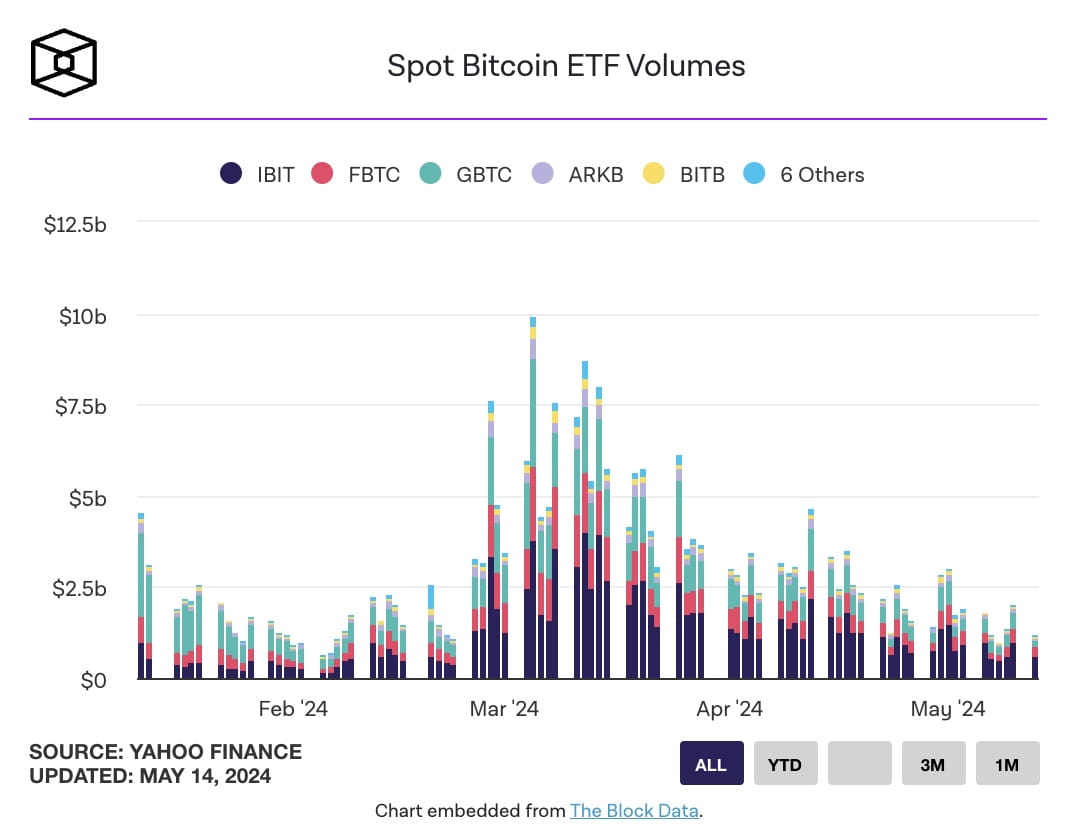

Bitcoin Spot ETFs outflow has dominated the investment news headlines as they experienced a staggering net outflow of $276 million in just one day. This trend reflects a growing concern among investors, with the bitcoin-etfs/" class="bpay-semantic-link" style="color:#0a7a64; font-weight:700; text-decoration:none;" target="_blank" rel="noopener">Blackrock Bitcoin ETF, IBIT, leading the charge with a dramatic single-day outflow of $193 million. Following closely behind, the Fidelity Bitcoin ETF, FBTC, also faced a significant drop, losing $74.375 million. As investors navigate the complexities of Bitcoin investment trends, the implications of such ETF outflows are becoming crucial to understand. With a current total net asset value of Bitcoin spot ETFs hovering around $113.53 billion, market participants are keenly watching these developments in December 2025 to gauge future trajectories in the cryptocurrency market.
The recent wave of withdrawals from Bitcoin spot exchange-traded funds (ETFs) has sparked considerable debate within the financial community. Such ETF outflows signal a potential shift in investor sentiment, particularly regarding the ongoing viability of products like the Blackrock and Fidelity Bitcoin ETFs. As these financial instruments experience significant capital outflow, it raises questions about broader Bitcoin investment trends and market confidence. This situation highlights the dynamic nature of cryptocurrency investments, especially as traditional financial entities continue to adapt their strategies in response to market movements. Understanding this context is vital for investors looking to navigate the evolving landscape of digital asset investment.
Understanding Recent Bitcoin Spot ETFs Outflow
In a recent report, Bitcoin spot ETFs experienced a staggering net outflow of $276 million on December 26, 2025. This significant outflow marks a continuation of a six-day trend where investors have withdrawn substantial amounts from these investment vehicles. The latest data from SoSoValue highlights the performance of major ETFs, with the Blackrock Bitcoin ETF (IBIT) leading the pack in terms of outflows, accounting for $193 million of the total, while the Fidelity Bitcoin ETF (FBTC) contributed a further $74.4 million. This trend raises questions about investor sentiment and the factors leading to this withdrawal.
The considerable net outflow from Bitcoin spot ETFs, along with a total net asset value of $113.53 billion, signals a noteworthy shift in the market. With a market value ratio of 6.49%, the cumulative net inflows of these ETFs have reached $56.625 billion, indicating a robust historical interest in Bitcoin as an investment. Understanding these shifts in ETF outflows can provide insights into broader Bitcoin investment trends, as they reflect investor confidence in the face of market volatility and changing economic factors.
The Impact of Blackrock and Fidelity Bitcoin ETFs on the Market
The Blackrock Bitcoin ETF (IBIT) and the Fidelity Bitcoin ETF (FBTC) have become pivotal players in the cryptocurrency investment landscape. Both ETFs have seen significant historical total net inflows, with IBIT reaching $62.056 billion and FBTC at $12.098 billion. However, the recent outflows indicate a potential shift in investor strategies, possibly influenced by market performance or macroeconomic factors. The prominence of these ETFs suggests that they play a critical role in shaping how retail and institutional investors engage with Bitcoin.
As one observes the trends associated with Blackrock and Fidelity Bitcoin ETFs, it becomes clear that their movements are reflective of broader investment trends and market sentiment. While net outflows on days like December 26 can be alarming, they also highlight the dynamic nature of the cryptocurrency market. Investors are actively reassessing their positions, possibly in reaction to regulatory news or market performance, which could lead to increased volatility in Bitcoin prices and affect future Bitcoin ETF launches.
Analyzing the Trends in Bitcoin Investment
The recent trend of outflows from Bitcoin spot ETFs emphasizes the evolving nature of Bitcoin investments. As digital currencies continue to gain traction, the strategies investors employ are becoming increasingly complex. Fund managers and individual investors alike are constantly surveilling the market for signals that may prompt shifts in their portfolios. The observed outflows on December 26 seemed to stem from both profit-taking and hedging against future uncertainties in the market. Such investment behaviour indicates a mature market where players are adjusting their strategies based on a multitude of economic indicators.
Furthermore, the substantial net inflows recorded in prior months hint at a burgeoning confidence in Bitcoin as a mainstream asset class. The fluctuations observed in ETFs suggest that while immediate sentiment can shift rapidly, the long-term outlook for Bitcoin investment remains robust. Investors are likely to continue exploring a balance between risk and reward, leveraging their insights from past inflows and outflows to better navigate the complex landscape of cryptocurrency investing.
Future Outlook for Bitcoin Spot ETFs
With the recent dip in net inflows and the concerning outflows observed in December 2025, many industry analysts are keenly watching the future of Bitcoin spot ETFs. Given the current total net asset value of $113.53 billion and a historical average of cumulative net inflows, it will be interesting to see how these figures evolve in the coming months. Analysts suggest that the adoption of Bitcoin could see new heights once emerging trends stabilize and investors gain renewed confidence in the market fundamentals.
The future of Bitcoin ETFs may also be influenced by regulatory changes and further integration of Bitcoin into mainstream financial systems. As institutional interest grows, ETFs like those from Blackrock and Fidelity will need to adapt to maintain and attract capital. The interplay between market movements, regulatory developments, and investor sentiment will decisively shape the future of Bitcoin spot ETFs, making it a crucial area for ongoing observation.
The Role of Net Outflows in Shaping Bitcoin ETFs
Net outflows from Bitcoin ETFs are significant indicators for market analysts, reflecting the overall health and sentiment in Bitcoin investments. For instance, the outflow of $276 million seen on December 26 raises critical questions regarding investor confidence. Such movements can lead to recalibrations in fund strategies, affecting how future Bitcoin ETFs are structured and marketed. Understanding these outflows is essential for gauging investor behavior, particularly during turbulent market phases.
Moreover, the reaction of Bitcoin ETFs to market pressures is informative for both individual and institutional investors. The substantial outflows associated with the Blackrock Bitcoin ETF show that larger funds might face unique challenges during periods of heightened uncertainty. As investors weigh their options, these ETFs will need to respond quickly to regain momentum and re-establish trust among potential investors, influencing the overall trajectory of Bitcoin’s integration into traditional finance.
Investor Sentiment and Its Influence on Bitcoin ETFs
Investor sentiment plays a crucial role in the performance of Bitcoin spot ETFs. The recent net outflows highlight how external factors can influence perceptions and decisions among investors. Market rumors, regulatory news, and technological advancements all contribute to shifts in sentiment, causing fluxes in the asset allocation of Bitcoin-related investment products. The reactions to market movements by investors in December emphasize the psychological aspects of trading and the importance of sentiment analysis in understanding ETF dynamics.
A decline in net inflows, as seen with the Bitcoin ETFs from Blackrock and Fidelity, can provoke further outflows as investors seek stability or alternative investments. Understanding these sentiment trends is necessary for market participants who wish to gauge potential recovery patterns in Bitcoin pricing and ETF performance. Observations of such phenomena serve as valuable lessons for both seasoned and novice investors, underscoring the need for a comprehensive awareness of market sentiment.
Comparing Historical and Recent Bitcoin ETF Performance
Examining the historical performance of Bitcoin ETFs gives context to the recent net outflows experienced in December 2025. Prior months demonstrated significant inflows, indicative of growing investor interest in Bitcoin as a viable investment. In contrast, the latest statistics reveal stark contrasts, showcasing the volatility and uncertainty that can occur within cryptographic financial products like ETFs. This ongoing variability requires that investors remain agile and informed, utilizing historical data to inform their current strategies.
The performance of ETFs like the Blackrock Bitcoin ETF and Fidelity Bitcoin ETF must be continuously evaluated against broader market conditions. As these investments have historically enjoyed significant inflows, their recent outflows could serve as a critical indicator for the overall trend in Bitcoin investments. Investors looking to balance their portfolios with Bitcoin ETFs need to consider these historical trends while remaining vigilant about immediate market changes and investor confidence.
Market Forces Driving Bitcoin Investment Trends
The dynamics of supply, demand, and investor confidence are key driving forces behind Bitcoin investment trends. The recent outflows from Bitcoin ETFs reflect a reactive market to the surrounding economic climate and investor sentiment. Given that Bitcoin has often been viewed as a hedge against inflation, changes in economic policy or price volatility can trigger significant reactions among investors, leading to mass withdrawals from Bitcoin ETFs. This illustrates how external macroeconomic factors can indirectly impact Bitcoin’s appeal as an investment vehicle.
Moreover, with technological developments and evolving market infrastructures, the trends in Bitcoin investments are continuously shifting. The emergence of sophisticated investment products and strategies, alongside increasing institutional interest, is redefining how investors approach exposure to Bitcoin. Consequently, both new and established ETFs must adapt to these changes to remain competitive, making it crucial for market participants to stay ahead of trends influencing their investment decisions.
The Importance of Monitoring Bitcoin ETF outflows
Monitoring Bitcoin ETF outflows is critical for understanding market play and investor behavior. The recent figures indicating a $276 million outflow mean that investors are reassessing their positions amidst market fluctuations. Such insights into outflows provide valuable data for analysts looking to gauge overall investor confidence and market trends. Keeping a close eye on these movements allows for timely adjustments to investment strategies and a deeper understanding of the evolving cryptocurrency landscape.
Additionally, the response of Bitcoin ETFs to net outflows directly informs how fund managers will strategize in the future. As awareness surrounding these figures grows in investor communities, we may expect shifts in how products are marketed to attract new capital. Tracking these outflows provides a snapshot of the evolving market and helps investors make informed decisions in an ever-changing financial environment.
Frequently Asked Questions
What caused the recent Bitcoin Spot ETFs outflow of $276 million on December 26, 2025?
The Bitcoin Spot ETFs outflow of $276 million on December 26, 2025, can be attributed to market volatility and investor sentiment shift. The Blackrock Bitcoin ETF (IBIT) led the outflows with $193 million, indicating a withdrawal response from investors amid changing market conditions.
How do Bitcoin ETFs like Blackrock and Fidelity influence market trends during outflows?
Bitcoin ETFs, such as the Blackrock Bitcoin ETF (IBIT) and Fidelity Bitcoin ETF (FBTC), play a significant role in market trends. Their outflows can signal investor unease, often prompting broader market reactions. The recent outflows reflect how institutional investments can impact Bitcoin’s price and investment trends.
What are the implications of ETF outflows for Bitcoin investment strategies?
ETF outflows, like those experienced by Bitcoin Spot ETFs, suggest a shift in investor confidence and can impact Bitcoin investment strategies. Investors may reconsider their allocations or seek alternative investments, especially as seen in the significant outflows from Blackrock and Fidelity ETFs.
Are Bitcoin Spot ETF outflows a common occurrence or a sign of a deeper issue?
Bitcoin Spot ETF outflows, while not uncommon during market fluctuations, may indicate deeper issues such as regulatory concerns, market downturns, or shifts in investor strategy. The recent significant outflows highlight the need for investors to stay informed about market dynamics.
What is the current state of total net asset value for Bitcoin Spot ETFs after recent outflows?
Following the recent outflows, the total net asset value of Bitcoin Spot ETFs stands at $113.53 billion. This reflects a changing market environment, with the ETF net asset ratio currently at 6.49%, amidst historically cumulative net inflows of $56.625 billion.
How does the performance of Bitcoin ETFs impact the overall Bitcoin market?
The performance of Bitcoin ETFs, particularly during periods of outflows, can heavily influence the overall Bitcoin market. Significant withdrawals, like those from Blackrock and Fidelity ETFs, can lead to downward pressure on Bitcoin prices and affect investor sentiment.
What should investors consider when evaluating Bitcoin ETFs like IBIT and FBTC amid outflows?
Investors evaluating Bitcoin ETFs such as IBIT and FBTC amid recent outflows should consider market trends, historical performance, and the potential for continued volatility. Understanding the factors influencing investor behavior can help in crafting a more informed investment strategy.
| ETF Name | Single-Day Net Outflow | Historical Total Net Inflow |
|---|---|---|
| Blackrock ETF (IBIT) | $193 million | $62.056 billion |
| Fidelity ETF (FBTC) | $74.3756 million | $12.098 billion |
Summary
Bitcoin Spot ETFs outflow has significantly impacted the market, with a total net outflow of $276 million recorded in a single day on December 26, 2025. This trend has persisted over six consecutive days, indicating a concerning shift in investor sentiment towards these ETFs. The leading contributors to this outflow were the Blackrock ETF (IBIT) and the Fidelity ETF (FBTC), which experienced net outflows of $193 million and $74.3756 million, respectively. Despite having substantial historical inflow figures, these outflows may reflect broader market dynamics or investor strategies. Overall, the current landscape of Bitcoin Spot ETFs shows a total net asset value of $113.53 billion, with a net asset ratio of 6.49%. Investors should closely monitor these developments as they unfold.
Related: More from Bitcoin News | Citi Sees Bitcoin Banked on Wall Street Crypto Platform | Bitcoin Drops Below $65K Amid Macro Risks