


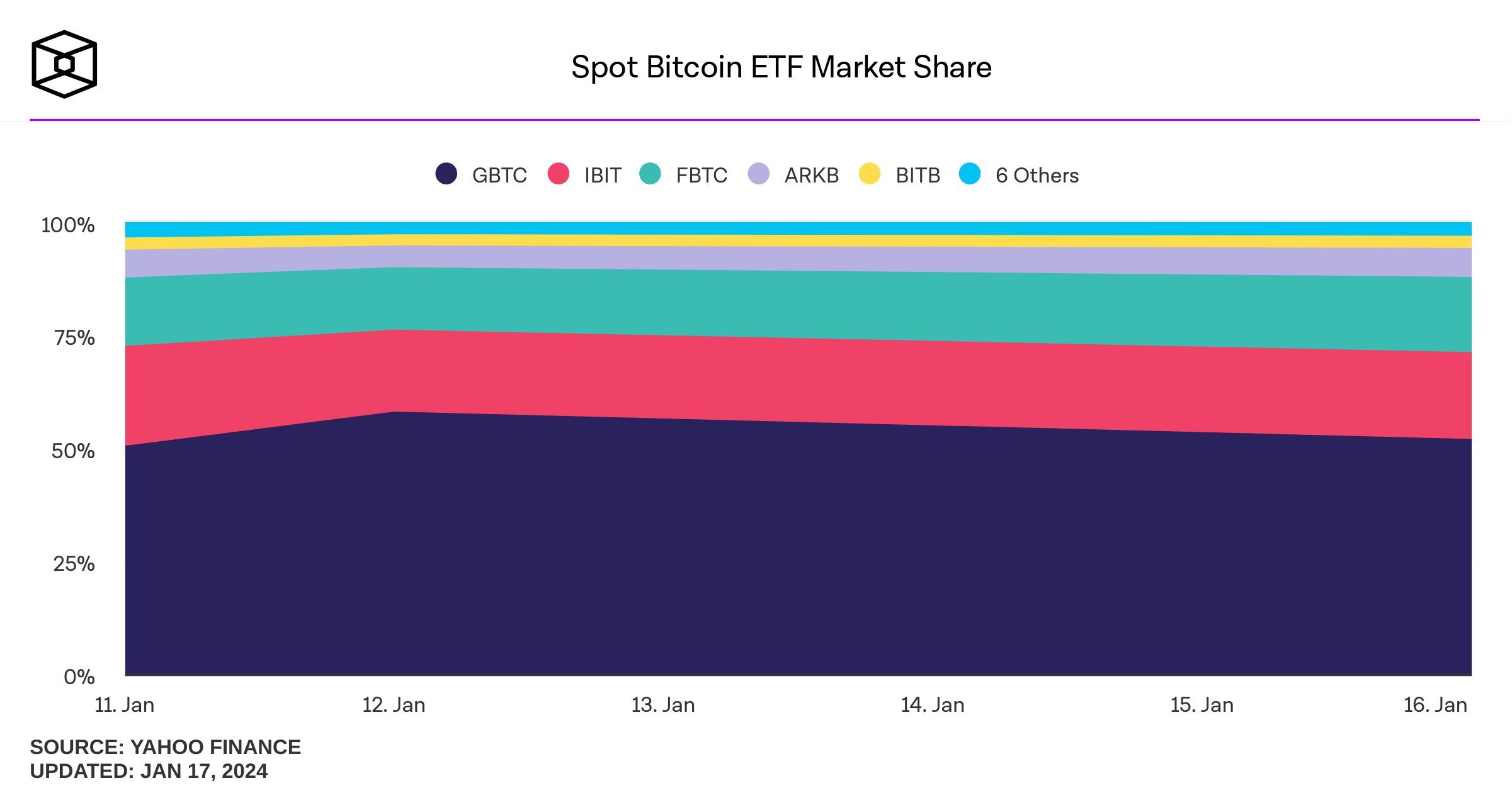

In the ever-evolving landscape of cryptocurrency, the Bitcoin spot ETF has emerged as a focal point for investors looking to gain exposure to the cryptocurrency market. As of January 9th, Bitcoin spot ETFs have faced significant challenges, with a total net outflow of 250 million USD reported just yesterday. This constitutes a worrying trend, marking four consecutive days of net outflows, which raises questions about overall Bitcoin ETF performance. Notably, while the Fidelity Bitcoin ETF managed to draw in a net inflow of 7.8655 million USD, the Blackrock Bitcoin ETF faced heavier losses with a staggering net outflow of 252 million USD. These fluctuations underscore the importance of conducting thorough crypto market analysis to comprehend the dynamics of Bitcoin ETFs and their implications for investors.

The emergence of exchange-traded funds focused on Bitcoin is transforming the investment landscape for digital currencies. Known as Bitcoin spot ETFs, these financial instruments are appealing to both institutional and retail investors eager to venture into cryptocurrency without directly purchasing the assets. Recently, the market dynamics have shown a mix of inflows and outflows, highlighting the need for careful evaluation of funds like the Fidelity Bitcoin ETF and the Blackrock Bitcoin ETF. With total net asset values fluctuating and net outflow trends becoming more pronounced, a comprehensive analysis of these ETFs is essential for understanding broader market movements. Observing these trends can provide valuable insights into investor sentiment within the crypto space, which is vital for navigating future opportunities.
Understanding Bitcoin Spot ETF Trends
The trends observed in Bitcoin spot ETFs have become increasingly pivotal in the overall landscape of cryptocurrency investments. Recently, January 9th saw a significant total net outflow of approximately 250 million USD from these funds, continuing a worrying trend of four consecutive days with negative net inflows. This downturn raises important questions about the current sentiment surrounding Bitcoin investment and the potential implications for individual investors. Such behavior from the market often requires careful crypto market analysis to disentangle underlying factors driving these decisions.
Analyzing ETF performance, the contrast of the popular Fidelity Bitcoin ETF (FBTC) is noteworthy, as it demonstrated resilience even amidst general market outflows. With a commendable net inflow of 7.8655 million USD reported yesterday, FBTC has cumulatively attracted a staggering 11.722 billion USD since inception. This scenario underscores the importance of assessing various Bitcoin ETFs to understand market dynamics better, particularly during times of net outflows which can negatively impact investor confidence.
Frequently Asked Questions
What is the current performance of Bitcoin spot ETFs as of January 9th, 2024?
As of January 9th, 2024, Bitcoin spot ETFs have reported a total net outflow of 250 million USD, marking a trend of four consecutive days of net outflows. This highlights the volatility in the Bitcoin ETF performance within the current crypto market.
Which Bitcoin spot ETF had the highest net inflow recently?
The Fidelity Bitcoin ETF (FBTC) recently achieved the highest net inflow among Bitcoin spot ETFs, with 7.8655 million USD on January 9th. FBTC’s total historical net inflow has now reached 11.722 billion USD, demonstrating robust investor interest.
What are the total historical net outflows for Blackrock Bitcoin ETF?
As of January 9th, 2024, the Blackrock Bitcoin ETF (IBIT) experienced a significant net outflow of 252 million USD in one day. Historically, IBIT has accumulated a total net inflow of 62.406 billion USD despite these recent outflows.
How do Bitcoin spot ETFs influence the overall crypto market analysis?
Bitcoin spot ETFs significantly impact the crypto market analysis as they represent a substantial portion of institutional investment in Bitcoin. With a total net asset value of 116.857 billion USD and an ETF net asset ratio of 6.48%, these ETFs can affect market sentiment and price movements.
What are the implications of recent ETF net outflows on the Bitcoin market?
The recent ETF net outflows, totaling 250 million USD, suggest a potential cooling of investor enthusiasm for Bitcoin spot ETFs. Such trends can influence market dynamics, as sustained outflows may lead to decreased Bitcoin prices or lower market confidence.
| Key Metrics | Bitcoin Spot ETFs Performance |
|---|---|
| Total Net Outflow (Yesterday) | $250 million |
| Consecutive Days of Net Outflows | 4 days |
| Highest Net Inflow ETF | Fidelity ETF (FBTC) |
| Net Inflow (FBTC) | $7.8655 million |
| Total Historical Inflow (FBTC) | $11.722 billion |
| Highest Net Outflow ETF | Blackrock ETF (IBIT) |
| Net Outflow (IBIT) | $252 million |
| Total Historical Inflow (IBIT) | $62.406 billion |
| Total Net Asset Value of Bitcoin Spot ETFs | $116.857 billion |
| ETF Net Asset Ratio | 6.48% |
| Cumulative Historical Net Inflow | $56.403 billion |
Summary
The Bitcoin spot ETF landscape is currently facing significant challenges with a total net outflow of 250 million USD over the past day, marking the fourth consecutive day of declines. The investment behavior among various Bitcoin spot ETFs reveals contrasting trends, as the Fidelity ETF leads with a modest inflow amidst the overall downturn, highlighting the volatility and investor sentiment surrounding Bitcoin. Despite the current net outflows, the total net asset value of Bitcoin spot ETFs remains substantial at 116.857 billion USD. As the market continues to evolve, stakeholders are closely monitoring these developments within the Bitcoin spot ETF sector.
Related: More from Bitcoin News | Bitcoin Analysts: BTC Market Bottoming in Q4 2026 | BTC Below $70K, JPN Inflation Under 2%: Monthly Charts