
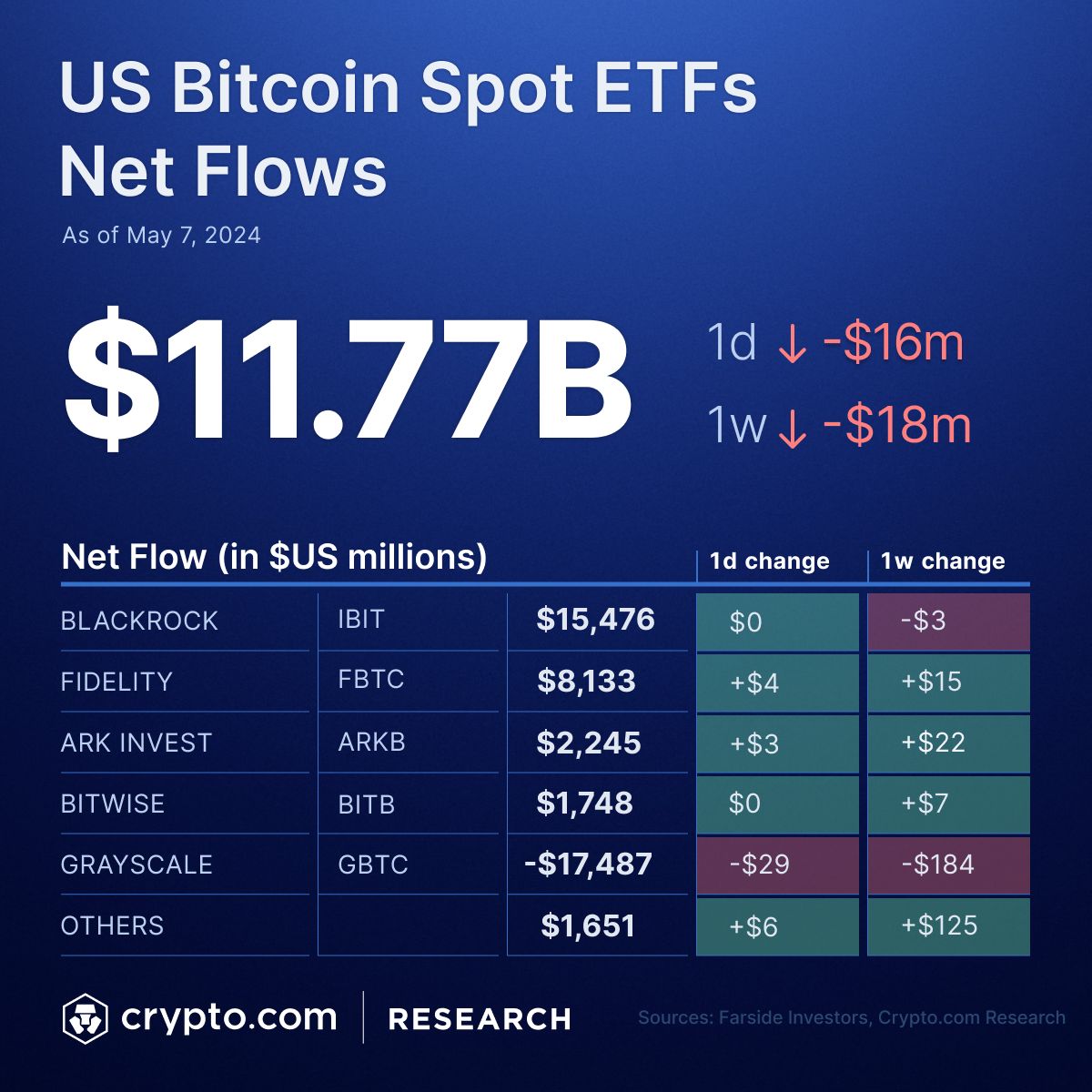

In recent Bitcoin ETF news, the crypto market has faced a notable shift as Bitcoin Spot ETF net outflows reached a staggering $434 million yesterday, marking a continuing trend of significant asset withdrawal. This decline, which unfolded over three days, has raised eyebrows among investors keen on understanding the factors behind these fluctuations. Notably, the Blackrock ETF, known as IBIT, experienced the largest single-day net outflow of $175 million, reflecting a broader uncertainty in the market. Additionally, the Fidelity ETF, FBTC, saw a withdrawal of $109 million, contributing to the heightened focus on ETF performance amid these developments. As investing in Bitcoin becomes increasingly mainstream, tracking the impact of these net outflows is essential for anyone looking to navigate the evolving landscape effectively.

The recent trend of capital leaving Bitcoin-focused exchange-traded funds (ETFs) has ignited discussions surrounding the current state of the cryptocurrency market. With total withdrawals amounting to millions and influential players like Blackrock and Fidelity reporting substantial losses, investors are left questioning the stability and future growth of crypto investment vehicles. Whether referred to as Bitcoin Spot ETFs or simply cryptocurrency ETFs, the financial landscape appears to be shifting as assets leave these funds. Investors are examining various indicators to gauge the overall health of the Bitcoin market and the implications of these outflows for future trading strategies. As the Bitcoin ETF arena faces challenges, understanding these movements will be crucial for anyone engaged in or entering the market.
| Key Point | Details |
|---|---|
| Total Net Outflow | $434 million on February 5, indicating a continuing trend of net outflows. |
| Largest Net Outflow ETF | Blackrock ETF IBIT with a net outflow of $175 million. |
| Following ETF | Fidelity ETF FBTC with a single-day net outflow of $109 million. |
| Total Net Asset Value of Bitcoin Spot ETFs | $80.763 billion. |
| ETF Net Assets to Market Cap Ratio | 6.34%, indicating the proportion of ETF assets associated with the total Bitcoin market cap. |
| Cumulative Historical Net Inflows | Total of $54.318 billion, showing the overall investment into Bitcoin spot ETFs over time. |
Summary
Bitcoin Spot ETF net outflows reached a staggering $434 million on February 5, marking a continuation of this trend over the past three days. This decline is particularly driven by significant outflows from prominent ETFs such as the Blackrock ETF IBIT and Fidelity ETF FBTC. Investors should remain vigilant of these outflow patterns as they could indicate changing sentiments in the cryptocurrency market.
Recent Trends in Bitcoin Spot ETF Net Outflows
The recent data surrounding Bitcoin spot ETFs highlights an alarming trend of continued net outflows, with a remarkable total of $434 million reported on February 5. This figure marks an unsettling three-day streak of outflows, which has caught the attention of investors and analysts alike. Such net outflows indicate a potential shift in investor sentiment towards Bitcoin and related investment vehicles, raising questions about future performance in the crypto market. These trends contribute to the broader narrative surrounding Bitcoin ETF news, as market observers closely monitor how these shifts may affect the price of Bitcoin in the coming days.
Among the various Bitcoin ETFs, the Blackrock IBIT fund experienced the most significant impact with a hefty outflow of $175 million. This trend is indicative of investor apprehensions or strategic reallocations in light of current market conditions. Alongside Blackrock, the Fidelity FBTC ETF also reported considerable outflows of $109 million. Investors are keenly watching the performance of these ETFs as they navigate an environment marked by uncertainty and volatility in cryptocurrency trading. Understanding these dynamics is crucial for those interested in investing in Bitcoin, as they could influence market movements.
Impact of Blackrock and Fidelity ETF Performance
Blackrock and Fidelity’s Bitcoin ETFs have become focal points for both institutional and retail investors due to their significant historical inflow figures. Blackrock’s ETF has amassed a total inflow of $61.609 billion, while Fidelity’s counterpart has generated $11.082 billion. However, the recent net outflows raise critical concerns about the sustainability of such inflows in an increasingly volatile crypto landscape. The performance of these ETFs could serve as indicators for the broader cryptocurrency market and influence other investment choices within it, including the potential for new Bitcoin ETF initiatives.
Moreover, the market’s reaction to these outflows is multifaceted. While outflows typically suggest weakening demand, they can also provide strategic buying opportunities for informed investors looking to capitalize on lower prices. The ongoing fluctuation in the net assets of these ETFs, which currently stands at $80.763 billion, is vital for stakeholders within the crypto market. Investors need to assess how these fluctuations interplay with Bitcoin’s overall market cap and whether this signals a broader trend in the investing community regarding Bitcoin and its associated financial products.
Investing Strategies Amidst ETF Outflows
In light of the observed Bitcoin spot ETF net outflows, savvy investors may need to reevaluate their strategies for engaging with Bitcoin. The crypto market’s trending volatility calls for a more analytical approach, focusing on the underlying factors driving these shifts. Understanding the motivations behind outflows, such as market sentiment and external economic conditions, can help investors make well-informed decisions. For instance, during periods of high market turmoil, like the current scenario, many investors might consider reallocating their portfolios to mitigate risks while still capitalizing on the potential long-term growth of Bitcoin.
Additionally, with Blackrock and Fidelity facing outflows, investors might want to explore other avenues beyond these established ETFs. The growing interest in alternative investment strategies could pave the way for new opportunities in the cryptocurrency landscape. Evaluating other products or considering direct investment in Bitcoin might be viable options for those looking to engage with the market despite the current downturn in ETF performance. Keeping abreast of ongoing Bitcoin ETF news and market trends will be essential for making informed investment choices.
Future Outlook for Bitcoin Spot ETFs
Looking ahead, the outlook for Bitcoin spot ETFs remains uncertain amidst the backdrop of recent net outflows. The crypto market is in a constant state of evolution, and investor confidence swings can heavily influence the performance of these exchange-traded funds. Given that Bitcoin is experiencing historical volatility, predictions about the future of ETFs like those offered by Blackrock and Fidelity will need to take into account not just past performance but also emerging market trends and investor behavior.
As the market dynamics shift, it is crucial for both individual and institutional investors to remain adaptable. The lessons learned from current outflow patterns could reshape future approaches to investing in Bitcoin. Analysts suggest that while the recent figures may seem daunting, they could also represent a potential buying opportunity for those willing to invest amidst the uncertainty. Observing the trends in Bitcoin ETF news and the overall market will be fundamental in forecasting the future trajectory of Bitcoin spot ETFs and the broader crypto market.
Understanding the Ratio of ETF Net Assets to Bitcoin Market Cap
Currently, the net asset value of Bitcoin spot ETFs stands at approximately $80.763 billion, creating a ratio of ETF net assets to the total market capitalization of Bitcoin at around 6.34%. This relationship is crucial for investors as it highlights the influence that exchange-traded funds have within the cryptocurrency ecosystem. A significant ratio indicates a growing acceptance of Bitcoin as a viable asset class, while also setting the stage for potential future institutional investments.
As the market matures, a clear understanding of these ratios can help investors gauge the potential for growth within Bitcoin investments. For example, should the ratio increase, it could signal heightened institutional interest and confidence in Bitcoin as an asset. On the other hand, declining ratios might reflect a withdrawal of institutional support, which could lead to broader market implications. Therefore, keeping an eye on the ETF net assets relative to the overall Bitcoin market cap will provide investors with valuable insights into the health of their investments and the cryptocurrency market as a whole.
Market Sentiment and Its Effects on Bitcoin ETF Investments
Market sentiment plays a pivotal role in shaping the landscape of Bitcoin ETF investments. Recent outflows from prominent ETFs like those from Blackrock and Fidelity indicate shifting investor confidence amidst market turbulence. As sentiment fluctuates, it directly impacts the demand for Bitcoin and the performance of associated financial products. Factors such as regulatory news, macroeconomic trends, and global investor attitudes towards risk all contribute to the prevailing market sentiment surrounding Bitcoin and its ETFs.
Understanding these sentiments can arm investors with insights needed to navigate the volatile landscape of cryptocurrency investments effectively. Many investors may employ sentiment analysis tools to assess market trends and develop strategies accordingly. Heightened awareness of how collective attitudes can affect Bitcoin prices reinforces the need for comprehensive research. Being in tune with the sentiment can lead to more strategic investment decisions, ensuring that investors remain engaged during periods of both growth and decline in the crypto market.
The Role of Institutional Investors in Bitcoin ETF Dynamics
Institutional investors have increasingly played a critical role in the dynamics of Bitcoin ETFs, influencing market trends and investor behavior. Their participation tends to stabilize the market during periods of volatility, as evidenced by the significant inflows recorded by established ETFs like Blackrock and Fidelity prior to the observed outflows. These institutions bring a level of credibility to Bitcoin investments, often leading to heightened retail interest and shaping public perception of the asset class.
However, recent net outflows from major institutional players suggest that even these giants are not immune to market fluctuations. As they recalibrate their investments in light of current market conditions, this could send a ripple effect through the crypto market and impact individual investors’ confidence. Understanding the motivations behind institutional decisions may provide insights into market trends and future performance, representing a crucial aspect of strategic investing in Bitcoin ETFs.
Navigating Regulatory Challenges for Bitcoin ETFs
Regulatory challenges represent a significant factor influencing Bitcoin spot ETFs’ performance and appeal to potential investors. As various financial authorities continue to establish guidelines and regulations surrounding cryptocurrencies, the landscape for Bitcoin ETFs has become increasingly complex. Compliance with these regulations is essential for ETFs to maintain legitimacy and protect their investors. How these regulations evolve can have substantial implications for investment flows into Bitcoin ETFs, as changing legal frameworks can either encourage or discourage participation.
Investor awareness of regulatory environments can also play a role in driving demand for Bitcoin ETFs. Institutions and individuals alike need to stay informed about shifts in legislative attitudes towards cryptocurrency. For instance, if favorable regulations are enacted, it could result in an influx of institutional capital into Bitcoin ETFs, potentially reversing the trend of outflows that we’ve recently observed. Thus, understanding the regulatory landscape is essential for effective investment strategies and devising ways to navigate these challenges successfully.
Future Innovations in Bitcoin ETF Structures
The Bitcoin ETF market is experiencing continual innovation, as financial institutions explore alternative structures and products to entice investors. As we witness record outflows from existing ETFs, there is potential for new offerings that may better align with market demands and investor preferences. Innovations could include leveraged ETFs, which offer the chance to amplify returns, or actively managed funds that adapt to market conditions more dynamically.
This period of trial and exploration raises essential considerations for investors looking to enter the Bitcoin space. As new products emerge, they will need to evaluate not just the potential benefits but also the associated risks. For instance, while an innovative ETF may propose enhanced returns, it may also introduce complex financial mechanisms that could pose substantial risks. Overall, staying abreast of these developments in Bitcoin ETF structures and their implications will be crucial for investors seeking to navigate this evolving landscape.
Frequently Asked Questions
What are the recent Bitcoin Spot ETF net outflows and what does it mean for the market?
On February 5, 2023, Bitcoin spot ETFs experienced a total net outflow of $434 million, marking a continuation of a three-day trend. This could indicate waning investor confidence or shifting market dynamics in the crypto market.
How do Blackrock ETF outflows affect the overall sentiment towards Bitcoin investments?
The Blackrock ETF, which saw a significant net outflow of $175 million recently, reflects broader trends in Bitcoin Spot ETF net outflows. Such substantial withdrawals may lead to negative sentiment among investors, signaling potential instability in Bitcoin prices.
What is the performance of Bitcoin ETFs like Fidelity amidst net outflows?
Despite experiencing a $109 million outflow, the Fidelity ETF’s historical total inflow still stands at $11.082 billion. This suggests that while short-term outflows are concerning, the long-term performance has remained strong in the context of investing in Bitcoin.
Can we expect further Bitcoin Spot ETF net outflows in the coming weeks?
Given the current trend of Bitcoin Spot ETF net outflows, especially from major players like Blackrock and Fidelity, it’s possible that we may see continued net outflows. Investors should closely monitor market conditions and news related to Bitcoin ETF news to gauge future movements.
What is the significance of Bitcoin Spot ETF net inflows versus outflows?
The cumulative historical net inflow of Bitcoin spot ETFs totals $54.318 billion, contrasted with current net outflows. This dynamic highlights the shifting investor behavior in the crypto space, affecting Bitcoin’s overall market cap and trading volume.
How do Bitcoin Spot ETF net outflows relate to overall market cap ratios?
As of now, the ratio of Bitcoin Spot ETF net assets to the total market cap of Bitcoin is 6.34%. This figure exemplifies how ETF movements, including net outflows, can significantly impact the market perception and performance of Bitcoin in the broader crypto landscape.