
Bitcoin stands at the forefront of the cryptocurrency revolution, capturing the attention of both investors and analysts alike. Recent political developments, particularly regarding U.S. President Donald Trump’s decisions on Greenland, have led to significant shifts in the Bitcoin market. As global tensions rise, the impact of Trump’s policies on Bitcoin has become increasingly apparent, driving many to analyze Bitcoin price trends and forecasts. With experts issuing Bitcoin recovery predictions, investors are keen on understanding how geopolitical influences shape the market. As we navigate the complexities of Bitcoin’s value in light of these developments, the quest for clarity on cryptocurrency market trends becomes more crucial than ever.
The digital currency landscape is buzzing with discussions about BTC, a major player reshaping finance and investment dynamics. Analyzing the fluctuations in cryptocurrency value, especially amid political drama and international trade tensions, presents a fascinating study in market response. As policy decisions reverberate across the globe, particularly concerning the ramifications of Trump’s Greenland aspirations, the effects are palpable in the realm of alternative assets like Bitcoin. No longer just a speculative venture, BTC’s market behavior reflects broader geopolitical currents, underscoring its significance in a rapidly changing world. Through the lens of Bitcoin market analysis, we can gain insights into how international relations directly impact the cryptocurrency ecosystem.
| Key Point | Details |
|---|---|
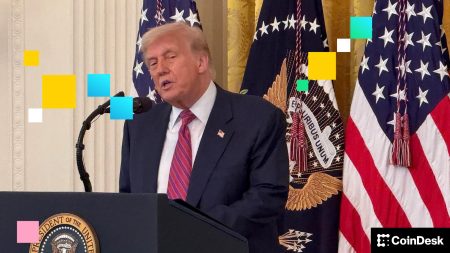
| Trump’s Greenland Plan | President Trump ruled out military actions against Greenland, which sparked a temporary relief for Bitcoin prices. |
| Bitcoin’s Price Reaction | Bitcoin rose from $87,000 to $90,000 following the news, amidst previous dips due to geopolitical tensions. |
| Geopolitical Pressures | Ongoing geopolitical tensions and trade threats have historically impacted Bitcoin’s stability and price fluctuations. |
| Implications of Trade Policies | Suspension of tariffs temporarily calms markets, but uncertainty remains as future trade relations with the EU could complicate Bitcoin’s standing. |
| Market Analyst Opinions | Experts highlight how external factors like trade wars can heavily influence cryptocurrencies such as Bitcoin. |
Summary
Bitcoin has shown some resilience amid recent geopolitical tensions, particularly following President Trump’s decision not to pursue military action against Greenland. This has allowed Bitcoin to recover slightly, increasing from $87,000 to $90,000. However, uncertainties surrounding trade policies and international relations continue to pose risks to Bitcoin’s stability. As global markets remain volatile, Bitcoin’s price is intricately tied to these larger geopolitical dynamics.
The Role of Geopolitics in Bitcoin Price Trends
Geopolitical events have increasingly influenced Bitcoin market trends, particularly as countries navigate complex international relationships. Trump’s recent rhetoric regarding Greenland and threats of tariffs have the potential to escalate tensions that affect global markets, including cryptocurrencies such as Bitcoin. The uncertainty surrounding a potential trade war can lead to market volatility, which in turn makes Bitcoin investors nervous. This volatility is often reflected in sudden price fluctuations, mirroring broader concerns in the financial landscape.
As seen with Bitcoin’s price movements, geopolitical narratives can drive investor sentiment. When geopolitical tensions heighten, Bitcoin sometimes experiences a knee-jerk reaction, evidenced by the dip in its price during Trump’s Greenland threats. However, the recent stabilization in his aggressive stance has allowed Bitcoin to bounce back slightly, indicating that while Bitcoin is often seen as a hedge against instability, it is inherently impacted by geopolitical developments.
Bitcoin Recovery Predictions Amidst Geopolitical Uncertainty
Predicting Bitcoin’s recovery in the context of geopolitical uncertainty requires an understanding of macroeconomic factors and historical precedents. Market analysts suggest that while a recovery is possible, it is contingent on a stable geopolitical environment and favorable governmental policies. The recent lowering of hostile rhetoric by President Trump is a positive signal, but lingering uncertainty around trade agreements and tariffs could weigh down the recovery efforts for Bitcoin in the short term.
Furthermore, Bitcoin’s recent price history post major geopolitical events can provide clues for recovery predictions. Analysts look at price charts and market responses to previous conflicts and trade disputes to gauge potential future movements. The overarching hope among investors is that clarity in diplomatic approaches, such as discussions of trade partnerships and non-violent negotiations regarding Greenland, can bolster confidence in the Bitcoin market and catalyze a sustained recovery.
Impact of Trump’s Policies on Bitcoin and Cryptocurrencies
The fluctuating policies of President Trump, particularly regarding international trade and tariffs, have had a notable impact on Bitcoin and the broader cryptocurrency market. As the US government navigates its stance on various trade agreements, the uncertainty that arises often ripples through financial markets. For instance, Trump’s threats to impose tariffs on countries opposing his Greenland plans have added to the cautious sentiment surrounding Bitcoin investments. Investors are paying close attention to how these policies may shape Bitcoin’s price trajectory.
Moreover, Trump’s administration has shown an unpredictable approach to economic policy, which creates a challenging environment for cryptocurrencies. Bitcoin, viewed as a risk-on asset, tends to respond negatively to threats of increased trade tensions. With his decision to pause aggressive tactics for now, there may be a short-term respite for Bitcoin prices, but the overall sentiment remains one of caution as market participants await further developments.
Bitcoin’s Response to Global Market Dynamics
Bitcoin has always been sensitive to the shifts in global market dynamics, as it operates within a landscape that is interconnected with traditional financial systems. The recent discussions surrounding Trump’s policies and their implications for trade have created a fair bit of apprehension in the cryptocurrency space. For example, when global tensions rise, as seen with the Greenland affair, there is often a retreat from riskier investments, leading to a decline in Bitcoin prices.
However, Bitcoin has also demonstrated resilience, often rallying back as conditions stabilize. The recent surge from $87,000 to $90,000 reflects a cautious optimism among investors, indicating that amid geopolitical chaos, there still exists a belief in Bitcoin’s long-term value. This ability to respond and rebound from external pressures highlights Bitcoin’s unique position in the market, where it serves both as a speculative investment and a safe haven, albeit one that is still influenced by broader geopolitical considerations.
Analyzing Bitcoin Market Trends Post Trump’s Greenland Announcement
Following President Trump’s Greenland announcement, Bitcoin’s price experienced fluctuations that merit a closer analysis of market trends. Initially, the uncertainty surrounding the geopolitical implications caused Bitcoin’s price to decline dramatically. This situation has highlighted the delicate balance between global political tensions and the cryptocurrency’s market performance. Investors closely monitor these trends to understand how Bitcoin’s price responds to specific political events and announcements.
As market analysts disaggregate Bitcoin’s price behavior in relation to Trump’s decisions, they begin to identify patterns that may indicate potential future movements. For example, after Trump’s recent speech, Bitcoin saw a momentary uptick in its price as relief washed over the markets. Such responses suggest that while Bitcoin is indeed influenced by external political factors, it also possesses intrinsic market mechanisms that drive its price independently, particularly as investor sentiment evolves following each news cycle.
The Future of Bitcoin in a Changing Geopolitical Landscape
As the geopolitical landscape continues to evolve, the future of Bitcoin remains at a critical crossroad. With recent developments signaling a possible shift towards more diplomatic relations, analysts are curious about how these changes might affect Bitcoin’s acceptance and price stability. The notion that Bitcoin could thrive as a reliable asset amidst geopolitical pressures is compelling, especially as traditional financial systems continue to undergo significant stress.
However, projecting a clear trajectory for Bitcoin’s future amidst changing geopolitics requires careful consideration of various factors, including regulatory changes, market demands, and investor behavior. Continuous scrutiny of how leaders’ decisions, particularly those from the US, shape global trade relations will be crucial in understanding Bitcoin’s long-term viability and market trends.
Bitcoin and Its Market Dynamics: The Influence of Global Events
Bitcoin’s market dynamics often reflect the broader economic and political events unfolding around the world. A prime example is the direct correlation seen between Trump’s trade policies and Bitcoin’s price fluctuations. Events like the Greenland discussion not only reverberate through the geopolitical sphere but also leave an indelible mark on investing psychology, impacting decisions in the cryptocurrency markets.
Understanding these dynamics is essential for investors looking to navigate the increasingly intricate landscape of cryptocurrency investing. Bitcoin, despite being viewed as a decentralized currency, is far from insulated from international affairs. As global tension rises or eases, Bitcoin prices fluctuate, showcasing the interdependence between digital assets and traditional financial markets.
Evaluating the Impact of International Relations on Bitcoin’s Value
The interplay between international relations and Bitcoin’s value cannot be understated, particularly in times of heightened political tensions. The recent news regarding Trump’s aggressive stance on Greenland serves as a case study in how drastically global politics can influence cryptocurrency values. Bitcoin witnessed fluctuations that mirrored investor sentiments about the potential for conflict and economic instability.
As countries navigate their diplomatic ties and trade agreements, Bitcoin will continue to reflect the sentiments of those political landscapes. Investors and market analysts alike are keenly aware of how international relations can sway potential returns on their investments, creating a constant need for vigilance and adaptability in investment strategies.
Bitcoin as a Response to Geopolitical Tensions
Investors often turn to Bitcoin as a potential answer to the uncertainties posed by geopolitical tensions. As traditional assets may be bogged down by tariffs and trade wars, Bitcoin emerges as an alternative that some believe can function independently of these systemic pressures. Amidst the recent uncertainty caused by Trump’s foreign policy discussions, Bitcoin has been seen by many as a safe harbor, despite its own susceptibility to volatility.
With increased adoption and the growing perception of Bitcoin as a resilient financial asset, many view its role as one of defiance against geopolitical instability. Each time market analysts note the interplay between Bitcoin trends and international relations, it reinforces the narrative that Bitcoin serves not only as a speculative asset but also as a protective measure in uncertain times.
Bitcoin’s Growth in an Era of Political Unpredictability
The political landscape’s unpredictability has created both challenges and opportunities for Bitcoin. As seen in recent months following Trump’s Greenland announcements, Bitcoin initially suffered price dips stemming from geopolitical concerns. However, the asset has exhibited a notable ability to rebound quickly when situations stabilize, revealing a resilience that has come to define its growth narrative.
This resilience is crucial to understanding Bitcoin’s trajectory as it continues to gain traction across various markets. While potential investors may be wary due to political uncertainties, Bitcoin’s increasing integration into the global financial ecosystem positions it uniquely to benefit from any long-term stabilization in international relations and trade agreements.
Frequently Asked Questions
What is the current trend in Bitcoin price analysis following Trump’s Greenland remarks?
Following President Trump’s announcement that he would not pursue the acquisition of Greenland through force, Bitcoin saw a positive spike in its price. Initially rising from around $87,000 to $90,000, the market reacted favorably amidst ongoing geopolitical tensions, showcasing Bitcoin’s sensitivity to global events and its existing trend of recovery.
How do geopolitical influences, like Trump’s policies, affect the Bitcoin market trends?
Geopolitical influences, particularly those stemming from Trump’s policies, have shown a significant impact on Bitcoin market trends. For instance, threats of trade wars and military actions have historically caused Bitcoin’s price to dip. The recent Greenland situation demonstrates how geopolitical stability can temporarily bolster Bitcoin’s price, while uncertainty can keep it volatile.
What is the outlook for Bitcoin recovery prediction amid ongoing geopolitical tensions?
The outlook for Bitcoin recovery amidst ongoing geopolitical tensions remains cautious. While the recent calming of Trump’s aggressive stance on Greenland led to a brief surge in Bitcoin’s price, analysts warn that the uncertainty surrounding US-EU relations and potential tariffs could hamper any sustained recovery. Thus, while short-term gains may occur, longer-term predictions remain clouded by geopolitical factors.
How did Trump’s Greenland plans impact Bitcoin’s price?
Trump’s aggressive rhetoric regarding Greenland led to a volatile reaction in Bitcoin’s price. Initially, Bitcoin’s price fell significantly due to market fears surrounding potential trade wars and military actions. However, after Trump ruled out forceful acquisition, the price rebounded slightly, indicating Bitcoin’s responsiveness to geopolitical developments.
What role does the impact of Trump’s policies play in Bitcoin’s market fluctuations?
Trump’s policies have played a crucial role in Bitcoin’s market fluctuations, often intensifying volatility. For example, his threats of tariffs and military interventions have historically resulted in drops in Bitcoin’s price due to increased market uncertainty. As a result, Bitcoin has become more intertwined with geopolitical developments and can experience sharp price movements in response.
Related: More from Bitcoin News | AI, BTC Miners Issue High | Bitcoin Above $69K? Glassnode Weighs In