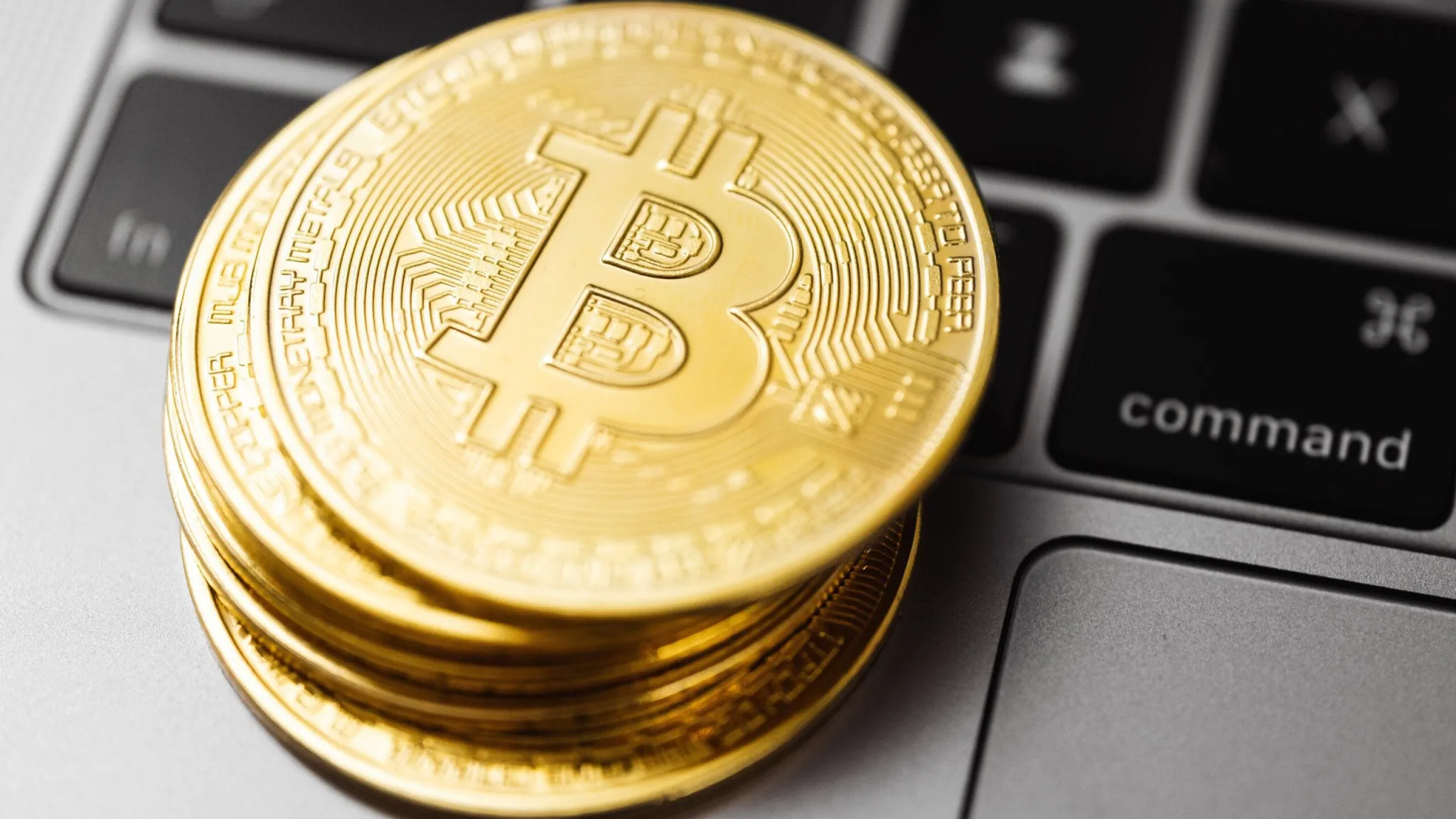

Title: Trump Eases China Tariff Threat, Bitcoin Reacts

In a surprising move that has reverberated across global markets, President Donald Trump recently announced a decision to ease tariff threats against China, signaling a potential thaw in the long-standing trade tensions between the world’s two largest economies. This policy shift not only impacted traditional financial sectors but also had a noticeable effect on the cryptocurrency market, particularly Bitcoin.
Background of the U.S.-China Trade Conflict
For several years, the United States and China have been embroiled in a trade conflict, marked by the imposition of tariffs on billions of dollars worth of each other’s goods. This trade war has led to market volatility and economic uncertainty, affecting industries worldwide. The tariffs, which were initially positioned as a leverage for better trade agreements, impacted a wide range of sectors from agriculture to technology.
Trump’s Announcement and Market Reaction
President Trump, in a recent speech, outlined his intention to “scale back” the tariffs, suggesting a more conciliatory approach towards Beijing. He expressed optimism about reaching a “phase one” trade deal, which would involve China purchasing significant quantities of U.S. agricultural products while the U.S. would ease some tariffs on Chinese goods.
Following the announcement, global stock markets responded positively, with a notable rise in Wall Street indices as investor confidence improved. The prospect of a more stable trade environment encouraged a risk-on sentiment among investors.
The Bitcoin Connection
Interestingly, alongside traditional markets, the cryptocurrency market responded to Trump’s trade announcement, with Bitcoin experiencing a surge in value. Analysts have often debated the role of Bitcoin as a “safe haven” asset during times of economic uncertainty. The easing of trade tensions between the U.S. and China led to a decrease in geopolitical uncertainty, which, in turn, seemingly reduced the demand for Bitcoin as a hedge against global instability.
However, the reaction of Bitcoin was swift and positive. Within hours of Trump’s speech, Bitcoin’s price increased by approximately 5%. This response could potentially contradict the notion of Bitcoin as purely a safe-haven asset, suggesting that Bitcoin reacts uniquely to global economic changes.
Why Bitcoin Reacts Differently
The mechanism behind Bitcoin’s reaction might be multifaceted. One explanation could be liquidity influx from Asia, where market participants may view eased trade tensions as a stabilizing factor for investment in riskier assets like cryptocurrencies. Additionally, a healthier economic outlook might lead to increased innovation and investment in technology sectors, closely tied with blockchain and cryptocurrencies.
Another angle is the potential use of Bitcoin as an alternative investment not just when the economy is shaky, but also when there is positive market movement, indicating a broader acceptance of Bitcoin as a legitimate asset in diversified investment strategies.
Conclusion
The easing of tariff threats by President Trump has undeniably impacted various facets of global trade and economics, extending surprisingly even into the realm of digital currencies like Bitcoin. This incident highlights the intricate and sometimes unexpected ways in which cryptocurrency markets intersect with global economic events. As the U.S.-China trade relations continue to develop, the world will be watching not only how traditional markets respond but also how emerging markets like cryptocurrencies might pave the way for new economic dynamics in the global arena.