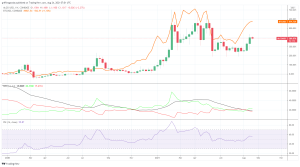


Bitcoin price volatility has become a hot topic among investors and analysts alike, as it often reflects the digital currency’s tumultuous nature. Recently, Bitcoin’s price experienced a staggering drop of about 36% from its historical high of $126,000, plunging below $81,000. Such fluctuations are not unusual; in fact, corrections of this magnitude have been characteristic of Bitcoin market cycles over the years. Historical data reveals that Bitcoin has faced similar, if not greater, declines, responding with recoveries that often lead to new peaks. Understanding Bitcoin price trends is crucial for anyone looking to navigate the cryptocurrency landscape successfully, especially amid the ongoing discussions of Bitcoin trading analysis and potential future movements.

The unpredictable swings in Bitcoin’s value, often referred to as its price fluctuations, have consistently drawn attention in the investment community. With dramatic corrections, such as the recent downturn from a historical high of $126,000, traders are constantly assessing their strategies. This recurring pattern of price shifts reflects broader dynamics within the cryptocurrency landscape, where historical highs and lows play a pivotal role in shaping market sentiment. Observing Bitcoin’s performance through various trading cycles can offer insights into its resilience and potential future direction. In this context, understanding market corrections and their impacts on overall price trends is essential for remaining competitive in the fast-paced world of cryptocurrency.
Understanding Bitcoin Price Volatility
Bitcoin price volatility is an inherent characteristic of the cryptocurrency market, often causing concern among investors. A recent decline of over 30% from Bitcoin’s historical peak of $126,000 to approximately $81,000 exemplifies this volatility. Such fluctuations are not unprecedented; historical analysis reveals that Bitcoin has previously witnessed steep corrections, including a notable 55% drop. This historical context illuminates the idea that price drops of this nature are part of Bitcoin’s market cycles, which are typically followed by substantial recoveries.
To effectively navigate Bitcoin price volatility, traders should engage in thorough Bitcoin trading analysis. By examining past market cycles, it becomes evident that major corrections often provide opportunities for rebounding prices. For instance, during previous cycles in 2021 and 2017, Bitcoin underwent similar declines, ultimately resulting in new all-time highs. Understanding market trends and historical price movements can equip investors with the knowledge necessary to anticipate potential rebounds following significant downturns.
Analyzing Bitcoin Market Cycles
Bitcoin market cycles are crucial for comprehending the cryptocurrency’s price behavior. Each cycle is marked by periods of substantial growth followed by corrections, which are vital for establishing a sustainable price trajectory. Data indicates that Bitcoin generally experiences a pullback of around 30% or more during these cycles, making current pricing dynamics relatively predictable within a historical framework. Investors should study these cycles and their characteristics, as they are instrumental in forecasting future price trends and potential entry points for trading.
Historical highs in Bitcoin’s value often trigger corrections, which can appear alarming to new investors but are, in reality, natural aspects of market fluctuations. Understanding these cycles can help demystify the volatility associated with Bitcoin. As seen from past patterns, after significant downturns, Bitcoin has a strong tendency to recover and exceed previous highs. By focusing on the broader context of Bitcoin’s historical performance, traders can adopt a more strategy-driven approach, reducing impulsive reactions to market volatility.
The Importance of Historical Data in Bitcoin Investment
Utilizing historical data is a powerful tool for investors looking to succeed in the Bitcoin market. Analyzing previous Bitcoin price trends can reveal patterns that would typically escape casual observers. For example, the notion that a 30-55% drop is part of the normal market behavior underscores the need for a long-term perspective. Investors who remain attuned to historical contexts are more likely to make informed decisions, recognizing that volatility can often lead to lucrative buying opportunities.
Furthermore, understanding historical corrections in Bitcoin assists investors in developing robust strategies through Bitcoin trading analysis. By leveraging past performance data, traders can create models that predict future price movements with greater accuracy. The cryptocurrency market, fraught with unpredictability, can be navigated more successfully when investors educate themselves with historical references, thereby reducing emotional reactions to the inevitable fluctuations.
Navigating Cryptocurrency Corrections
Cryptocurrency corrections, specifically within Bitcoin, are often major events that attract significant media attention and panic among investors. The latest correction, where Bitcoin fell by about 36%, is a reminder that such events are part and parcel of the trading landscape in digital currencies. Understanding the driving forces behind these corrections, such as market sentiment and external economic factors, can offer insights into when to hold or sell Bitcoin during downturns.
To effectively navigate cryptocurrency corrections, traders should consider adopting strategies that account for the inherent volatility of Bitcoin. Employing techniques like dollar-cost averaging can mitigate risks during price dips while building up a position in anticipation of future rebounds. Moreover, by maintaining a disciplined approach and adhering to a well-researched plan, investors can withstand the inevitable fluctuations in price and potentially capitalize on the rebounds that follow.
Bitcoin Price Trends and Their Implications for Investors
Monitoring Bitcoin price trends provides investors with a clearer understanding of market sentiment and potential future movements. The current trend, showcasing a recovery from under $81,000 to above $93,000 following a significant correction, indicates that Bitcoin remains resilient. Historical data supports the notion that such recoveries often pave the way for new peaks, making it crucial for investors to stay engaged with these trends. The analysis of both recent and historical price trajectories can yield valuable insights into where Bitcoin may head next.
Additionally, Bitcoin price trends often correlate with broader economic conditions and sentiment. For example, after the biggest liquidation event in crypto history, the market saw some turbulence, yet Bitcoin’s ability to recover suggests foundational strength. By linking current price movements with historical trends, investors can better grasp the potential implications for their investment strategies. Understanding how price corrections intersect with trends empowers investors to make well-informed choices in an inherently volatile market.
Significance of Forced Liquidation Events
Forced liquidation events can dramatically influence Bitcoin’s price, contributing to overall market volatility. Such incidents occur when leveraged positions are forcibly closed due to a drop in asset value, leading to a cascading effect across the market. The recent liquidation event, touted as the largest in crypto history, prompted a swift decline in Bitcoin’s value, exemplifying how external factors can create sharp corrections in the cryptocurrency landscape.
Investors must recognize the implications of forced liquidation on their trading strategies. The aftermath of such events often presents opportunities for savvy traders to buy at lower prices before the market rebounds. Understanding the mechanics behind these liquidations not only provides context to current Bitcoin price fluctuations but also aids investors in preparing for future corrections, strengthening their position to take advantage of the recovering trends.
Emphasizing Long-term Trends in Bitcoin Investment
When investing in Bitcoin, focusing on long-term trends rather than day-to-day fluctuations can significantly enhance profitability. The cyclical nature of Bitcoin’s market behavior suggests that short-term volatility, such as the recent 31.7% drop from January to April 2025, should not deter astute investors. By maintaining a long-term outlook and factoring in historical highs and lows, investors can better assess Bitcoin’s true potential for growth.
Long-term investment strategies prioritize patience and discipline, recognizing that while Bitcoin may experience significant corrections, its historical performance typically results in eventual recovery and price appreciation. By understanding Bitcoin’s market cycles and trends over time, investors can cultivate a mindset that allows them to weather short-term storms, ultimately positioning themselves to benefit from Bitcoin’s upward trajectory.
Future Predictions for Bitcoin Prices
In the realm of cryptocurrency, predicting future Bitcoin prices is challenging yet essential for strategic investment. Analysts often rely on historical data and market cycles to shape their forecasts. As Bitcoin has consistently demonstrated the ability to rebound after significant corrections, there is cautious optimism regarding its future trajectory. The anticipated recovery from recent price declines could see Bitcoin once again testing and surpassing previous all-time highs.
Moreover, future predictions for Bitcoin prices are influenced by external factors such as regulatory developments and broader market trends. As more institutional investors enter the cryptocurrency space, the demand for Bitcoin may increase, potentially driving prices higher. Investors should stay informed about these trends and adapt their strategies accordingly, ensuring they are poised to capitalize on potential upward movements in Bitcoin’s price.
Educational Resources for Bitcoin Investors
For investors looking to enhance their understanding of the Bitcoin market, educational resources are invaluable. From online courses to webinars, various platforms offer insights into Bitcoin trading analysis, market cycles, and the factors contributing to price volatility. By engaging with these resources, investors can deepen their knowledge and make more informed decisions in their Bitcoin trading ventures.
Additionally, following reputable cryptocurrency news sources and analytical platforms can help investors stay updated on Bitcoin’s price trends and market fluctuations. Understanding the latest analytical data and expert opinions can empower investors, allowing them to navigate the complexities of cryptocurrency corrections and market behavior more effectively. Continuous learning in this rapidly evolving landscape is key to maximizing investment opportunities.
Frequently Asked Questions
What causes Bitcoin price volatility during market cycles?
Bitcoin price volatility is influenced by various factors including market sentiment, trading volume, regulatory news, and macroeconomic trends. During market cycles, historical data suggests that significant price corrections of 30% or more are not uncommon, as evidenced by previous events in 2017 and 2021, where Bitcoin experienced similar declines. Understanding these factors can aid in Bitcoin trading analysis and help investors navigate price trends.
How does Bitcoin’s historical high relate to current price volatility?
Bitcoin’s historical highs serve as benchmarks for price volatility. For instance, the recent drop from a peak of $126,000 to below $81,000 reflects a 36% correction, which aligns with historical patterns where Bitcoin tends to experience substantial pullbacks. Such price volatility is considered normal and is often followed by rebounds to new highs, demonstrating the cryptocurrency’s cyclic nature.
What are cryptocurrency corrections and how do they apply to Bitcoin?
Cryptocurrency corrections refer to significant declines in prices following substantial gains. In Bitcoin’s case, corrections of over 30% are typical, reflecting its highly volatile nature. Historical analysis shows that after corrections, Bitcoin often regains lost ground and reaches new historical highs, making it essential for traders to understand these trends.
How do traders analyze Bitcoin price trends amid high volatility?
Traders use a variety of tools and methods to analyze Bitcoin price trends amid high volatility, including technical analysis, chart patterns, and market indicators. By reviewing past market cycles and price fluctuations, traders can make informed decisions during times of correction. For example, historical data shows that after declines, Bitcoin usually rebounds, enabling traders to capitalize on potential opportunities.
Why is a 30% drop in Bitcoin price considered normal volatility?
A 30% drop in Bitcoin price is classified as normal volatility due to the cryptocurrency’s historical performance. Data shows that Bitcoin has undergone similar corrections multiple times throughout its market cycles. For instance, during 2021 and 2017, Bitcoin experienced significant pullbacks, indicating that such fluctuations are part of its long-term price behavior and necessary for market health.
What impact do liquidation events have on Bitcoin price volatility?
Liquidation events can significantly impact Bitcoin price volatility by triggering mass sell-offs, leading to rapid price declines. The largest forced liquidation event in crypto history recently affected Bitcoin prices, contributing to fluctuations seen in the market. These events often exacerbate volatility, highlighting the importance of understanding market dynamics when investing in Bitcoin.
How can historical data improve understanding of Bitcoin price volatility?
Historical data is crucial for understanding Bitcoin price volatility as it reveals patterns and trends over time. By analyzing past market cycles, traders and investors can identify how Bitcoin behaves during corrections and rebounds, which enhances their Bitcoin trading analysis and strategies for dealing with future volatility.
| Key Point | Details |
|---|---|
| Bitcoin’s Historical High | Bitcoin reached a high of $126,000. |
| Recent Price Drop | Dropped approximately 36% to below $81,000. |
| Current Trading Price | Bitcoin’s price currently exceeds $93,000, down about 26% from its historic peak. |
| Normal Volatility | Historically, declines over 30% are considered routine in Bitcoin’s market activities, including previous drops of 55%. |
| Typical Recovery | After significant pullbacks, Bitcoin usually rebounds to new all-time highs, according to historical data. |
| Price Fluctuation Causes | Recent fluctuations are linked to the largest forced liquidation event in crypto history, as noted by experts. |
| Volatility Trends | The current volatility aligns with historical trends. Corrections of 32.7% and 31.7% observed in recent cycles (2024 & 2025). |
Summary
Bitcoin price volatility is an inherent characteristic of its market behavior, often marked by significant fluctuations in value. As seen in the recent history, a drop of over 30% from its all-time high has been recorded as a normal occurrence. Although Bitcoin’s price has experienced notable corrections—such as the recent 36% decline—the cryptocurrency tends to recover and may reach new peaks based on historical patterns. This ongoing volatility can be attributed to various market dynamics, including large liquidation events, underscoring the need for investors to prepare for such swings in the market.