


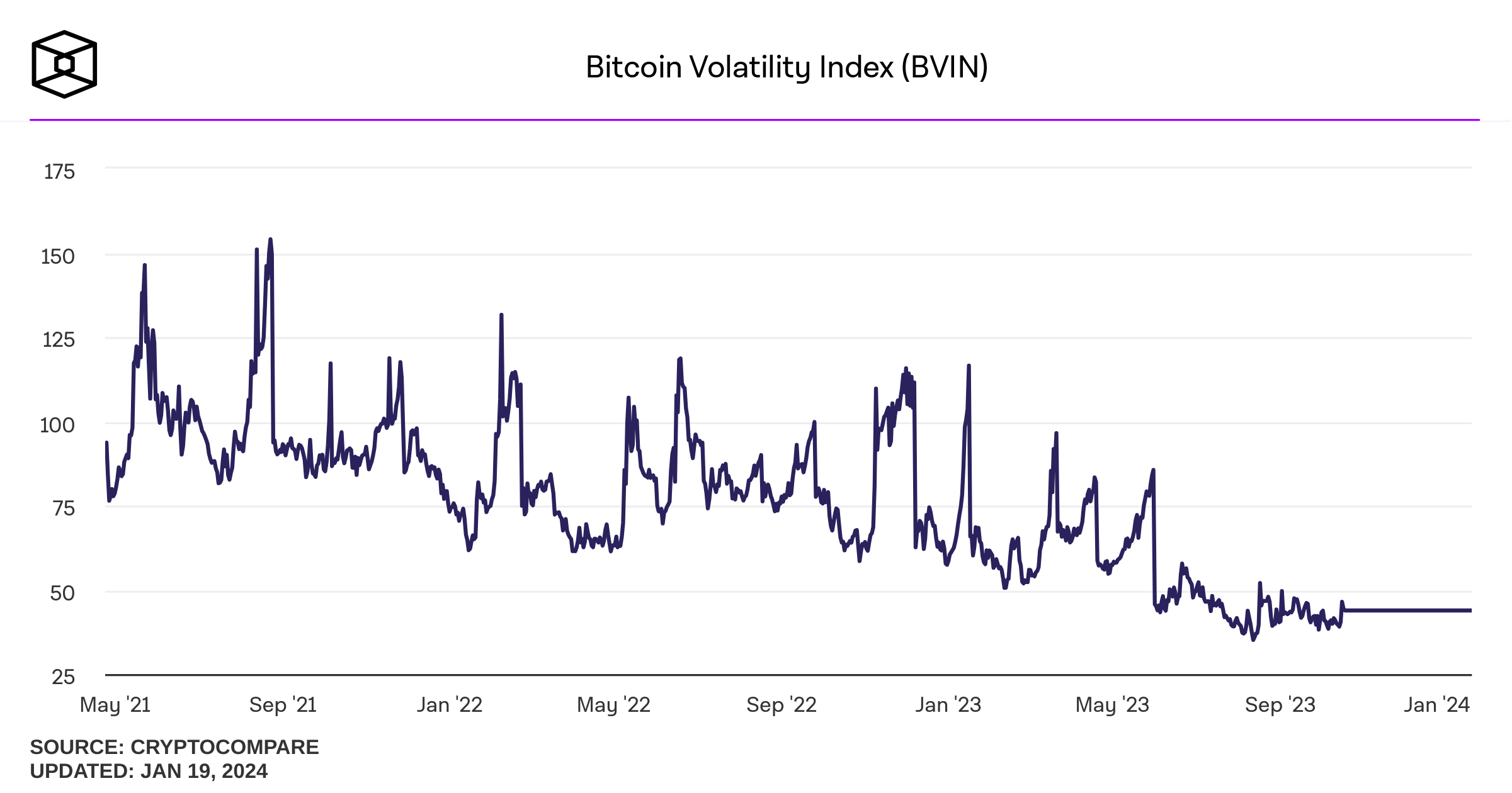

Bitcoin price volatility continues to capture the attention of investors and traders alike, as the cryptocurrency market trends enter a new phase in 2026. Opening the year at an impressive $87,500, Bitcoin stands poised for significant movements, with many analyzing BTC price predictions drawing on technical tools like Bollinger Bands signals and RSI analysis Bitcoin. The market sentiment is mixed, with participants cautiously optimistic about a rebound despite recent downturns. Traders are bracing for conditions similar to those in 2023, where rapid fluctuations characterized the BTC landscape. As we delve into the factors influencing Bitcoin price volatility, understanding these dynamics becomes crucial for those looking to navigate this ever-evolving digital asset market.

The unpredictable nature of Bitcoin’s price presents both challenges and opportunities for crypto enthusiasts and investors. Known for its sharp fluctuations, the Bitcoin market necessitates a keen understanding of trading signals and technical indicators. This discussion about Bitcoin’s price swings introduces a wealth of analysis, including predictions for BTC and insights into the larger cryptocurrency landscape. With tools such as RSI assessments and Bollinger Bands at their disposal, traders are applying strategic measures to gauge potential price shifts. As we explore the intricacies of cryptocurrency trading, recognizing how these elements interplay is vital for anyone aiming to capitalized on Bitcoin’s volatile trajectory.
Understanding Bitcoin Price Volatility
Bitcoin price volatility is a critical aspect that both traders and investors should pay attention to, especially as we enter into 2026. The cryptocurrency market is notorious for its significant price swings, which can be attributed to various factors, including market sentiment, regulatory news, and technological developments. As Bitcoin opened the year at $87,500, market participants are on high alert, anticipating major fluctuations ahead. Tools such as the Relative Strength Index (RSI) and Bollinger Bands signals are instrumental in forecasting these price movements, providing traders with insights into potential buy or sell opportunities.
Recent analyses indicate that current RSI levels combined with the narrowing of Bollinger Bands suggest that a sharp price movement is imminent for Bitcoin. In particular, low weekly RSI measurements and tight Bollinger Band widths have historically preceded significant volatility. Traders like Jelle recognize these indicators as signs of a potential bullish divergence, suggesting a favorable environment for Bitcoin prices to ascend. It’s clear that understanding volatility is not just about accepting the risks; it’s also about capitalizing on market opportunities.
Bitcoin Trading Trends to Watch in 2026
As Bitcoin trading activities evolve, several trends are beginning to emerge as we kick off 2026. One of the most notable trends is the shift from traditional four-year price cycles to a more dynamic trading environment. Analysts and traders are recognizing that factors such as global economic conditions, institutional investments, and technological advancements will play a vital role in determining Bitcoin’s price trajectory this year. The market is heating up, with hopes that a broader cryptocurrency market rebound will ensue as traditional finance (TradFi) markets open.
Moreover, forecasts for BTC price predictions are becoming increasingly optimistic. Influential voices within the cryptocurrency community are projecting significant price levels for Bitcoin, with figures around $150,000 being bandied about. However, the sentiment remains tempered with reminders of the inherent risks involved in cryptocurrency investments. As the year progresses, traders are advised to keep a close eye on both macroeconomic trends and technical indicators that signify potential price movements.
Technical Analysis: RSI and Bollinger Bands Signals
In 2026, traders are leaning heavily on technical analysis strategies to navigate Bitcoin’s price volatility. The Relative Strength Index (RSI) emerges as a pivotal tool for assessing market momentum. Currently, the RSI indicates a potential bullish divergence, sparking optimism among traders for Bitcoin’s upside potential in the upcoming quarter. By analyzing historical patterns, traders hope to anticipate movements that could yield profitable trading opportunities.
Additionally, Bollinger Bands serve as another critical indicator within the technical analysis realm. The recent narrowing of these bands points to a substantial volatility shift on the horizon. Instances where the daily Bollinger Bands have squeezed similarly with low RSI readings have led to dramatic price shifts in the past. Traders are therefore advised to monitor these signals closely, as a breakout from this compressive phase could lead to significant price movements for Bitcoin in 2026.
Market Sentiment and Investor Psychology
Market sentiment plays a crucial role in Bitcoin trading, particularly during periods of anticipated volatility. As the cryptocurrency community reflects on the less-than-ideal performance of Bitcoin in 2025, traders are experiencing a mix of trepidation and hope as we approach a new year. The shift in sentiment indicates that many investors are keen to embrace a fresh start, evidenced by discussions surrounding bull market potential and renewed bullish sentiments stemming from technical analyses.
Investor psychology towards Bitcoin remains pivotal for understanding market trends and price reactions. With experts differing in their BTC price predictions, the psychological impact of these forecasts can influence trading behavior. Emotions such as fear, uncertainty, and enthusiasm often lead to reactive trading, which can exacerbate price volatility. As such, it is essential for traders to navigate their investments with both technical data and an awareness of the prevailing emotional landscape within the market.
The End of the Four-Year Cycle Theory
The four-year price cycle theory has been a cornerstone for Bitcoin traders attempting to predict market behavior. However, as we embark on 2026, many analysts suggest that the cryptocurrency environment has evolved, making this theory obsolete. With recent market dynamics overshadowing historical patterns, participants are urged to reconsider their trading strategies and adapt to the current landscape. The demise of this theory signifies a shift towards a more complex and unpredictable market, prompting traders to employ a diverse array of analytical tools.
With the fading of the four-year cycle, emerging trends and data analytics are becoming increasingly important for forming sound investment strategies. Analysts predict a ‘new era’ for Bitcoin, where the interplay of various market influences may lead to unprecedented price movements. This newly recognized flexibility in price forecasting calls for greater reliance on real-time data and the incorporation of novel methodologies, pushing traders to stay on their toes as they explore new trading paradigms.
Institutional Investment and its Impact on Bitcoin Prices
As institutional interest in cryptocurrencies continues to grow, the effects on Bitcoin prices are becoming increasingly significant. Major players in global finance are beginning to shift their strategies, allocating portions of their portfolios to Bitcoin assets, thus inflating demand and indirectly driving prices upwards. In 2026, as Bitcoin unfolds, it will be pertinent for traders to monitor institutions’ behaviors and their impact on overall market trends, shaping the future landscape of cryptocurrency trading.
With prominent figures within the financial sector making bullish price predictions, the potential for Bitcoin to reach new milestones, such as the anticipated $150,000 mark, becomes viable. Institutional investors are not only changing the liquidity dynamics but also adding a layer of legitimacy to the cryptocurrency markets, which may encourage wider public adoption. As these developments unfold in 2026, traders must remain cognizant of institutional movements and their implications on Bitcoin pricing.
Navigating Investment Risks in Bitcoin
While the excitement surrounding Bitcoin’s potential for price increases in 2026 may compel many to invest, it is crucial to navigate the inherent risks of the cryptocurrency market. Bitcoin has historically been susceptible to sudden price swings, showcasing both rapid gains and devastating losses. Encouraging a culture of informed investing, experts advise prospective traders to thoroughly research market conditions, understand volatility signs, and utilize technical tools like RSI and Bollinger Bands to make educated decisions.
Moreover, acknowledging that investment in Bitcoin carries fluctuating risks is essential for any trader or investor. While optimism is palpable within the community, the unpredictable nature of Bitcoin demands a cautious approach. Understanding factors such as market sentiment and historical performance can equip investors with the knowledge needed to weather potential downturns. Thus, creating a comprehensive investment plan that includes risk management strategies becomes paramount as we navigate this vibrant market.
Future Predictions for Bitcoin in 2026
As we delve further into 2026, the landscape for Bitcoin promises both challenges and opportunities. With forecasts suggesting potential major upswings driven by market trends and increased institutional adoption, optimistic predictions have become the norm. Experts predict Bitcoin could break previous all-time highs, with targets ranging from $90,000 to $150,000. Such bullish forecasts illuminate the potential for significant returns, but they also come with warnings about volatility that traders must heed.
Understanding future predictions requires an appreciation of the myriad factors that influence Bitcoin’s pricing landscape, including global economic indicators and shifts in regulatory frameworks. Additionally, as historical patterns may or may not hold true, keeping an open mind about potential outcomes and adverse market conditions is essential. The forecast for Bitcoin in 2026 necessitates a balanced perspective, encapsulating both the enthusiasm for price growth and the caution advised against unpredictable market risks.
The Role of Technical Indicators in Bitcoin Trading
Technical indicators like the RSI and Bollinger Bands play a vital role in Bitcoin trading strategies, providing insight into market trends and price movement potential. The RSI is particularly useful in highlighting potential buy and sell opportunities based on overbought or oversold conditions in the market. As traders analyze these signals, they can better position themselves to anticipate price changes, particularly in a volatile environment where swift decisions are required.
Bollinger Bands offer additional layers of analysis, visually representing price volatility and potential breakout scenarios. A narrowing of the bands, as observed recently, is often a precursor to significant market moves. In 2026, traders are urged to apply these technical indicators effectively, utilizing them to navigate Bitcoin’s unpredictable waters. Awareness of these tools can empower traders to remain agile and informed, thus optimizing their chances for success in the cryptocurrency market.
Frequently Asked Questions
What causes Bitcoin price volatility in 2026?
Bitcoin price volatility in 2026 can be attributed to a variety of factors including market speculation, macroeconomic trends, and fluctuations in investor sentiment. As traders analyze indicators like Bollinger Bands signals and RSI analysis for Bitcoin, these technical signals may hint at sharp price movements, contributing to the overall volatility in the cryptocurrency market.
How do Bollinger Bands signals predict Bitcoin price volatility?
Bollinger Bands signals are crucial for predicting Bitcoin price volatility. When the bands narrow, as observed recently, it indicates a decrease in price volatility, often preceding a significant price movement. Traders utilize these signals to prepare for potential rapid changes in Bitcoin’s price, especially in the context of upcoming trading sessions in 2026.
What is the significance of RSI analysis for Bitcoin price predictions?
RSI analysis, or Relative Strength Index analysis, plays a significant role in Bitcoin price predictions. In the current market, a low RSI suggests potential oversold conditions, indicating that Bitcoin may soon experience a rebound. Traders use this momentum indicator to gauge when Bitcoin price volatility could shift, allowing for timely investment decisions.
How do cryptocurrency market trends affect Bitcoin price volatility?
Cryptocurrency market trends have a profound impact on Bitcoin price volatility. In 2026, general market sentiment, regulatory news, and macroeconomic factors can lead to rapid price changes. Investors closely monitor these trends to predict BTC price fluctuations, making it essential to understand the broader context when navigating Bitcoin’s volatility.
What are the predictions for Bitcoin price volatility in 2026 based on current analysis?
Current analysis indicates that significant Bitcoin price volatility is likely in 2026, with predictions of major price movements. Analysts reference Bollinger Bands and RSI as tools indicating potential breakouts or corrections, forecasting BTC to reach new highs or fluctuate significantly based on market dynamics and investor behavior.
Why should traders consider Bitcoin price volatility when investing in 2026?
Traders should consider Bitcoin price volatility because it directly influences potential profits and risks. Understanding market indicators, such as RSI and Bollinger Bands, allows investors to make informed decisions and anticipate price swings. This knowledge is crucial in developing trading strategies that can capitalize on Bitcoin’s inherent volatility.
| Key Point | Details |
|---|---|
| Bitcoin Opening Price | $87,500 at the start of 2026 trading |
| Market Signals | RSI and Bollinger Bands indicate major price volatility is imminent |
| Market Cycle Perspectives | Analysts are moving away from the four-year price cycle theory |
| Price Volatility Expectations | Traders are preparing for BTC price fluctuations similar to those seen in 2023 |
| Trader Analysis | Trader Jelle notes a bullish divergence on RSI, suggesting positive price movement |
| Historical Context | Data shows low RSI and narrow Bollinger Bands resembling January 2023 conditions |
| 2025 Performance Summary | Bitcoin closed 2025 with a declining trend, finishing the year on a ‘red’ note |
| Future Predictions | Some forecasts suggest Bitcoin could reach $150,000 or $90,000 in 2026 due to rising interest |
| Investment Disclaimer | The article emphasizes that it does not provide investment advice and urges personal research |
Summary
Bitcoin price volatility is a pressing topic as we enter 2026, with significant price movements anticipated following a calm start to the year. Analysts indicate that signals from the RSI and Bollinger Bands point towards increased volatility, deviating from past four-year cycle theories. Despite a disappointing finish to 2025, expectations for a rebound are bolstered by bullish forecasts suggesting remarkable price targets. However, the accompanying reminders about the risks of investment decisions highlight the necessity for personal research among investors.