

Bitcoin Price Outlook: What’s Next After Red October? – Decrypt
October 2023 will be remembered as a tumultuous month in the history of Bitcoin, seeing a dramatic downturn that startled investors and shook the crypto industry at large. Dubbed ‘Red October’ by market commentators, the month witnessed Bitcoin tumble to unexpected lows. As investors and analysts look ahead, the burning question persists: What’s next for Bitcoin?

1. Analyzing the Factors Behind the Crash
October saw Bitcoin’s price plummet by more than 30%, marking one of the most significant monthly declines in recent years. Several factors contributed to this sharp decrease, including global economic pressures such as rising interest rates in the United States and Europe, which strengthened fiat currencies like the USD, making digital assets less attractive. Additionally, regulatory actions in major markets added layers of uncertainty; rumors of stringent policies against cryptocurrencies in Asia significantly dampened investor sentiment.
2. Technical Indicators and Market Sentiments
From a technical standpoint, Bitcoin broke several key support levels during October, reinforcing bearish sentiments among traders. The break below the psychological threshold of $20,000 led to cascading sell-offs. However, as the price seems to be stabilizing, technical analysts are closely watching resistance and support levels to predict future movements. Key metrics such as the Moving Average Convergence Divergence (MACD) and the Relative Strength Index (RSI) indicate that Bitcoin might be entering an oversold territory, suggesting a potential reversal or stabilization in the near term.
3. Institutional Behaviors and the Broader Adoption Curve
Interestingly, despite the downturn, institutional interest in Bitcoin hasn’t waned significantly. Major financial players and corporations continue to integrate blockchain technology and explore Bitcoin investments. This sustained institutional interest could provide a buffer against more substantial drops and support a recovery. Moreover, broader adoption narratives, like the incorporation of Bitcoin as a legal tender in some countries and its role in enhancing financial inclusion, continue to underpin the fundamental value proposition of Bitcoin.
4. Macro-Economic Outlook and Future Scenarios
Looking forward, the macroeconomic scenario will be a critical determinant of Bitcoin’s trajectory. The outcome of upcoming policy decisions by central banks, particularly the U.S. Federal Reserve, will influence market dynamics significantly. If inflation concerns continue to necessitate high-interest rates, risk assets like Bitcoin could face additional headwinds. Conversely, a shift towards more accommodative monetary policies could reignite interest in cryptocurrencies as alternative investments.
5. The Role of Innovation and Scalability Solutions
On the innovation front, enhancements in blockchain technology, such as the adoption of the Lightning Network which facilitates faster transactions, and the introduction of more scalable solutions, may bolster Bitcoin’s use case as both a value store and a medium of exchange. These improvements are crucial for handling the increased load from broader adoption and could drive a more sustainable growth trajectory.
Conclusion
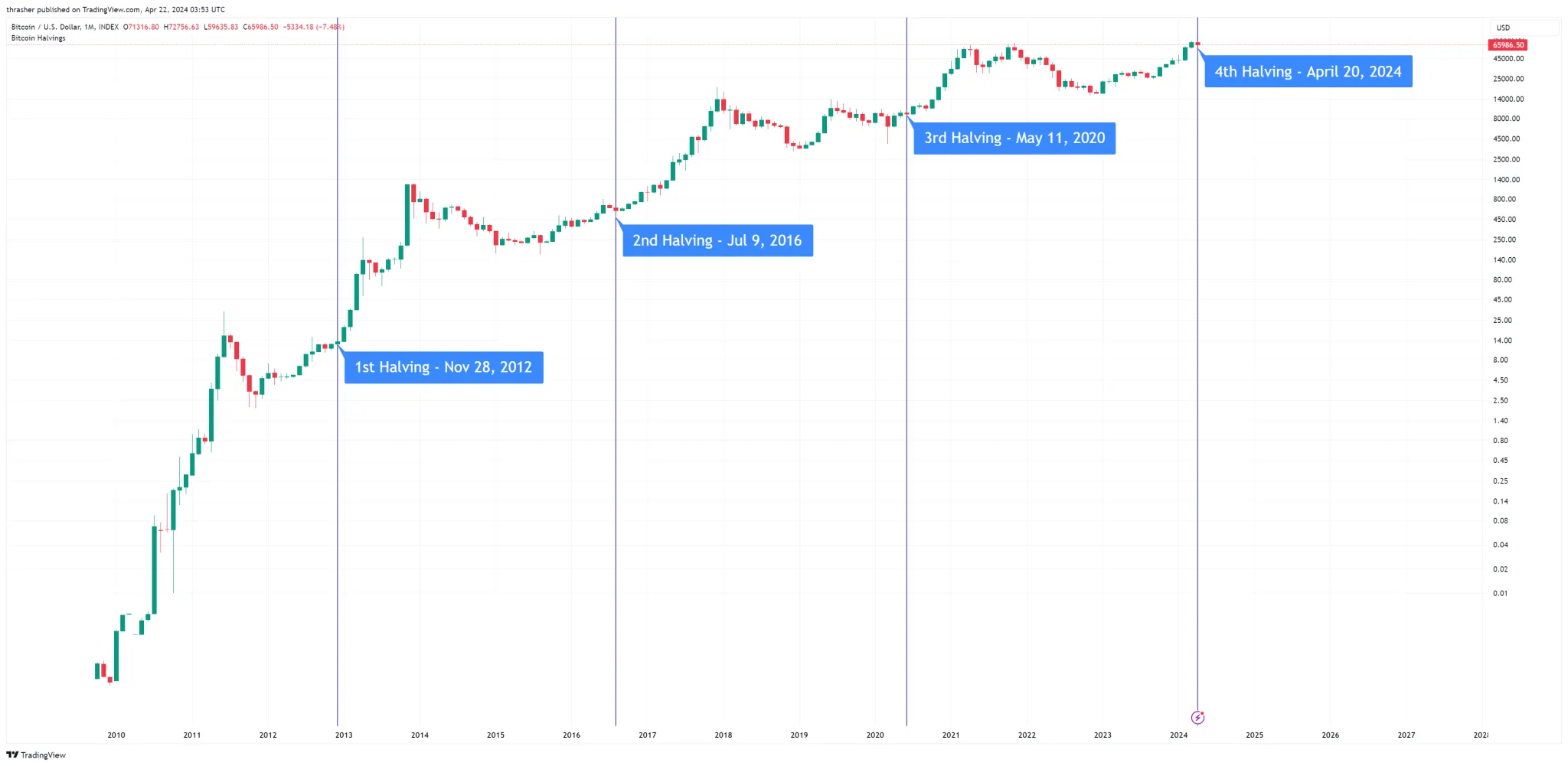
While the ‘Red October’ has been a period of significant stress for Bitcoin investors, the outlook is not devoid of hope. The cryptocurrency has rebounded from similar lows in the past, often emerging stronger. As the market digests the changes and adapts, potential investors should watch for stabilization cues and stay informed about global economic shifts. Bitcoin’s journey is far from over, and its resilience is yet to be tested in the crucibles of future financial landscapes.