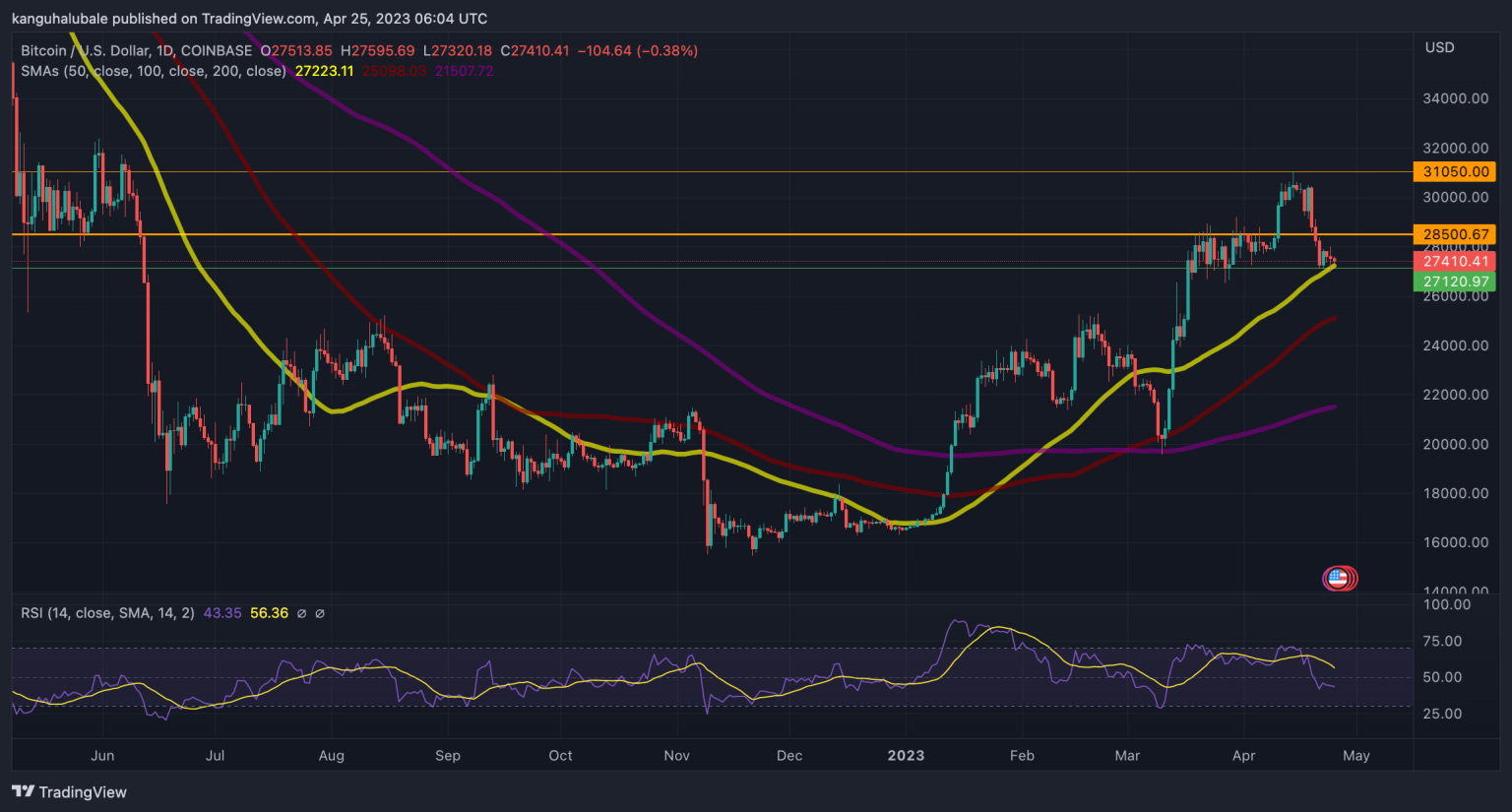

The recent Bitcoin price drop has left investors feeling anxious as BTC now trades at 86,956.9 USDT, marking a notable decline of 2.75% over the last 24 hours. This sudden dip has sparked widespread discussions within the Bitcoin market analysis community, as enthusiasts scramble to comprehend the underlying factors driving these fluctuations. Traders are eagerly awaiting the latest BTC price updates to navigate the ever-changing landscape of cryptocurrency trends. For those considering investing in Bitcoin, it’s crucial to stay informed about the latest Bitcoin news today to make strategic decisions. As the market continues to evolve, understanding these dynamics can help mitigate risks associated with this digital asset.
In the world of digital currencies, the recent downturn in Bitcoin’s value has captured the attention of market watchers and investors alike. With the cryptocurrency experiencing significant exchanges, many are questioning the stability and future prospects of this popular asset. As BTC falls below the pivotal mark of 87,000 USDT, discussions regarding signs of a bearish market are becoming increasingly common. For anyone involved in purchasing Bitcoin or simply monitoring the cryptocurrency landscape, it’s essential to keep up with current developments and price trends. This period of volatility may present both challenges and opportunities for those engaged in the crypto economy.
| Key Point | Details |
|---|---|
| Current BTC Price | 86,956.9 USDT |
| Previous Price Level | Above 87,000 USDT |
| 24-Hour Decline | 2.75% |
Summary
The recent Bitcoin price drop has seen BTC fall below 87,000 USDT, currently valued at 86,956.9 USDT. This represents a notable decline of 2.75% over the past 24 hours, indicating a downward trend in the market. Investors should remain vigilant as such fluctuations may impact trading strategies. The drop reflects broader market dynamics, and stakeholders may analyze these movements for potential buying or selling opportunities.
Understanding Bitcoin Price Drop and Its Implications
Recently, Bitcoin price drop has become a significant focal point for investors and analysts alike. The cryptocurrency has slipped below the 87,000 USDT mark, currently trading at 86,956.9 USDT, reflecting a 24-hour decline of 2.75%. Such fluctuations are not uncommon in the volatile crypto market, particularly for a leading asset like Bitcoin. Investors are advised to stay updated with real-time BTC price updates to make informed decisions regarding their portfolios.
This recent downturn invites discussions around cryptocurrency trends and market sentiments. Analysts are scrutinizing the underlying factors contributing to this drop, with some attributing it to market corrections and others suggesting macroeconomic influences. Understanding these dynamics is crucial for those investing in Bitcoin or considering entry into the market. Staying informed will help individuals navigate potential risks and capitalize on future opportunities in the Bitcoin landscape.
Current BTC Price Update and Market Trends
The latest BTC price update reveals a downward trend that has raised eyebrows among traders and enthusiasts. As it stands, Bitcoin’s price at 86,956.9 USDT showcases a noteworthy shift, encouraging many to reevaluate their strategies related to investing in Bitcoin. With the cryptocurrency market witnessing constant fluctuations, these price changes prompt investors to analyze broader trends in the Bitcoin market, aiding in making predictive assessments for future movements.
Cryptocurrency trends reveal a more comprehensive picture of market behavior in light of these recent developments. As Bitcoin continues to navigate through price corrections, it’s important for stakeholders to analyze the broader implications for the market’s future trajectory. By studying past data and current market conditions, investors can better understand how external factors, such as regulatory changes or market sentiment, may influence Bitcoin’s price in the near term.
Key Factors Influencing Bitcoin’s Fluctuating Prices
Several factors play a pivotal role in influencing the fluctuating prices of Bitcoin, and understanding these can be beneficial for any cryptocurrency investor. Economists and market analysts frequently point to demand and supply dynamics as major contributors to price shifts. In recent days, the Bitcoin price drop below the 87,000 USDT level indicates a potential shift in investor sentiment, influenced by various market indicators and external factors.
Moreover, investor behavior in the cryptocurrency markets tends to follow news cycles tightly. For instance, recent Bitcoin news today might significantly impact trading strategies adopted by long-term holders versus speculative investors. Keeping abreast of developments can provide insights into potential buying or selling opportunities, accurately reflecting how reactions to news can spur shifts in Bitcoin pricing.
The Role of Market Sentiment in Bitcoin’s Price Changes
Market sentiment is an essential determinant of Bitcoin’s price. Understanding the collective psychology of traders can provide a clearer outlook on potential price movements. When the sentiment indicates fear or uncertainty, as seen with the recent decline in Bitcoin to below the 87,000 USDT mark, selling pressure often escalates. This cycle of fear and selling can lead to further price drops, fueling a continuous feedback loop that can have widespread impacts on the Bitcoin market.
Conversely, positive sentiment after favorable news or market trends can lead to price surges that reflect the bullish nature of the market. For those investing in Bitcoin, it is crucial to gauge market sentiment regularly through social media, news outlets, and analytical tools to align investment strategies with prevailing trends.
Investing and Trading Strategies in a Volatile Bitcoin Market
In a market as volatile as Bitcoin, having a robust investing and trading strategy is essential. With recent BTC price updates signaling a drop, traders might consider employing risk management techniques while capitalizing on price fluctuations to optimize their investment returns. Diversifying into other cryptocurrencies or asset classes can also mitigate risks associated with unexpected downturns in Bitcoin’s value.
Technical indicators, such as moving averages and RSI, are important tools used by traders to analyze Bitcoin’s historical price data and predict future movements. By leveraging these indicators in conjunction with real-time market news and sentiment analysis, investors can develop a well-rounded strategy that not only aims at profit but also incorporates a level of protection against market volatility.
The Impact of External Events on Bitcoin Prices
External events significantly shape the cryptocurrency climate, directly impacting Bitcoin’s pricing and market dynamics. Reactions to global economic changes, regulatory announcements, and technological developments play crucial roles in adjusting Bitcoin prices. The decline witnessed lately, taking Bitcoin below 87,000 USDT reflects investors’ reactions to certain external economic pressures, reinforcing the need for vigilance in monitoring global events.
Moreover, emerging regulations around cryptocurrency markets often generate waves of uncertainty, prompting immediate market reactions. For instance, announcements regarding stricter regulations on crypto exchanges can lead to panic selling, further causing significant price drops. Staying updated on Bitcoin news today helps investors anticipate potential risks and adapt their strategies proactively.
Long-Term Predictions for Bitcoin Following Recent Declines
Following recent declines in Bitcoin prices, long-term predictions can vary widely among experts and analysts in the cryptocurrency market. Many industry watchers suggest that despite short-term fluctuations, Bitcoin has historically displayed resilience and a tendency towards recovery over extended periods. This is crucial in evaluating potential entry points for investors looking to capitalize on long-term growth.
However, predictions must also consider market trends and sentiment reflected during downturns. Factors such as technological advancements, integration of Bitcoin into traditional finance, and evolving regulatory landscapes will continue to contribute to shaping Bitcoin’s long-term prognosis. Keeping an eye on these emerging trends will offer deeper insights into the future of investing in Bitcoin.
Navigating Risks in Cryptocurrency Investment
Investing in Bitcoin carries inherent risks, especially with current market fluctuations leading to price drops like the recent decline under 87,000 USDT. Investors should prioritize risk assessment in their trading strategies to safeguard against potential losses. Utilizing stop-loss orders and diversifying across multiple cryptocurrencies can enhance security within volatile markets.
Moreover, education plays a pivotal role in navigating risks associated with cryptocurrency investment. Understanding market trends, price movements, and having a strategy can mean the difference between substantial losses and gains. By continuously educating themselves on investing in Bitcoin and other cryptocurrencies, investors can enhance their competency in making wise decisions when market conditions change.
Analyzing Bitcoin’s Market Performance Over Time
Analyzing Bitcoin’s market performance over time reveals significant patterns and trends that can inform future investment strategies. Despite recent declines, the historical data illustrates periods of sharp increases following downturns, suggesting potential for recovery. Investors often benefit from adopting a long-term perspective, paying attention to price movements in correlation with market developments and macroeconomic factors.
Moreover, tracking Bitcoin’s market performance aids in understanding its volatility compared to traditional assets. Regularly updated BTC price information allows investors to contextualize Bitcoin’s behavior amid broader market movements. Utilizing analytical tools can ensure that stakeholders remain informed about investing in Bitcoin, helping to navigate shifts in market conditions with confidence.
Frequently Asked Questions
What factors contributed to the recent Bitcoin price drop?
The recent Bitcoin price drop can be attributed to a mix of market sentiments, global economic factors, and investor behavior. Analysts suggest that the BTC price update reflects ongoing volatility in the cryptocurrency trends arena, influenced by regulatory news and market dynamics.
How does the Bitcoin price drop affect investing in Bitcoin?
The recent Bitcoin price drop to 86,956.9 USDT might create buying opportunities for investors. Understanding the BTC price update is crucial for making informed decisions, as dips can sometimes precede upward trends in cryptocurrency investments.
Is the current Bitcoin price drop an indication of a longer trend?
While the current Bitcoin price drop is concerning, it is essential to conduct a thorough Bitcoin market analysis. Historical data shows that price fluctuations are common; thus, this drop might be temporary and could present future buying opportunities.
What is the impact of news on Bitcoin price drop?
Bitcoin news today plays a significant role in influencing the market. Recent reports may have impacted the BTC price update, leading to the current drop. Traders should monitor news cycles closely, as updates can shift market dynamics rapidly.
Should I sell my Bitcoin after this price drop?
Deciding whether to sell or hold Bitcoin after a price drop rests on individual investment strategies. A panic sell could be detrimental; instead, consider the broader implications of cryptocurrency trends and analyze the recent BTC price update carefully before making any decisions.
Related: More from Bitcoin News | AI, BTC Miners Issue High | Bitcoin Above $69K? Glassnode Weighs In