


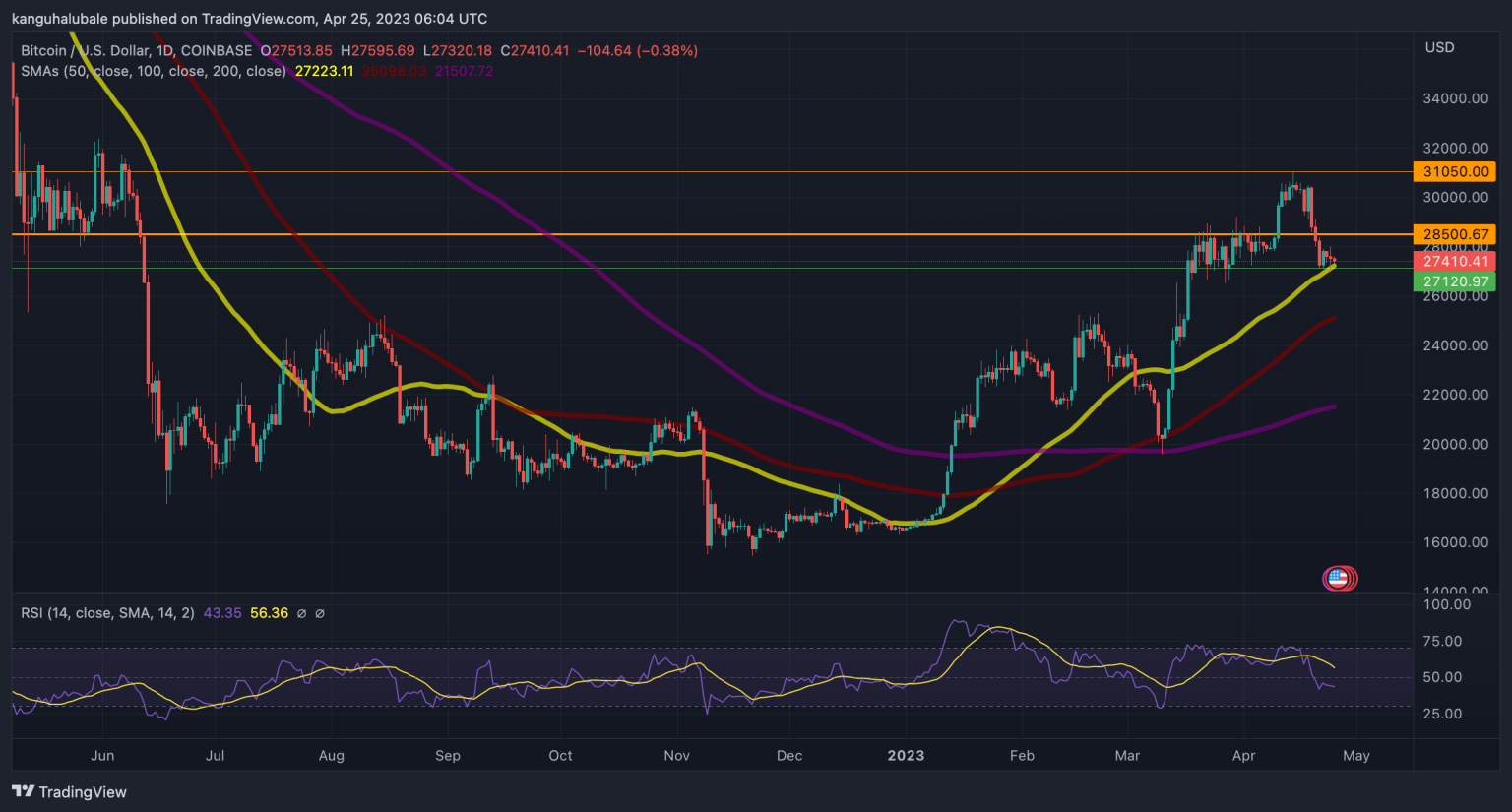

As the cryptocurrency market continues to face turbulent conditions, the recent Bitcoin price drop below $90,000 has caught the attention of investors and analysts alike. This significant decline has been fueled by a surge in selling from long-term holders and substantial deposits from Bitcoin whales into exchanges, leading to increased volatility. Amidst the buzz of cryptocurrency news, experts are closely monitoring key indicators, including Bitcoin support levels that may dictate future trends. Predicted corrections suggest that if the price dips further, it could test crucial support zones around $84,000 to $86,000, which hold significant importance for maintaining bullish sentiments. As we look towards Bitcoin prediction for 2024, discerning the movements of large market players will be essential in navigating this unpredictable terrain.

In the ever-evolving landscape of digital currencies, the recent decline in Bitcoin’s value has raised eyebrows among market watchers. This downturn, characterized by notable drops below the $90,000 threshold, has been driven by strategic moves from substantial Bitcoin investors who have increased their activity on exchanges. Such fluctuations highlight the intricate dynamics of the cryptocurrency ecosystem, where doorways to profitability can quickly turn to losses. As analysts evaluate the possibility of a bearish trend, they attention to essential support levels that could offer relief, particularly if prices approach the $84,000 range. Observers are keenly awaiting forthcoming developments, including Bitcoin market analysis and sentiment shifts, that could shape the future of this leading electric currency.
| Key Point | Details |
|---|---|
| Bitcoin Price Movement | Bitcoin dipped below $90,000, pressured by long-term holders selling BTC and large whale deposits. |
| Whale Deposits | Over $400 million in Bitcoin was deposited to exchanges by whales, leading to increased selling. |
| Profit-Taking by Long-Term Holders | Long-term holders have sold 68,650 BTC daily since January 17, locking in profits. |
| Support Levels | Analysts identify the $84,000-$86,000 range as potential support to stabilize prices. |
| Distribution Phase Concerns | Net positions of long-term holders have turned negative, indicating profit-locking behavior. |
| Historical Context | Bitcoin was valued around $97,000 earlier this month, facing downward pressure since. |
| Next Potential Support | Adjacent to the $87,300 level, significant psychological points include $84,000 and $80,500. |
| Critical Level | Maintaining above $90,000 is crucial for bullish sentiment, or risks entering a downward trend. |
| Market Outlook | Bitcoin may hover around support zones before potential recovery or deeper corrections occur. |
Summary
The recent Bitcoin price drop has raised significant concerns among investors and analysts. As Bitcoin tumbled below $90,000, exacerbated by major whale sell-offs and long-term holders locking in profits, the market sentiment is shifting towards caution. The pressing issue now is whether Bitcoin can maintain its support levels, particularly around $84,000 and $87,300, which are seen as critical for future price stabilization. If the bearish momentum continues, there could be further declines in the price of Bitcoin, challenging the established support and potentially leading to a deeper market correction.
Understanding the Recent Bitcoin Price Drop
Bitcoin’s recent price drop below $90,000 has raised eyebrows within the cryptocurrency community, primarily driven by the significant activity among long-term holders and Bitcoin whales. The increased selling pressure from these long-term holders, particularly evident after January 17, has seen them offloading an average of 68,650 BTC per day, indicating a strong desire to lock in profits. With many investors choosing to sell during price rallies, this trend suggests a potential shift in market sentiment and strategy, which could destabilize Bitcoin’s growth trajectory.
Furthermore, the larger holders, or whales, deposited over $400 million worth of Bitcoin into exchanges in a short timeframe. Such moves are often interpreted as preparations to sell, thereby increasing liquidity but also heightening the risk of further price declines. The surge in liquidity can be a double-edged sword; while it may indicate confidence among institutional investors, it also leads to increased sell-side pressure, creating uncertainty around Bitcoin’s ability to maintain current price levels.
The Role of Bitcoin Whales in Market Dynamics
Bitcoin whales, or large holders of the cryptocurrency, hold significant influence over market dynamics. Their trading actions can trigger substantial price movements. Recently, the spike in whale deposits has been correlated with the heightened volatility in Bitcoin’s price, particularly evident as the cryptocurrency dipped below the $90,000 threshold. Analysts observe that when whales deposit massive amounts of Bitcoin into exchanges, they often signal intentions for profit-taking, which can further dampen market sentiment.
Additionally, as whales increase their on-exchange balances, it may provoke a reaction from smaller investors, leading to a cascade of selling. This behavior is showcased in the current market as profits from long-term holders are being realized. The prevailing strategy among these large investors contributes considerably to Bitcoin’s price fluctuations, and understanding their movements becomes vital for predicting potential future price actions and gauging market health.
Bitcoin Support Levels to Watch
In times of price volatility, identifying key support levels becomes crucial for traders and investors looking to navigate the Bitcoin market. Analysts currently focus on the $84,000 to $86,000 range as a critical support zone that may provide price stabilization against potential further declines. Should Bitcoin dip further, the $87,300 level is seen as the next crucial price point that could hold up against the selling pressure.
An important aspect of support levels is their psychological impact on market participants. Traders often set buy orders around these levels, anticipating a bounce back. Therefore, if Bitcoin can maintain its position around the $84,000 support, there could be a greater chance of recovery. However, if it breaks below these levels, it may signal deeper corrections, urging investors to reassess their strategies for the forthcoming weeks.
Analyzing Bitcoin Market Sentiment
Market sentiment significantly influences Bitcoin’s price trajectory. The prevailing mood among traders and investors can often be gauged through various indicators, including trading volume and overall market movements as seen with the recent Bitcoin price drop. With the influence of long-term holders shifting towards profit-taking, the available liquidity and overall investor confidence appear to be waning, marking a cautious trading environment.
Moreover, the sentiment surrounding Bitcoin is largely shaped by external factors such as news cycles in the cryptocurrency landscape, ongoing economic conditions, and technological advancements within the blockchain sector. As Bitcoin struggles to regain momentum, market participants are advised to keep a close watch on developing news, as updates regarding regulatory changes or technological upgrades can significantly alter market sentiment and lead to rapid price fluctuations.
Bitcoin Predictions for 2024
As we look ahead to 2024, Bitcoin predictions are varying, with some analysts remaining positive despite the current price pressures. The expectation is that Bitcoin will eventually break through its resistances and reclaim higher price levels, contingent on a stable market structure and intra-level support retention. The current price fluctuations may, in fact, be a part of a larger consolidation phase before a more significant bull run, analyzing past historical trends in Bitcoin price movements.
However, the predictions for Bitcoin remain tempered by the influence of external economic factors and the decision-making of whales, which could drastically impact the trajectory over the coming months. Investors should hedge their expectations and prepare for volatility as the market evolves, particularly if selling pressure continues and critical support levels fail to hold.
Frequently Asked Questions
What factors contributed to the recent Bitcoin price drop?
The recent Bitcoin price drop below $90,000 can be attributed to increased selling pressure from long-term holders and significant deposits from Bitcoin whales into exchanges. With over $400 million worth of BTC deposited by large holders, market sentiment turned bearish, raising concerns about potential further declines.
How are Bitcoin whales impacting the price drop?
Bitcoin whales are impacting the price drop by depositing substantial amounts of Bitcoin into exchanges, signaling an intent to sell. The recent spike in whale activity, with deposits exceeding $500 million, has added significant liquidity to the market, contributing to the overall downward pressure on Bitcoin prices.
What are the predicted support levels for Bitcoin following this price drop?
Analysts have identified the $84,000 to $86,000 range as a potential support zone following the Bitcoin price drop. If Bitcoin fails to hold these levels, further declines could occur, with critical psychological support at $84,000 and $80,500 being closely monitored.
Is it possible for Bitcoin to recover from its recent price drop?
While Bitcoin is currently facing challenges in regaining upward momentum after its price drop, market analysts suggest that it could stabilize within the support zones mentioned. A recovery could be feasible if Bitcoin holds above key support levels, but further corrections are also possible if selling pressure from whales continues.
What is the market sentiment regarding Bitcoin’s future predictions for 2024?
Market sentiment is cautious following the recent Bitcoin price drop, with many analysts providing mixed predictions for 2024. If the current downward trend persists, Bitcoin may experience significant challenges, but potential recovery is still on the table if key support levels are maintained and market conditions improve.
How does the Bitcoin price drop compare to previous market corrections?
The current Bitcoin price drop below $90,000 is reminiscent of previous market corrections, where significant selling by long-term holders and whale activity led to downward trends. Historical patterns suggest that recovery can often follow these corrections, but the severity and duration depend on market sentiment and external factors.
Related: More from Bitcoin News | AI, BTC Miners Issue High | Bitcoin Above $69K? Glassnode Weighs In