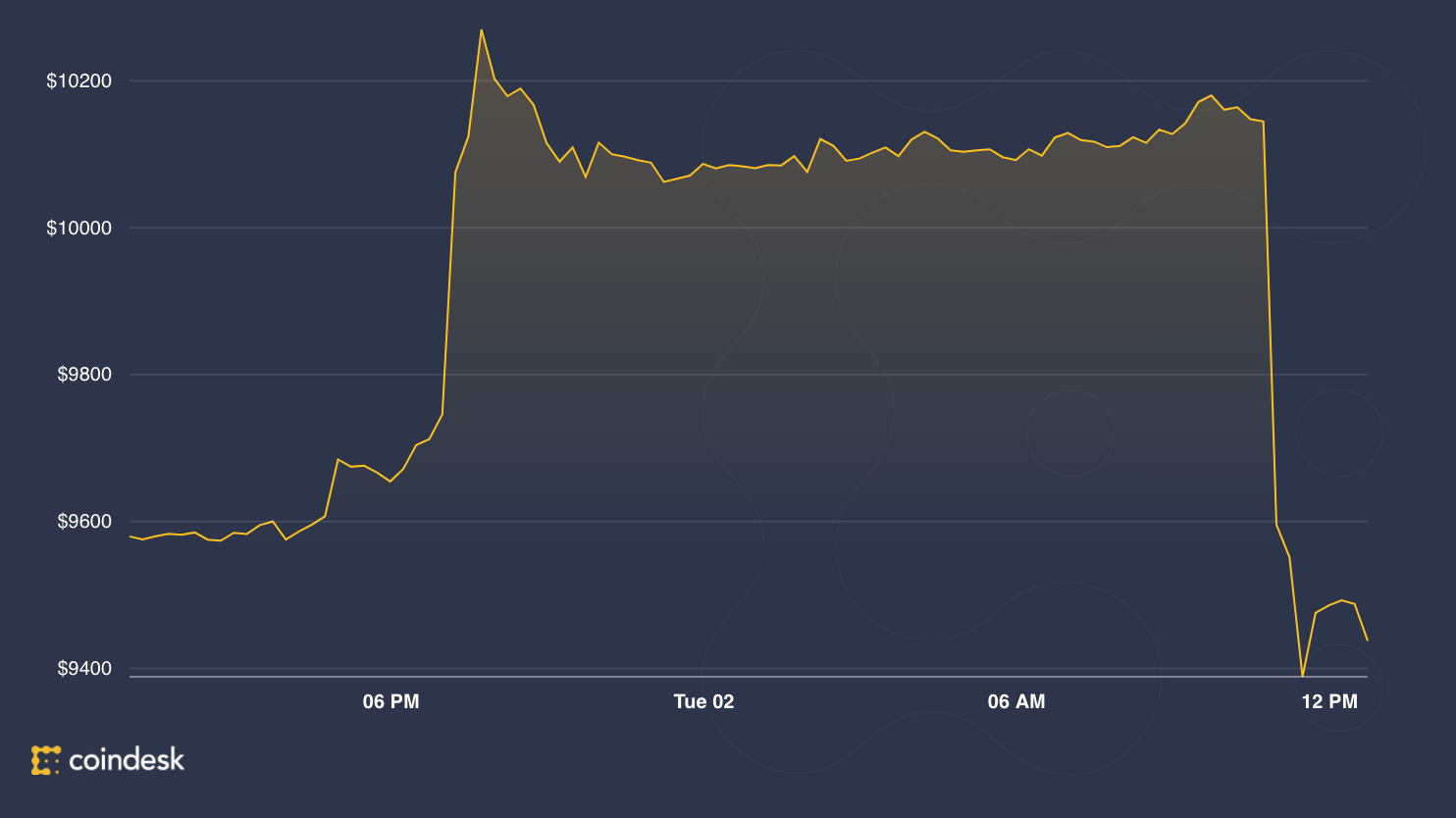

The recent Bitcoin price drop has captured the attention of investors worldwide, as the cryptocurrency plunged below $90,000 after a brief surge over the weekend. Contributing factors include rising crude oil prices and a notable decline in gold values, creating an environment that threatens to tighten financial conditions across markets. As traders analyze cryptocurrency trends, the interplay between oil prices and precious metals becomes evident, highlighting Bitcoin’s vulnerability amidst fluctuating energy markets. Current Bitcoin market analysis indicates that this volatility could lead to significant implications for Bitcoin, with potential ripples affecting broader investment strategies. Investors should remain vigilant as these emerging financial conditions and asset correlations could influence their positioning in the cryptocurrency space.
In the wake of recent market shifts, the notable decline in Bitcoin value has sparked interest and concern among traders and economists alike. With an unexpected downturn seen in the cryptocurrency environment, analysts are examining the broader implications of energy market fluctuations, particularly the rise in oil prices and the concurrent drop in gold value. Such financial upheaval raises questions about the stability of digital currencies and their intersection with traditional commodities. As pressure mounts from changing financial conditions, stakeholders are keenly observing how these factors will reshape investor sentiment towards Bitcoin and the cryptocurrency sector as a whole. Understanding these dynamics can provide critical insights into future market movements and investment opportunities.
The Recent Bitcoin Price Drop: An Analysis
Bitcoin’s recent decline below the $90,000 mark has raised significant concerns among investors in the cryptocurrency market. Following a temporary surge above this psychological threshold, Bitcoin was trading around $86,800, revealing a volatile trend that reflects broader economic pressures. The combination of rising crude oil prices and falling gold rates has created a complicated landscape for investors, tightening financial conditions and enforcing a decision-making dilemma for many. Bitcoin’s price movements are crucial for understanding the shifting dynamics in the cryptocurrency markets, and this drop signals a potential shift that investors need to watch closely.
The relationship between Bitcoin and other key financial indicators is pivotal in equating its recent price drop with evolving market conditions. The rising crude oil prices have sparked inflationary concerns, compounding the bearish sentiment as investors exit riskier assets. This tumultuous environment is further heightened by geopolitical uncertainties impacting oil supplies, which in turn affects inflation expectations across asset classes. Consequently, as Bitcoin faces a notable price drop, cryptocurrency investors should analyze interconnected market trends to navigate through this upcoming volatility.
Understanding Cryptocurrency Trends Amid Financial Tightening
As Bitcoin struggles to maintain its position above $90,000, it reflects a broader downturn in cryptocurrency trends driven by tightening financial conditions. Interest rate adjustments and inflationary pressures are crucial for analyzing how Bitcoin, alongside other cryptocurrencies, reacts to external financial stimuli. Coupled with increasing volatility in traditional markets, Bitcoin’s performance is a critical indicator of investor sentiment toward risk throughout the evolving economic landscape.
These prevailing trends indicate a need for investors to adapt their strategies. With tightening financial conditions and negative market sentiment, understanding Bitcoin’s correlation with traditional hard assets such as gold is vital. This dynamic interplay influences investor behavior, which can lead to significant shifts in trading volumes and market liquidity. As commodity prices fluctuate, the need for careful market analysis becomes paramount for any serious cryptocurrency investor.
The Impact of Rising Oil Prices on Bitcoin
The fluctuations in oil prices have a profound impact on Bitcoin and cryptocurrency markets. As crude oil prices see a substantial rise, inflation expectations often follow, which can deter investment in non-yielding assets like Bitcoin. This correlation is essential for investors as they navigate through periods of financial tightening, leading to price rejections that Bitcoin has recently experienced. Each uptick in oil prices infuses more caution into the market, making Bitcoin’s allure as a digital asset less appealing during uncertain economic periods.
Additionally, the geopolitical factors driving oil prices can influence Bitcoin’s trajectory significantly. A rapid rise in crude can cause market participants to seek stability, often leading them to liquidate assets and step back from speculative investments like cryptocurrencies. Such behavior creates pressure on Bitcoin prices, causing detractors to question its resilience in a tightening financial climate. Understanding the direct consequences of oil price movements becomes critical for investors monitoring Bitcoin’s viability in an uncertain market.
Gold Price Decline: Correlation with Bitcoin
The recent decline in gold prices serves as an important indicator for Bitcoin investors. Traditionally viewed as a safe haven, gold’s retreat can significantly diminish the demand for Bitcoin, particularly among investors seeking assets with intrinsic value. This inverse relationship underscores the challenges Bitcoin faces in establishing itself as a mainstream alternative for value preservation in times of economic stress. As gold prices decrease, Bitcoin’s appeal may also diminish, prompting speculators to reevaluate their investment strategies.
Moreover, the selling pressure in gold markets can lead to adverse effects in Bitcoin’s pricing dynamics. With many traders moving away from commodities due to profit-taking, this can create a ripple effect, leading to Bitcoin experiencing similar behaviors. The correlation suggests that a falling gold price may incite shorts or profit-taking in Bitcoin, further exacerbating its price drop. Maintaining awareness of these correlations is vital for cryptocurrency investors looking to mitigate risks and adjust their market positioning.
Tightening Financial Conditions: A Challenge for Cryptocurrencies
As financial conditions continue to tighten, cryptocurrencies are becoming a focal point of discussion regarding their long-term viability. Bitcoin’s recent price drop can largely be attributed to a broader market reaction to changing interest rates and inflationary pressures. These tightening conditions signal to investors that reliance on volatile assets, including Bitcoin, may require a reassessment of risk before engaging further in the market. The ongoing adjustments in economic policies could influence a significant shift in market sentiment, leading to more cautious investment in cryptocurrencies.
While Bitcoin has largely been considered a hedge against inflation, the current environment is testing that narrative. Investors are circulating concerns that higher real yields can eventually push Bitcoin down further, as the relative opportunity cost of holding non-interest-bearing assets becomes more pronounced. As macroeconomic indicators reflect tightening conditions, Bitcoin’s appeal could continue to wane unless it can solidify itself as a more stable investment alternative.
Navigating Market Volatility and Bitcoin’s Future
Navigating the current wave of market volatility poses a significant challenge for Bitcoin investors. Following its recent drop below $90,000, the periodic swings in price are a clear reflection of market sentiment responding to various macroeconomic triggers. As derivatives positioning invites further fluctuations around the New Year, managing strategies that allow investors to minimize risks and maximize opportunities will take precedence. This increasing volatility adds complexity to Bitcoin’s short-term outlook, creating an urgent need for investors to employ active trading strategies.
Looking ahead, Bitcoin’s ability to stabilize will likely depend on the upcoming macroeconomic releases from the U.S. that could set a definitive direction for the cryptocurrency market. The interconnectedness of Bitcoin with broader economic data—such as home sales, interest rates, and inflationary pressures—means that any shifts in these factors could rapidly alter its trajectory. With traders poised for potential moves, understanding Bitcoin’s interaction with these economic indicators will be crucial for positioning and anticipating future market developments.
What Lies Ahead for Bitcoin and Its Investors
As Bitcoin faces unprecedented pressures amid rising oil prices and falling gold rates, investors are left to wonder what lies ahead for this digital asset. The critical resistance level established at and around $90,000 serves not only as a psychological barrier but also signals the market’s perceived value of Bitcoin. For investors looking to safeguard their portfolios, understanding this threshold could provide clarity in an otherwise uncertain landscape. Identifying the support levels below, particularly the mid-$80,000s, may present opportunities to strategically reenter the market as conditions fluctuate.
Moreover, the market’s reaction to external pressures from both the energy sector and financial conditions will be pivotal in determining Bitcoin’s trajectory. If price movements continue to be influenced by geopolitical uncertainties and macroeconomic data, investors will need to stay informed and agile. Observing how Bitcoin reacts in tandem with broader market conditions could yield valuable insights, helping investors strategize better and navigate the potential ups and downs that lie ahead for this cryptocurrency.
Bitcoin’s Resilience in a Tightening Economy
Despite the recent price drop, Bitcoin’s inherent resilience is noteworthy. Historically, Bitcoin has rebounded from adverse market conditions, showcasing an ability to recover amidst tightening financial frameworks. As such, the cryptocurrency’s adaptation to financial constraints becomes essential, reflecting its growth potential despite challenges. Traders and investors should remain vigilant, as Bitcoin could find new levels of support and opportunity in times of adversity, leveraging its unique position in the digital economy.
The ongoing dialogue regarding Bitcoin’s role in an evolving economic landscape continues to shape market perceptions. As financial conditions tighten and assets such as oil and gold present their challenges, Bitcoin has the potential to emerge as a formidable player, pushing back against traditional financial market hypotheses. Engaging in a thorough analysis of past performance alongside macroeconomic indicators may give an edge to investors looking to capitalize on potential recoveries and opportunities within the Bitcoin market.
Investor Sentiments Shifting in Crypto Markets
As Bitcoin navigates its recent price drop, investor sentiments within the cryptocurrency markets are also shifting significantly. The wave of uncertainty stemming from increasing crude oil prices and declining gold rates is casting a pall on the optimism that surrounded Bitcoin’s previous rallies. Many investors are reconsidering their allocations, leading to significant trading activity as they respond to both market conditions and technical indicators. The push toward a more conservative investment strategy is observable in increased caution around Bitcoin and related assets.
This evolution in investor sentiment reflects a broader trend within cryptocurrency markets as participants search for a balance between potential rewards and the evident risks present. Shifting focus toward asset stability over speculative gains might redefine traditional approaches to Bitcoin trading and investment. As investor psychology takes shape in response to external economic influences, the cryptocurrency’s dynamics could very well lead to a more cautious engagement in the coming weeks, redefining how Bitcoin is perceived in the context of investment risk.
Frequently Asked Questions
What factors contributed to the recent Bitcoin price drop below $90,000?
The recent Bitcoin price drop below $90,000 was influenced by rising crude oil prices and falling gold prices. As energy markets tighten, these asset shifts can create pressure on cryptocurrency investments, exacerbating volatility in the Bitcoin market.
How do oil prices impact Bitcoin price trends?
Rising oil prices often lead to increased inflation expectations, which can tighten financial conditions. This dynamic affects Bitcoin price trends as investors reassess risk levels and asset allocation, leading to potential declines in cryptocurrency valuations.
What does the drop in gold prices mean for Bitcoin investors?
The decline in gold prices generally reduces the support for investments in hard assets, including Bitcoin. When gold loses value, the appeal of Bitcoin as an alternative store of wealth may diminish, contributing to a downturn in its price.
Are tightening financial conditions affecting Bitcoin’s market performance?
Yes, tightening financial conditions, often driven by rising energy prices and decreased yields, put additional pressure on Bitcoin’s market performance. Investors may shift to safer assets, leading to further declines in cryptocurrency values.
What role do geopolitical events play in the recent Bitcoin price volatility?
Geopolitical events, particularly those affecting oil supply and prices, can significantly influence Bitcoin price volatility. Increased concerns over supply can lead to energy price surges, which might tighten financial conditions and, in turn, affect Bitcoin’s market stability.
How do macroeconomic indicators influence Bitcoin prices after a drop?
Macroeconomic indicators, such as U.S. pending home sales or employment numbers, can shift investor sentiment and trigger price movements in Bitcoin. Positive indicators may relieve pressure, while negative data might exacerbate sell-offs in the cryptocurrency market.
What support levels should Bitcoin investors watch after the recent drop?
After the recent drop, Bitcoin investors should monitor the mid-$80,000 range for support. A breach below this level could expose further declines, while stability within this zone could lead to a potential recovery toward resistance near $90,000.
Will year-end trading fluctuations impact Bitcoin prices?
Yes, year-end trading fluctuations, including the expiration of options, may lead to increased volatility in Bitcoin prices. Changes in liquidity and traders re-establishing hedges can create sharp movements in the cryptocurrency market.
What is the correlation between Bitcoin and energy prices?
Bitcoin has shown a correlation with energy prices, where rising oil prices can elevate inflation expectations and tighten financial conditions, influencing Bitcoin’s attractiveness and market behavior.
How can Bitcoin investors prepare for potential price drops?
Bitcoin investors can prepare for potential price drops by monitoring market indicators such as oil prices, gold trends, and broader economic data. Maintaining a diversified portfolio and setting clear exit strategies can help manage risks associated with volatility.
| Key Point | Details |
|---|---|
| Bitcoin Price Status | Bitcoin has dropped below $90,000, currently trading at approximately $86,800. |
| Market Cap | Bitcoin’s current market cap stands at $1.75 trillion. |
| Trading Volume | 24-hour trading volume is at $43.63 billion. |
| Comparative Asset Performance | Crude oil prices are rising, gold is declining, and the U.S. 10-year yield is around 4.1%. |
| Market Sentiment | The combination of rising oil prices and falling gold has created a tightening of financial conditions. |
| Technical Resistance | $90,000 is now seen as a resistance zone after Bitcoin’s brief surge above this level. |
| Potential Influences | Upcoming U.S. macroeconomic data and geopolitical events will potentially influence Bitcoin’s price. |
| Investor Behavior | Thinner market liquidity and end-of-year dynamics may contribute to volatility. |
Summary
The recent Bitcoin price drop below $90,000 has raised concerns about the cryptocurrency market. With increasing energy prices and declines in gold, investor confidence may be challenged, leading to potential volatility and strategic adjustments in trading. As Bitcoin reacts to these economic indicators, it is crucial for investors to watch closely for further macroeconomic reports that could influence its trajectory.
Related: More from Bitcoin News | Citi Sees Bitcoin Banked on Wall Street Crypto Platform | Bitcoin Drops Below $65K Amid Macro Risks