
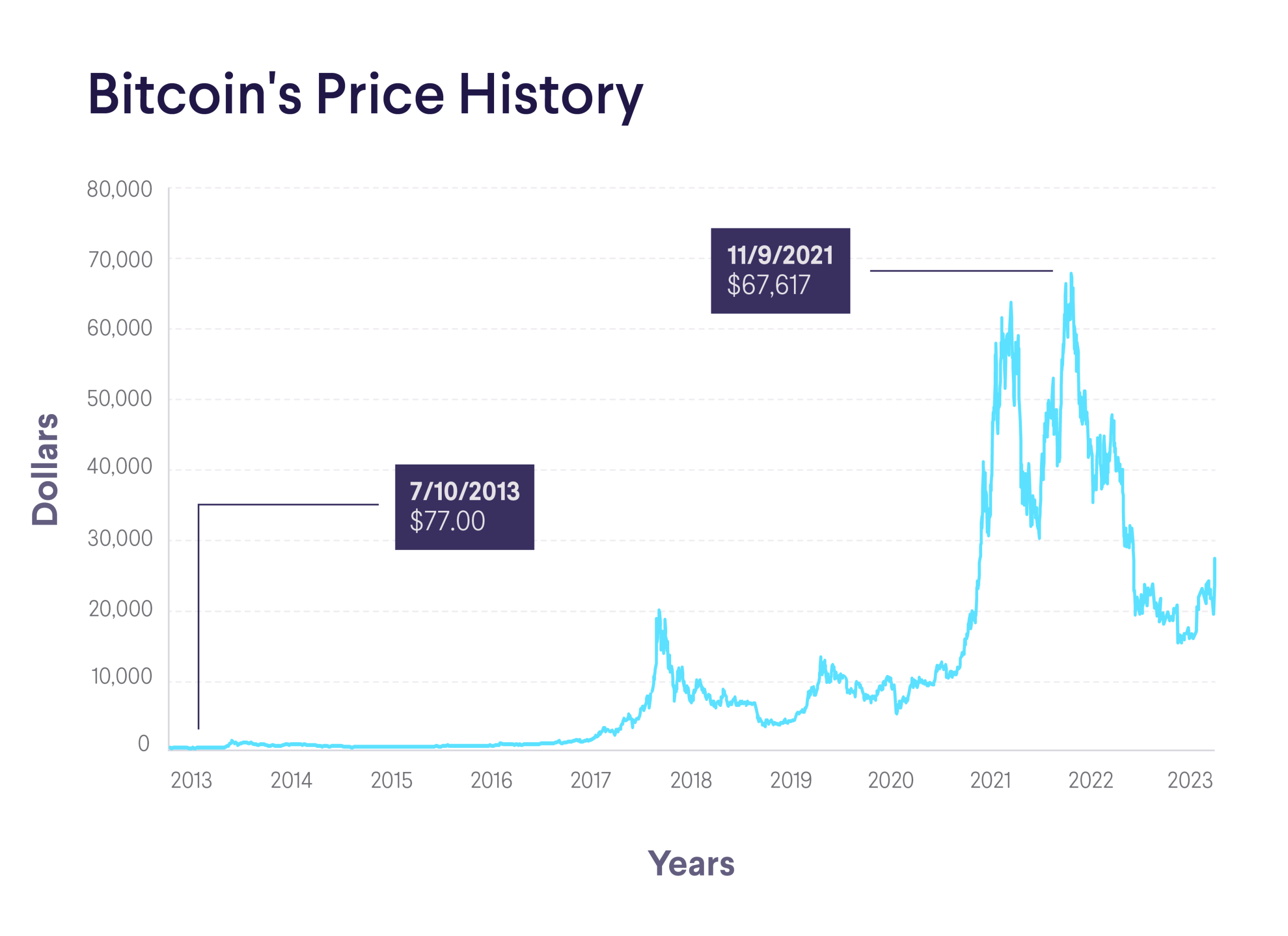

Bitcoin price capitulation signals a pivotal moment in the cryptocurrency landscape, as panic selling escalates among short-term holders. Recent data indicates a significant Bitcoin price drop below $69,000, raising alarm among investors and triggering widespread crypto market fear. With panic-driven sales resulting in nearly 60,000 BTC being offloaded in just one day, the conditions for full capitulation are becoming increasingly evident. Coupled with an oversold Relative Strength Index (RSI) suggesting a peak in seller activity, these factors paint a stark picture for Bitcoin’s near future. As we analyze the Bitcoin capitulation signs, understanding these dynamics is crucial for identifying potential opportunities amidst the chaos.

The recent downturn in Bitcoin’s value has invoked discussions about the phenomenon of capitulation within the digital currency realm. This state, marked by extreme selling pressure and heightened investor anxiety, reflects a critical juncture in the crypto market. In a landscape where sellers dominate, indicators such as the RSI Bitcoin analysis reveal that many holders are opting to liquidate at a loss, a classic symptom of capitulation. The intense emotional climate, characterized by fear, often precedes significant market reversals. As we delve deeper into the implications of this aggressive selling pattern among short-term investors, it’s essential to recognize the historical patterns that emerge during such turbulent times.
| Key Indicator | Description |
|---|---|
| Short-term Holder Selling | 60,000 BTC sold at a loss in 24 hours, suggesting high selling pressure. |
| Crypto Fear & Greed Index | Index showing a score of 11, indicating ‘extreme fear’ and potential market bottom. |
| Relative Strength Index (RSI) | Current RSI levels near 18-29 indicate ‘most oversold’ conditions, reflecting seller exhaustion. |
Summary
Bitcoin price capitulation appears imminent as several key indicators suggest that market participants are in a state of panic selling and extreme fear. With short-term holders offloading significant amounts of Bitcoin at a loss, the Crypto Fear & Greed index showcasing extreme fear, and the RSI showing oversold levels, many analysts believe this could signal the final phases of capitulation. Historical data suggests that such conditions often lead to potential market bottoms, presenting opportunities for accumulation. In summary, while caution is advised, current trends may indeed indicate a turning point for Bitcoin.
Understanding Bitcoin Price Capitulation
Bitcoin price capitulation refers to a significant decline in value when sellers dominate the market, resulting in a rapid price drop often driven by panic selling among short-term holders. This phase generally indicates that market confidence is low and that many investors are willing to sell at a loss. In the context of recent events where the BTC price fell below $69,000, seeing approximately 60,000 BTC moved to exchanges by short-term holders suggests we may be approaching this capitulation point. The correlation between heightened volatility and capitulation events has been well-documented in crypto market history.
Market indicators such as extreme fear reflected in the Crypto Fear & Greed index, along with oversold conditions indicated by the Relative Strength Index (RSI), serve as telltale signs of waning seller momentum. As short-term holders capitulate, it brings both risks and opportunities. Analyzing the cumulative impact of these factors can help traders gauge potential recovery, as capitulation often sets the stage for market rebounds, making it an essential concept in Bitcoin price analysis.
Indicators of Bitcoin Capitulation Signs
There are several indicators traders can monitor to identify signs of Bitcoin capitulation. The first is the behavior of short-term holders, particularly when a substantial amount of BTC is sold at a loss, as was witnessed with nearly 60,000 BTC liquidated recently. This surge in activity among investors who have held Bitcoin for less than 155 days exemplifies panic selling – a critical sign that capitulation may be occurring. Moreover, the volume of realized losses hitting significant levels serves as another indicator, highlighting acute seller exhaustion as the market becomes oversaturated with selling pressure.
Additionally, the RSI plays a crucial role in determining the point of capitulation. When the RSI dips below 30, it denotes overselling conditions in the market. Currently, Bitcoin’s RSI is showing figures as low as 18 on shorter timeframes, suggesting that the coin is heavily oversold. Historical data indicates that such extreme RSI readings are often followed by positive price reversals, outlining the importance of these metrics in forecasting potential market rebounds following capitulation.
The Crypto Market Fear Factor
Market sentiment plays a pivotal role in Bitcoin’s price movements, particularly during periods of extreme fear. The Crypto Fear & Greed index, displaying a score of 11, highlights a state of intense anxiety among investors. Such a persistent level of fear have historically indicated not only capitulation phases but also opportunities for accumulation. Investors often become fearful in these conditions, leading to panic selling, yet history suggests that these moments can provide lucrative buying opportunities as the market tends to recover subsequently.
It’s important to note that during these fear-driven scenarios, the collective behavior of traders can exacerbate volatility. As fear increases, more investors may rush to sell, pushing prices down even further. However, seasoned traders recognize that extremes in market sentiment can herald a shift in trends. The cyclic nature of fear leading to potential capitulation points presents opportunities for strategic investments, particularly for those who can weather short-term fluctuations in the crypto market.
Significance of Seller Exhaustion Indicators
Seller exhaustion is a crucial metric to evaluate when considering Bitcoin’s capitulation. As more short-term holders sell off their assets, the overall pressure applied on Bitcoin’s price tends to heighten. The recent data indicating a 7-day average of realized losses exceeding $1.26 billion underscores a significant uptick in fear and desperation among sellers. This loss magnifies the sentiment that prices could stabilize or rebound shortly as the market begins to digest these heavy sell-offs and participants reset their strategies.
Another perspective to consider is the divergence between price action and seller behavior. When extreme selling pressure, characterized by massive liquidations, meets severely low RSI values, we often see the beginning phases of a market reversal. At current levels, Bitcoin’s RSI points to extreme oversold conditions, suggesting that a pivot could be nearing. Recognizing these patterns in seller exhaustion can provide insightful cues for investors looking for potential entry points once the capitulation phase concludes.
The Role of Trading Volume in Capitulation
Trading volume is integral to understanding Bitcoin price dynamics during capitulation phases. Elevated trading volumes, especially those associated with downturns, can signal the intensity of selling pressure from short-term holders. The notable increase in exchange inflows, where short-term holders are transferring coins at significant losses, indicates that the market sentiment has reached a critical point. This volume trend is often followed by sharp price corrections, showcasing how traders react in times of fear and uncertainty.
Moreover, analyzing trading volume alongside price movements can reveal the strength of capitulation signals. A surge in trade activity can suggest that the market might be in the throes of capitulation, which can lead to an eventual turnaround. Identifying key support and resistance levels during high-volume trading days allows traders to anticipate possible price rebounds, focusing on volume as not just a measure of market activity, but a precursor to potential recovery in Bitcoin’s value.
Historical Context of Bitcoin Capitulation
Understanding Bitcoin price capitulation requires examining historical precedents where similar patterns occurred. Past capitulations have often featured significant price drops accompanied by panic selling and extreme fear indices. For instance, during the last major market correction in 2022, similar RSI readings suggested that the market was at a critical tipping point, ultimately leading to a resurgence in prices. Each capitulation phase presents unique circumstances and market responses, yet they are frequently governed by cycles of fear and recovery.
Traders can glean useful insights from historical price data, particularly during moments of capitulation. Comparison between previous events and current market conditions can help inform strategic decisions. Investors analyzing past capitulation signs can better anticipate how the market might respond following substantial sell-offs, leveraging behavioral finance to capitalize on rebounds when buy-in sentiment begins to outweigh fear.
Evaluating Bitcoin’s Long-Term Investment Potential
Despite the current landscape of fear and capitulation, Bitcoin continues to hold long-term investment appeal for many. The asset’s historical resilience is often cited as a compelling reason to consider accumulation during downturns. Instances where significant price corrections led to upward trends later reinforce Bitcoin’s reputation as a volatile yet rewarding investment vehicle. Understanding market history can help investors develop a long-term perspective that transcends transient capitulation phases.
Long-term holders or ‘HODLers’ tend to look beyond immediate price shifts, recognizing that in the crypto landscape, significant buying opportunities often arise during periods of extreme capitulation. As the market evolves, those equipped with knowledge of past trends and current market indicators can make informed decisions about their investment strategies, ensuring they don’t miss potential upsides when the dust settles in the aftermath of a price correction.
Investor Sentiment During Capitulation Phases
Investor sentiment is a powerful driving force behind market movements, particularly during noteworthy capitulation phases. The emotional response of traders to rising panic and fear are commonly reflected in drastic market actions, often resulting in irrational selling. These cycles of panic can create fertile ground for contrarian investment strategies, as those capitalizing on sentiment shifts stand to benefit significantly from the dynamics of fear and recovery.
Further examining sentiment during times of capitulation provides valuable insights for short-term and long-term traders alike. As the market goes through intense fear, safe and strategic purchasing decisions can be made, positioning investors advantageously for when confidence returns. Recognizing that market sentiment often oscillates, embracing a mindset prepared to act against prevailing fears can pave the way for substantial rewards as trends begin their gradual reversal.
Potential Strategies for Navigating Bitcoin Capitulation
Navigating through Bitcoin capitulation periods requires strategic planning and timely decision-making. Investors can adopt various approaches, such as dollar-cost averaging, allowing for gradual investments that can mitigate the effects of market volatility. This strategy allows for entry points at varied price stages, reducing the risk of making substantial investments during peak fear periods that might result in immediate losses.
Moreover, conducting thorough market analysis, including the interpretation of key indicators such as RSI and market sentiment through tools like the Crypto Fear & Greed index, can guide investors in making well-informed decisions. By staying informed about market trends and employing strategic investment methods, traders can enhance their ability to navigate through challenging capitulation phases, ultimately positioning themselves for potential gains as conditions stabilize.
Frequently Asked Questions
What are the signs of Bitcoin price capitulation?
Indicators of Bitcoin price capitulation include panic selling by short-term holders, extreme fear revealed by the Crypto Fear & Greed Index, and an oversold Relative Strength Index (RSI). These factors suggest a potential market bottom.
How does short-term holder selling influence Bitcoin price capitulation?
Short-term holder selling significantly influences Bitcoin price capitulation as large movements to exchanges indicate distress and can exacerbate price drops, leading to deeper capitulation.
What role does the RSI play in Bitcoin price analysis during capitulation?
The RSI, particularly when it reaches levels below 30, indicates that Bitcoin is oversold. Such conditions often coincide with market capitulation and potential price recoveries.
How does crypto market fear correlate with Bitcoin price capitulation?
In periods of Bitcoin price capitulation, extreme fear, as measured by the Crypto Fear & Greed Index, often signals potential price bottoms, encouraging accumulation in anticipation of recovery.
Why is the recent Bitcoin price drop significant for capitulation signals?
The recent Bitcoin price drop below $69,000 is significant as it marks the lowest point since November 2024, indicating potential capitulation phenomena characterized by overwhelming selling pressure and fear.
What does the term ‘full capitulation’ mean in the context of Bitcoin?
‘Full capitulation’ in Bitcoin refers to a phase where sellers, particularly short-term holders, exit at losses, leading to a marked sell-off and potentially forming a market bottom.
What historical patterns are associated with Bitcoin price capitulation?
Historically, Bitcoin price capitulation phases are associated with extreme fear levels and oversold RSI readings, often leading to opportunities for future price recovery.
How can investors interpret the Crypto Fear & Greed Index during a Bitcoin price capitulation?
Investors can interpret the Crypto Fear & Greed Index showing extreme fear (like a score of 11) as a potential signal to buy Bitcoin, historically indicating a market bottom.
What is the impact of realized losses on Bitcoin price capitulation?
An increase in realized losses during Bitcoin price capitulation indicates heightened fear among sellers, often coinciding with final sell-offs and potential market stabilization.
What is the significance of Bitcoin’s oversold RSI levels during capitulation?
Bitcoin’s oversold RSI levels, particularly those near 20 or lower, highlight seller exhaustion typical during capitulation, suggesting a possible rebound could follow.
Related: More from Bitcoin News | AI, BTC Miners Issue High | Bitcoin Above $69K? Glassnode Weighs In