


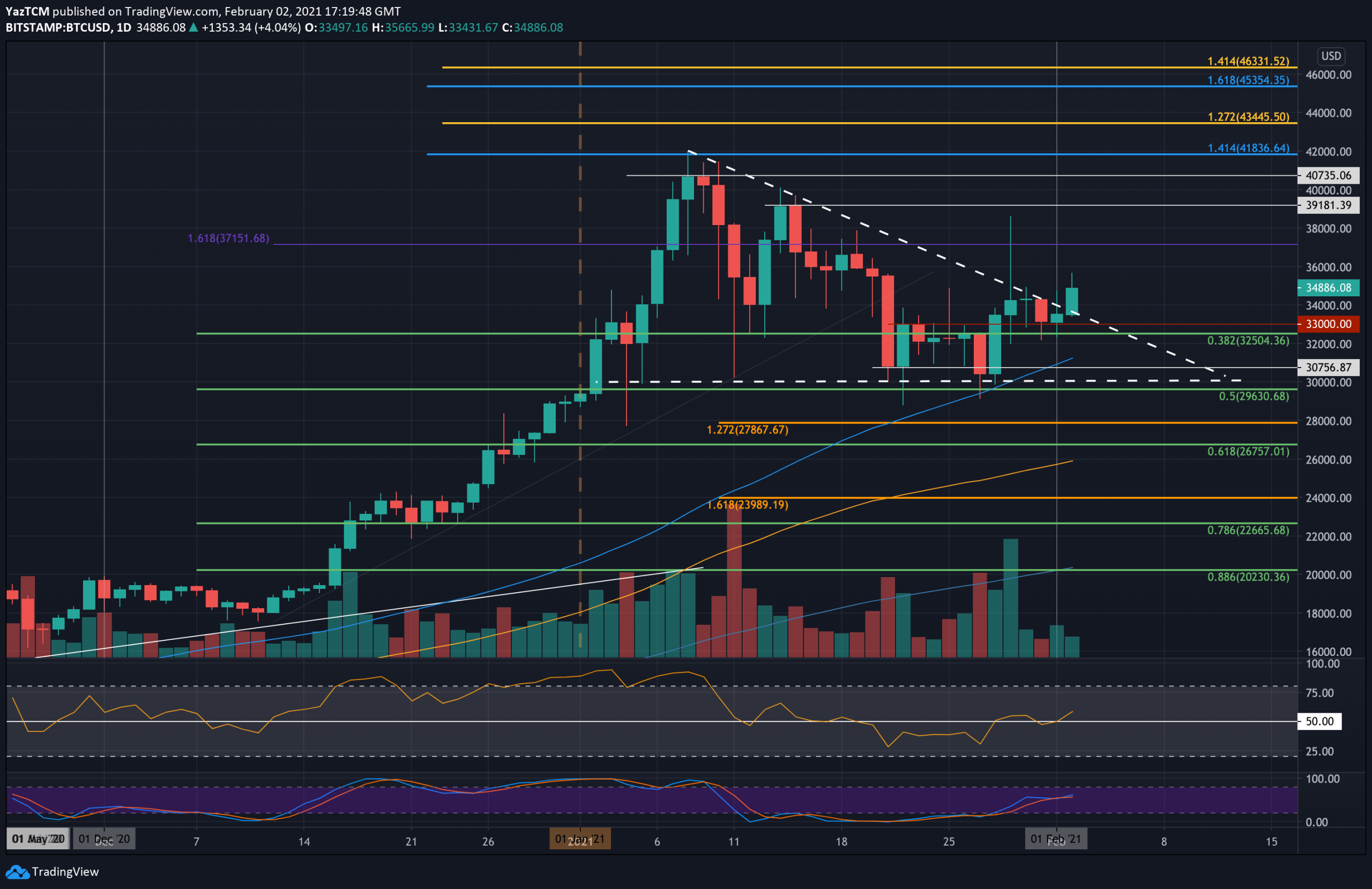

The recent Bitcoin price breakout remains elusive as the cryptocurrency market navigates a phase of considerable tension and anticipation. With Bitcoin ETFs garnering renewed interest, billions in cash are flowing into the market, yet the expected upward movement has not materialized. Observers have noted significant swings in trading volumes, signaling that while market liquidity is increasing, the underlying market structure continues to suppress volatility. Interestingly, despite this buildup, many traders are employing Bitcoin trading strategies that hinge on careful market liquidity analysis to capitalize on future movements. Understanding the dynamics of cryptocurrency volatility in this context is crucial for those looking to make informed investments as the market inches closer to its potential breakout.

Currently, the landscape surrounding Bitcoin’s price dynamics is marked by a palpable sense of anticipation and restraint. Despite the influx of investment from recently launched Bitcoin exchange-traded funds (ETFs), the asset’s price seems to be trapped in a narrow range, reflecting a complex interplay of supply and demand. Traders are now exploring various Bitcoin trading tactics while monitoring the intricate market structure that governs this cryptocurrency. This period of subdued action suggests that while the market appears calm, underlying forces may be shaping a scenario ripe for change. Those engaged in cryptocurrency trading should remain vigilant, as the potential for a breakout hinges on shifts in market volatility and liquidity, which could transform the current stagnation into dynamic movements.
Understanding Bitcoin Price Breakout
The current landscape of Bitcoin indicates a notable stagnation in terms of price action, with many traders eagerly awaiting a potential breakout. Despite significant inflows from recent Bitcoin ETFs, the price appears to be constrained. This situation suggests that there’s a complexity in the market dynamics that isn’t fully captured by traditional trading indicators. The term ‘price breakout’ has become synonymous with sudden price increases, often fueled by aggressive buying. However, the underlying market structure, particularly the role of ETFs, plays a significant role in shaping these movements. Understanding the intricacies of how these institutional products operate can provide traders with vital insights that help when anticipating future price movements.
Market liquidity analysis reveals that while substantial funding flows into Bitcoin may indicate an impending price surge, it’s critical to consider factors like perpetual contracts and open interest. These details can lead to different interpretations of market activity, showcasing how leveraged traders often dominate the landscape when liquidity is tight. With the current market mindset focusing on taking a cautious approach, any significant price breakout will likely depend on a confluence of factors, including market sentiment and macroeconomic trends.
As Bitcoin enters an unprecedented phase where institutional investments are becoming the norm, the psychology of the market has changed. Traders are now often influenced by implied volatility, especially evident through indicators like Deribit’s DVOL. When the market perceives low volatility as a sign of stagnation, expectations can either lead to complacency or impatience among investors, both of which impact the potential for a price breakout. Consequently, recognizing that Bitcoin price movements may occur unexpectedly rather than within set timelines is crucial for anyone involved in trading. The key takeaway is that being attuned to market liquidity and participant behavior can often indicate when a substantial movement might occur.
The Role of Bitcoin ETFs in Today’s Market
Bitcoin Exchange-Traded Funds (ETFs) have emerged as significant players in the cryptocurrency market, fundamentally altering how assets like Bitcoin behave in response to market changes. By providing a regulated way for institutional investors to gain exposure to Bitcoin, these funds have drastically improved market liquidity—a crucial aspect in understanding current price movements. The presence of ETFs can create a façade of strength in the market, with apparent substantial cash flows suggesting that Bitcoin should be surging. However, the unique structure of ETFs means that much of this demand is systematic and hedging-oriented, which can mute outright price volatility, leading to a ‘calm before the storm’ dynamic.
Moreover, understanding how Bitcoin market structure has adapted to accommodate these ETFs is essential. The interaction between spot prices and ETF shares results in an intricate balancing act that influences trading strategies. Market participants must adjust their approaches, focusing on how these liquid assets can be arbitraged across various platforms. This requires a shift in strategy—acknowledging that although substantial cash is flowing into the ETFs, it doesn’t always translate into an immediate price breakout for Bitcoin. Traders must now consider the potential implications of delayed reactions in price anomalies observed within the broader market context.
Currently, as the Bitcoin market remains in a tightly held range, it’s crucial for traders to understand the dynamics of Bitcoin ETFs and their implications for trading strategies. While many enthusiasts see the inflow numbers from ETFs and expect immediate term reactions in Bitcoin prices, the truth is that the mechanisms behind these financial products are designed for stability and regulated participation. Consequently, while the prospects for Bitcoin seem robust due to increasing institutional interest, the correlation between ETF investments and immediate price movements is less direct than many may anticipate. This realization underscores an essential component of effective strategy development in the cryptocurrency trading landscape.
Market Liquidity Analysis and Bitcoin’s Future
Liquidity is often heralded as a key component within any trading framework, especially in volatile markets such as cryptocurrencies. The current liquidity analysis for Bitcoin highlights the intricacies involved in understanding market reactions and price stability. As Bitcoin shows signs of being ‘pinned’ at certain levels despite significant cash inflows, it’s crucial to understand how liquidity works—particularly the balance between buying pressure in spot trades versus the dominant influence of perpetual contracts among derivatives. Market liquidity can either exacerbate or cushion price movements depending on the volume and distribution of orders placed by market participants. Without adequate liquidity, prices can become artificially constrained, resulting in a lack of significant trading activity and even liquidity crises.
In terms of future predictions for Bitcoin, embracing the concept of liquidity analysis is vital for traders. When evaluating whether the impending price breakout will indeed occur, factors such as liquidation rates, the relationship between supply, and demand under tight liquidity conditions, and the behavioral tendencies of market makers come into play. Understanding these variables can help investors navigate the turbulent waters of cryptocurrency trading with heightened awareness and potentially align their strategies to activate during periods marked by either expansion or contraction of liquidity.
Moreover, the distinct characteristics of liquidity in the Bitcoin market, especially in comparison to traditional financial markets, lead to unique challenges for traders. In moments of high leverage, traders often find themselves exposed to shifts that can occur with little notice, primarily during periods of erratic ETF flows or changing macroeconomic conditions. The takeaway? It is critical to monitor liquidity trends to optimize trading strategies. The existence of a mature market structure, fortified by products like ETFs, allows for the seamless absorption of shocks without significant disruptions, making it possible for Bitcoin to maintain price levels despite underlying market dynamics. Such an understanding will enable traders to anticipate potential shifts more effectively, reducing the element of surprise in an ever-evolving landscape.
Navigating Cryptocurrency Volatility
Cryptocurrency volatility is one of the most defining characteristics of assets like Bitcoin, presenting both challenges and opportunities for traders and investors. With Bitcoin currently exhibiting lower volatility than in previous years, many are grappling with establishing optimal trading strategies. The combination of spot market calmness alongside significant ETF activity indicates a market that is busy yet characteristic of a lull before possible upheaval. For investors, recognizing this state of volatility is key to designing effective responses to sudden price movements. Various strategies can be employed, including setting up tight stop losses or utilizing options to hedge against potential downturns.
Additionally, the notion of volatility can lead to misunderstanding among new traders, who might perceive the quiet days as stable. In reality, lower volatility does not equate to risk removal; it suggests that the market is absorbing positions in a more nuanced manner. Understanding the reasons behind current volatility levels—like the influence of leveraged trading and market maker activity—is essential for optimizing engagement with Bitcoin and refining overall trading tactics for future uncertainty.
As traders navigate the complexities of cryptocurrency volatility, using resources such as implied volatility metrics can aid in determining when to enter or exit trades. Analyzing the historical context of volatility scores, like those from Deribit, may provide additional insight into possible price movements. Traders must also account for exogenous factors, including macroeconomic trends or institutional investment behavior, that can sway market conditions significantly despite the apparent calm. Moving forward, one of the optimal attitudes for traders is a readiness to adapt strategies based on market signals while understanding the inherent risks of a landscape marked by rapid and unpredictable price swings.
Understanding Bitcoin Trading Strategies
Developing effective Bitcoin trading strategies involves a comprehensive understanding of market dynamics and participant behavior. Given the evolving landscape shaped by Bitcoin ETFs, understanding how these investment vehicles influence trading patterns becomes paramount. Traders should focus on integrating ETF flows into their analysis, recognizing how the structured demand they create can impact short-term price movements around key resistance levels. Any strategy that ignores or underestimates these inflows may lead to missed opportunities or significant losses, especially when unexpected price surges occur following high ETF volume days.
Moreover, it is imperative for traders to craft strategies that account for the market’s underlying sentiment. The emotional rhythm of Bitcoin trading reflects a marketplace that is often on edge between fear and exuberance, especially during periods of low volatility. By acknowledging these psychological factors, traders can position themselves better, utilizing technical analysis combined with sentiment indicators to navigate the landscape effectively. Many successful strategies also depend on critical technical levels and momentum measures, setting trader expectations based on historical patterns of Bitcoin price action.
As Bitcoin continues to evolve, it is essential for traders to reevaluate existing strategies frequently. The introduction of various trading instruments—including options and futures—has added layers of complexity to how strategies are optimally implemented. Tools such as algorithmic trading and automated strategies may provide additional advantages, allowing for quicker reactions to volatile shifts in the market. The integration of technology can help manage risks associated with sudden price fluctuations while maximizing the potential from calculated trades, particularly during significant flow days associated with Bitcoin ETFs. For traders, this means leveraging modern technologies and continuously refining their strategies in line with both quantitative data and qualitative market insights.
Implications of Market Structure Changes
Recent changes in Bitcoin’s market structure have reshaped the landscape significantly, reflecting the maturation of this asset class. The introduction of Bitcoin ETFs has not only solidified its acceptance but also transformed how trades are executed. Understanding this new market structure is crucial for anyone seeking to execute trades effectively within it. The bridging of traditional finance with crypto markets means that buying and selling behavior now encompasses a broader set of strategies—one that identifies and exploits inefficiencies across various platforms rather than purely relying on spot market movements.
Additionally, the correlation of Bitcoin price with ETF performance indicates a strong interplay that traders must navigate. The interdependency affects everything from pricing behaviors to volatility emissions, which can lead to false expectations surrounding price breakouts. A solid grasp of these interactions will allow traders to forecast potential outcomes accurately and adjust their trading strategies accordingly. More than just reacting to price changes, becoming attuned to these dynamics will ensure that traders can plan for both short-term opportunities and long-term growth in a stabilizing environment.
As the market structure continues to assimilate advancements in retail access and institutional participation, being prepared for changes in volatility and liquidity becomes fundamental. Traders ought to employ frameworks that allow for flexibility in strategy formulation, accommodating rapid market adjustments often stemming from structural elements like liquidity and exposure management. Understanding how Bitcoin’s trading markets operate within this juggling act of liquidity will aid in minimizing risks while maximizing trading opportunities. Ultimately, the critical lesson is that a mature Bitcoin market, reinforced by its current structure, requires robust strategic planning, adaptability, and a constant reevaluation of the prevailing market environment.
The Future of Bitcoin: Trends to Watch
The future of Bitcoin remains a topic of intense speculation and discussion, particularly as trading conditions evolve strategy perspectives. As the ecosystem matures and institutional participation becomes more prominent via products like ETFs, significant trends are starting to materialize. Many in the market are focusing on how enhanced liquidity and increased participation will influence Bitcoin’s price trajectory over the upcoming months. Observing these changes allows traders to establish hypotheses about likely breakout scenarios, moving above or below key resistance levels.
Understanding Bitcoin’s relationship within the broader cryptocurrency landscape is another vital trend to monitor. With innovations emerging across various treatment methods—from regulatory frameworks to competing tokens—Bitcoin must maintain its relevance amid increasing competition. As new developments arise, market participants should stay agile, prepared to recalibrate trading strategies accordingly, aligning them with potential shifts in market sentiment and investor interests.
In looking further into the future, evaluating how Bitcoin’s market structure might evolve is equally important. Should regulatory environments shift, or should mainstream adoption grow significantly, the landscape could reshape fundamentally. Current trends suggest a possibility for Bitcoin to regain its status as a leading asset class but intertwined with unpredictable market dynamics. Being vigilant regarding these macro-level trends will prove advantageous for traders aiming to maintain a competitive edge, equipping them with the foresight needed to capitalize on potential opportunities. Hedge strategies and perseverance will be crucial as Bitcoin traverses its own path in the ever-changing world of cryptocurrencies.
Frequently Asked Questions
What is causing the current Bitcoin price breakout to feel delayed?
The current Bitcoin price breakout appears delayed despite large inflows from ETFs due to a highly structured market. ETF demand tends to be regulated and may not create immediate price movements, contrasting with the rapid changes seen from unhedged buyers in the spot market.
How do Bitcoin ETFs influence the market structure and price breakout?
Bitcoin ETFs play a crucial role by providing a regulated pipeline for investment, but their structured demand can result in less volatility. This creates a market that absorbs significant inflows without showing immediate breakout signals on price charts.
What is the impact of cryptocurrency volatility on Bitcoin’s price breakout?
Despite recent low cryptocurrency volatility, which hit an all-time low of 2.24%, the lack of aggressive price movement indicates that the market is positioned for cautious trading rather than pricing in a significant breakout upwards.
Are current Bitcoin trading strategies effective in triggering a price breakout?
Existing Bitcoin trading strategies may yield mixed results; while some traders are capitalizing on range-bound trading, a breakout requires changing volatility dynamics and a clear upside trend to trigger a sustainable movement.
How does market liquidity analysis affect expectations for a Bitcoin price breakout?
Market liquidity analysis indicates that the current Bitcoin market, despite tight conditions, is well-equipped to handle large trades without significant price movements. This situation can lead to prolonged periods of compression, delaying any expected breakout.
What scenarios could potentially lead to a Bitcoin price breakout?
Potential catalysts for a Bitcoin price breakout include a rise in implied volatility, substantial net inflows into ETFs, changes in market maker behavior, or shifts in macroeconomic conditions that encourage aggressive trading.
Why does high leverage in Bitcoin trading not guarantee immediate price movement?
High leverage in Bitcoin trading can cushion movements rather than amplify them, especially when traders are using it to hedge positions. This means while leverage is available, it doesn’t imply there will be an instant price breakout.
What is the significance of implied volatility in predicting Bitcoin price breakout?
Implied volatility provides insights into market expectations for future price movements. Currently, low implied volatility suggests the market is not anticipating a breakout, indicating a need for sustained interest or significant news to spur movement.
| Key Point | Details |
|---|---|
| ETF Cash Inflow | Bitcoin is experiencing significant inflows from ETFs, with a recorded net of approximately +$57.763 billion across listed products. |
| Market Behavior | The market shows a ‘tight’ condition with daily volatility at an all-time low of 2.24%, yet lacks aggressive price movements. |
| Role of ETFs | ETFs create structured demand, reducing volatility and making price movements seem calm even amidst high flows. |
| Perpetual Contracts | Open interest in perpetual contracts is significantly higher compared to dated futures, allowing rapid absorption of exposure. |
| Implied Volatility | Current implied volatility indicates a lack of urgency for drastic price moves, hovering around the mid-40s. |
| Market Expectations | While many anticipate a breakout, market indicators suggest a continuation of current conditions absent significant catalysts. |
Summary
The Bitcoin price breakout is characterized by high ETF cash inflows and a tight market structure that curtails drastic price movements. Despite significant liquidity and impressive capital injection from institutional participants through ETFs, the market has not shown the expected volatility or breakout patterns. The current conditions reveal that while investors are optimistic, structural factors combined with subdued implied volatility suggest that a major price movement is not imminent unless clear catalysts emerge.