


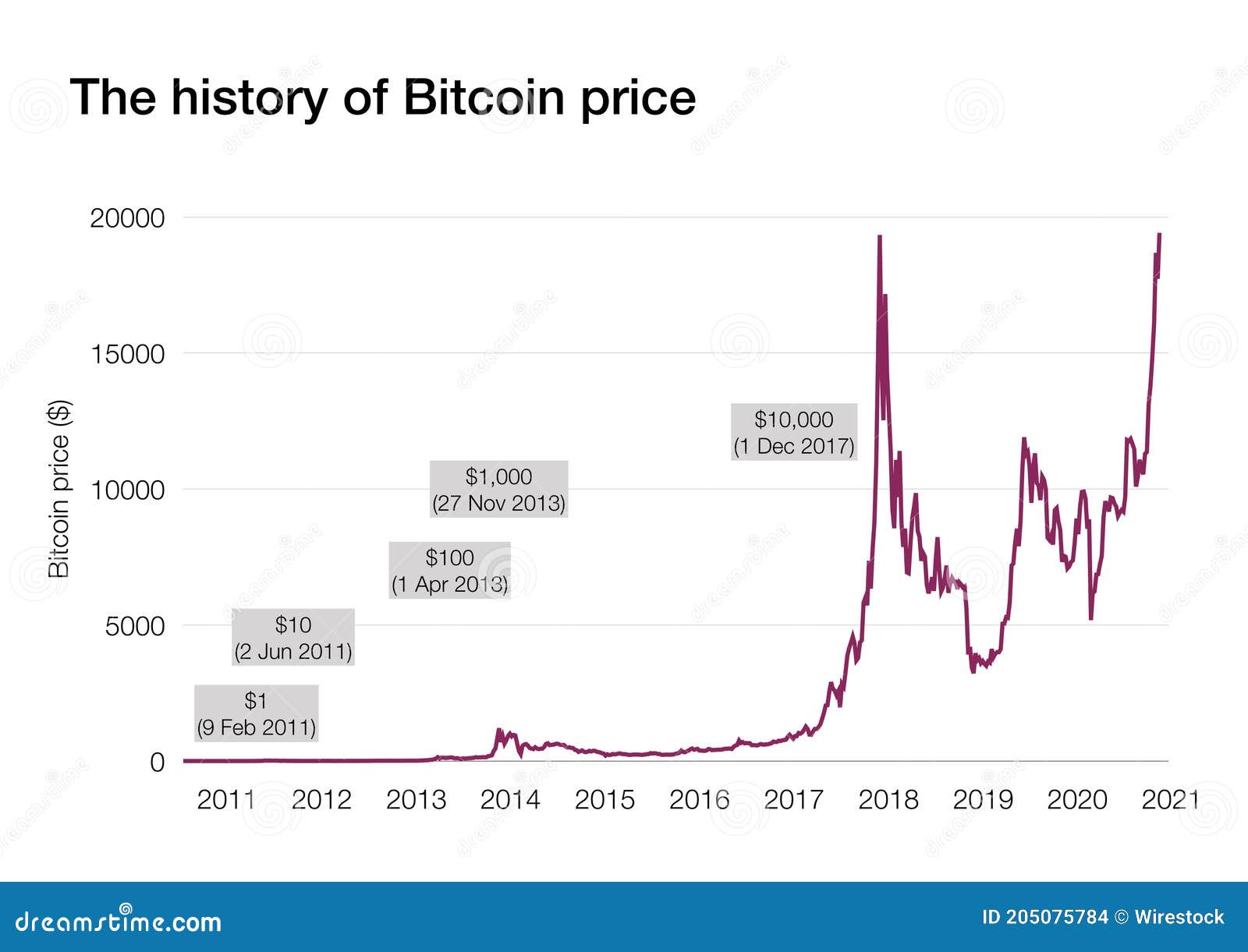

Bitcoin price analysis reveals a compelling narrative as traders and investors alike attempt to navigate the ever-fluctuating landscape of the digital asset market. The current Bitcoin price offers a glimpse into the challenges posed by macroeconomic turbulence and geopolitical tensions that contribute to increased crypto market volatility. With BTC price trends indicating a potential long-term bottom, analysts are keenly focused on determining the future trajectory of Bitcoin market prediction. The selling pressures observed among short-term holders only add to the urgency of understanding Bitcoin price today and its implications for future movement. As stakeholders brace for what may lie ahead, the importance of a thorough analysis becomes paramount in shaping investment strategies.

In the world of digital currencies, a comprehensive examination of Bitcoin’s value dynamics is essential for informed decision-making. This insight, often referred to as Bitcoin price scrutiny, sheds light on the prevailing sentiments affecting the crypto landscape amid unpredictable market shifts. By evaluating current BTC valuation patterns, one can identify broader trends that may influence forthcoming market movements. With the volatility in the crypto sphere, keeping abreast of Bitcoin’s real-time metrics is crucial for navigating potential investment opportunities. As analysts delve into the depths of Bitcoin’s performance, understanding the nuances of price fluctuations becomes increasingly vital.
| Key Point | Details |
|---|---|
| Market Volatility | Bitcoin closes below crucial support levels, indicating potential new lows in price. |
| FOMC Meeting | Federal Reserve’s interest rate decisions are awaited, impacting market volatility alongside geopolitical issues. |
| Declining BTC Value | Weekly close for Bitcoin was around $86,000, alarming traders about upcoming losses. |
| Gold & Silver Boom | Precious metals are performing well, overshadowing Bitcoin’s stagnant price movement. |
| Short-Term Holder Losses | Record levels of realized losses seen among short-term holders of Bitcoin. |
| Market Absorption | While selling pressure exists, market liquidity remains strong enough to absorb declines without major price drops. |
Summary
Bitcoin price analysis reveals that the cryptocurrency is currently in a precarious position, demonstrating potential signs of a bottoming phase as geopolitical and economic concerns shape market dynamics. This week will be crucial as investors are closely watching the Federal Reserve’s interest rate decision, while short-term holders are experiencing significant losses. Overall, the interplay of macroeconomic factors and the performance of precious metals casts uncertainty over Bitcoin’s trajectory.
Understanding Bitcoin Price Analysis for the Coming Week
This week, the Bitcoin price analysis is critical as traders analyze the market’s trajectory amidst ongoing geopolitical tensions and macroeconomic instability. Current Bitcoin price trends have shown significant volatility, with Bitcoin recently closing below key support levels. Many analysts believe that these movements are indicative of a larger trend toward a potential bottom for Bitcoin prices. This has raised concerns among investors since the ongoing uncertainty may lead to a further decline in Bitcoin’s value.
As analysts look ahead, the focus will be on Bitcoin market predictions for the upcoming weeks. With the current Bitcoin price hovering around low levels, traders must determine whether this signals a buying opportunity or a warning sign for continued price drops. The consensus among many in the crypto community is that the current Bitcoin price is unsustainable in the long term, setting the stage for potential price movements towards either recovery or further decline.
Factors Contributing to Bitcoin’s Current Volatility
Several elements are contributing to the current Bitcoin market volatility, including global economic conditions and investor sentiment. Factors such as rising inflation, uncertainties in global markets, and significant macroeconomic events, such as the imminent FOMC meeting, indicate the potential for wild fluctuations in the crypto and stock markets. Traders are particularly concerned about how these factors will influence the current Bitcoin price and whether it will reclaim stronger support or move towards new lows.
Additionally, increasing selling pressure from short-term holders is contributing to the current volatility. Many investors are panicking, realizing substantial losses during this downturn. Data shows a high percentage of short-term holders are selling at losses, which can exacerbate market instability. Understanding these dynamics is vital for predicting whether Bitcoin’s current price can stabilize or whether further declines are ahead.
The Impact of Geopolitical Events on Bitcoin Pricing
The Bitcoin market is heavily influenced by geopolitical events, which have recently contributed to the heightened volatility seen this week. Concerns over the Japanese economy, issues related to tariffs, and geopolitical instability are causing a ripple effect in the cryptocurrency market. As Bitcoin struggles to keep pace with the record performance of precious metals like gold and silver, traders are seeking to comprehend how these geopolitical tensions may lead to shifts in Bitcoin pricing, as historical patterns suggest that such events can trigger significant price movements.
Investors must recognize how Bitcoin’s relationship with traditional financial markets can influence its behavior. The Federal Reserve’s actions and the broader economic environment may dictate whether cryptocurrency is seen as a safe haven or a riskier asset. With the current Bitcoin price clashing with economic news, understanding these geopolitical impacts is crucial for making informed investment decisions.
The Role of Short-Term Holders in Bitcoin’s Decline
Recent data highlights a crucial trend: short-term holders of Bitcoin are increasingly realizing losses, contributing to ongoing price declines. This demographic, characterized by newer investors who have held Bitcoin for six months or less, is reacting sharply to market fluctuations, with many selling at a loss as they seek to mitigate further damage. This can create a vicious cycle of panic selling, further driving prices down and reducing confidence in the market.
The behavior of short-term holders is essential to understanding current BTC price trends. Historical data suggests that when a large portion of short-term holders begins to sell, it can lead to a rapid decline in Bitcoin prices, as seen during previous bear markets. If the current trend continues, we may witness a prolonged bearish phase, where potential market recovery becomes increasingly complex.
Analyzing Bitcoin’s Price Support and Resistance Levels
A critical aspect of Bitcoin price analysis is understanding the various support and resistance levels. Currently, Bitcoin is teetering on the edge of crucial price points, with analysts suggesting that a close below key support could lead to deeper lows. For instance, if Bitcoin closes under the 2026 yearly open level of approximately $87,500, it may set a worrying precedent for further declines. These levels are often watched closely by traders to gauge market sentiment and potential reversal points.
Understanding these support and resistance levels can also provide insights into future BTC price predictions. The fact that Bitcoin has struggled to maintain these levels amid geopolitical and economic pressures means that investors must stay alert. Technical analysis, complemented by market sentiment assessments, can aid traders in navigating through this turbulent landscape and making more informed decisions.
Macro Influences on Bitcoin Market Outcomes
The macroeconomic environment has a substantial influence on Bitcoin pricing, particularly during uncertain times. Investors are currently concerned about inflation rates and interest rate adjustments from the Federal Reserve. The anticipation surrounding the FOMC meeting is palpable, with traders focused on how potential changes may impact the broader financial landscape and, by extension, Bitcoin’s volatility. Large-scale financial events can create cascades of effects throughout various asset classes, including cryptocurrencies.
As macroeconomic data releases continue to paint a mixed picture, traders must be adept at interpreting these signals. Loose monetary policy and its implications for asset prices will be crucial considerations as we look ahead. Factors such as employment statistics, consumer spending, and inflation pressures will shape traders’ expectations of Bitcoin’s movements. The ongoing analysis of these macro factors will ultimately determine whether Bitcoin can regain strength or if a continued downturn is more probable.
Evaluating Bitcoin Against Precious Metals
Bitcoin’s performance compared to precious metals like gold and silver is currently under scrutiny, especially as both metals reach historic thresholds. Recent reports indicate that gold and silver prices are significantly outperforming Bitcoin, raising questions about Bitcoin’s status as a store of value. This contrast emphasizes the challenges Bitcoin faces in establishing itself against traditional safe-haven assets, especially during times of market instability.
Traders have begun to analyze Bitcoin’s relative value compared to these precious metals, suggesting that it is undervalued when viewed in this context. As noted by analysts, the gap between Bitcoin and gold’s perceived value is larger than ever, potentially pointing towards an inevitable reevaluation of Bitcoin’s worth. This assessment could influence investor sentiment, attracting new capital into the cryptocurrency or prompting further sell-offs as traders adjust their strategies.
The Evolving Dynamics of Bitcoin Trading Volume
An important aspect of understanding Bitcoin’s current state is the examination of trading volume dynamics. Recent data suggests that while there has been significant selling pressure, it hasn’t led to a collapse, indicating that certain levels of liquidity are present in the market. Volume delta readings show that the trading environment remains conducive for absorption of selling pressure but also suggest a broader trend of tactical selling rather than panic-induced flee.
This behavior illustrates that while some traders are opting to liquidate positions, others are strategically positioning themselves within the market. Staying apprised of such dynamics is crucial for making informed decisions, as traders can gauge the level of market participation and liquidity available at varying price levels. Overall, the interplay of trading volumes with price action is a vital area for assessment, as it can signal potential turning points for Bitcoin.
Future Prospects for Bitcoin Amid Current Trends
Looking ahead, the future prospects for Bitcoin appear to hinge on several interconnected trends. Predicted volatility from both the crypto and traditional financial markets looms, which could affect Bitcoin prices further. Analysts are positing that the forthcoming economic policies and trader responses to price movements will significantly influence market behavior. Many believe this situation could present an unprecedented buying opportunity, depending on upcoming developments, particularly surrounding Bitcoin’s historical price patterns.
However, the uncertainty surrounding Bitcoin’s future cannot be understated. Key global events, regulatory updates, and market sentiment will play critical roles in determining its trajectory. As much as enthusiasts argue for Bitcoin’s potential recovery or sustainable value, the reality of the current economic landscape makes it essential for investors to remain vigilant and well-informed. Ultimately, only time will reveal what awaits Bitcoin in this ever-evolving market.
Frequently Asked Questions
What factors are influencing current Bitcoin price analysis?
Current Bitcoin price analysis indicates that geopolitical tension, macroeconomic challenges, and crypto market volatility are key factors affecting BTC price trends. Analysts highlight the importance of monitoring these conditions as BTC approaches crucial support levels.
What can we expect from Bitcoin market predictions this week?
Bitcoin market predictions suggest significant volatility with potential new lows. Analysts predict that if Bitcoin closes below $87,500, it may enter a further decline, possibly dropping into the low $80s.
How does the current Bitcoin price compare to past price trends?
The current Bitcoin price, approximately at $86,000, marks a critical level that many traders view as a potential bottom. This price reflects the ongoing bearish sentiment within the crypto market, contrasting sharply with previous highs.
What does Bitcoin price today reveal about short-term holders?
Bitcoin price today shows that short-term holders are experiencing unprecedented losses, with many transactions occurring at lower prices than previous holdings. This trend aligns with bearish pressures in the current market.
How does macroeconomic volatility affect Bitcoin price analysis?
Macroeconomic volatility significantly impacts Bitcoin price analysis, influencing trader sentiment and market predictions. As markets react to factors like U.S. interest rate decisions and international trade tensions, BTC price action remains sensitive and unpredictable.
Why is the current Bitcoin price considered a potential generational opportunity?
Experts believe the current Bitcoin price might represent a generational opportunity as it approaches historical lows. Despite the ongoing bearish trends, some analysts foresee a reversal in BTC price action that could benefit long-term investors.
What does the latest Bitcoin price analysis suggest about future market movements?
Latest Bitcoin price analysis suggests that the market may see continued volatility, with predictions of further declines unless support levels hold. Traders are advised to stay alert to macroeconomic developments that could influence future BTC price movements.
How does Bitcoin compare to precious metals in terms of market performance?
Recent Bitcoin price analysis echoes a stark contrast to precious metals, which have reached historic highs. Analysts note that Bitcoin’s lack of upward movement against gold and silver highlights a significant market shift, leaving many to question its current valuation.
In what ways does liquidity affect Bitcoin’s price stability?
Liquidity plays a crucial role in Bitcoin’s price stability by absorbing selling pressure. Recent analysis indicates that despite significant selling activity, strong liquidity has prevented sharp price declines, suggesting a controlled market environment.
How are Bitcoin market predictions influenced by Federal Reserve announcements?
Bitcoin market predictions are heavily influenced by announcements from the Federal Reserve regarding interest rate changes. Traders are closely monitoring these developments as they can lead to dramatic shifts in crypto market sentiment and BTC price action.
Related: More from Bitcoin News | AI, BTC Miners Issue High | Bitcoin Above $69K? Glassnode Weighs In