



Bitcoin price analysis is an essential tool for investors seeking to navigate the complex landscape of cryptocurrency trading. Recently, Bitcoin surged an impressive 15%, pushing its price above the $70,000 mark, yet the Bitcoin options market hints at a potentially precarious new floor beneath this level. As market volatility continues to ebb and flow, understanding cryptocurrency trends becomes crucial for making informed decisions. With ongoing speculation fueled by Bitcoin price predictions, traders must stay alert to shifts in market sentiment that could influence future price movements. This analysis aims to unpack the latest developments affecting Bitcoin’s trajectory and their implications for investors.

The examination of Bitcoin’s value fluctuations provides critical insights into the overall cryptocurrency market dynamics. Recent dramatic movements in Bitcoin’s pricing underscore the necessity for a vigilant assessment of market conditions. With the digital currency experiencing an explosive rebound following significant downturns, alternative terms like “digital gold” or “crypto asset” come to the fore as investors explore their choices. Recognizing the interplay between Bitcoin’s resurgence and broader economic factors can aid traders in making strategic decisions. By diving deeper into Bitcoin’s recent patterns, investors can better position themselves against potential market shifts.
| Key Points | Details |
|---|---|
| Bitcoin Surge | Bitcoin rose 15% to over $70,000, marking a recovery from a significant 14% drop. |
| Market Dynamics | Recovery driven by cross-asset stabilization, not just demand. |
| Forced Selling | $1 billion in leveraged positions liquidated during a sharp selloff. |
| Options Market Sentiment | Indicates $70,000 may not hold as a firm support level. |
| Macro Factors | Affected by broader market movements, S&P and tech stocks rebounded. |
| Conditions for Stability | Economic stabilization, reduced leverage, and miner relief are crucial. |
| Bearish Outlook | Heavy put options at $50,000-$60,000 reflect traders’ concerns. |
Summary
Bitcoin price analysis indicates a fragile recovery as the cryptocurrency recently surged above $70,000, but the options market suggests that this level may struggle to hold. While Bitcoin’s rapid rise erased a drastic drop, the underlying market dynamics reveal a lack of strong conviction among traders, with forced liquidations influencing the current price action. Key factors such as macroeconomic stability, reduced market leverage, and miner conditions will be critical to maintaining this upward momentum. With significant option activity indicating potential downside risk, the future of Bitcoin around the $70,000 mark remains uncertain.
Understanding Bitcoin’s Recent Surge
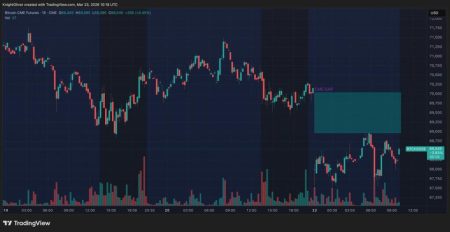
In the last week, Bitcoin has experienced an extraordinary surge, jumping over 15% in less than a day to exceed the $70,000 mark. This remarkable climb erased a substantial 14% drop that had cast doubt on market stability. The swift recovery indicates a potential shift in investor sentiment, but it involved complex market mechanics rather than a pure demand-driven rally. As the cryptocurrency market grapples with volatility, understanding the underlying factors contributing to Bitcoin’s price behavior becomes imperative for both casual investors and seasoned traders.
Bitcoin’s ascent was not a standalone event; it coincided with cross-asset stabilization, which suggests that various financial markets reacted in harmony amid forced liquidations in leveraged Bitcoin positions. The interplay between these factors highlights a broader phenomenon seen in cryptocurrency trends, where market movements in traditional assets can impact Bitcoin. While the immediate price recovery is promising, it raises questions about sustainability, especially given the lingering uncertainty in market sentiment and the linked performance of assets across sectors.
Bitcoin Price Analysis: The Options Market’s Influence
Despite Bitcoin’s sharp rise to above $70,000, the options market’s current landscape indicates a precarious situation for future price stability. Many derivatives traders, fearing potential downturns, have positioned themselves with significant downside bets, suggesting that the established threshold may become more of a temporary pause than a solid floor. The reliance on protective options highlights a growing cautiousness in the market amidst signs of volatility. Traders appear focused on safeguarding their investments against a potential retreat below the psychological $70,000 level.
This environment reflects a crucial tension between optimism born from recent surges and the underlying apprehension that characterizes the current market sentiment. The concentration of put options, particularly around the $60,000 strike price, illustrates that many players are hedging against further downturns. This dynamic creates a complex interplay where upward price movements may be met with additional selling pressure as traders act on their protective strategies. Depending on how the market evolves, this divergence in sentiment could lead to increased market volatility and further price fluctuations.
Market Volatility and Its Effects on Bitcoin
The current state of Bitcoin’s market is defined by significant volatility, which poses risks and opportunities for investors. Following the dramatic fluctuations earlier this month, where Bitcoin swung between $60,000 and above $70,000, traders are witnessing the ramifications of broader market conditions. The interconnectedness of Bitcoin with traditional markets like the S&P 500 and tech stocks means that shifts in these markets can lead to intensified volatility in cryptocurrency prices. This phenomenon highlights how critical it is for investors to stay informed about market trends beyond just cryptocurrency.
In times of heightened market volatility, investor behavior often shifts to defensive strategies, contributing to churn in Bitcoin’s prices. As liquidity conditions tighten and economic signals fluctuate, the potential for sharp price movements increases, leading to forced liquidations, as seen with recent market actions. For Bitcoin investors, this indicates that a more profound understanding of market dynamics, including macroeconomic indicators and investor sentiment, is crucial in navigating this complex landscape. Given that Bitcoin is still considered an emerging asset class, the volatility can be both a challenge and an opportunity.
Future Bitcoin Price Predictions
Looking forward, Bitcoin’s price predictions hinge on several key factors that could dictate its trajectory. Analysts suggest that if macroeconomic conditions remain stable—such as maintaining lower yields and a stable dollar—Bitcoin may find support above the $70,000 threshold. However, the overarching sentiment indicates a bear bias for the near term, as the concentration of puts signifies that traders are positioning themselves for possible declines. This scenario sets up a challenging environment where bullish investors must remain vigilant about external economic pressures.
Investors should also factor in the potential for new variables that could influence Bitcoin’s future performance. Market conditions could shift dramatically with changes in investor sentiment, regulatory news, or technical transitions within the Bitcoin ecosystem. For those engaged in the cryptocurrency market, following both technical indicators and macroeconomic trends is essential to refine forecasts and make informed decisions. Remember, in such a volatile environment, the significance of both historical price patterns and informed predictions plays a crucial role in gauging future Bitcoin price behavior.
The Role of Derivatives in Bitcoin’s Trends
Derivatives markets play a pivotal role in shaping Bitcoin’s trends and pricing mechanisms. As noted in recent market observations, the significant drop in open interest in Bitcoin futures indicates a deleveraging event that could have long-standing implications. Investors looking to profit from price movements must comprehend how these complex instruments impact market liquidity and volatility. With traders heavily engaged in options, understanding their role not only provides insight into current price behavior but also hints at potential future movements in Bitcoin’s value.
Moreover, the derivatives market reveals crucial sentiment indicators through metrics such as implied volatility and funding rates. These can forecast trader behavior and overall market direction. In particular, the current skewness toward protective puts indicates that many traders expect downward pressure, reinforcing the need for caution in taking long positions. Without sufficient bullish momentum or an easing of negative sentiments, Bitcoin may struggle to maintain its higher price levels amidst a broad backdrop of uncertainty, suggesting that careful analysis of derivatives activity will be increasingly relevant for navigating Bitcoin’s market trajectory.
Implications of Open Interest on Bitcoin’s Strength
The observed trends in bitcoin’s open interest reveal much about market sentiment and can significantly influence its price trajectory. As seen recently, Bitcoin’s open interest dropped from approximately $61 billion to $49 billion, providing insight into how traders react to market movements. This decline indicates that participants are increasingly shedding leverage, which can help mitigate potential overhead pressure and long-term volatility. Understanding these market mechanics is crucial for predicting Bitcoin’s ability to maintain its current price levels and avoid new lows.
Moreover, the fluctuation in open interest also suggests that traders are preparing for a potential downside, highlighted by the concentration of puts around the $60,000 level. Such positioning signifies a lack of conviction among investors regarding Bitcoin’s future stability. As open interest continues to evolve, monitoring these shifts can give traders valuable information on broader market sentiment, allowing for more strategic decisions. Thus, analyzing open interest not only informs immediate trading strategies but also aids in constructing longer-term Bitcoin forecasts.
Institutional Dynamics and Bitcoin’s Future
Institutional involvement has drastically changed the landscape for Bitcoin, with its impact being felt in both price movements and trading behaviors. The significant outflows from Bitcoin ETFs, totaling $690 million in January alone, underline the cautious stance that many institutional investors are taking. These figures point to a continued preference for de-risking their portfolios amid market volatility, which could hinder any rally efforts. A healthy resurgence in institutional flow is seen as integral to Bitcoin’s potential long-term price recovery, thus waiting for signs of renewed engagement is crucial for assessing Bitcoin’s market health.
Furthermore, institutions typically have more significant resources and longer time horizons than retail traders, which means their exit can have pronounced effects on price dynamics. Their cautious strategy amid ongoing market turbulence indicates underlying fears that more significant declines might be on the horizon. As institutions re-evaluate their risk consequences, the landscape for Bitcoin will undoubtedly shift. Investors should watch for any signs of renewed bullish sentiment from these larger players, which may bolster confidence in Bitcoin’s stabilizing at or above critical price levels in the upcoming months.
Technical Essentials: Hashrate and Mining Pressure
Bitcoin’s hashrate and mining conditions serve as vital indicators of its network health and price stability. Recent declines in hash price have created acute pressure on miners, causing many to reconsider their positions amidst lower profitability. As hash rates fluctuate, they can heavily influence Bitcoin’s supply dynamics, thus affecting market prices. If miners encounter relief and can maintain or increase operations, it may alleviate selling pressure in the market, reinforcing Bitcoin’s price retention above key levels like $70,000.
Moreover, miners’ decisions are often dictated by market prices; thus, any sustained downturn could lead to further selling, exacerbating market volatility. Conversely, if Bitcoin experiences price strength, miners may feel incentivized to hold onto their assets instead of selling for immediate profit. Understanding this delicate balance between mining operations and market prices is crucial for investors looking to anticipate potential price movements in Bitcoin. Going forward, the relationship between Bitcoin’s price and miner dynamics will continue to play a significant role in shaping the overall market landscape.
Economic Conditions: A Barometer for Bitcoin’s Performance
The intersection between macroeconomic conditions and Bitcoin’s performance is becoming increasingly pronounced. As seen in recent trading sessions, Bitcoin’s price movements have closely followed trajectories in traditional markets, reflecting broader economic health. The current environment, characterized by uncertainty surrounding interest rates, inflation, and overall market stability, is likely to influence Bitcoin’s future trajectory. Investors must keep a keen watch on economic indicators and adjust their strategies according to economic forecasts.
Furthermore, Bitcoin’s recent price responses to macroeconomic news reveal its sensitivity to shifts in financial conditions. For example, the recovery seen in traditional equities has had a downstream effect on cryptocurrency prices. Investors should be aware that poor macroeconomic performance, such as rising yields or a strengthening dollar, could lead to another downturn for Bitcoin. Thus, consolidating information on current economic indicators is vital for anyone looking to forecast Bitcoin’s immediate prospects in this rapidly evolving landscape.
Frequently Asked Questions
What factors contributed to the recent Bitcoin surge above $70,000?
The recent Bitcoin surge above $70,000 was primarily fueled by a recovery from a significant market drop that saw Bitcoin plummet to $60,000. This rebound was marked by cross-asset stabilization and forced-position rebalancing in the derivatives market. However, the lack of sustained conviction-driven demand indicates that while Bitcoin’s price recovery was impressive, it may not be fully secure.
How does the Bitcoin options market influence price analysis?
The Bitcoin options market plays a crucial role in price analysis by reflecting traders’ expectations for future price movements. Currently, heavy put open interest around $60,000-$50,000 suggests that many traders are hedging against potential declines, which can influence market sentiment and trigger further volatility in Bitcoin prices.
What are the implications of market volatility on Bitcoin price predictions?
Market volatility significantly impacts Bitcoin price predictions, as it can lead to rapid price swings influenced by broader economic conditions. The current bearish sentiment, driven by negative funding rates and inversion in implied volatility structures, suggests that while Bitcoin has reclaimed $70,000, further volatility could challenge its price stability.
Can we expect Bitcoin prices to stabilize above $70,000?
For Bitcoin prices to stabilize above $70,000, three key conditions must be met: continued macroeconomic recovery, a decrease in leverage without triggering forced selling, and relief for miners to reduce selling pressure. Meeting these conditions would suggest that there’s enough support within the market to sustain prices above this critical threshold.
What are the risks of cryptocurrency trends affecting Bitcoin’s price?
Cryptocurrency trends, especially in relation to the broader market, pose risks to Bitcoin’s price. The recent shift in derivatives sentiment towards a bearish outlook and signs of institutional sell-offs, indicated by significant ETF outflows, highlight how trends within the cryptocurrency market can impact Bitcoin pricing—potentially leading to further declines if current negative sentiments persist.