
| Key Point | Description |
|---|---|
| ETF Fund Inflows | Significant inflows of approx. $760 million in one day, totaling about $1.4 billion for the week. |
| Tariff Announcements | Trump announced new tariffs on multiple European countries, increasing market risk sentiment and causing BTC to pull back. |
| Inflation Data | U.S. core CPI at 2.6%, the lowest since March 2021, supporting BTC’s rise before the pullback. |
| Market Reaction | A brief surge above $95,000 followed by a pullback to around $92,000 after liquidations of $850 million in long positions. |
| Regulatory Developments | The CLARITY Act faced setbacks; ongoing discussions on tokenization and stablecoin regulations. |
| Market Outlook | Focus on BTC’s ability to hold above $90,000 and continuation of ETF fund flows for market stability. |
Summary
In this Bitcoin price analysis, we observe that despite a recent surge above $95,000 driven by ETF fund inflows and favorable inflation data, the market faced a pullback due to unforeseen tariff announcements. The underlying structure of the market appears healthy, with key support factors like institutional interest in Bitcoin and stablecoins illustrated. Moving forward, the ability of Bitcoin to maintain its position above $90,000 will be critical in influencing market sentiment and determining its trajectory.
Bitcoin price analysis remains a pivotal focus for investors as it navigates the ever-evolving landscape of the cryptocurrency market. Recently, BTC surged past the significant $95,000 threshold, driven by substantial ETF fund inflows and declining inflation rates, yet faced a quick pullback following geopolitical developments. In this dynamic environment, understanding factors like BTC ETF inflows, the impact of new Bitcoin tariffs, and broader crypto market trends becomes essential for crafting an accurate BTC price forecast. Additionally, with inflation and Bitcoin showing a complex relationship, the market is keenly observing how these elements influence price movements. As traders monitor the reactions to external pressures, careful analysis is necessary to decipher the underlying market health and potential future direction of Bitcoin’s value.
In the realm of cryptocurrency valuations, assessing Bitcoin’s price trajectory is crucial for traders and investors alike. The recent performance of BTC, including its rise beyond the $95,000 mark, can largely be attributed to significant capital inflow into Bitcoin-focused exchange-traded funds (ETFs), reflecting strong investor interest. However, external pressures, such as trade tariffs and macroeconomic factors, are complicating the landscape. The intricate connections between inflation rates and Bitcoin dynamics further illustrate the nuanced challenges in making accurate BTC price predictions. As we delve into these intricacies, the understanding of how these diverse factors interact can offer valuable insights into future price behavior.
Bitcoin Price Analysis: A Surge Beyond $95,000
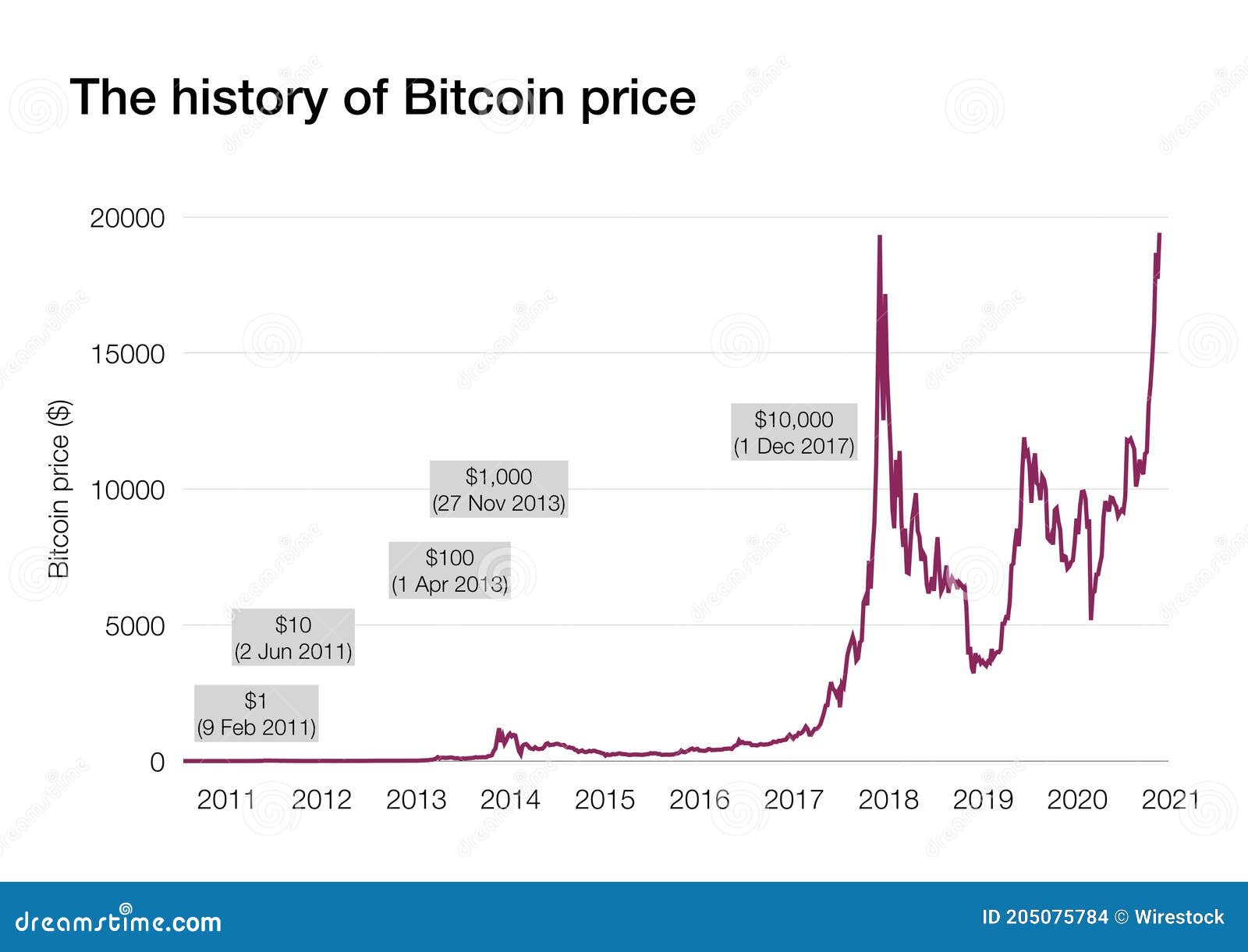
In recent weeks, Bitcoin (BTC) has made headlines by breaching the critical $95,000 resistance level, marking a significant milestone for the cryptocurrency. This surge was largely fueled by substantial inflows into Bitcoin spot ETFs, which demonstrated investors’ renewed confidence in the digital asset space. Specifically, a reported net inflow of around $760 million on a single day helped propel BTC to nearly $98,000, underscoring the importance of institutional investments in driving prices higher. These movements indicate a shift in market sentiment, where traditional financial instruments are increasingly recognizing Bitcoin’s potential as a viable asset class.
However, the current price dynamics are not without their challenges. Following the peak, Bitcoin experienced a sharp correction, dropping back to around $92,000 after the announcement of new tariffs affecting European countries. This volatility highlights the interconnected nature of macroeconomic factors and the crypto market. Analysts are watching closely to see how external pressures, such as inflation rates and geopolitical tensions, will shape Bitcoin’s trajectory. Despite the pullback, many in the investment community remain optimistic about Bitcoin’s long-term potential, particularly as it continues to attract significant capital inflows.
Crypto Market Trends: Influence of Tariffs and Regulations
Recent announcements regarding tariffs have introduced new uncertainties into the crypto market, affecting overall investor sentiment. Trump’s declaration of a 10% tariff on various European nations, with a possibility of escalation, has sparked concerns over economic fallout, which often translates into increased volatility in high-risk assets, including cryptocurrencies like Bitcoin and Ethereum. The immediate aftermath saw nearly $850 million in long positions liquidated, indicating that traders reacted quickly to the heightened macro risk sentiment. This correlation between geopolitical events and crypto prices emphasizes the necessity for investors to remain vigilant and informed about global developments.
Alongside tariff implications, regulatory changes continue to shape the landscape for cryptocurrencies. Significant legislative movements, including the stalled ‘CLARITY Act’ and the exploration of tokenized trading mechanisms by major exchanges, reflect growing institutional interest and efforts to legitimize the market. With financial giants like Goldman Sachs actively researching stablecoin technologies, the crypto ecosystem is on the brink of more mainstream acceptance. As these regulations evolve, they could foster a more stable environment for cryptocurrencies, potentially mitigating the impact of external shocks on their prices.
Inflation and Bitcoin: Trends to Monitor
Inflation remains a pivotal concern for investors navigating financial markets, including cryptocurrencies. The recent cooling of U.S. inflation rates, reported at a year-on-year core Consumer Price Index (CPI) of 2.6%, plays a critical role in shaping market expectations. As traditional economic pressures ease, Bitcoin often emerges as a refuge for investors seeking to hedge against inflation. The asset’s inherent deflationary qualities make it an attractive option during periods of economic stress, and its correlation with gold as a hard asset further bolsters this perception. Monitoring inflation trends will be essential in forecasting Bitcoin’s movement in response to macroeconomic changes.
As we look toward the future, the interplay between inflation data and Bitcoin’s price trajectory will continue to be significant. Should inflation rates remain subdued, Bitcoin could experience sustained upward momentum, supported by both retail and institutional investments. However, if inflation begins to tick up again, it could alter this narrative, affecting demand for cryptocurrencies. Investors should thus pay close attention to incoming inflation reports, as these will undoubtedly influence the decisions of market participants and the overall health of the crypto landscape.
BTC Price Forecast: Future Price Movements
Looking ahead, the forecast for Bitcoin’s price remains a topic of much speculation among traders and analysts. The recent breakout above $95,000, in conjunction with strong ETF fund inflows, suggests that BTC could maintain its bullish momentum in the near term. However, the overall market structure is still assessed as ‘healthy’ despite recent volatility, indicating potential stability as traders recalibrate their positions. Importantly, the focus now shifts to whether Bitcoin can sustain its price above the $90,000 mark. Success in holding this level could serve as a launching pad for further advances.
Conversely, if Bitcoin fails to hold above $90,000, there could be a reversion to the oscillation zone experienced since last November, leading to increased resistance in the market. Analysts will be closely watching patterns of ETF fund flows and their correlation with price movements, as these inflows could either propel BTC to new heights or indicate trouble ahead if they dwindle. Overall, the BTC price forecast will hinge on a variety of factors—from macroeconomic influences to regulatory developments—making it essential for investors to remain agile and informed in this rapidly evolving market.
Institutional Involvement: Understanding the Shift
Institutional involvement in the cryptocurrency market has increasingly transformed the landscape, bringing about greater legitimacy and stability. With heavyweights like Goldman Sachs confirming their active research into the implications of tokenization and stablecoin technologies, the entrance of traditional finance into this burgeoning sector could signal a paradigm shift. This institutional interest, underscored by impressive inflows into Bitcoin ETFs, showcases a growing acceptance of cryptocurrencies as a mainstream asset class. As institutions continue to explore and adopt blockchain technologies, it could pave the way for more innovative financial products and services.
However, the path to widespread adoption is not without hurdles. The complexities of crypto regulations can create uncertainty, deterring some institutions from fully committing. Recent legislative efforts, such as the progress on the ‘CLARITY Act’, reveal the tension between regulatory bodies and major industry players. As the regulatory landscape evolves, it is crucial for investors to observe how these developments influence institutional strategies and market dynamics. Successful navigation of these complexities could mean the difference between a thriving crypto ecosystem and one plagued by uncertainty.
Market Sentiment: Analyzing Investor Psychology
Market sentiment plays a crucial role in the dynamics of cryptocurrency pricing, often driven by a mix of investor psychology and external factors. The recent fluctuations in Bitcoin’s price, marked by a rise past $95,000 followed by a swift pullback, highlight how quickly sentiment can shift in the crypto world. Traders often react to news, both macroeconomic and political, with rapid buying or selling, revealing the volatility inherent in this market. Understanding the psychological factors at play—for instance, fear of loss or eagerness for gains—can provide valuable insights into future market movements.
Furthermore, investor behavior in the crypto market tends to be exacerbated during times of uncertainty, such as fluctuating inflation rates or geopolitical tensions. The responses to Trump’s recent tariff announcements exemplify this phenomenon, where fear led to significant liquidations within hours. Monitoring market sentiment indicators, such as fear and greed indexes, can assist investors in making informed decisions amid the whirlwind of news that characterizes the cryptocurrency landscape. Ultimately, maintaining awareness of both market sentiment and external factors will be vital for anyone looking to navigate the complexities of Bitcoin and other cryptocurrencies.
Leveraged Trading: Risks and Rewards
Leveraged trading can amplify returns in the cryptocurrency market, but it also introduces significant risks, especially during periods of heightened volatility. The recent liquidation of long positions totaling approximately $850 million emphasizes the dangers associated with excessive leverage. As Bitcoin surged to near $98,000, many traders had likely employed leverage to maximize their exposure, only to witness a rapid retreat that wiped out gains. Understanding the mechanics of leveraged trading, along with the potential for swift market corrections, is essential for anyone engaging in these high-stakes maneuvers.
Moreover, the current market dynamics suggest that while leverage can enhance potential profits, it can equally lead to substantial losses if not managed properly. The importance of risk management strategies cannot be overstated, as they ensure that traders can navigate downturns without facing catastrophic losses. With ongoing fluctuations in the crypto market, maintaining a balanced approach to leverage, combined with a thorough understanding of market trends, will be fundamental for traders seeking to thrive in this unpredictable environment.
Global Impact on Bitcoin: Tariffs and Beyond
The global economic landscape profoundly affects Bitcoin and the broader cryptocurrency market. Tariffs, such as those announced by Trump affecting European countries, can trigger waves of volatility that ripple through risk-sensitive assets, including cryptocurrencies. As countries implement countermeasures and retaliatory tariffs, the economic uncertainty can lead to decreased investor confidence, impacting trading volumes and price stability across the board. Traders must be keenly aware of these global developments, as they can have immediate and lasting implications on Bitcoin’s performance.
Additionally, geopolitical factors beyond tariffs—such as tensions in regions like the Middle East—further complicate the market. These factors contribute to an environment of risk aversion, where investors may seek safe havens or liquidate positions in volatile assets like BTC. Understanding these dimensions helps contextualize Bitcoin’s price movements and allows traders to make more informed investment decisions. In an interconnected global market, staying informed about international events that could impact investor sentiment is paramount for navigating Bitcoin’s often tumultuous waters.
The Future of Bitcoin: Projections and Obstacles Ahead
Looking ahead, Bitcoin’s future as a cryptocurrency remains both promising and uncertain. Positive projections indicate potential growth driven by continued institutional interest and a more robust regulatory framework. As more traditional investors enter the space, driven by developments such as ETF popularity and favorable inflation trends, Bitcoin could solidify its standing as a key asset class in diversified portfolios. This trajectory may usher in further mainstream adoption and technological advancements in blockchain applications.
Nonetheless, potential obstacles loom on the horizon. The inherent volatility of cryptocurrencies, exacerbated by geopolitical stresses and regulatory challenges, could hinder sustained price growth. Moreover, if inflation rates rise unexpectedly, it could create additional uncertainties that affect investor confidence. Thus, while projections for Bitcoin appear favorable, remaining adaptable to changing conditions and maintaining an informed perspective will be essential for navigating the evolving landscape of cryptocurrency investment.
Frequently Asked Questions
What factors contributed to the recent Bitcoin price analysis showing a surge past $95,000?
The recent Bitcoin price analysis indicates a surge past $95,000 was driven by significant ETF fund inflows, amounting to approximately $760 million in just one day. Additionally, cooling inflation data with the U.S. core CPI at 2.6% year-on-year provided further support, while a rebound in BTC trading against hard assets like gold also played a crucial role.
How do BTC ETF inflows affect Bitcoin price trends?
BTC ETF inflows directly impact Bitcoin price trends by increasing demand and liquidity. The recent influx of around $1.4 billion for the week heightened market confidence, pushing prices upward. The correlation between inflows and price spikes underscores the influence of institutional investments on Bitcoin, making ETF approval a critical factor in future price movements.
What impact do tariffs have on Bitcoin market trends, particularly in the current analysis?
In the current Bitcoin price analysis, newly announced tariffs by Trump on European countries introduced macroeconomic uncertainties, causing a pullback in BTC prices to around $92,000. These tariffs can negatively impact risk sentiment in the market, illustrating how geopolitical factors can disrupt crypto market trends and lead to increased volatility.
How does inflation influence Bitcoin price forecasts?
Inflation plays a significant role in Bitcoin price forecasts. The recent cooling inflation rates, demonstrated by the U.S. core CPI of 2.6%, have been beneficial for BTC as it strengthens its appeal as a hedge against inflation. This relationship suggests that as inflation pressures ease, Bitcoin may continue to attract investors looking for alternative assets, potentially increasing its price.
What is the outlook for Bitcoin given the current market conditions and BTC price analysis?
The current outlook for Bitcoin remains cautiously optimistic despite recent volatility. The Bitcoin price analysis indicates that as long as BTC can hold above $90,000 and continue to attract ETF fund flows, the market structure will likely remain healthy. However, if BTC fails to maintain this level, it could revert to previous resistance levels, signaling potential sell-offs.
Related: More from Bitcoin News | AI, BTC Miners Issue High | Bitcoin Above $69K? Glassnode Weighs In