


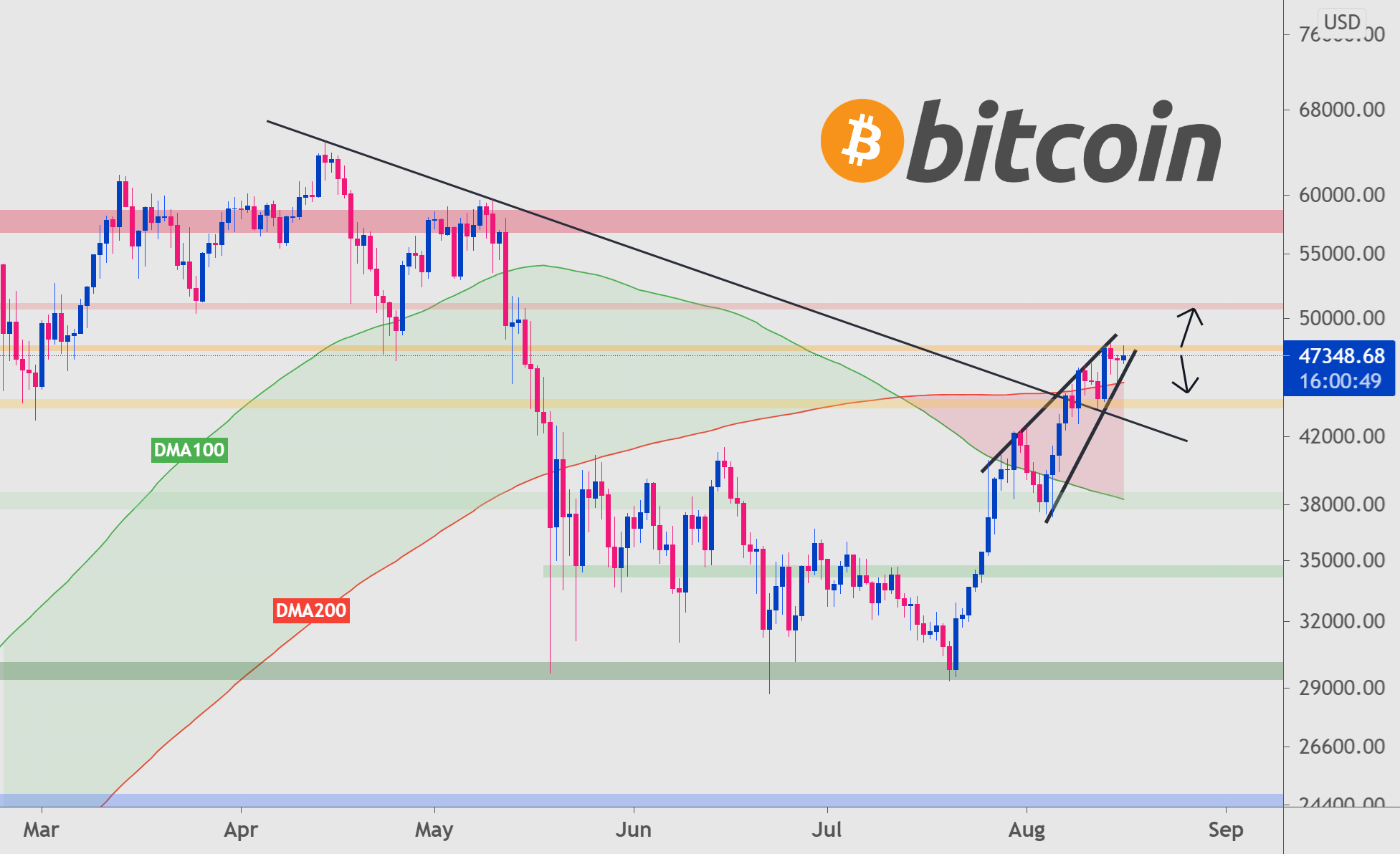

Bitcoin price action has captured the attention of traders as it navigates through a pivotal phase in early January. As Bitcoin reached a critical price target, market participants observed an intriguing scenario where the CME Group Bitcoin futures gaps now extend above the current price level. Despite a slight uptick of 1.1% on Wednesday, the sentiment among traders is mixed, with the crypto market analysis indicating potential caution amid macroeconomic turbulence. With Bitcoin trends in 2023 revealing significant fluctuations, many are assessing the impact of recent trading news and geopolitical factors on future price movements. As the situation evolves, Bitcoin remains closely watched, with analysts eagerly anticipating further developments in this dynamic landscape of digital currencies.

The recent behavior of Bitcoin’s market value has sparked widespread interest, as various indicators suggest a possible shift in momentum. Observations from the futures market, particularly the CME Bitcoin futures, reveal unresolved gaps that could influence trading strategies and outcomes. Analysts are carefully interpreting the latest Bitcoin trends while incorporating broader economic considerations into their assessments. Moreover, the emerging patterns and responses are indicative of a budding volatility within the digital asset realm. Ultimately, traders are on high alert to discern whether Bitcoin’s forthcoming trajectory can defy current uncertainties and establish a more stable position in the crypto ecosystem.
| Key Points |
|---|
| Bitcoin reached a significant price target at the beginning of January, with cautious traders observing price action near $90,000. |
| Bitcoin’s price dropped to fill a CME futures gap made at the yearly open, indicating a potential market revert. |
| Despite a slight bounce, traders are skeptical that the worst is over, with macroeconomic factors influencing the market. |
| Bitcoin is trading at its lowest levels since January, losing over $10,000 from its peak this month while gold continues to reach new highs. |
| Traders are divided; some anticipate a rapid rise while others express pessimism through lower lows and retesting trendlines. |
| The crypto market remains reactive to macroeconomic conditions, prioritizing capital preservation as uncertainty continues. |
Summary
Bitcoin price action in early January showcased significant volatility, leading to cautious trading behavior among investors. Despite an initial rebound towards the $90,000 mark, key market indicators indicated a vulnerable position, particularly after dropping to complete a CME futures gap. This has resulted in increased skepticism among traders about a sustained recovery, especially as traditional assets like gold hit record highs. Therefore, Bitcoin remains under close scrutiny as market dynamics shift, highlighting the importance of understanding price action in relation to broader economic influences.
Understanding Bitcoin Price Action and Its Implications
Bitcoin price action has become a focal point for traders and investors, especially following its recent fluctuations. In early January, Bitcoin reached a notable peak, encouraging optimism amidst market volatility. Yet, this ascendancy was soon met with a reality check; a significant drop to the $87,800 range indicated the filling of a CME Group’s Bitcoin futures gap from the year’s opening. This gap is crucial as it represents a zone where Bitcoin may experience price reversion, aligning with historical patterns observed in crypto market analysis.
The interplay of Bitcoin’s price action and macroeconomic influences has left many traders cautiously monitoring developments. While some analysts anticipate a rebound towards the $90,000 mark, highlighted by trader sentiment and market indicators, skepticism looms large. Notably, the hesitance from traders reflects a broader concern regarding overarching market conditions, particularly in how Bitcoin navigates through its trading channels amid fluctuating gold prices and looming global economic challenges.
Bitcoin Futures Gap: A Trader’s Perspective
The dynamics of Bitcoin futures gaps play a pivotal role in shaping trading strategies within the crypto landscape. Recent activities surrounding the CME Group Bitcoin futures have demonstrated how these gaps often serve as short-term price targets. As Bitcoin’s latest movements filled an open gap at the beginning of the year, traders have had to recalibrate their expectations about potential support and resistance levels. Understanding this mechanism is essential for those who wish to maximize their trading efficiency and minimize risk exposure.
Traders are split in their perspectives regarding how effectively the market will recover from this gap filling. Some, like trader CW, broadcast an optimistic outlook, predicting that this maneuver could stabilize and foster a rally. However, opposing views, such as those from trader Jelle, raise concerns about downward trends and the implications of retesting sell walls. This situation illustrates that while Bitcoin gaps offer potential trading opportunities, they also highlight the ongoing volatility that characterizes the crypto market.
The Current Trends Influencing Bitcoin in 2023
As we delve into Bitcoin trends in 2023, the market remains a mirror reflecting larger economic sentiments. This year, one of the notable trends is Bitcoin’s status as a high-beta risk asset that is heavily influenced by macroeconomic factors. The significant fluctuations in interest rates, geopolitical tensions, and market volatility all play a role in how Bitcoin performs, marking it as highly reactive rather than predictive. Such conditions suggest that market players must stay informed and agile, responding quickly to shifts in sentiment.
Moreover, as traditional commodities like gold achieve record highs, the performance of Bitcoin becomes even more critical to observe. The market dynamics highlight how Bitcoin’s appeal as a digital asset is directly tied to broader financial trends. As investors weigh their options between Bitcoin and more traditional hedges like gold, the continuous juxtaposition of performance encourages rigorous analysis and strategic foresight.
Analyzing the Impact of Market Sentiment on Bitcoin Trading News
In the landscape of crypto trading news, market sentiment is a crucial factor that drives Bitcoin’s price swings. With every piece of information, from macroeconomic updates to regulatory announcements, traders’ reactions can either inflate or deflate Bitcoin’s perceived value. Recent Bitcoin price actions have shown that trader sentiment can be quite volatile; when expectations are sharply aligned with news events or market movements, significant price changes can ensue.
Furthermore, understanding the psychological aspects of trading enhances the decision-making process for investors. As the adage goes, ‘buy the rumor, sell the news,’ traders are constantly making pre-emptive moves based on their analysis of emerging information and public sentiment around Bitcoin’s future. Thus, keeping a pulse on trading news and emerging trends is not just advisable; it’s essential for navigating the complexities of the cryptocurrency market effectively.
The Role of Macroeconomic Factors in Bitcoin’s Performance
Macroeconomic factors have a profound impact on Bitcoin’s performance and price action. Recent data illustrates that Bitcoin trades in synchrony with broader economic trends, particularly as it has been responding dynamically to fluctuations in interest rates and geopolitical developments. The reactionary nature of Bitcoin has prompted analysts to characterize it as a high-beta asset, suggesting that it can be more volatile compared to traditional investments in times of economic stress.
Moreover, as traditional markets react to uncertainties, Bitcoin’s role as a speculative asset tends to attract both risk-averse and high-risk traders alike. Therefore, the ongoing analysis of how these macroeconomic indicators influence Bitcoin’s trading behavior remains critical, especially for those looking to capitalize on potential price movements stemming from these external factors. The market’s current climate prioritizes capital preservation, making vigilance important for Bitcoin traders.
The Influence of Gold on Bitcoin Investors’ Decisions
Gold and Bitcoin have often been compared as alternative investments, particularly during times of economic uncertainty. Recent highs in gold prices have underscored its position as a reliable hedge. The continued ascent of gold to unprecedented levels has led some investors to reconsider their positions in Bitcoin, weighing the potential risks and rewards associated with holding volatile crypto assets versus more stable commodities.
As traders observe the interplay between these two assets, it is evident that Bitcoin’s ability to serve as a digital store of value is continuously challenged. The lagging price performances as compared to gold influence trading strategies and investor confidence. In scenarios where gold shines, Bitcoin must adapt and prove its utility in the portfolio management context, especially among investors looking for more stable wealth preservation during turbulent financial times.
Market Analysis: The Behavioral Trends of Bitcoin Traders
Market analysis reveals the cyclical behavioral trends exhibited by Bitcoin traders. As enthusiasm fades with diminishing returns or failed breakout scenarios, traders shift their strategies accordingly. This year has introduced a notable dichotomy: on one hand, bullish sentiments drive expectations for upward trends, while on the other, the prevailing caution stemming from observed price actions keeps many on the sidelines. The dual nature of trader psychology fundamentally shapes market reactions to Bitcoin.
Traders who are observant of these behavioral trends can capitalize on these shifts, employing strategies that align with the prevailing market sentiment. As they assess Bitcoin’s resilience in the face of macroeconomic pressures and competitor assets like gold, their trading moves can foster strategic advantage. The intersection of psychology and market dynamics makes understanding trader behavior integral to successful crypto investments.
CME Group Insights: Future Strategies for Bitcoin Trading
The CME Group provides critical insights into the future landscape of Bitcoin trading through its futures contracts. These contracts not only allow traders the ability to hedge against market volatility, but they also serve as a barometer for gauging market expectations. Recent activities, wherein traders filled the futures gaps from the year’s open, mark a significant point for potential price resurgences, prompting traders to reassess their strategies.
Investors must recognize that engaging with Bitcoin futures creates a nuanced approach to trading, one that diverges from conventional spot market transactions. By analyzing the CME Group data, crypto traders can formulate strategies that capitalize on expected price movements while managing the inherent risks associated with futures contracts. In doing so, they position themselves to be more agile in a landscape characterized by rapid changes and opportunities.
Future Trends in Bitcoin Trading: What to Watch
As we move forward in 2023, several trends will be pivotal in shaping the future of Bitcoin trading. Analysts predict that the volatility instigated by macroeconomic shifts, such as changes in monetary policy or global economic disturbances, will intensify. Investors should keep their eyes on Bitcoin’s price action closely as well as the data released by the CME, particularly focusing on any emerging patterns that may guide their decisions.
Furthermore, the standardization of regulatory frameworks worldwide may serve as both a challenge and opportunity for Bitcoin traders. As governments and financial institutions begin to take a more definitive stance on cryptocurrencies, traders must stay informed on legislative developments that could impact Bitcoin’s status within the larger financial ecosystem. These factors combined create a multifaceted environment for Bitcoin trading that warrants continuous analysis and proactive strategy development.
Frequently Asked Questions
What does the recent Bitcoin price action indicate about market trends for 2023?
The recent Bitcoin price action has been quite volatile, with significant fluctuations leading to caution among traders. Bitcoin reached a crucial rebound target near $90,000, yet concerns persist as it recently filled a CME Group Bitcoin futures gap at the yearly open, indicating potential instability in market trends for 2023.
How do CME Group Bitcoin futures gaps affect Bitcoin price action?
CME Group Bitcoin futures gaps often act as important price targets. The recent Bitcoin price action revealed that traders closely monitor these gaps, as filling them can result in short-term price reversals. This behavior highlights gaps as critical focal points within Bitcoin’s price action and market dynamics.
What are the implications of Bitcoin’s recent price drop in relation to crypto market analysis?
The recent drop in Bitcoin’s price suggests a cautionary stance among traders in crypto market analysis. The decrease, which saw Bitcoin fall below $87,800 and fill a CME futures gap, signifies a potential bearish trend as the market reacts to macroeconomic factors, emphasizing the need for investors to reevaluate their strategies.
How has Bitcoin’s trading news influenced its price action this January?
Bitcoin’s trading news this January has been pivotal, with its price action reflecting a significant decline after reaching high points earlier in the month. As Bitcoin retraced to fill the CME futures gap, markets have become responsive to external economic pressures, leading to a cautious trading atmosphere.
Why are traders divided over the strength of Bitcoin’s price action currently?
Traders are divided over Bitcoin’s price action due to contrasting market signals. While some anticipate a stable rally following the filling of a CME Group Bitcoin gap, others express pessimism regarding recent trendline retests. This divergence reflects uncertainty about Bitcoin’s ability to sustain its recent gains amidst fluctuating market conditions.
Related: More from Bitcoin News | AI, BTC Miners Issue High | Bitcoin Above $69K? Glassnode Weighs In