


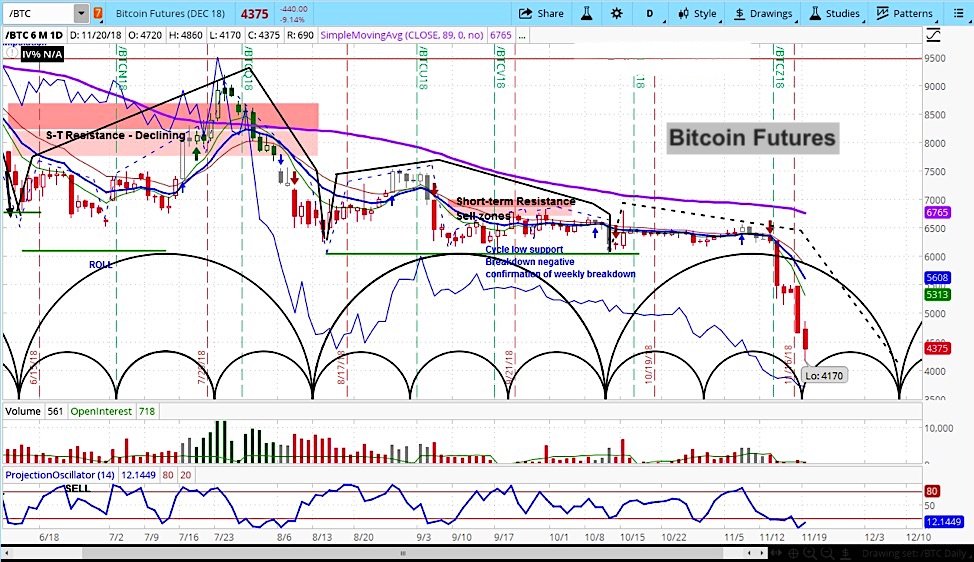

In the aftermath of the Bitcoin post-collapse analysis, a profound investigation into the remnants of this once-thriving digital ecosystem reveals the underlying mechanics of its decline. This exploration not only addresses the factors that contributed to Bitcoin’s stagnation but also serves as a digital archaeological dig into the financial practices that defined an era. By examining key metrics such as the Bitcoin difficulty dynamics and block confirmation times, we gain insights into the cryptocurrency‘s operational resilience. The concepts of Bitcoin survival analysis shed light on how the network managed to persist even as human involvement waned. As we delve deeper into the complexities of Bitcoin blockchain exploration, we can uncover lessons that shape our understanding of the future of Bitcoin and the lasting impacts of its innovative design.

Following the speculative evaluation of Bitcoin’s historical performance following its collapse, we embark on a narrative that showcases the insights gleaned from analyzing the digital ledger left behind. This retrospective dives into the intricate details of the Bitcoin network’s functionality during times of crisis, highlighting the vital role of blockchain technology in preserving data over time. By utilizing various methodologies, including investigations into mining difficulty metrics and transaction patterns, we can better grasp the essential mechanisms at play in the cryptocurrency landscape. Alternative interpretations of Bitcoin’s trajectory also emerge, providing a richer context for understanding its resilience and adaptability. As we assess the remnants of this digital currency, parallels can be drawn to the practices of alien archaeologists attempting to decode the complexities of an advanced civilization.
Understanding Bitcoin’s Collapse Through Alien Archaeology
In a world where humanity has disappeared, how would remnants of our technology be interpreted by future alien scholars? This exploration into the mechanics of Bitcoin offers a glimpse into how an alien archaeologist might decode the data encapsulated in the Bitcoin blockchain. By utilizing the inherent timestamp and difficulty adjustments recorded in Bitcoin, these extraterrestrial beings could ascertain human civilization’s complexities and its eventual decline. The advances of Bitcoin’s block interval dynamics allow for precise calculations around when human activities ceased, effectively mapping a timeline of technological usage and its deterioration.
The process of analyzing Bitcoin through the lens of alien archaeology relies on interpreting the digital artifact meticulously left behind. Every block in the blockchain serves as a timestamp revealing how consistently and effectively the technology operated. This prevailing analysis resonates with those studying the ‘future of Bitcoin’, as understanding its resilience could provide insights into how technology can withstand or fail under stress. Factors such as the blockchain difficulty metrics play a key role in this evaluation; they encapsulate not just the challenges of maintaining Bitcoin’s integrity, but also the shadows of human influence on its evolution.
Bitcoin Blockchain Exploration: Key Findings Post-Collapse
The exploration of the Bitcoin blockchain as a historical artifact unveils significant findings in light of operational changes post-human collapse. Alien archaeologists might discern periods of heightened difficulty and the metabolism of block generation as vital clues indicating energy sources and technological engagement during humanity’s twilight. Post-collapse, patterns may reveal that Bitcoin’s operational characteristics—likely adapted to the available energy—creatively mapped out how long systems stumbled on after society’s end.
Such dynamic analysis could draw parallels between Bitcoin’s survival analysis and the ecological footprints left on Earth. The fluctuations in block timings, especially the gradual extension of time between blocks, serve as evidence of dwindling energy resources and the, ultimately, the degradation of mining operations. These findings reveal not only the limitations of Bitcoin in a post-human context but also provide an intriguing data set for understanding how technology and energy interdependencies inform sustainability, a pressing issue in discussions about the future of Bitcoin.
The Role of Difficulty Metrics in Bitcoin Archaeology
In analyzing Bitcoin’s durability, the importance of difficulty metrics cannot be overstated. Alien archaeologists, interpreting the shifts in Bitcoin’s difficulty over epochs, would be able to chart technological decline and resource scarcity. As mining difficulty adjusts every 2016 blocks, it mirrors the trials experienced during downturns in human activity, indicating how power availability dictated the blockchain’s operational tempo. These difficulty metrics effectively demonstrate a timeline of active engagement, paralleling the narrative of humanity’s engagement with technology and its subsequent withdrawal.
This focus on metrics not only provides insight into how alternate civilizations could leverage technology but also informs current Bitcoin users about risk management in face of fluctuating miner participation. Insights drawn from this analysis highlight the necessity for understanding grid stability and the implications of energy choices surrounding Bitcoin mining. That knowledge could blend seamlessly with contemporary discussions on the environmental impacts of Bitcoin, framing the discourse around energy consumption and technological footprints in a meaningful way.
Cessation of Payments: Implications for Bitcoin’s Future
The cessation of payments and the consequent analysis leads to crucial insights regarding Bitcoin’s trajectory. Upon analysis, the alien archaeologists would arrive at the conclusion that a significant halt in transactions indicates a systemic failure, echoing the importance of active participants in a network. Understanding this cessation reminds us of the potential vulnerabilities in Bitcoin infrastructure, particularly in terms of real-world participation and economic viability. Such findings stress the necessity of ensuring a robust network and could inform any future designs aimed at sustaining cryptocurrency ecosystems.
As we reflect on the implications of these findings, they urge us to reconsider Bitcoin’s viability in future scenarios where economic activities might cease. Maintaining healthy transaction levels is critical for Bitcoin’s ongoing survival, and the link between user engagement and network resilience cannot be overstated. These observations serve as a stark reminder that for any technological system to thrive, it must adapt to the conditions of its operating environment, a lesson that remains pertinent even as we advance towards the future of Bitcoin.
Power Sources and Their Role in Bitcoin Sustainability
From this archaeological perspective, examining power-source timing signatures connected to Bitcoin provides essential insights into energy dependency and sustainability. The analysis demonstrates how varying energy sources supported Bitcoin mining, influencing block production rates over time. These factors ultimately determined the longevity of blockchain operations after the cessation of human activity, highlighting how renewable energy sources such as solar, wind, and hydro might enable a transition to a more sustainable Bitcoin ecosystem.
The correlation between power sources and block production creates a compelling narrative regarding Bitcoin’s ecological footprint. With contemporary discussions centering around sustainable mining practices, these past trends serve as signals for guiding future practices in Bitcoin mining. As we rethink our relationship with energy, understanding how alien archaeologists would frame this narrative could provide critical lessons for today’s stakeholders in exploring long-term sustainability strategies within the Bitcoin infrastructure.
Timestamp Drift: Insights into Network Behavior
Timestamp drift presents a fascinating analytical angle in the Bitcoin exploration post-collapse. The phenomenon where miner timestamps moved away from synchronized measures sources illustrates the impact of operational challenges on network integrity. By interpreting these shifts, archaeologists could gather valuable data about the behavior of remaining systems, demonstrating how dependency on accurate timekeeping influences block validation processes. This aspect of the investigation aids in illustrating Bitcoin’s resilience, as it adapts to varying degrees of operational integrity.
In discussing timestamp drift, it becomes necessary to connect these findings to contemporary blockchain governance, emphasizing the importance of maintaining network accuracy. This perspective underscores the critical role that time plays in confirming transactions and mining operations, hinting at potential vulnerabilities in real-world applications. Understanding these dynamics can help reinforce the mechanisms needed to enhance stability and consensus in any future cryptocurrency networks, thereby shaping a more resilient operational framework.
Remnant Markings in the Bitcoin Ledger
The remnants in the Bitcoin ledger, such as Coinbase tag strings, provide fascinating insights into the historical narrative of Bitcoin’s operational landscape. These tags serve as identifiers, linking to mining pools and providing clues about mining activity patterns during humanity’s existence. Alien archaeologists studying these markers would ensure that the continuity of knowledge is retained, portraying early operators’ impact and contributing to an understanding of technology’s evolutionary aspects.
The persistent markers demonstrate the long-lasting nature of blockchain technology and how even in absence of human activity, this information remains preserved. This raises essential inquiries about the longevity of digital records and their role in historical analysis. As we ponder over cryptocurrencies, recognizing these patterns helps present a case for the importance of historical context in shaping future financial systems, encouraging stakeholders to adopt practices that ensure the integrity of digital records.
Mapping Energy Cadence and Its Effects on Blockchain Performance
Mapping energy cadence in Bitcoin provides critical insights into the operational capability of the network post-humanity. By observing the peaks and valleys of block production over time, alien archaeologists would delineate how energy availability directly affected the performance of Bitcoin mining—an essential consideration for understanding the system’s functional resilience. This relationship offers a glimpse into the intricate dependencies between energy supplies and technological outputs.
Furthermore, these findings emphasize the evolving conversation surrounding Bitcoin’s future, particularly the fusion between cryptocurrency and sustainable energy solutions. The patterns detected by tracing energy inputs and corresponding blockchain outputs advocate for rethinking mining strategies to align with available energy sources, fostering technologies that are adaptable and sustainable over time. These learnings play a crucial role in informing future practices aimed at enhancing Bitcoin’s durability and long-term viability.
Decoding Historical Patterns through Bitcoin’s Metrics
Decoding historical patterns through the metrics within the Bitcoin blockchain delivers revelations about past behaviors and future implications. The intricate relationships between block time and mining difficulty configurations reflect the larger narrative of technological evolution experienced by humanity. Armed with this knowledge, alien explorers could detect fluctuations in economic activity and correlate them to broader societal shifts, appealing to our historical understanding of civilizations.
Moreover, this decoding process highlights the necessity of utilizing data-driven approaches to inform predictions about Bitcoin’s adaptability going forward. Establishing metrics that not only trace technological growth but also gauge the resilience of financial systems under strain could empower current and future stakeholders to address vulnerabilities effectively. Ultimately, we are reminded that understanding historical data helps pave the way for innovative methodologies in navigating the ever-evolving landscape of cryptocurrency.
Frequently Asked Questions
What is the significance of Bitcoin post-collapse analysis in understanding network sustainability?
Bitcoin post-collapse analysis is essential for evaluating the sustainability of the network after economic activity ceases. By examining metrics such as block intervals, difficulty adjustments, and transaction outputs, we can assess how long Bitcoin transactions can be reliably processed with dwindling resources. This analysis highlights the relationship between energy availability and network performance, crucial for the future of Bitcoin.
How does the Bitcoin blockchain explore the impact of technological failure on mining?
The Bitcoin blockchain serves as a historical record that allows us to explore the effects of technological failure on mining operations. By analyzing block headers and coinbase transactions post-collapse, we can identify patterns of operational decline and the resilience or fragility of the network based on the available energy resources.
What insights can an alien archaeologist gain from Bitcoin’s collapse and subsequent network behavior?
An alien archaeologist can gain profound insights into human technological reliance and the eventual decay of Bitcoin’s network post-collapse. Their analysis would focus on block difficulty metrics and timestamps to reconstruct how energy availability influenced transaction frequency and network sustainability over time.
What are the key findings from Bitcoin survival analysis following a significant collapse?
Key findings from Bitcoin survival analysis indicate that after the collapse of human-directed payments, the network continued to operate on minimal power sources. The analysis reveals difficulty terraces and the average block production time, enabling researchers to estimate how long the network could run on residual resources, reflecting on Bitcoin’s resilience amid failures.
What do Bitcoin difficulty metrics reveal about the network’s operational limits after a collapse?
Bitcoin difficulty metrics reflect the network’s operational limits by demonstrating how block production time increases as hash rates drop. Following a collapse, these metrics can indicate prolonged intervals between blocks and reveal the underlying challenges faced by any surviving miners, showcasing the effects of diminishing computing power on the blockchain.
| Key Point | Details |
|---|---|
| Cessation of Payments | Payments ceased approximately 10.6 years before alien arrival, with block output equal to programmed subsidy. |
| Power-Source Timing Signatures | Different energy sources were identified through block arrival patterns strongly tied to solar cycles. |
| Difficulty Terraces | Block timing varied dramatically post-collapse creating distinct ‘terraces’ in difficulty levels. |
| Network Decay | Patterns of miner timestamps revealed drift and network partitions post-human activity. |
| Identification of Components | Constant elements such as coindbase tag signatures remained identifiable for years after operators ceased activity. |
Summary
The analysis of Bitcoin post-collapse sheds light on the longevity of the network even in the absence of human oversight. By examining the blockchain, it is evident that the intricate mechanisms of difficulty adjustment and timestamp regulation preserved a record of operational patterns that provide insights into energy supply and network decay. Alien archaeologists could interpret these findings to reconstruct the narrative of humanity’s economic activities and the subsequent machine activity that continued long past the cessation of payments.
Related: More from Bitcoin News | Bitcoin Surges Above $68K After Iran Confirms Khamenei Death | Shift in demand Bitcoin’s future in an artificial intelligence-driven world may depend