


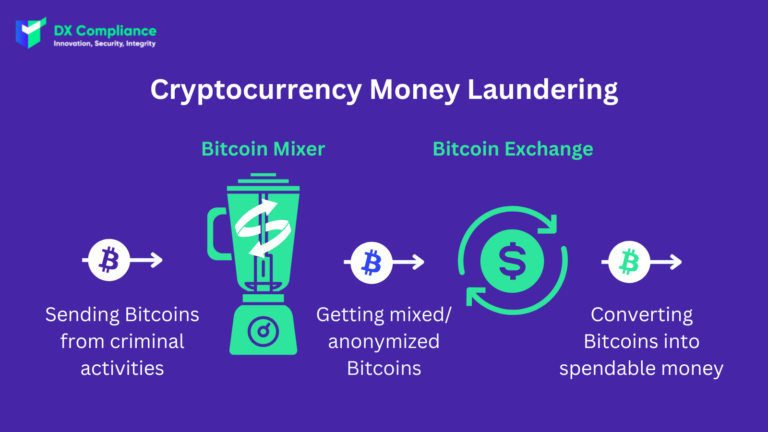

Bitcoin money laundering has emerged as a pivotal concern in the realm of crypto crime, particularly in regions grappling with organized crime. In Brazil, a recent case highlighted the dramatic misuse of Bitcoin by a criminal organization involved in drug trafficking and kidnapping, laundering profits exceeding $95 million. The Brazilian Federal Court has taken significant action by sentencing 14 individuals, including a prison security officer, to lengthy prison terms for their roles in this money laundering scheme. The investigation revealed a sophisticated BTC laundering operation that cleverly disguised illicit activities through various industries like food trade and luxury goods. As cryptocurrency crimes attract attention globally, the need for stringent regulations to combat such abuses of digital currencies is becoming increasingly urgent.

The illicit use of digital currencies to conceal the proceeds of crime is often referred to as cryptocurrency laundering. This emerging issue is particularly prominent in Brazil, where organized crime groups exploit blockchain technology to obscure financial transactions from authorities. Law enforcement agencies are facing challenges in tracking these operations, such as those linked to drug trafficking and kidnapping, highlighting the complexity of modern money laundering tactics. The involvement of multiple shell companies and false identities in these money laundering schemes raises significant concerns about the integrity of financial systems. As jurisdictions work to adapt to the growing threat of crypto-related crimes, understanding these alternative terms becomes crucial for effective prevention and enforcement.
Understanding Bitcoin Money Laundering
Bitcoin money laundering has emerged as a significant concern in the realm of cryptocurrency crimes, especially in countries like Brazil where drug trafficking is rampant. With the introduction of digital currencies, illicit organizations have discovered a new avenue for concealing the origins of their profits. In many cases, these bodies exploit the decentralized and pseudonymous nature of Bitcoin transactions to obscure the flow of illicit funds. This has led to a growing body of evidence linking Bitcoin to various drug-related crimes, as seen in recent investigations by Brazilian authorities.
Criminal groups are increasingly sophisticated in their use of Bitcoin and other digital currencies to facilitate laundering schemes. They engage in a variety of activities, including the establishment of shell companies and the creation of complex accounting systems to mask their illegal undertakings. These efforts are particularly evident in cases involving large sums derived from drug trafficking, where the need to launder millions of dollars can drive organizations to adopt new technologies and methods. It is crucial for regulatory bodies to stay ahead of these developments to combat BTC laundering effectively.
The Role of Cryptocurrency in Drug Trafficking
Cryptocurrency crimes have been increasingly linked to drug trafficking networks across the globe, with Brazil being a prime example. The country’s ongoing battle with drug-related violence has led many traffickers to explore Bitcoin as a means of circumventing traditional banking systems and laundering their profits. By leveraging the unique characteristics of cryptocurrencies, these criminals can easily manipulate financial systems, making it harder for authorities to trace the origin of funds. The recent sentencing of 14 individuals in Brazil underscores the significant role cryptocurrency plays in facilitating these underground operations.
The operational methods of drug traffickers utilizing digital currencies often involve creating a façade of legitimacy. Criminals may establish businesses seemingly engaged in legal trades, such as food and luxury goods, while using them as fronts to launder the proceeds of their illicit activities. The ability to track and trace transactions on the blockchain presents a double-edged sword—while it offers some transparency, criminals often develop intricate schemes to exploit these systems, complicating law enforcement efforts.
Investigating BTC Laundering Schemes
The investigation into BTC laundering schemes has revealed the extensive use of false identification and misleading accounting practices among criminal organizations. In a recent high-profile case in Brazil, law enforcement uncovered an elaborate operation where individuals exploited fake tax records and shell companies to conceal their lucrative, illicit drug trafficking profits. This scheme demonstrates how adaptable and resourceful these organizations can be in their efforts to evade detection while engaging in large-scale money laundering.
To dismantle such laundering schemes, investigators must employ a multifaceted approach that includes digital forensics and the analysis of transaction patterns within the blockchain. By understanding the flow of Bitcoin through various addresses and wallets, authorities can identify suspicious activities and connect them back to criminal organizations. Efforts to combat BTC laundering also entail collaboration between international law enforcement agencies, as many of these schemes cross borders and involve global networks.
Impact of Cryptocurrency Crimes on Brazil’s Economy
The rise of cryptocurrency crimes, particularly Bitcoin money laundering, poses significant threats to Brazil’s economic landscape. As drug traffickers employ digital currencies to obscure the origins of their profits, the potential for economic instability increases. Money laundering schemes can damage legitimate businesses, distort markets, and undermine public trust in financial institutions. This concern is exacerbated in regions already plagued by organized crime and violence.
Moreover, the implications of these crimes extend beyond the immediate financial damages. The use of Bitcoin in illicit activities can tarnish the country’s reputation on the global stage, deterring foreign investment and impacting Brazil’s standing in international trade. As authorities work to crack down on these activities, it is essential to implement robust regulatory frameworks that can deter potential offenders and ensure that investments in technology do not come at the cost of economic integrity.
Enforcement Challenges in Combatting Crypto Crime
Combatting cryptocurrency crimes presents unique challenges for law enforcement agencies, particularly in the context of money laundering. With the nature of Bitcoin transactions being decentralized and largely anonymous, tracing illicit funds back to their sources can be incredibly complex. Criminals adapt quickly, using various techniques to obfuscate their activities, including mixing services that further disrupt transaction trails.
In Brazil, the authorities face the dual challenge of dismantling entrenched drug trafficking networks while simultaneously adapting to the rapidly evolving cryptocurrency landscape. Through increased training and better resource allocation for cybercrime units, law enforcement can enhance their capabilities to investigate and prosecute those involved in Bitcoin money laundering schemes. Collaboration with tech companies and international law enforcement agencies is also crucial in developing effective strategies to combat these digital crimes.
Legal Measures Against Cryptocurrency-related Offenses
In light of the growing prevalence of cryptocurrency-related offenses, Brazilian lawmakers are taking steps to develop legal measures that address Bitcoin money laundering and other associated crimes. Recent legislative initiatives aim to regulate the use of digital currencies and bolster the legal framework for prosecuting offenders. By creating clearer definitions and guidelines, authorities hope to enhance their ability to tackle crypto crimes effectively.
These legal measures will include stricter penalties for those convicted of engaging in money laundering schemes involving cryptocurrencies. By imposing harsher consequences, the government aims to deter potential criminals from utilizing Bitcoin as a means to facilitate illicit activities. Moreover, as international norms around cryptocurrency regulation evolve, Brazil aims to align its laws with global standards to combat drug trafficking and money laundering in the digital age.
The Future of Cryptocurrency Regulation in Brazil
As the landscape of cryptocurrency continues to evolve, the need for comprehensive regulations becomes increasingly urgent. Brazil’s approach to regulating Bitcoin and other digital currencies will play a pivotal role in mitigating the risks associated with crypto crimes such as drug trafficking and money laundering. By adopting forward-thinking policies that encourage innovation while safeguarding against financial crimes, Brazil can position itself as a leader in the regulatory sphere.
Future regulations may involve enhanced KYC (Know Your Customer) requirements for cryptocurrency exchanges and stricter compliance measures designed to prevent money laundering. The introduction of technological solutions, such as blockchain analytics, will be crucial in ensuring that law enforcement can effectively monitor transactions and investigate potential criminal activities. By fostering collaboration between government, law enforcement, and the private sector, Brazil can create a more resilient and transparent cryptocurrency ecosystem.
Raising Public Awareness on Crypto-Related Crimes
An often-overlooked aspect of combatting cryptocurrency crimes is raising public awareness about the risks associated with digital currencies. As Bitcoin continues to gain popularity, educating the general public on the potential pitfalls of investing in cryptocurrencies and the link between Bitcoin money laundering and organized crime is crucial. Awareness campaigns can empower individuals to recognize red flags and report suspicious activities to law enforcement.
Moreover, educating businesses about the importance of compliance in cryptocurrency transactions can deter organizations from unwittingly facilitating illicit activities. By understanding the legal landscape and the implications of ignoring compliance measures, companies can contribute to a healthier financial ecosystem that discourages crypto crime. Engaging the public in conversation about the use of cryptocurrencies may also help foster a culture of vigilance against financial malfeasance.
Global Perspectives on Cryptocurrency and Drug Trafficking
The relationship between cryptocurrency and drug trafficking is not confined to Brazil; it has become a global issue that necessitates international cooperation. Countries worldwide are grappling with how to regulate Bitcoin and other digital assets in the face of increasing criminal exploitation. The challenges posed by cryptocurrency crimes transcend borders, requiring countries to work together to develop common standards and practices for monitoring and combating such activities.
Cross-border collaborations can facilitate the sharing of intelligence and resources, enhancing the ability to combat BTC laundering and its associated crimes effectively. By learning from other jurisdictions that have developed stringent regulatory frameworks, Brazil and other nations can tailor their approaches to fit local requirements while still addressing the broader challenges of crypto crime. Ultimately, the goal is to create a cooperative environment where nations can protect themselves from the adverse impacts of illicit cryptocurrency activities.
Frequently Asked Questions
What is Bitcoin money laundering and how is it used in crypto crime?
Bitcoin money laundering refers to the process of concealing the origins of illegally obtained Bitcoin, often derived from activities like drug trafficking or other crypto crimes. Criminal organizations use methods such as shell companies and fake transactions to disguise the flow of money, ensuring that profits from illegal activities can be utilized without detection.
How does Bitcoin laundering relate to drug trafficking in Brazil?
In Brazil, Bitcoin laundering has been linked to drug trafficking operations, where criminals convert drug profits into Bitcoin to mask their true origins. This allows them to move large sums of money across borders and reinvest it into the illicit drug trade, making it a crucial element of their money laundering schemes.
What are the consequences of BTC laundering in Brazil?
The consequences of BTC laundering in Brazil can be severe, as demonstrated by the recent sentencing of 14 individuals linked to laundering over 95 million dollars from drug and kidnapping profits. Perpetrators face long prison sentences, reflecting the serious stance that Brazilian authorities take against cryptocurrency crimes.
Can Bitcoin be traced in money laundering schemes?
Yes, while Bitcoin transactions can offer a degree of anonymity, they are ultimately traceable on the blockchain. Law enforcement agencies employ advanced forensic techniques to track suspicious activity and uncover BTC laundering schemes, especially when they involve significant sums linked to drug trafficking or other violent crimes.
What tactics do criminals use in Bitcoin money laundering?
Criminals involved in Bitcoin money laundering often utilize tactics such as creating shell companies, using false tax identification numbers, and engaging in false accounting to obscure the source and destination of funds. These approaches enable them to disguise illegal profits as legitimate income, especially in sectors like food trade or luxury goods to evade detection.
How is the Brazilian justice system addressing cryptocurrency crimes like Bitcoin laundering?
The Brazilian justice system is actively addressing cryptocurrency crimes, including Bitcoin laundering, by investigating and prosecuting networks involved in these activities. Recent court sentences, such as the lengthy prison terms handed out to those convicted, illustrate a commitment to combating crypto crime linked to drug trafficking and other illicit activities.
What are the implications of the court rulings on BTC laundering for the future of cryptocurrency regulations?
The court rulings on BTC laundering in Brazil suggest a potential tightening of cryptocurrency regulations, as authorities seek to deter illegal activities and enhance transparency. Such legal actions may lead to more stringent compliance requirements for crypto exchanges and increased scrutiny of crypto transactions related to dubious activities.
| Key Point | Details |
|---|---|
| Sentences for Individuals | 14 individuals were sentenced for laundering over $95 million using Bitcoin. |
| Main Perpetrators | Two main perpetrators received sentences of over 21 years, including a prison security officer. |
| Nature of Crimes | Crimes involved drug trafficking, kidnapping for ransom, and money laundering. |
| Operational Period | The organization operated from April 2019 to July 2024. |
| Headquarters | The group operated primarily in Minas Gerais and Paraná. |
| Methods of Laundering | The group used Bitcoin and other cryptocurrencies, along with fake businesses, to conceal their activities. |
Summary
Bitcoin money laundering has become a significant issue as evidenced by the recent Brazilian Federal Court’s decision to convict a group involved in the laundering of over 95 million dollars. This case highlights the methods used by criminals to disguise illicit activities through the use of cryptocurrencies and underscores the challenges law enforcement faces in combating such practices. As the prevalence of cryptocurrencies continues to rise, so does the need for more robust regulation and oversight to prevent them from being exploited for unlawful purposes.
Related: More from Bitcoin News | JPMorgan: New Legis. Could Spark Bitcoin Growth | Bitcoin Fork Proposal Fails to Gain Support