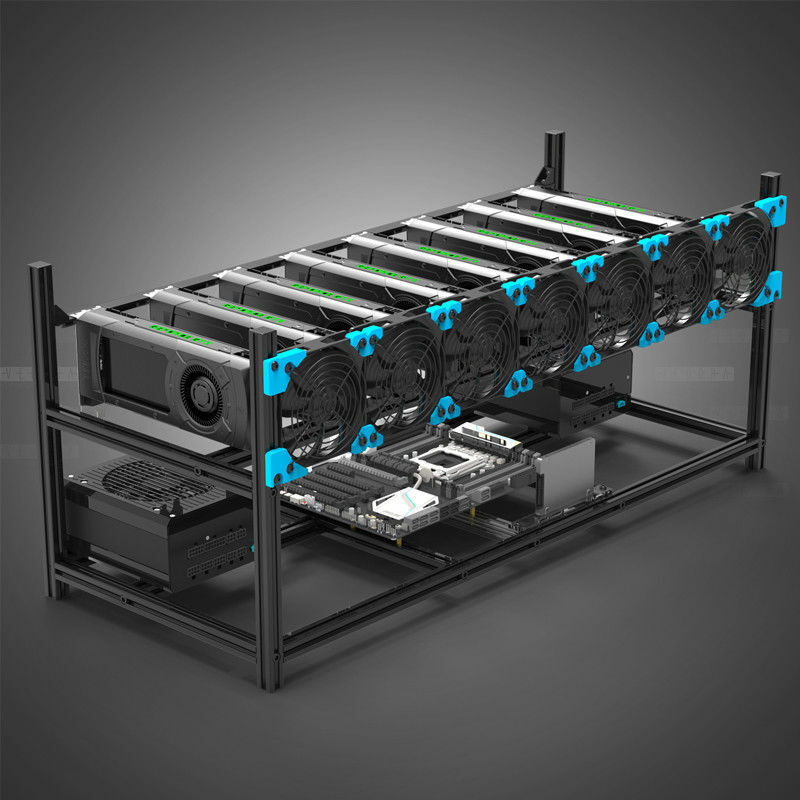

As the cryptocurrency landscape continues to evolve, Bitcoin mining rig prices have taken a significant shift, following Bitmain’s recent announcements. This price reduction comes at a time when the traditional correlation between rising Bitcoin prices and escalating mining hardware costs appears to be breaking down. The consequences of declining revenues per hash unit have prompted Bitmain to cut costs, especially for its hydro and immersion models, which are pivotal in today’s mining economics. With ASIC miners pricing now more accessible, potential miners can reconsider their entry strategies in a marketplace where hardware costs were once a barrier to entry. The ongoing hashprice trends indicate a market that is stabilizing, encouraging a reevaluation of investment in Bitcoin mining hardware for enthusiasts and professionals alike.
In the world of cryptocurrency, the term “Bitcoin mining equipment costs” has become increasingly relevant, particularly as changes in market conditions influence purchasing decisions. With every adjustment in pricing for ASIC miners, industry players must reassess their strategies to remain competitive while ensuring profitability amid fluctuating hash revenue. Recently, leading suppliers like Bitmain have made headlines by slashing prices on their products, which suggests a shift in the narrative around mining hardware availability. This revised economic climate reflects the pressing nature of Bitcoin mining margins, compelling miners not only to analyze hardware expenses but also to adapt to new trends in hashprice forecasts. Overall, the dynamics surrounding Bitcoin mining rig pricing invite a fresh discourse, where the interplay of market conditions and operational costs shapes the future of cryptocurrency mining.
Understanding Bitmain’s Price Cuts on Bitcoin Mining Rigs
Bitmain’s recent announcement of price reductions on its Bitcoin mining rigs marks a significant shift in the industry. Traditionally, the market has operated under the principle that rising Bitcoin prices would lead to higher hardware costs. However, the prevailing economic conditions, particularly the drop in revenues per hash unit, have disrupted this pattern. The price cuts are seen as a response to the declining hashprice trends and a changing mining landscape where profitability is increasingly tied to hardware efficiency rather than scarcity alone.
The adjustments in price, particularly for models like the S19 XP+ Hydro, which is now bundled at approximately $4/TH, illustrate a pivot in buyer sentiment. With mining margins under pressure, hardware prices are being reassessed, and this might imply more competitive pricing for mining hardware going forward. Given the current economic indicators, such as a minimal transaction fee contribution to miner rewards and increasing network difficulty, buyers are likely to reconsider their purchasing strategies.
The Impact of Hashprice Trends on Mining Operations
Hashprice trends play a crucial role in dictating the economic viability of Bitcoin mining. As outputs per hash unit decline, miners are faced with lower revenue, which directly influences their return on investment calculations for mining rigs. For instance, the average hashprice was reported at $39.82/PH/day in November 2025 with a low of $35.06 on November 22, emphasizing the current economic squeeze miners are experiencing. This trend forces miners to reevaluate the justification for investing in new hardware, especially at higher price points.
Furthermore, as the hashprice continues to exhibit volatility, it complicates the forecasting of future revenues. The direct correlation between Bitcoin’s price fluctuations and ASIC miners’ pricing has weakened; miners can no longer assume that increased Bitcoin values will automatically drive up the prices of mining hardware. This evolving model necessitates a deeper understanding of ongoing market dynamics and may motivate miners to focus on more efficient operations rather than simply expanding capacity.
Reassessing the Economics of Bitcoin Mining
As the mining landscape evolves, Bitcoin mining economics require careful reassessment. The introduction of lower-priced rigs coincides with a stability in miner demand based on profit calculations under current hashprice conditions. Miners are compelled to recognize that their operational costs, particularly energy expenditure, play a significant role in their overall profitability. Hosting partnerships that offer attractive power rates are becoming increasingly vital as miners seek to mitigate overhead costs.
Moreover, moving forward, the notable drop in mining rig prices, coupled with traditional considerations such as power consumption and operational fees, indicates that miners must implement strategic planning for sustainable growth. The equation of cost versus yield will become the primary focus, shaping decisions on what type of machinery to invest in and how to structure mining operations efficiently.
The Role of ASIC Miners Pricing in the Current Market
ASIC miners pricing is at the core of the changing dynamics in Bitcoin mining. With companies like Bitmain adjusting their pricing models, it indicates a shift towards more sustainable pricing strategies. Prices that once soared during high-demand periods are now stabilizing, reflecting a more mature market that recognizes the importance of operating within realistic economic frameworks. For example, the availability of S19 Hydro models at quotes as low as $3/TH represents a significant adjustment from previously inflated prices.
This recalibration of ASIC miners pricing has broader implications for both new and existing miners. It opens up opportunities for entry into the market while pushing operators to rethink their profit models in the context of energy efficiency and operational leverage. As economic patterns continue to unfold, miners must remain adaptable, aligning their investments with the ongoing market shifts to ensure continued viability even amid changing hashprice trends.
The Importance of Hosting Plans in Bitcoin Mining
Hosting plans are gaining increased importance in the Bitcoin mining industry, particularly as power costs become a significant factor affecting profitability. Bitmain’s combination of discounted rig prices with hosting offers illustrates how these partnerships can help miners manage their operational expenses effectively. With hosting rates ranging from approximately 5.5¢ to 7.0¢/kWh, miners can potentially lower their overall costs while leveraging established power infrastructures.
Beyond just minimizing energy costs, hosting solutions provide an avenue for scalability and flexibility. By outsourcing their energy needs, miners can focus on maximizing their operational efficiency without the traditional capital expenditure associated with building and maintaining data centers. As the market continues to evolve, the ability to secure cost-effective hosting options will be crucial for miners looking to thrive under ongoing economic constraints.
Evaluating Payback Timelines for Bitcoin Mining Investments
The payback timeline for Bitcoin mining investments is vital for miners assessing their operational strategies. With the hardware cost estimated at around $4/TH, and daily operational expenses considered, miners are looking at approximately 316 days for a full payback based on current margin projections. This figure inherently impacts not only purchasing decisions but also the expected return on investment over time.
Consequently, miners must manage expectations according to operational challenges that come with mining. Fluctuations in hashprice and continuously rising network difficulty imply that any assessment of payback periods cannot be static; ongoing monitoring and adaptive strategies will be required to remain viable in the long term. This continually changing environment emphasizes the need for miners to adopt flexibility and responsiveness in their planning.
Forecasting the Future of Bitcoin Mining Hardware
The future of Bitcoin mining hardware is bound to be heavily influenced by market responses to current economic challenges, particularly the recent price cuts announced by Bitmain. As miners begin to navigate this new landscape characterized by lower ASIC prices and fluctuating hashprices, the development of more efficient technology becomes paramount. Looking ahead, innovation will be critical for sustaining profitability and improving operational efficiencies.
In addition to technological advancements, miners must also adapt to the shifting competitive landscape. As more industry players recognize the importance of cost-effective operations and energy management, the future profitability of Bitcoin mining will hinge on collaborating with hosting platforms and optimizing equipment performance. Those who can effectively forecast and adjust to these trends will be best positioned to thrive in an increasingly saturated market.
The Shifts in Market Dynamics for Bitcoin Mining
Recent shifts in market dynamics have substantially altered the landscape of Bitcoin mining. With mining rig prices falling amid declining hash prices, the historical expectation that rising Bitcoin prices would correlate with hardware cost increases is no longer applicable. This paradigm shift signals a more complex interplay between market supply, demand, and mining profitability that miners will have to navigate carefully.
These changes compel miners to rethink their operational strategies, factoring in price adjustments and long-term viability. As competition intensifies and the landscape evolves, those that can adapt quickly and leverage favorable market conditions will emerge stronger, while others may struggle to find footing in the new economic reality of Bitcoin mining.
Navigating the Challenges of Bitcoin Mining Economics
Navigating the challenges of Bitcoin mining economics requires a comprehensive understanding of both market indicators and operational efficiencies. Miners face a uniquely challenging environment where energy rates, hardware pricing, and hashprice volatility dictate their business models. As highlighted by Luxor’s reports, with decreasing forward hash prices and increased network difficulty, miners must employ savvy financial strategies to remain profitable.
Realigning purchasing strategies, embracing technological advancements, and forming strong partnerships for hosting will be essential for miners moving forward. Understanding these dynamics will guide miners toward making informed decisions and refining their operations to weather the ever-changing economics of the Bitcoin mining industry.
Frequently Asked Questions
What are the latest Bitcoin mining rig prices from Bitmain?
As of December 2023, Bitmain announced price cuts for its Bitcoin mining rigs, with bundle pricing starting at approximately $4/TH for the S19 XP+ Hydro model. There are also quoted prices as low as $3/TH for certain S19 Hydro models.
How do Bitmain price cuts affect the overall Bitcoin mining hardware price?
Bitmain’s recent price cuts indicate a shift in the Bitcoin mining hardware price landscape, suggesting a decoupling of Bitcoin price appreciation from mining rig costs. Traditionally, rising Bitcoin prices would lead to increased ASIC miners pricing, but the recent trend shows discounts amidst reduced revenues per hash unit.
What are the implications of ASIC miners pricing on Bitcoin mining economics?
ASIC miners pricing directly impacts Bitcoin mining economics by determining profitability. With current rates around $4/TH and power costs factored in, potential miners must assess their return on investment against the backdrop of hashprice trends, which have shown recent declines.
How have hashprice trends influenced Bitcoin mining rig prices?
Hashprice trends, particularly the low of $35.06/PH/day noted in November 2025, have pressured Bitcoin mining rig prices. As profitability decreases alongside hashprice, miner demand stabilizes, leading to price adjustments for mining hardware, such as the significant Bitmain cuts.
What are the advantages of Bitmain’s hosting plans included with Bitcoin mining rigs?
Bitmain’s hosting plans, which feature power rates around 5.5–7.0¢/kWh plus a management fee, offer a budget-friendly solution for miners. By combining these hosting offers with lower Bitcoin mining rig prices, miners can mitigate expenses and enhance their operational efficiency.
How do current Bitcoin mining rig prices reflect the state of the mining market?
The current Bitcoin mining rig prices, including discounted rates from Bitmain, reflect a market adjusting to low hashprices and suppressed miner demand. The emphasis is shifting from scarcity-based pricing to profitability-focused evaluations, influencing buyers’ purchasing decisions.
What does the significant drop in ASIC miners pricing indicate for new buyers?
The significant drop in ASIC miners pricing suggests a more favorable entry point for new buyers, allowing them to more effectively calculate return on investment based on current hashprice trends rather than inflated historical prices that characterized past mining booms.
Can we expect Bitcoin mining rig prices to rise again in response to future Bitcoin price increases?
While historical trends suggest Bitcoin mining rig prices may rise with increasing Bitcoin values, recent developments indicate that ASIC pricing may remain stable or even decline, particularly if hashprice does not improve significantly. Future pricing will likely depend on longer-term mining economics rather than short-term Bitcoin price fluctuations.
| Metric | Recent Datapoint |
|---|---|
| Bitmain Promo Price (Bundle Basis) | ~$4/TH for S19 XP+ Hydro container bundle (December 23 promo), shipping from January 2026 |
| Quoted Range in Internal Lists | As low as ~$3/TH (some S19 Hydro), ~$7–$8/TH (some S21 hydro/immersion), before coupons |
| Hosting Rate Range in Bundled Offers | ~5.5–7.0¢/kWh + ~0.3¢ management fee |
| Hashprice (November 2025 Average) | $39.82/PH/day |
| Hashprice (November 22, 2025) | $35.06/PH/day (new low) |
| Network Difficulty (November 2025 Monthly Average) | ~153.33T (+2.7% m/m) |
Summary
Bitcoin mining rig prices have recently seen a significant shift as Bitmain announced reductions in their prices after a notable decline in revenue per hash unit. The changes reflect a crucial transformation in the BTC mining landscape where traditional patterns of mining rig pricing tied to Bitcoin’s value have become less relevant. Current market conditions indicate that hardware prices are more linked to operational economics rather than scarcity or a direct correlation with Bitcoin prices. As miners navigate through these adjusted price points, especially with hosting options, the industry braces itself for new dynamics in profitability and investment strategies.
Related: More from Bitcoin News | Citi Sees Bitcoin Banked on Wall Street Crypto Platform | Bitcoin Drops Below $65K Amid Macro Risks