
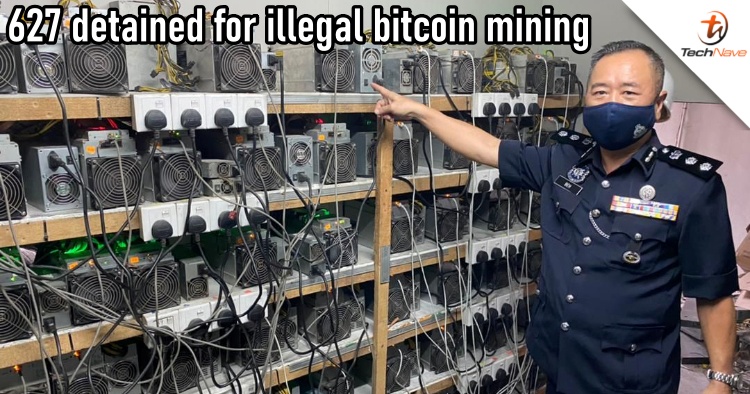


Bitcoin mining Malaysia is facing significant scrutiny as authorities ramp up efforts to address widespread electricity theft linked to illicit operations. A special committee launched in November aims to combat the increasing number of illegal mining sites that have reportedly cost the nation around $1.1 billion over five years. This initiative follows a crackdown that revealed around 14,000 unauthorized mining operations across the country, putting both the economy and energy resources at risk. Malaysian officials are using high-tech measures such as drones and sensors to locate these illegal operations, marking a serious commitment to enforcing Bitcoin regulations Malaysia has put in place. As illegal mining operations continue to pose challenges, the call for stricter oversight becomes increasingly urgent to protect the nation’s power grid from exploitation and sustain legitimate Bitcoin mining activity.
In recent developments, the illegal extraction of Bitcoin in Malaysia has become a focal point for regulatory authorities, illustrating the need for stringent oversight. This surge in unregulated cryptocurrency activities has led to significant losses from electricity theft, drawing attention to the intersection of digital currency and energy resource management. With increasing reports of illegal mining sites, the Malaysian government is undertaking a comprehensive crackdown on these illicit operations, which not only undermine legitimate business but also impact the overall economy. As the nation navigates the complexities of cryptocurrency and power theft, public awareness and adherence to Bitcoin mining laws in Malaysia will be crucial for fostering a sustainable and compliant mining environment. The collaboration of various governmental bodies signifies a robust approach to curtailing these threats that disrupt the nation’s integrity.
The Surge of Bitcoin Mining in Malaysia
In recent years, Malaysia has witnessed a significant uptick in Bitcoin mining operations, propelled by the rapid growth of cryptocurrency demand and favorable climatic conditions for mining hardware. This surge, however, has been accompanied by numerous challenges, particularly concerning the legality and ethical implications of these operations. With electricity costs being a vital factor, many miners have taken advantage of loopholes, resulting in widespread illegal mining practices. These illicit operations have contributed to a staggering loss of approximately $1.1 billion due to electricity theft, prompting government authorities to take urgent and decisive action against such malpractices.
The proliferation of Bitcoin mining in Malaysia is not solely due to the allure of profits but also stems from the intricate regulatory landscape geared towards the crypto sector. While legal mining operations must adhere to strict compliance measures, including sourcing power legitimately and fulfilling tax obligations, many miners choose the shadowy alternative that leads to unlawful activities. This creates a paradox where, despite the potential for legitimate business growth, illegal mining operations undermine the overall integrity and stability of the cryptocurrency market in Malaysia.
Frequently Asked Questions
What are the current regulations surrounding Bitcoin mining in Malaysia?
Bitcoin mining is legal in Malaysia as long as operators source electricity legitimately and pay the appropriate taxes. However, many individuals are engaging in illegal mining operations, particularly those involving electricity theft, which remains a significant issue.
What impact has Bitcoin mining had on electricity theft in Malaysia?
The rise of Bitcoin mining has led to substantial electricity theft in Malaysia, with an estimated $1.1 billion in losses over five years due to illegal mining operations. Authorities have launched a Bitcoin mining crackdown targeting these illicit activities.
How is Malaysia addressing illegal Bitcoin mining operations?
Malaysia is addressing illegal Bitcoin mining operations through a special taskforce comprising various ministries and agencies. This taskforce utilizes advanced strategies, including drones and sensors, to identify and shut down unauthorized mining sites.
What are the risks associated with illegal Bitcoin mining in Malaysia?
Illegal Bitcoin mining operations pose several risks, including safety hazards, as evidenced by an explosion in Bandar Puncak Alam. Additionally, these operations often engage in electricity theft, leading to significant losses for the national grid.
How have authorities responded to the growing issue of Bitcoin mining and power theft?
Authorities in Malaysia have been proactive in their response to Bitcoin mining and related power theft. In recent crackdowns, nearly 2,400 illegal operations were shut down, and a large number of mining rigs were confiscated, highlighting the seriousness of the issue.
What recent incidents have highlighted the dangers of Bitcoin mining in Malaysia?
A notable incident occurred in February at an illegal mining site in Bandar Puncak Alam, where an explosion took place. This incident underscores the dangers associated with unauthorized Bitcoin mining operations in Malaysia.
Are Bitcoin mining operations in Malaysia monitored for compliance?
Yes, while legitimate Bitcoin mining operations are permitted, they are monitored for compliance with regulations. However, many operators evade these rules, often manipulating metering systems to disguise illegal electricity usage.
What measures are being taken to monitor Bitcoin mining sites in Malaysia?
To combat illegal Bitcoin mining, Malaysian authorities have implemented measures such as using drones and handheld sensors to detect illicit operations. This high-tech approach aims to enhance monitoring and crackdown effectiveness.
What is the significance of the special committee launched by Malaysia regarding Bitcoin mining?
The special committee launched by Malaysia is significant as it represents a coordinated effort to tackle illegal Bitcoin mining operations, particularly those involved in electricity theft, which has been a growing concern for the national grid.
How has the crackdown on Bitcoin mining in Malaysia compared to other Southeast Asian countries?
The crackdown on Bitcoin mining in Malaysia reflects a broader trend across Southeast Asia, where nations are increasingly targeting illegal mining operations to prevent criminal activities and protect their economies from losses due to power theft.
| Key Point | Details |
|---|---|
| Formation of Special Committee | A special committee was launched in November 2023 to target illicit Bitcoin mining operations stealing power. |
| Extent of Illicit Operations | Approximately 14,000 illegal mining operations discovered, causing $1.1 billion in losses due to electricity theft over five years. |
| Joint Taskforce Composition | The taskforce consists of members from the Ministry of Finance, Bank Negara Malaysia, and Tenaga Nasional Berhad (TNB). |
| Crackdown Strategies | Authorities are using drones and handheld sensors to locate unauthorized mining sites and recently shut down approximately 2,400 illegal operations. |
| Recent Incidents | An explosion at an illegal mining site in Bandar Puncak Alam highlighted the risks of such operations. |
| Legal Status of Mining | Bitcoin mining is legal in Malaysia if power is sourced legitimately and taxes are paid, but many evade these laws. |
| Ongoing Challenges | Operators manipulate metering systems to avoid detection, making it challenging for power companies to address the issue. |
| Regional Trends | Other Southeast Asian countries, such as Thailand, are also cracking down on illegal Bitcoin mining linked to criminal activities. |
Summary
Bitcoin mining in Malaysia has become a point of concern as authorities crack down on illegal operations. The initiatives taken to address the theft of electricity highlight the ongoing battle against illicit mining practices that not only harm the economy but also pose serious risks to public safety. With the formation of a special committee and advanced detection strategies, Malaysia aims to regulate Bitcoin mining effectively, ensuring that legitimate operations can thrive while curbing unauthorized activities.