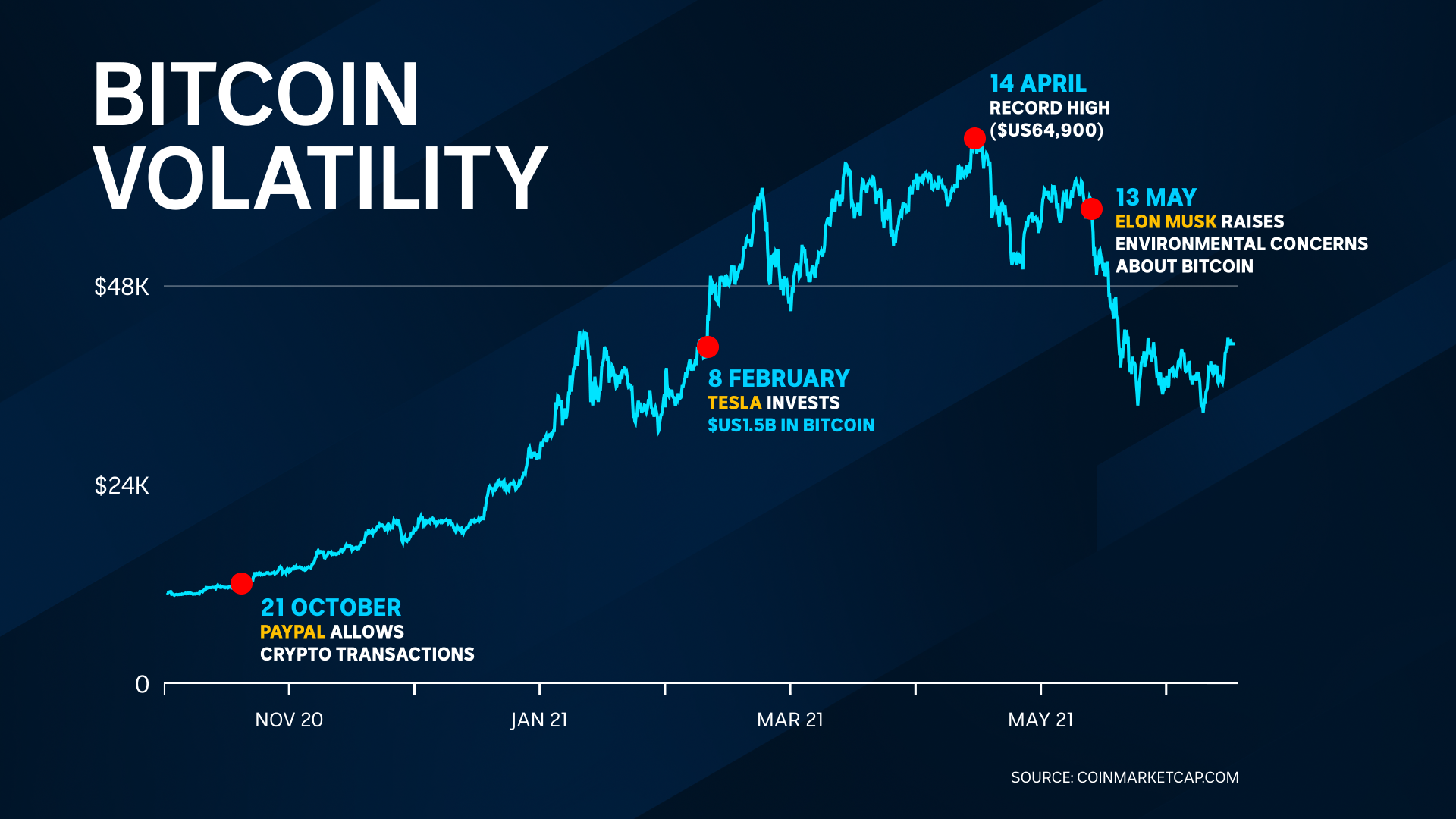

Bitcoin market volatility has become a significant focal point for investors as global economic conditions shift. Recently, as expectations of a rate hike by the Bank of Japan intensified, Bitcoin suffered a steep one-day price drop of over 6%. This drop was exacerbated by the unravelling of yen carry trades and nearly $1 billion in forced liquidations of leveraged positions, revealing just how sensitive Bitcoin is to external market pressures. Coupled with a significant net outflow of $3.5 billion from Bitcoin spot ETFs in November, the landscape for crypto equity assets has turned increasingly fraught. However, as market sentiment begins to stabilize following a series of strategic recommendations from major financial institutions, signs of a Bitcoin recovery may be on the horizon.
The fluctuations in Bitcoin’s pricing reflect broader trends in the cryptocurrency market, particularly in light of recent economic developments. With the potential for interest adjustments from the Bank of Japan impacting trading dynamics, Bitcoin and other virtual currencies have reacted sharply. Recent downturns have compelled investors to reassess their positions, especially amid the tightened fiscal landscape and significant withdrawals from Bitcoin ETFs. The intertwining of traditional finance and cryptocurrency assets illustrates the complex relationship between market forces and digital currencies. As the situation unfolds, Bitcoin’s ability to bounce back will be crucial in shaping investor confidence and the overall trajectory of the crypto market.
Impact of Bank of Japan Rate Hike on Bitcoin Valuation
The recent announcement regarding potential rate hikes by the Bank of Japan has significantly influenced global finance, particularly impacting the cryptocurrency market. As the yen experiences appreciation against other currencies due to the rate hike expectations, investors are prompted to unwind carry trades that often involve leveraging assets such as Bitcoin. This led to a dramatic one-day drop of over 6% for Bitcoin, showcasing the volatile nature of its market and how macroeconomic factors can trigger rapid price changes.
Moreover, the connection between traditional financial policies and cryptocurrency valuation is becoming increasingly evident. The forced liquidation of nearly $1 billion in leveraged Bitcoin positions further illustrates this relationship. As traders react to global financial news, such as rate adjustments from central banks, we see immediate repercussions in the cryptocurrency sector. Such dynamics highlight the need for Bitcoin investors to stay informed about developments like the Bank of Japan’s monetary policy that directly influence commodity prices.
Frequently Asked Questions
How does the Bank of Japan rate hike influence Bitcoin market volatility?
The anticipation of a Bank of Japan rate hike can significantly impact Bitcoin market volatility. In recent instances, such expectations led to a rapid Bitcoin price drop, with a decline exceeding 6% in one day. Changes in interest rates can affect currency values and trigger unwinding of yen carry trades, leading to forced liquidations in leveraged Bitcoin positions and increased market volatility.
What was the impact of Bitcoin ETF outflows on Bitcoin market volatility?
In November, Bitcoin witnessed a net outflow of approximately $3.5 billion from spot ETFs, contributing to heightened Bitcoin market volatility. This decrease in investor interest often intensifies pressure on Bitcoin prices, leading to increased fluctuations in the market as sellers dominate the trading environment.
Are crypto equity assets affected by Bitcoin market volatility?
Yes, crypto equity assets are closely linked to Bitcoin market volatility. For instance, during a recent Bitcoin price drop, stocks of companies like MicroStrategy, a major Bitcoin holder, faced declines up to 12%. This correlation suggests that fluctuations in Bitcoin prices can directly influence the performance of crypto-related equity assets, amplifying overall market volatility.
What is the relationship between Bitcoin price drops and market sentiment?
Bitcoin price drops often coincide with weakened market sentiment, as seen when Bitcoin briefly fell below $84,000. Factors such as regulatory warnings and significant ETF outflows can exacerbate negative sentiment, leading to increased Bitcoin market volatility. Conversely, recovery periods can restore positive sentiment as financial institutions begin endorsing Bitcoin investments.
Can Bitcoin market volatility create investment opportunities?
Yes, Bitcoin market volatility can present significant investment opportunities. After periods of heavy price drops, like the recent dip below $84,000, Bitcoin’s subsequent recovery to over $90,000 indicates that strategic investors may capitalize on these fluctuations. Entities such as Bank of America and Vanguard are increasingly recognizing Bitcoin’s potential by allowing allocations to high-net-worth clients, spotlighting potential bullish trends amid volatility.
| Key Point | Details |
|---|---|
| Rate Hike Expectations | Anticipation of a rate hike by the Bank of Japan led to a 6% drop in Bitcoin. |
| Yen Strength | The yen’s exchange rate increased, leading to the unwinding of yen carry trades. |
| Liquidation of Positions | Around $1 billion in leveraged positions faced forced liquidation, heightening volatility. |
| Equity Market Reaction | Crypto-related equities, including MicroStrategy, saw declines up to 12%. |
| ETF Outflows | November saw a net outflow of approximately $3.5 billion from Bitcoin spot ETFs. |
| Regulatory Impact | Chinese authorities issued warnings about illegal activities related to virtual currencies. |
| Market Recovery | Recommendations for Bitcoin allocations resumed, helping prices recover above $90,000. |
| Technical Outlook | Bitcoin established a higher low structure, suggesting a bullish short-term outlook. |
Summary
Bitcoin market volatility has been significantly influenced by recent events, including rate hike expectations and market responses to regulatory changes. The swings in Bitcoin’s price, highlighted by the sharp 6% drop as well as recovery above $90,000, reflect underlying market dynamics and investor sentiment. As the situation evolves, monitoring these factors will be crucial for understanding future trends in Bitcoin volatility.
Related: More from Bitcoin News | JPMorgan: New Legis. Could Spark Bitcoin Growth | Bitcoin Fork Proposal Fails to Gain Support