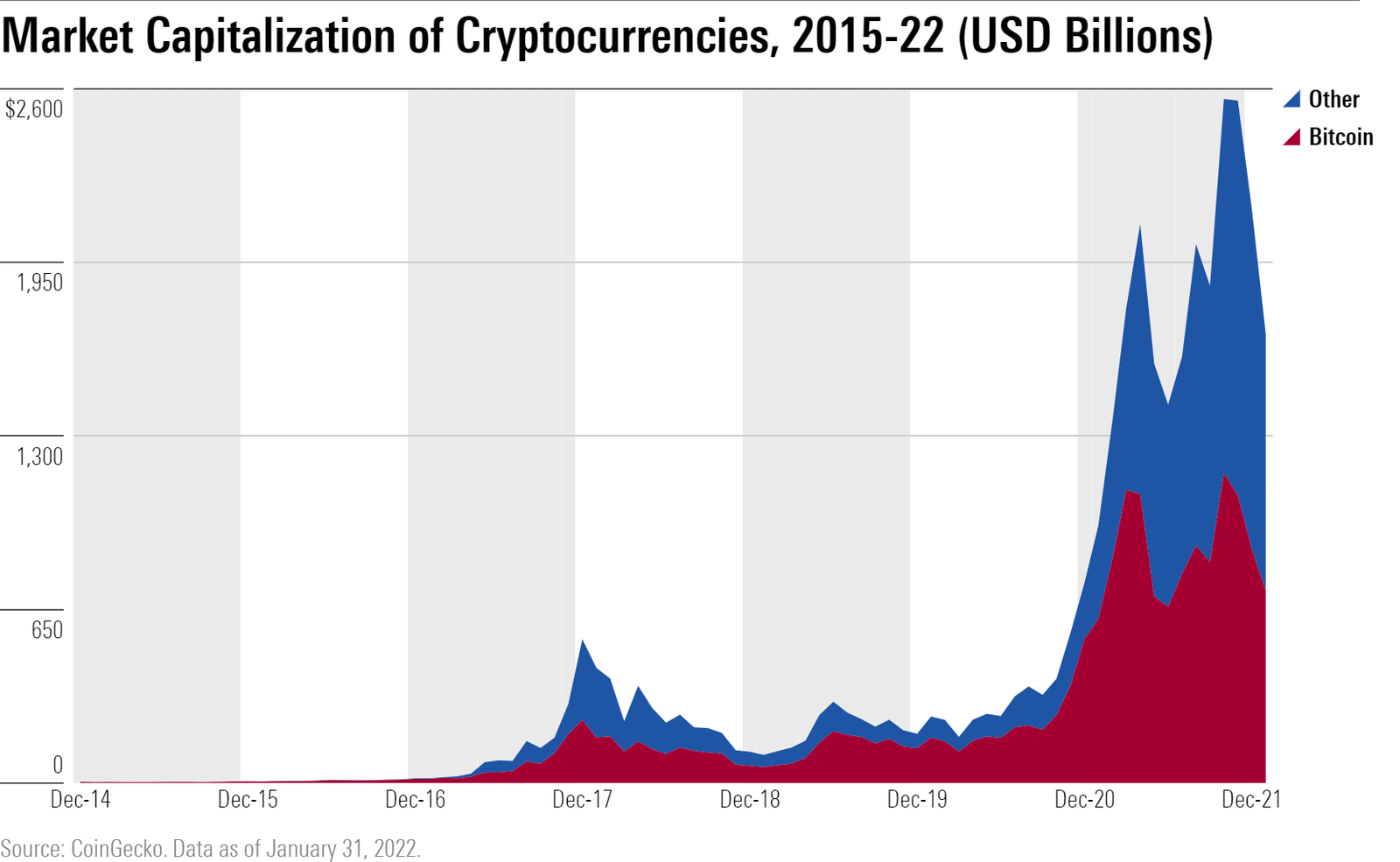

In the ever-evolving landscape of Bitcoin market trends, recent fluctuations reveal a notable decline across major cryptocurrencies, with Bitcoin dipping 2% to $91,400. As investment strategies shift, institutional players, including BlackRock, are strategically accumulating Bitcoin, potentially signaling a bullish outlook despite current market volatility. Furthermore, the approval of Bitcoin ETFs has opened new avenues for cryptocurrency investment, attracting both seasoned traders and new investors to the crypto trading scene. With stablecoins gaining traction, there is an increasing discussion around their implications on financial stability and central bank control. As the market adjusts, regulatory developments like CFTC approval for spot crypto trading are set to impact future Bitcoin market trends significantly.
When examining the dynamics of Bitcoin’s trading patterns, it becomes clear that recent behaviors are shaped by a variety of factors, including institutional investments and regulatory changes. The notable downturn observed in leading digital currencies highlights the volatile nature of this emerging asset class, even as major investors like BlackRock express confidence by increasing their holdings. Innovations such as Bitcoin exchange-traded funds represent a significant shift in cryptocurrency investment strategies, enhancing accessibility for everyday investors. Additionally, the rise of stable digital currencies is prompting discussions about their role in the broader financial ecosystem and the potential challenges they pose to traditional monetary authorities. As these shifts unfold, the embrace of established trading protocols, like those approved by the CFTC, will likely influence the future trajectory of Bitcoin’s market engagement.
Current Bitcoin Market Trends
The Bitcoin market is currently experiencing a notable downturn, with Bitcoin itself facing a decline of 2%, settling at $91,400. This downward trend is part of a broader pattern seen across major cryptocurrencies, with Ethereum, Binance Coin, and Solana also recording significant losses. Investment strategies involving Bitcoin remain a topic of interest, particularly as traditional financial giants like BlackRock reveal their accumulation strategies. BlackRock CEO Larry Fink discussed how sovereign wealth funds have strategically chosen to increase their Bitcoin holdings during its recent price drop from $126K to the $80K range, suggesting a long-term investment outlook despite short-term volatility.
Several factors contribute to the current Bitcoin market trends, including overall market sentiment and external economic conditions. As institutions engage in crypto investments, the stability and future of Bitcoin remain subjects of considerable debate. The recent approval from the CFTC for spot crypto trading on registered exchanges signals an important regulatory shift. This approval could boost market confidence and potentially lead to increased liquidity, benefiting Bitcoin’s performance in the long run. However, the market must navigate the effects of new regulations and adoption of stablecoins, which may challenge existing dynamics in cryptocurrency investment.
The Role of Bitcoin ETFs in the Market
Bitcoin Exchange-Traded Funds (ETFs) have become a significant part of the conversation surrounding cryptocurrency investments. The recent outflow of approximately $4 billion from Bitcoin ETFs during October and November indicates active market management strategies rather than a panic sell-off. Notably, these outflows were largely attributed to leveraged basis-trade unwinds among major funds, pointing to a sophisticated engagement with the Bitcoin market. As regulators, including the CFTC, warm up to the idea of Bitcoin ETFs, their eventual inclusion in mainstream financial markets could lead to a solidification of Bitcoin’s value and stability.
The impact of Bitcoin ETFs may extend beyond market fluctuations; they could aid in mainstream adoption of Bitcoin as an investment vehicle. With more institutional players entering the Bitcoin space, ETFs might provide a more regulated and accessible means for investors to participate in cryptocurrency trading. This accessibility is particularly important as retail interest in crypto continues to grow. A well-structured Bitcoin ETF can inspire confidence in hesitant investors and provide a gateway into cryptocurrency investment, drawing more capital into the Bitcoin market.
The Rise and Impact of Stablecoins
Stablecoins are gaining traction in the cryptocurrency landscape, raising significant discussions about their role in financial ecosystems. The IMF’s recent report highlighted concerns that increasing adoption of stablecoins could undermine central banks’ control, particularly through phenomena such as currency substitution. As stablecoins are designed to maintain a stable value relative to traditional fiat currencies, their proliferation presents unique challenges and risks associated with monetary sovereignty. The balance between innovation in cryptocurrency and regulatory oversight will be critical as stablecoins continue to evolve.
Investors and regulators alike are observing how stablecoins influence the broader crypto market and traditional financial systems. Their utility in facilitating smoother crypto trading experiences cannot be overlooked, as they mitigate volatility concerns inherent in assets like Bitcoin. The challenge for regulators is to create frameworks that harness the benefits of stablecoins while safeguarding the stability of the financial ecosystem. Current discussions, especially with the CFTC’s approval of crypto trading regulations, will likely shape the future landscape of both stablecoins and other cryptocurrencies.
CFTC Approval and Its Implications for Crypto Trading
The CFTC’s recent approval for spot crypto trading on registered exchanges marks a pivotal moment for the cryptocurrency industry. This green light not only legitimizes the trading activity but also sets a regulatory framework that could encourage institutional investments in cryptocurrencies like Bitcoin. Pending the expected launch by Bitnomial, the approval represents an essential step in fostering a more structured and compliant trading environment, which is necessary for addressing previous issues of market manipulation and volatility.
Furthermore, the CFTC’s endorsement may inspire confidence among more cautious investors who have held back from engaging in cryptocurrency investments. Clear regulations can provide a level of comfort, particularly for those considering Bitcoin and other digital assets. In an era where crypto trading platforms and exchanges are under increasing scrutiny, the CFTC’s actions signify a move towards greater accountability in the crypto space, ultimately shaping a more mature and stable market framework.
Investment Strategies in Cryptocurrency
As the cryptocurrency market evolves, so do the strategies employed by investors seeking opportunities in this volatile space. The traditional approach of holding Bitcoin for the long term is being supplemented by more sophisticated investment strategies that incorporate ETFs and stablecoins. These instruments allow investors to diversify their portfolios, hedge against volatility, and capitalize on market movements more efficiently. Understanding market trends, such as those outlined by Bitcoin’s recent price movements, is key to navigating these investment waters.
Investment strategies must also account for emerging regulatory changes, such as those from the CFTC, which could offer new avenues for trading and investment. Investors are increasingly looking at crypto trading as a diversifying factor in their overall portfolios. By embracing a multi-faceted approach that includes Bitcoin, stablecoins, and potentially Bitcoin ETFs, investors can mitigate risks and align their trading strategies with market conditions, whether bullish or bearish.
The Future of Cryptocurrency Investments
Looking ahead, the future of cryptocurrency investments appears to hinge on several evolving factors, including regulatory frameworks, technological enhancements, and market adoption rates. With the continuous growth of institutional investment and regulatory acceptance, particularly from bodies like the CFTC, the landscape is becoming increasingly promising for Bitcoin and other cryptocurrencies. Continued advancements in trading technologies and infrastructures, especially those that leverage secure frameworks, are expected to enhance liquidity and reduce risks.
Moreover, the increasing integration of cryptocurrencies into mainstream financial practices is likely to contribute to their stability and acceptance. As awareness grows and educational resources become more available, potential investors are likely to feel more confident in venturing into crypto trading. The combination of Bitcoin’s foundational strength and innovative developments, such as stablecoins and ETFs, paints an optimistic picture for the future of cryptocurrency investments and their role in global finance.
Innovations in Crypto Trading Platforms
The landscape of crypto trading platforms is witnessing remarkable innovations aimed at enhancing user experiences and optimizing transaction efficiencies. Platforms that incorporate advanced security measures, seamless user interfaces, and support for various cryptocurrencies, including Bitcoin and stablecoins, are becoming increasingly sought after. For instance, the partnership between Solana and Coinbase’s Base network introduces new bridging technology that enhances interoperability between different cryptocurrencies, potentially fostering a more fluid trading environment.
Additionally, as new technologies emerge, trading platforms are likely to adapt to include essential features such as decentralized finance (DeFi) capabilities and automated trading options. These innovations not only attract a broader range of investors but also aim to address concerns regarding volatility and security. As competition among crypto trading platforms intensifies, the emphasis will be on building user trust and providing robust features that support effective crypto trading strategies.
Cryptocurrency and Political Contributions
The intersection of cryptocurrency and political contributions is becoming increasingly relevant in contemporary discussions about governance and regulation. An illustrative case is the recent $11.4 million political donation from an investor linked to Tether to Reform UK, which highlights the growing influence of crypto magnates within political spheres. Such contributions can shape public policy discussions and create opportunities for dialogue on the regulatory landscape surrounding cryptocurrencies.
As more individuals and organizations connected to the cryptocurrency space engage in political contributions, the impact on legislative decisions regarding crypto regulation could be substantial. This phenomenon underscores the importance of understanding cryptocurrency not just as a financial instrument but also as a political tool. The evolving relationship between cryptocurrency investors and policymakers will significantly influence the future trajectory of crypto regulations and market conditions.
Understanding the Risks in Cryptocurrency Investments
Investing in cryptocurrency is fraught with risks that every potential investor must comprehend before entering the market. The volatile nature of assets like Bitcoin can lead to significant gains, but it also poses risks of substantial losses. Investors need to stay informed about current market trends and the potential impact of regulatory changes, such as those suggested by the CFTC’s recent approvals. A well-rounded understanding of these risks can help investors make educated decisions, particularly in turbulent times.
Moreover, the rise of stablecoins introduces additional factors to consider, particularly regarding their backing and regulatory status. While stablecoins offer lower volatility and a more stable price anchor, the underlying mechanisms that maintain their value must be understood by investors. As the market continues to develop and evolve, being aware of potential risks associated with new financial instruments, regulations, and market sentiment will be crucial for anyone looking to navigate cryptocurrency investments successfully.
Frequently Asked Questions
What are the current Bitcoin market trends and how are they affecting Bitcoin ETF investments?
Currently, the Bitcoin market trends show a decrease of about 2% in Bitcoin prices, bringing it down to around $91,400. This decline, observed in major cryptocurrencies including Bitcoin ETFs, reflects a broader trend of cautious trading. Many institutional investors are taking advantage of price dips to accumulate Bitcoin for long-term investment, particularly after significant fluctuations from highs near $126K.
How are stablecoins influencing Bitcoin market trends right now?
Stablecoins are increasingly impacting Bitcoin market trends, as highlighted in a recent IMF report. The rising adoption of stablecoins poses risks related to monetary sovereignty and could diminish the control of central banks, which in turn can affect Bitcoin’s market dynamics by changing liquidity and investor sentiment.
What impact does CFTC approval have on crypto trading and Bitcoin market trends?
The recent CFTC approval for spot crypto trading on registered exchanges is a significant enhancement for Bitcoin market trends. This approval allows for more formalized trading mechanisms, thereby fostering investor confidence, increasing trading volume, and potentially stabilizing prices in a highly volatile market.
Are recent Bitcoin ETF outflows a sign of panic among cryptocurrency investors?
Recent Bitcoin ETF outflows totaling approximately $4 billion were primarily caused by leveraged basis-trade unwinds rather than panic selling by investors. This indicates that the reactions in the Bitcoin market are strategic rather than emotional, as institutional players adapt to current market conditions.
What role are institutional investors playing in current Bitcoin market trends?
Institutional investors are playing a crucial role in shaping current Bitcoin market trends. High-profile figures, such as BlackRock’s CEO Larry Fink, have reported that sovereign wealth funds are accumulating Bitcoin as prices stabilize around the $80K range, indicating a move toward securing long-term positions despite recent price volatility.
How do the performances of Bitcoin and other cryptocurrencies affect overall cryptocurrency investment strategies?
The performances of Bitcoin and its contemporaries directly influence cryptocurrency investment strategies. Currently, with Bitcoin down 2% and other major altcoins like ETH and BNB following suit, investors are reassessing strategies, often favoring select altcoins that show resilience, such as ZEC and TRX, which have recently seen upward movement.
What is the significance of the new bridge between Solana and Coinbase’s Base network for Bitcoin market trends?
The new bridge between Solana and Coinbase’s Base network fundamentally enhances connectivity within the blockchain ecosystem, which can impact Bitcoin market trends by increasing cross-chain trading opportunities, liquidity, and potential adoption of Bitcoin by users of the Solana platform, further integrating Bitcoin into diverse trading environments.
| Cryptocurrency | Price Change | Current Price (USD) | Key Points |
|---|---|---|---|
| Bitcoin (BTC) | -2% | $91,400 | Gradual accumulation by sovereign wealth funds as prices drop. |
| Ethereum (ETH) | -2% | $3,130 | Consistent decline in alignment with market trends. |
| Binance Coin (BNB) | -2% | $893 | Showing resilience amid general losses. |
| Solana (SOL) | -4% | $136 | Notable decline, one of the hardest hit in today’s market. |
| Zcash (ZEC) | +4% | N/A | Among the day’s top movers with significant gains. |
| TRON (TRX) | +2% | N/A | Positive performance contrasted with major declines. |
Summary
Bitcoin market trends indicate a mixed performance as some cryptocurrencies face declines while others experience gains. Notably, Bitcoin has faced pressure dropping from significant highs, with sovereign wealth funds taking the opportunity to accumulate. Regulatory developments like the CFTC approving spot trading alongside innovative connections in the infrastructure landscape reflect the ongoing evolution of the Bitcoin market. Despite challenges, the emergence of new trading avenues and the resilience of certain digital assets seem to suggest a complex but vibrant market atmosphere.
Related: More from Bitcoin News | Bitcoin Fork Proposal Fails to Gain Support | Analysts Diverge on Bitcoins Five in Bitcoin