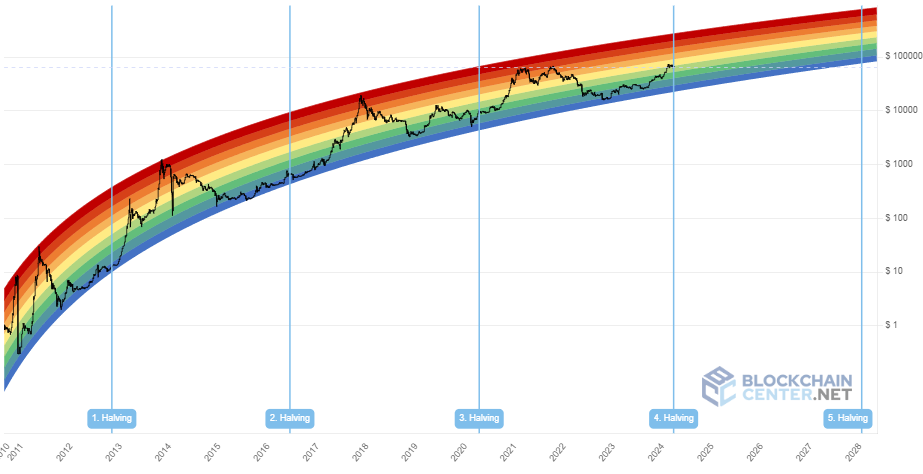

In the realm of crypto finance, Bitcoin market analysis 2026 is poised to take center stage as analysts predict a potential “crypto winter” that could redefine the landscape of digital currencies. As institutional investors increasingly influence market dynamics, the traditional retail-driven volatility may give way to a more stable, albeit challenging environment. The anticipated regulatory clarity crypto framework could further shape these shifts, empowering banks and financial institutions to engage with Bitcoin and other on-chain assets confidently. Furthermore, the growth of decentralized exchanges (DEXs) is expected to continue, signifying a trend away from centralized trading platforms despite an overall decline in trading volumes. With potential price corrections looming, understanding these factors will be crucial for navigating Bitcoin’s future trajectory through 2026 and beyond.
As we look towards 2026, the Bitcoin market landscape is under critical examination, especially in the context of emerging challenges and opportunities. The evolving paradigm shift toward institutional investment in cryptocurrencies, alongside the regulatory clarity brought about by new legislation, could reshape how digital assets are perceived and traded. Moreover, the robust expansion of decentralized exchanges highlights a significant departure from traditional trading mechanisms, influencing investor behavior and market participation. With a focus on on-chain assets and their increasing relevance to broader financial ecosystems, the future of Bitcoin will depend on how these factors coalesce amidst the ongoing search for stability in a volatile environment. Understanding this intricate web of influences is essential for anyone looking to navigate the complexities of the crypto landscape in the coming years.
Understanding Bitcoin Market Analysis 2026
As we look ahead to Bitcoin market analysis in 2026, several key factors are shaping the outlook for this leading cryptocurrency. The prediction of a potential crypto winter has been fueled by recent downtrends and heightened volatility. Analysts, including those at Cantor Fitzgerald, note that Bitcoin might struggle to maintain upward momentum as it tests critical price points like the breakeven level of around $75,000. This scenario paints a picture of both caution and opportunity, where investors need to be strategic in their buying decisions amidst an uncertain market.
Moreover, the shift in market dynamics is noteworthy. With institutional investors increasingly taking center stage, Bitcoin’s relationship with price movements and underlying technology has become complex. Instead of being solely driven by retail sentiment, Bitcoin’s value now pivots on broader macroeconomic trends, regulatory developments, and significant advancements within decentralized finance (DeFi). This shift is expected to influence price trajectories as institutional players remain heavily involved in Bitcoin investments.
The Impact of Institutional Investors on Bitcoin
Institutional investors are fundamentally altering the landscape of Bitcoin investment, contributing to a new phase of involvement that could define the crypto market in 2026. Their entrance has led to a more stable environment for Bitcoin, as these institutions often bring substantial capital and a long-term investment perspective. As noted in Cantor Fitzgerald’s report, this shift signals a move away from the volatility typically associated with retail-driven markets, potentially reducing the frequency of wild price swings.
Furthermore, the interest from institutional players extends beyond Bitcoin alone. The rising adoption of on-chain assets and the exploration of innovative financial products showcase the expanding role of institutions within the crypto landscape. As they engage with decentralized exchanges and other blockchain-based platforms, the influence of institutional capital could provide a significant buffer against future crypto winters, while also stimulating further advancements in regulatory clarity and technological infrastructure.
The Rise of Decentralized Exchanges (DEX)
Decentralized exchanges (DEX) are increasingly gaining traction as an alternative trading venue for cryptocurrencies. Despite projections indicating a potential decrease in overall trading volume in 2026, DEXs are expected to expand their market share. This trend is driven by technological improvements and a burgeoning user base that appreciates the privacy and security features inherent in decentralized platforms. As more participants flock to DEXs, their role in shaping trading strategies and liquidity in the crypto market cannot be understated.
Moreover, the growth of DEXs aligns with broader market trends toward decentralization and user empowerment. With advancements in infrastructure and user experience, platforms offering perpetual contracts and other innovative trading options are likely to attract both retail and institutional investors. This evolution means that while centralized exchanges may still hold significant volumes, DEXs could emerge as a vital part of the crypto trading ecosystem, promoting a more egalitarian financial landscape.
Anticipated Regulatory Clarity and its Influence
The passage of the “Digital Asset Market Clarity Act” (CLARITY) marks a critical turning point for the regulation of cryptocurrencies, aiming to delineate the differences between securities and commodities. This regulatory framework enhances market transparency and is expected to instill greater confidence among institutional players hesitant to engage with the crypto market due to regulatory uncertainties. By assigning regulatory authority to the CFTC for spot markets, CLARITY paves the way for more structured participation by traditional finance entities.
Furthermore, as regulatory clarity improves, it opens doors for institutional traders to explore new avenues within the crypto space. Firms like Robinhood, Coinbase, and Gemini are already aligning their business models with regulatory expectations, which could usher in a new era of compliance-driven growth. As the regulatory landscape continues to mature, the impact it could have on Bitcoin’s price stability and institutional investment cannot be overlooked.
The Implications of On-Chain Assets Growth
On-chain assets are witnessing remarkable growth, with projections indicating a potential surge in tokenized real-world assets (RWA) reaching over $50 billion by 2026. This rapid expansion not only reflects the maturation of blockchain technology but also signifies an increased acceptance of integrating traditional finance with crypto. As institutional investors become more involved in tokenization efforts, the implications for Bitcoin and the broader crypto market are profound, potentially enhancing liquidity and market participation.
Additionally, the growth of on-chain assets aligns seamlessly with the ongoing advancements in decentralized finance, where innovations are leading to more efficient forms of financial transactions. As more corporations and financial institutions experiment with digital asset transactions, Bitcoin stands to benefit from increased recognition as a legitimate asset class, reinforcing its position in both retail and institutional portfolios.
Navigating the Risks Ahead for Bitcoin Investors
While there is optimism surrounding Bitcoin’s future, potential risks remain prevalent that investors must navigate cautiously. The observation that Bitcoin is trading just above the cost of holdings for some cryptocurrency treasury companies raises concerns about market sentiment. If Bitcoin’s price were to dip below crucial support levels, it could lead to panic selling and exacerbate the already challenging environment characterized by a potential crypto winter.
Moreover, the slowdown in purchasing by digital asset trusts further indicates a wary market poised for volatility. As premiums compress and prices stabilize, the overall appetite among institutional investors might diminish, leading to a less active trading environment. Investors should remain vigilant, comparing market indicators and institutional behaviors, to adequately position themselves against these emerging risks.
Exploring the Future of Crypto Infrastructure
In light of evolving market conditions, the development of a stronger crypto infrastructure becomes imperative for sustaining growth and attracting investment. This transformation focuses on integrating decentralized finance features, improved security protocols, and user-friendly platforms, all of which contribute to higher participation rates among users. As decentralized platforms evolve, they create an environment ripe for innovation, where traditional financial systems may blend more seamlessly with crypto assets.
The anticipated improvements in infrastructure could bolster institutional confidence, enabling banks and asset management firms to engage more critically with crypto markets. By implementing robust compliance frameworks and secure trading solutions, financial institutions can establish trust and viability, ultimately driving more substantial investment flows into Bitcoin and the broader crypto ecosystem. Thus, the path forward for crypto infrastructure might be a key determinant in how Bitcoin fares against downturns in the near future.
Adapting Strategies for a New Market Landscape
Given the indications of a potential crypto winter in 2026, investors may need to reevaluate their strategies for engaging with Bitcoin and the broader cryptocurrency market. Adapting to shifting market conditions calls for a more nuanced approach, where investors might diversify their holdings into multiple crypto assets or blend traditional investments with blockchain-based options. This strategic reframing could involve leveraging on-chain assets and engaging with decentralized platforms that offer greater control and flexibility.
Investors should also consider staying informed about regulatory changes, as these developments can materially impact market dynamics and investment opportunities. Overall, crafting a flexible investment strategy that anticipates various market scenarios will be crucial for navigating the complexities of Bitcoin and ensuring sustainable growth amidst potential downturns in 2026.
Conclusion: The Path Forward for Bitcoin in 2026
In conclusion, the landscape for Bitcoin in 2026 presents a mixture of challenges and opportunities for investors. With the potential for a crypto winter on the horizon, markets may see increased volatility, underlying structural changes, and heightened involvement from institutional players. Strategic awareness combined with an understanding of regulatory measures, technological advancements, and market sentiment will be vital for effective navigation.
As Bitcoin continues to mature as an asset class, recognizing the impacts of institutional engagement and adopting innovative trading practices through decentralized platforms will be fundamental for sustained growth. Investors must remain adaptable, looking beyond immediate price fluctuations to understand the evolving context in which Bitcoin operates as it forges its path through 2026 and beyond.
Frequently Asked Questions
What factors contribute to Bitcoin market analysis for 2026?
Bitcoin market analysis for 2026 is influenced by various factors, including potential crypto winter conditions, shifts towards institutional investors, growth in decentralized exchanges, and the need for regulatory clarity in crypto. Analysts predict that these elements will determine Bitcoin’s price stability and market dynamics over the coming years.
How might the predicted ‘crypto winter’ in 2026 impact Bitcoin prices?
The anticipated ‘crypto winter’ in 2026 may lead to prolonged downward pressure on Bitcoin prices, as highlighted by analysts at Cantor Fitzgerald. With expectations for Bitcoin to test crucial support levels around $75,000, this phase could shift investor sentiment and affect market performance significantly.
What role will institutional investors play in Bitcoin’s market performance in 2026?
Institutional investors are expected to play a crucial role in Bitcoin’s market performance in 2026, as they increasingly dominate trading volumes and decisions. This shift may create a divergence between Bitcoin token prices and the underlying blockchain developments, thereby stabilizing the market through greater participation from legacy finance.
How will the growth of decentralized exchanges (DEX) affect Bitcoin trading in 2026?
In 2026, the growth of decentralized exchanges (DEX) is predicted to continue, impacting Bitcoin trading by providing users with more accessible and efficient platforms. Despite an overall decrease in trading volume due to declining crypto prices, DEXs are expected to gain market share, thanks to improvements in infrastructure and user experiences.
What is the significance of the ‘Digital Asset Market Clarity Act’ for Bitcoin analysis in 2026?
The ‘Digital Asset Market Clarity Act’ is significant for Bitcoin market analysis in 2026 as it aims to establish clear regulatory standards between digital assets and traditional securities. This clarity could reduce uncertainty in the market, enabling more significant participation from banks and asset managers and potentially supporting Bitcoin’s price stability.
What are the expected developments in on-chain assets by 2026?
By 2026, the market for on-chain assets, especially real-world asset tokenization, is expected to surpass $50 billion. This growth is driven by increasing institutional interest in on-chain settlements, which will enhance Bitcoin’s market infrastructure and open up new opportunities for investment.
What risks does the Bitcoin market face as we approach 2026?
As we approach 2026, the Bitcoin market faces several risks, including the potential for price drops below significant support levels and reduced buying activity from digital asset trusts. These factors could lead to increased market volatility and may hinder the recovery of Bitcoin prices in the near term.
How does decentralized finance (DeFi) evolve in relation to Bitcoin by 2026?
DeFi is expected to evolve in tandem with Bitcoin by 2026, as more institutional participants enter the market and focus on digital asset tokenization. With expanding decentralized exchanges and liquidity pools, Bitcoin may see increased integration within the DeFi ecosystem, thereby enhancing its utility and market presence.
Why might Bitcoin’s price not explode in 2026 despite market advancements?
Analysts caution that Bitcoin’s price might not see a significant explosion in 2026 due to the prevailing crypto winter and sluggish market conditions. While advancements in infrastructure and institutional adoption will improve market dynamics, the overall cooling of prices could prevent explosive growth in the asset’s valuation.
What is the projected impact of improved crypto infrastructure on Bitcoin by 2026?
Improved crypto infrastructure is projected to positively impact Bitcoin by 2026, offering better trading platforms, enhanced security, and more reliable transaction capabilities. These advancements aim to attract more institutional investors and retail participants, potentially fostering a more mature and resilient Bitcoin market.
| Key Points |
|---|
| Investment bank Cantor Fitzgerald warns that Bitcoin could enter a longer downtrend phase potentially leading to a ‘crypto winter’ in 2026. |
| Analyst Brett Knoblauch notes it has been about 85 days since Bitcoin’s last cyclical high, predicting price pressure and testing the average breakeven point of $75,000. |
| This market adjustment is different from past bear markets due to a shift in dominance from retail investors to institutional investors. |
| Tokenization of real-world assets (RWA) has grown to approximately $18.5 billion, with expectations to surpass $50 billion by 2026. |
| Decentralized exchanges (DEX) are gaining market share from centralized platforms despite an overall potential decrease in trading volume in 2026. |
| The ‘Digital Asset Market Clarity Act’ (CLARITY) introduces regulatory clarity differentiating securities from commodities in the crypto market. |
| On-chain prediction markets, especially in sports betting, are rapidly growing, with trading volumes exceeding $5.9 billion. |
| Warnings include Bitcoin’s price potential dropping below critical support levels, which may impact market sentiment. |
| Overall, Cantor predicts the absence of a price explosion in 2026 but notes constructive growth in infrastructure and institutional involvement. |
Summary
The Bitcoin market analysis for 2026 indicates that the market may be venturing into a prolonged downtrend, often dubbed a “crypto winter.” While significant institutional involvement is reshaping the market landscape, the anticipated tokenization growth and regulatory clarity suggest a complex environment where risks remain. Investors should prepare for continued pressure on prices while watching for advancements in decentralized finance and liquidity solutions.
Related: More from Bitcoin News | Citi Sees Bitcoin Banked on Wall Street Crypto Platform | Bitcoin Drops Below $65K Amid Macro Risks