
| Key Point | Details |
|---|---|
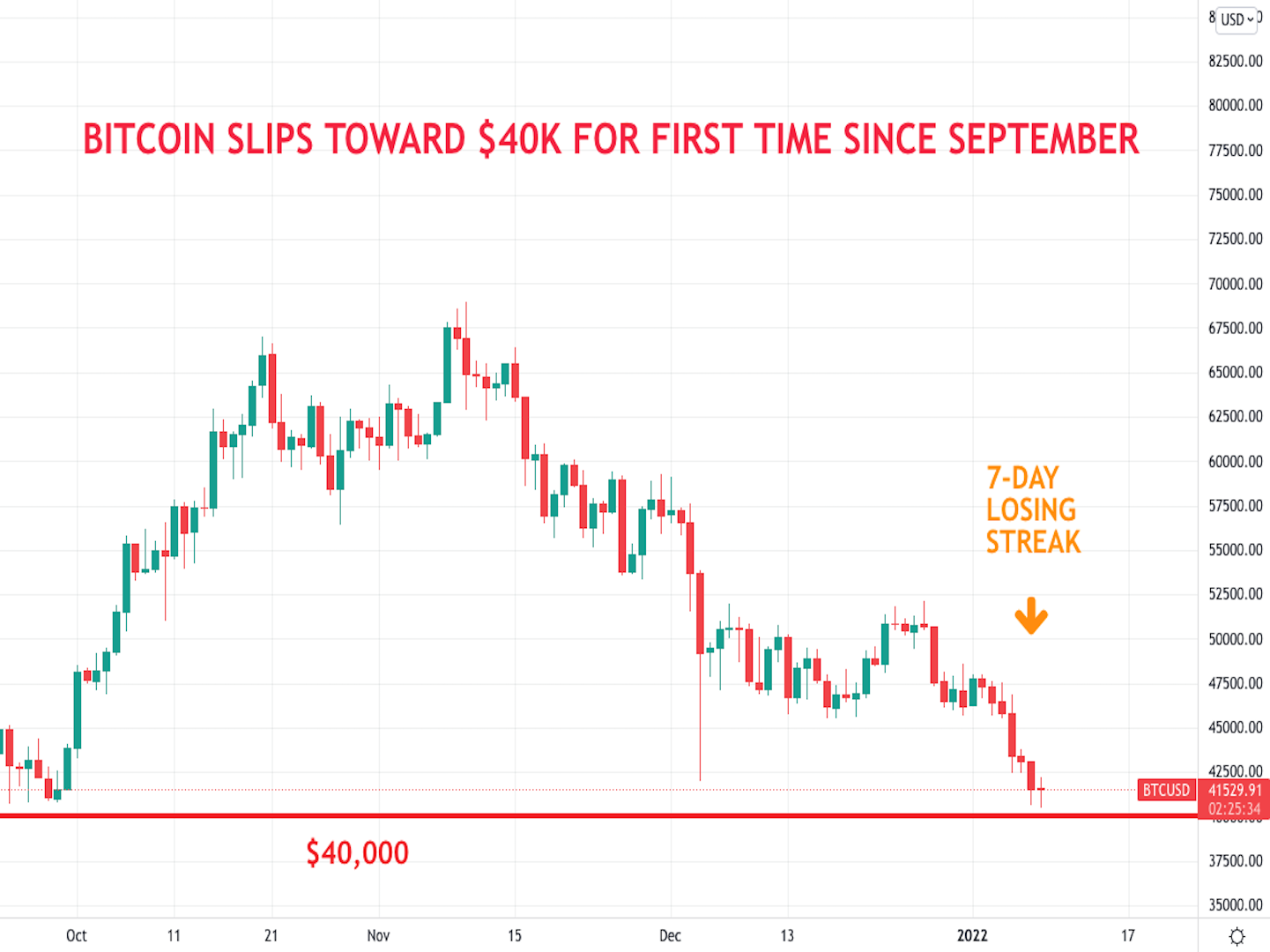
| Recent Bitcoin Losses | Bitcoin holders have realized net losses over the past 30 days, marking the first such period since late 2023. |
| Rolling 30-day Metric | The rolling 30-day realized profit and loss metric for Bitcoin has fallen below zero, indicating losses on sales compared to purchase prices. |
| Comparison with Gold | While Bitcoin faces pressure, gold prices have surged past $4,700, as investors turn to safer assets amid geopolitical tensions. |
| Bitcoin-to-Gold Ratio | The Bitcoin-to-gold ratio has dropped over 50% from its peak, indicating a significant shift toward precious metals. |
| Recent Outflows from Bitcoin ETFs | U.S.-listed spot Bitcoin ETFs saw $394.7 million in net outflows, indicating reduced confidence in Bitcoin investment. |
Summary
Bitcoin losses have become a significant topic of discussion as holders realize net losses for the first time since late 2023. This trend reflects changes in market sentiment and increased selling pressure amidst rising gold prices and geopolitical tensions. As investors shift towards traditional safe-haven assets, it remains crucial to monitor how Bitcoin will navigate these challenging conditions.
Bitcoin losses have recently captured the attention of the cryptocurrency community, as holders witness a dramatic shift in their investment fortunes. Over the past month, Bitcoin has seen a notable price drop, leading to an unprecedented period of net losses for investors, marking a stark contrast from the profitability enjoyed for over two years. According to recent analysis, the ongoing selling pressure in the cryptocurrency market is highlighted by the metric showing that Bitcoin trading losses have surpassed profits, reflecting a challenging environment for digital asset investors. This trend has been exacerbated by significant Bitcoin ETF outflows, as investors flee to safer assets amidst volatile market conditions. As geopolitical tensions escalate worldwide, the implications for Bitcoin and the broader landscape of cryptocurrency market trends continue to unfold, leaving many wondering how this will affect future prices and investments.
In recent weeks, the cryptocurrency scene has been rocked by considerable setbacks, particularly regarding digital currencies like Bitcoin. Investors are currently grappling with the ramifications of a stark downturn in value, leading to widespread acceptance of trading losses among Bitcoin enthusiasts. This slump can be attributed to several external factors, including movements away from digital assets towards traditional investments, as seen in soaring gold prices. The current conditions establish a stark contrast to previous market behavior, suggesting a significant volatility shift influenced by political and economic uncertainties. As the landscape continues to evolve, understanding the interconnected nature of these developments is vital for navigating the turbulent waters of cryptocurrency investments.
Understanding Bitcoin Losses: The Current Landscape
Recent data highlights a significant trend in the Bitcoin market, with many holders experiencing net losses. After a period of extensive profits, the first 30-day realization of losses since late 2023 illustrates the current volatility. This shift in Bitcoin price dynamics can be attributed to various factors, including increased selling pressure from investors who had purchased Bitcoin at higher prices. Such realizations mean that newly transferred coins on-chain were sold at a loss, adversely affecting the sentiment surrounding Bitcoin trading.
The Bitcoin losses reported this month resonate with the broader issues faced in the cryptocurrency market. Market trends indicate a bearish shift and apprehension driving many investors to reconsider their strategies. As Bitcoin struggles with its price stability, it not only reflects the challenges faced by individual holders but also the precarious nature of cryptocurrencies amidst fluctuating market conditions.
Geopolitical Tensions and Their Impact on Bitcoin Prices
Geopolitical tensions have increasingly impacted the cryptocurrency market, especially Bitcoin. Recent trade conflicts, such as tariff threats from the U.S. government, have led to market unpredictability. Many traders are moving towards safe-haven assets, leading Bitcoin to experience lower demand. This flight to safety can be linked to a surge in gold prices, which has reached record highs, illustrating a broader trend where investors retreat from high-risk options like Bitcoin during times of uncertainty.
As geopolitical events unfold, the relationship between Bitcoin and traditional assets like gold becomes crucial to monitor. The Bitcoin-to-gold ratio has seen a sharp decline, with analysts noting that this could signify a pivotal moment for both assets. As the market realigns amidst geopolitical pressures, understanding these dynamics may provide insights into future Bitcoin price trends and investment strategies.
Bitcoin ETF Outflows: Understanding Recent Trends
The recent net outflows from U.S.-listed Bitcoin exchange-traded funds (ETFs) reveal essential insights into investor confidence in the cryptocurrency. Reported outflows of approximately $394.7 million indicate a shift in market sentiment, breaking a previous streak of inflows. This behavior signals a retreat by investors who, despite previous enthusiasm for Bitcoin ETFs, are now uncertain due to adverse market conditions and geopolitical factors.
These trends in Bitcoin ETF investment highlight a crucial turning point. As the cryptocurrency market faces challenges, including potential regulatory scrutiny and increased market volatility, the declining inflows may suggest a reevaluation of risk among institutional investors. Ultimately, understanding the fluctuations in Bitcoin ETF performance helps to map the broader landscape of cryptocurrency market trends.
The Role of Bitcoin in the Cryptocurrency Market Trends
The recent Bitcoin losses serve as a reminder of the cryptocurrency market’s volatile nature. With Bitcoin often viewed as a bellwether for the entire digital asset space, its performance heavily influences market trends. As Bitcoin struggles with price stability, other cryptocurrencies also experience the ripple effects, leading to broader shifts within the investor community and market sentiment.
Tracking Bitcoin’s performance provides essential insights into emerging trends in the cryptocurrency marketplace. The connection between Bitcoin’s price movements and investor behavior underscores the complexity of trading strategies in this turbulent environment. Analysts and investors alike are keenly observing how Bitcoin navigates through these recent challenges, particularly in relation to other cryptocurrencies and forms of asset investment.
Analyzing Bitcoin Trading Losses and Market Sentiment
The recent realization of losses by Bitcoin holders showcases the emotional and psychological aspects of trading in the crypto world. As investors watch the market fluctuations, sentiment often swings between optimism and skepticism. According to market analysis, Bitcoin trading losses are not just indicative of price drops but also signal a broader unrest in the market, affecting how traders perceive risk and opportunity.
Market sentiment can drastically shift based on current Bitcoin losses and recent trends. Traders must adopt adaptive strategies that take into account both realized and unrealized losses in the face of volatile market conditions. This adaptability is crucial, as navigating through potential downturns can lead to either significant losses or strategic positioning for future gains.
The Future of Bitcoin Amid Market Sentiment Shifts
As we look towards Bitcoin’s future, it’s essential to consider the impact of current market sentiment shifts on upcoming trends. With traditional markets reacting to geopolitical events, Bitcoin’s trajectory could follow suit or even create a divergence from historical patterns. Investors are closely monitoring how macroeconomic factors will play a role in Bitcoin’s performance, especially following the recent losses recorded over the past month.
The volatility of Bitcoin makes it a highly speculative asset, prompting investors to remain vigilant about market trends. Understanding these fluctuations can help in developing more effective investment strategies for navigating the uncertain waters of cryptocurrency trading. As the market evolves, staying informed will be critical for making educated decisions about Bitcoin and its potential future value.
Cryptocurrency Market Trends: Future Predictions
The recent turmoil in the Bitcoin market has thrown the future of cryptocurrencies into question, creating fertile ground for discussions about market trends. Analysts predict various scenarios based on the intersection of geopolitical influences and economic cycles. Bitcoin’s responses to these external pressures can serve as a harbinger for the rest of the cryptocurrency market.
As the market adjusts to Bitcoin’s volatility, emerging trends will likely redefine strategies moving forward. Investors should prepare for fluctuations while remaining adaptive, as historical data suggests that recovery phases often follow significant downturns. Understanding the intricacies of the cryptocurrency landscape will be vital for anyone looking to navigate through potential future market conditions.
The Impact of Economic Policies on Bitcoin Value
Economic policies, particularly those resulting from geopolitical maneuverings, can have profound impacts on Bitcoin’s valuation. Recent threats of tariffs and trade disputes not only pressure immediate market responses but also shape long-term investment behaviors. If traditional markets begin to retreat, the knock-on effect on Bitcoin could reinforce its status as a speculative asset.
As economic conditions fluctuate, the investor’s resilience towards Bitcoin is tested under pressure. Patterns from the past reflect that economic policies affecting traditional assets can create parallel scenarios for Bitcoin, either as a haven or a risk investment. This interconnectedness necessitates an acute awareness of global economic policies when assessing Bitcoin’s potential trajectory.
Gold vs. Bitcoin: Diverging Investment Strategies
The surge in gold prices amidst rising geopolitical tensions highlights a compelling narrative contrasting with Bitcoin’s recent losses. As more investors flock to precious metals, Bitcoin faces significant challenges and divergence in its performance metrics. This trend raises questions about Bitcoin’s status as a store of value, especially in turbulent market conditions.
This juxtaposition between gold and Bitcoin emphasizes differing investment strategies based on current market dynamics. While Bitcoin has typically been viewed as a digital gold, recent performance metrics may prompt investors to reassess their allocation toward cryptocurrencies in favor of traditional safe-haven assets. The strategies employed by investors during this critical time could redefine how each asset is positioned in the investment landscape.
Frequently Asked Questions
What are Bitcoin trading losses and how do they occur?
Bitcoin trading losses occur when investors sell their Bitcoin at a price lower than their original purchase price. Recent data indicates that holders have realized net losses as the Bitcoin price has dropped, causing selling pressure among those who bought at higher levels.
How has the recent Bitcoin price drop affected investors?
The recent Bitcoin price drop has led many investors to realize losses for the first time since late 2023. Over the past 30 days, the rolling metric for realized profit and loss for Bitcoin has fallen below zero, indicating significant selling activity at a loss.
What impact do cryptocurrency market trends have on Bitcoin losses?
Cryptocurrency market trends play a vital role in shaping Bitcoin losses. When market sentiment shifts negatively, as seen with recent geopolitical tensions, it can lead to increased selling pressure, further exacerbating losses for Bitcoin holders.
Are Bitcoin ETF outflows contributing to Bitcoin losses?
Yes, recent data shows that Bitcoin ETF outflows, amounting to $394.7 million, have put additional downward pressure on the Bitcoin price. Such outflows indicate a reluctance among institutional investors to hold Bitcoin, contributing to increased losses for retail investors.
How do geopolitical tensions influence Bitcoin and lead to trading losses?
Geopolitical tensions often drive investors towards traditional assets like gold, leading to a drop in Bitcoin’s appeal as a risk asset. This shift can result in increased selling of Bitcoin, ultimately causing trading losses for those who purchased it during periods of higher valuations.
Related: More from Bitcoin News | AI, BTC Miners Issue High | Bitcoin Above $69K? Glassnode Weighs In