


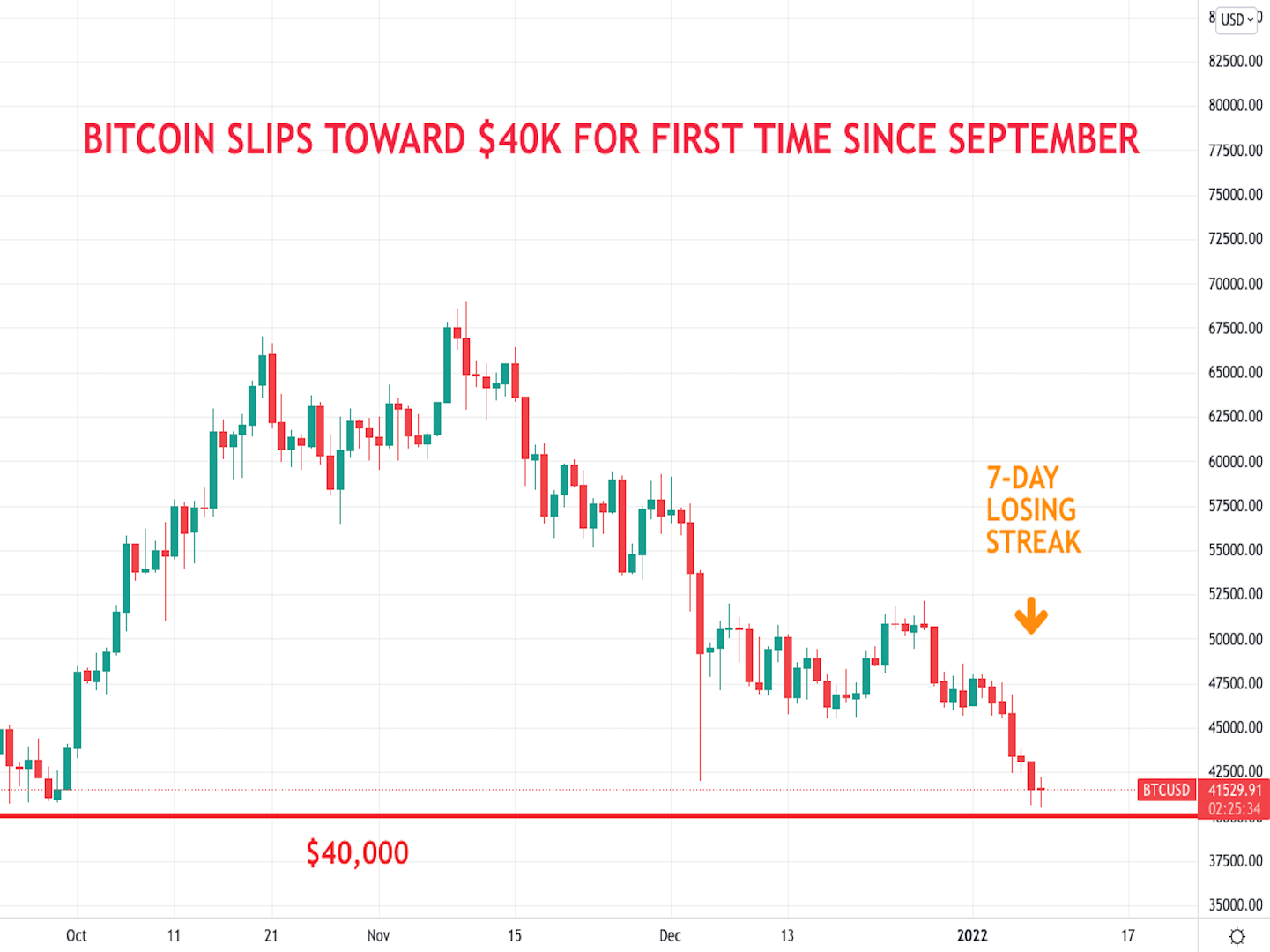

Bitcoin losses have become a significant concern among investors and institutions alike, especially as digital currency prices experience unprecedented volatility. Recent market dynamics, particularly the anticipated Bitcoin crash in 2025, pose threats that could impact not only individual asset holders but also major investment strategies. Reports indicate that Strategy might face staggering losses in the fourth quarter of 2025, potentially erasing previous profits due to a 24% decline in their Bitcoin asset holdings. Such substantial dips in Bitcoin trading prices have sparked alarm, leading analysts to scrutinize market trends and the future of Bitcoin as an asset class. With these developments, the focus remains on how organizations can navigate through current market concerns surrounding Bitcoin and mitigate potential impacts on their financial stability.

The decline in the value of Bitcoin has sparked intense discussions regarding the repercussions felt by financial entities and individual investors alike. As concerns mount over the impending Bitcoin downturn projected for 2025, many are assessing strategies to safeguard their cryptocurrency investments. Market participants are particularly wary of how these fluctuations in Bitcoin prices can erode overall investment portfolios and strategies centered around this digital asset. The prospect of significant Bitcoin losses serves as a wake-up call, prompting stakeholders to rethink their asset allocation and risk management approaches. This financial landscape commentary underscores the pressing need for awareness of the interconnectedness between Bitcoin valuations and broader market sentiments.
Impact of Bitcoin Losses on Strategy’s Financial Health
The potential multi-billion dollar loss incurred by Strategy for the fourth quarter of 2025 has sent shockwaves through the financial markets, particularly regarding Bitcoin investments. With significant holdings of approximately $60 billion in Bitcoin assets experiencing a steep decline of 24%, the looming possibility of substantial paper losses could jeopardize Strategy’s overall financial health. This situation paints a grim picture, as the previously reported $2.8 billion profit might evaporate, creating deeper market concerns about the firm’s viability and investment strategy moving forward.
As Strategy’s enterprise value nears the point of falling below its Bitcoin asset holdings, the apprehensions surrounding its financial stability are palpable. Investors are closely monitoring the developments, fearing that if Bitcoin prices do not recover, Strategy may be forced to liquidate a portion of its Bitcoin holdings to maintain cash flow. This potential action could further exacerbate market volatility, impacting Bitcoin trading prices dramatically. In light of these circumstances, it is crucial for stakeholders to comprehend the implications of such losses on both the company’s future and the broader cryptocurrency market.
Market Concerns Amid Bitcoin Trading Price Fluctuations
Market concerns about Bitcoin have intensified recently, especially in light of the anticipated losses reported by Strategy. With Bitcoin trading prices hovering uncertainly and projections suggesting a range between $85,000 and $110,000, the volatility has kept investors on edge. Such price fluctuations often correlate with market sentiment and behavioral trading patterns, which can lead to further instability if negative news continues to emerge. The unpredictability surrounding Bitcoin has raised alarms, prompting discussions about risk management and investment strategies to safeguard against potential crashes.
Furthermore, the implications of a significant Bitcoin crash in 2025 could lead to a cascading effect impacting not just individual investors but institutional players, like Strategy. The ramifications are far-reaching; depending on how widespread acceptance and institutional investment are affected, the entire market can shift. Investors must remain vigilant as Bitcoin’s role as a potential store of value can come into question during severe downturns, influencing asset holdings across the cryptocurrency landscape.
Strategic Measures to Address Bitcoin Asset Holdings
In response to the upheaval caused by declining Bitcoin prices, Strategy has taken strategic measures to fortify its financial standing. By liquidating a portion of common stock on December 1, the company established a cash reserve aimed at alleviating market concerns while navigating the uncertain terrain of Bitcoin trading prices. This move is particularly critical as it demonstrates the company’s commitment to maintaining liquidity and resilience amidst financial distress linked to its substantial Bitcoin holdings.
Additionally, the measures implemented by Strategy reveal a proactive stance in mitigating risks associated with their Bitcoin assets. By optimizing their operational strategies and creating a more diversified portfolio, they aim to cushion the impacts of Bitcoin fluctuations on their bottom line. Ultimately, how effectively Strategy manages its Bitcoin asset holdings against ongoing market uncertainties will play a crucial role in determining its fiscal trajectory in the coming quarters.
The Bitcoin Crash: Implications for Investment Strategies
The impending crash associated with Bitcoin in 2025 could fundamentally alter investment strategies globally. Investors and firms alike are compelled to reassess their exposure to cryptocurrencies, given the specter of multi-billion dollar losses highlighted by companies like Strategy. With such high stakes, the lessons learned from this crash could redefine risk appetite in crypto trading and lead to the development of new strategies that prioritize resilience and risk management.
Furthermore, as major players begin to adjust their approaches to Bitcoin amid increasing market concerns, innovative strategies may emerge to better navigate future volatility. For instance, hedging strategies utilizing derivatives could gain traction, allowing firms to protect their investments without completely divesting from Bitcoin. The evolving landscape necessitates a continuous adaptation of tactics to safeguard against the unpredictable nature of Bitcoin trading, ensuring that investors can remain competitive regardless of market conditions.
Future of Bitcoin as an Investment Asset
Looking ahead, the future of Bitcoin as a viable investment asset remains uncertain, especially following the projected Bitcoin crash in 2025. The market is rife with speculation, and while Bitcoin has shown resilience in the past, its recent fluctuations have raised significant questions about its reliability. As more entities like Strategy face substantial losses, these events could push Bitcoin into a more cautious investment category, prompting both institutional and retail investors to reconsider their long-term strategies.
Additionally, if Bitcoin’s status as a critical asset begins to wane, it could lead to a shift in focus towards alternative cryptocurrencies or other investment vehicles that promise better stability and returns. Staying informed on market dynamics and evolving sentiments surrounding Bitcoin will be essential for investors looking to navigate this changing landscape and optimize their portfolios in response to new trends and potential risks.
Navigating Strategy’s Future Amidst Bitcoin Market Challenges
As Strategy grapples with the challenges posed by falling Bitcoin prices, the need for a comprehensive roadmap becomes apparent. Investors must look closely at how Strategy plans to navigate these turbulent waters and whether its strategies will adapt adequately to the market’s shifting landscape. Implementing effective measures to safeguard against steep declines in Bitcoin trading prices will be crucial in maintaining investor confidence and ensuring operational stability.
Looking forward, the emphasis on strengthening cash reserves while evaluating other asset classes may be a prudent strategy for companies to mitigate their dependency on Bitcoin holdings. Strategy’s future will largely depend on its ability to adapt to market signals and respond proactively to prevent vulnerabilities exposed by potential financial instability due to Bitcoin’s unpredictable nature.
Understanding Bitcoin’s Role in Modern Investment Portfolios
Incorporating Bitcoin into modern investment portfolios presents both unique opportunities and challenges. Its volatility and potential for significant losses, illustrated by Strategy’s anticipated losses, necessitate a measured approach. Investors must evaluate their risk tolerance and investment horizon when deciding how much of their portfolio to allocate to Bitcoin and similar cryptocurrencies.
Moreover, the increasing integration of Bitcoin within traditional finance complicates its status as a speculative asset. While some view Bitcoin as a unique opportunity for high returns, others caution against overexposure, especially in light of anticipated market corrections. As the debate continues, understanding Bitcoin’s long-term viability within investment strategies will be critical for informed decision-making in the financial landscape.
Crisis Management and Response to Bitcoin Trading Fluctuations
Effective crisis management in response to Bitcoin’s trading fluctuations is essential for companies like Strategy. They must demonstrate agility and foresight to navigate the ramifications of significant price drops. Establishing contingency plans and diversifying investment portfolios can help mitigate the impacts of sudden market downturns, assisting firms in maintaining steadiness amidst turbulence.
Fostering a culture of responsive decision-making and proactive communication with stakeholders will also play a significant role in crisis management. Investors should be kept informed about strategic changes and adjustments made in response to market fluctuations, ensuring transparency and maintaining confidence in the company’s direction, especially in times of uncertainty brought on by Bitcoin’s performance.
The Importance of Diversification in Cryptocurrency Investments
The recent challenges faced by Strategy due to their Bitcoin asset holdings underscore the importance of diversification in cryptocurrency investments. Relying heavily on Bitcoin as a singular asset creates vulnerabilities, particularly in turbulent markets. Incorporating a range of cryptocurrencies or digital assets can help spread risk and enhance potential returns, as differing assets may respond variably to market dynamics.
Investors should consider constructing a diversified cryptocurrency portfolio that balances high-risk investments with more established or stable digital currencies. This strategy may not only provide a safety net against significant losses but also capitalize on growth opportunities within the ever-evolving cryptocurrency landscape. As the market matures, so too must the strategies employed by investors to adapt and thrive.
Frequently Asked Questions
What are the implications of Bitcoin losses for investors in 2025?
Investors in Bitcoin should closely monitor market concerns as a significant decline in Bitcoin trading prices can lead to extensive losses. For instance, if Bitcoin assets lose value, as seen in the fourth quarter of 2025, it can severely impact overall investment strategies and lead to substantial paper losses.
How might the Bitcoin crash affect Strategy’s asset holdings?
The anticipated Bitcoin crash in 2025 poses a severe risk to Strategy’s asset holdings, potentially wiping out notable profits. With a drop of 24% in Bitcoin values, these losses could affect the company’s enterprise value considerably, raising concerns of needing to liquidate Bitcoin assets.
What financial strategies can mitigate Bitcoin losses during market downturns?
To mitigate Bitcoin losses during downturns, companies like Strategy can establish cash reserves, diversify investments, and employ risk management strategies. By selling other assets, such as common stock, to generate cash, firms can navigate market concerns around falling Bitcoin trading prices.
How can investors protect against significant Bitcoin losses due to market volatility?
Investors can protect against Bitcoin losses by setting stop-loss orders and diversifying their portfolios. Understanding the market’s volatility and being prepared for Bitcoin crashes can also greatly enhance risk management.
What should companies consider if facing losses in Bitcoin asset holdings?
If companies face substantial losses in Bitcoin asset holdings, they should evaluate their financial strategies, consider restructuring their investments, and assess the need for liquidity through asset sales or raising capital, as exemplified by Strategy’s actions in response to market conditions.
| Key Point | Details |
|---|---|
| Anticipated Loss | Multi-billion dollar loss expected in Q4 2025. |
| Bitcoin Holdings Value | Approximately $60 billion in Bitcoin assets. |
| Bitcoin Price Decline | Bitcoin prices fell by 24% in Q4 2025. |
| Impact on Previous Profit | Potential to erase the $2.8 billion profit from the previous quarter. |
| Concerns in the Market | Possible need to sell Bitcoin holdings to manage risk. |
| Cash Reserve Strategy | Established cash reserve by selling common stock on December 1. |
| Operating Performance Projection | Expected performance to range from a $7 billion loss to a $9.5 billion profit, depending on Bitcoin prices. |
Summary
Bitcoin losses are raising significant concerns as Strategy anticipates reporting a multi-billion dollar loss for the fourth quarter of 2025 due to a substantial decline in its Bitcoin holdings. The company’s significant investment in Bitcoin has resulted in potential losses that could erase previous profits, prompting concerns about the necessity to liquidate assets. Furthermore, the establishment of a cash reserve indicates a strategic move to manage potential financial instability amid fluctuating Bitcoin prices, underscoring the volatile nature of cryptocurrency investments.