


Bitcoin liquidity signals have become a vital focus for investors and analysts alike, particularly in anticipation of a market recovery by 2026. With fluctuating conditions in the cryptocurrency landscape, understanding these liquidity signals can help traders predict Bitcoin price movements more accurately. Recent actions by the Federal Reserve indicate significant shifts in monetary policies, directly impacting cryptocurrency liquidity and potential forecasting. As liquidity conditions evolve, many are keeping a keen eye on the repo market and its correlations with Bitcoin’s resilience. This dynamic interplay between traditional finance and cryptocurrency could dictate how Bitcoin navigates future market challenges.

When discussing the financial vigor of Bitcoin, liquidity indicators play a crucial role in assessing market health and potential price trajectories. These signals reflect the smoothness of transaction processes and the broader financial environment influencing the cryptocurrency market. The impact of central bank operations on asset liquidity cannot be overstated, especially in relation to Bitcoin’s value forecast for the upcoming years. Understanding the nuances of cash flow in the crypto market can provide insights into how external pressures from the Federal Reserve or repo market activities affect digital currencies. As we approach the mid-decade mark, these liquidity insights will be pivotal in shaping realistic Bitcoin forecasts.
Understanding Bitcoin Liquidity Signals
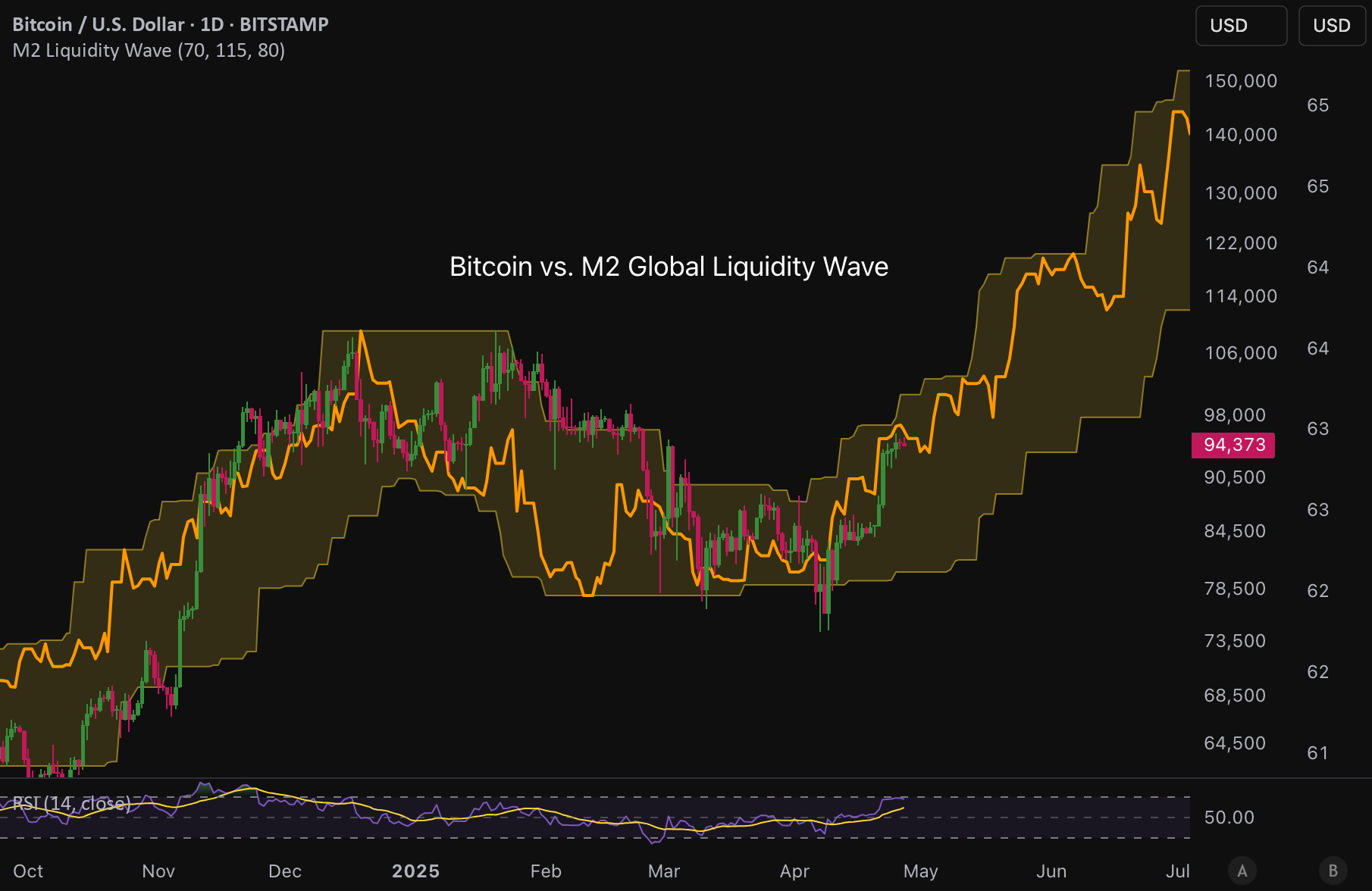
Bitcoin liquidity signals are crucial for traders and investors as they indicate the ease with which assets can be bought or sold in the market. When liquidity is high, it means there is plenty of cash available, leading to smoother transactions and stable pricing. Conversely, when liquidity is low, transaction costs increase as sellers might only find buyers at lower prices. The importance of liquidity in the cryptocurrency market cannot be overstated; it directly affects Bitcoin price action, influencing whether buyers can easily enter or exit positions without significantly impeding the market.
Recent events surrounding the Federal Reserve’s actions have created notable liquidity signals that could impact Bitcoin’s trajectory heading into 2026. For instance, the Fed’s interventions, such as its significant Treasury bill purchases, suggest a proactive approach to liquidity management. These measures could be a precursor to a more favorable environment for Bitcoin, as enhanced liquidity may support a price recovery by reducing volatility and enabling more participants to engage in the market.
Federal Reserve Impact on Bitcoin Prices
The Federal Reserve plays a pivotal role in shaping the macroeconomic landscape that directly influences cryptocurrency prices, including Bitcoin. When the Fed engages in expanding its balance sheet or adjusts interest rates, it sends ripples through the financial markets that can either stimulate or restrict liquidity. As we saw with the recent spike in repo market activity and the sustenance of elevated reserve management purchases, the Fed is signaling a embrace of tactics aimed at ensuring that liquidity is ample. This can lead to a conducive environment for Bitcoin price stable through 2026.
Moreover, the Fed’s actions contribute to shaping market expectations. When investors see the Fed actively managing liquidity, they might feel more comfortable reallocating their assets towards riskier assets like Bitcoin. This transformation in sentiment can create a virtuous cycle where rising prices attract even more liquidity, thereby reinforcing upward pressures on Bitcoin and steering it toward recovery.
Crypto Market Liquidity Dynamics
The dynamics of cryptocurrency liquidity differ significantly from traditional financial markets due to varying factors like trading hours and market participants. Weekends often experience thinner trading volumes, making cryptocurrencies like Bitcoin susceptible to abrupt price corrections or rallies. This unique aspect necessitates an understanding of crypto liquidity’s impact on price movements, particularly in volatile environments where institutional flows can influence market behavior dramatically. Analysts closely monitor these liquidity fluctuations as they maneuver through periods of high volatility.
The correlation between liquidity in the repo market and Bitcoin can also shed light on broader trends. When liquidity conditions tighten, such as what analysts observed recently, it can trigger a chain reaction that affects how cryptocurrencies are traded. Investors might become hesitant, leading to reduced trading activity, which can, in turn, amplify price movements for Bitcoin if selling pressures arise unexpectedly. Understanding this interaction is essential for anyone looking to predict Bitcoin price movements based on current liquidity trends.
2026 Bitcoin Forecasts and Market Conditions
As we approach 2026, numerous forecasts are surfacing regarding Bitcoin’s price trajectory. Analysts are keenly observing liquidity indicators, which could serve as a barometer for Bitcoin’s performance. A solid prediction hinges on whether liquidity improves as anticipated—driven by favorable monetary policies from the Federal Reserve and sustained influxes into risk assets. If liquidity conditions are conducive, Bitcoin could potentially rebound, surmounting recent resistance levels and paving the way for new all-time highs.
Another critical aspect to consider in Bitcoin forecasts is how macroeconomic policies will evolve in 2026. Will the Federal Reserve’s measures have the desired effects on both liquidity and investor sentiment? If so, we might witness an environment where Bitcoin finds itself not just oscillating, but gradually carving a path toward recovery. Therefore, adhering to both fundamental and technical indicators will be essential for investors as the new year unfolds.
Repo Market Influence on Bitcoin
The repo market is a significant indicator that can influence Bitcoin liquidity. Recent spikes in repo funding highlight how traditional finance’s liquidity dynamics can reverberate into the cryptocurrency market. For Bitcoin traders, understanding how the repo market operates is vital as it can often foreshadow shifts in liquidity and consequently impact Bitcoin prices. When banks withdraw large sums from repo facilities, it may indicate tighter liquidity, which typically correlates with market correction trends in cryptocurrencies.
On the flip side, increased activity in the repo market can signal improved liquidity conditions, fostering an environment that supports Bitcoin’s price resilience. Reduced repo rates may hint at banks feeling more stable, ultimately leading to a more favorable landscape for cryptocurrency investments. This interlinkage accentuates the necessity for Bitcoin traders to maintain vigilance over repo market trends to predict potential price movements.
The Role of ETF Flows in Bitcoin Prices
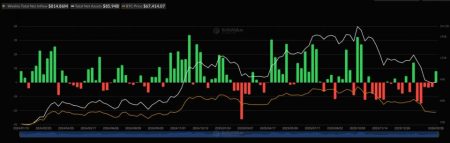
Exchange-Traded Funds (ETFs) have recently emerged as pivotal players in shaping Bitcoin’s market dynamics. By making it easier for institutional and retail investors to gain exposure to Bitcoin, ETFs have introduced significant liquidity into the market. Increased ETF flows can serve as a reliable indicator of market confidence in Bitcoin, reflecting a growing acceptance of cryptocurrencies in traditional finance. As more investors pour capital into Bitcoin through these vehicles, the resulting liquidity can significantly impact price stability and growth prospects.
Moreover, ETF flows can add a layer of resilience to Bitcoin’s market structure. When liquidity is abundant, any minor selling pressures are less likely to result in drastic price drops. As such, monitoring the flow of capital into Bitcoin-focused ETFs becomes essential for predicting upcoming price action. Consistent ETF investments signal strong market confidence, raising the potential for Bitcoin’s price appreciation in the medium to long term.
Monitoring Treasury Bill Purchases for Bitcoin Trends
Monitoring the Federal Reserve’s Treasury bill purchases is vital for understanding ongoing liquidity trends and their potential impact on Bitcoin prices. Regular substantial purchases signal the Fed’s commitment to ensuring sufficient reserves within the banking system. This proactive liquidity management can alleviate market pressures and inadvertently provide the backdrop that Bitcoin needs for a recovery. If these purchases maintain their pace into Q1 2026, it may indicate sustained supportive conditions for Bitcoin.
Conversely, a slowdown in Treasury bill purchases could imply a tightening of liquidity, which would not bode well for Bitcoin or other risk assets. Given the historical correlations, analysts and traders must keep a keen eye on these developments to anticipate potential shifts in Bitcoin’s price trajectory. By closely scrutinizing Fed activity, investors can better position themselves to ride the waves of cryptocurrency market fluctuations.
The Impact of Year-End Funding Stress on Bitcoin
Year-end funding stress often becomes a focal point in financial markets, and its effects are evident in Bitcoin trading as well. As financial institutions work towards cleaning their balance sheets, liquidity can become constricted, creating short-term volatility in cryptocurrency prices. The recent spike in bank withdrawals from the Federal Reserve’s facilities highlights this phenomenon, with potential short-term repercussions for Bitcoin prices as funding conditions tighten.
However, the impact of year-end stress may not last long if the market can stabilize afterward. With the Federal Reserve showing readiness to address liquidity constraints, Bitcoin could benefit from cleansing the volatility associated with year-end funding stresses. Should the conditions normalize, historical patterns suggest that Bitcoin prices may swiftly recover as liquidity resumes, further reinforcing its status as a viable asset.
Long-Term Projections for Bitcoin Beyond 2026
While short-term signals provide valuable insights, long-term projections for Bitcoin must also be considered. Looking beyond 2026 requires an understanding of how the changing liquidity landscape will continue to influence the cryptocurrency market. Factors such as ongoing monetary policies, technological advancements, and global economic trends will play crucial roles in shaping Bitcoin’s future price trajectory. A stable regime of liquidity backed by supportive Fed policies can open the door for sustained bullish sentiment.
Moreover, the introduction and acceptance of Bitcoin ETFs and other crypto-related financial instruments will likely create substantial liquidity inflows. Should Bitcoin achieve broader acceptance as a mainstream asset, investor confidence may foster substantial growth pathways. Thus, keeping a lookout for how these elements synergize will allow investors to navigate potential coming waves in Bitcoin’s value.
Frequently Asked Questions
What do Bitcoin liquidity signals indicate about the future of cryptocurrency?
Bitcoin liquidity signals offer insights into market dynamics and can hint at potential future price movements. Enhanced liquidity tends to support price increases, suggesting that as liquidity improves, Bitcoin could benefit significantly, especially in light of macroeconomic factors such as the Federal Reserve’s policies.
How does the Federal Reserve impact Bitcoin liquidity signals?
The Federal Reserve plays a crucial role in shaping Bitcoin liquidity signals through its monetary policy actions. For instance, measures like purchasing Treasury bills or adjusting interest rates can affect the availability of cash in financial markets, thereby influencing the liquidity conditions for Bitcoin and other cryptocurrencies.
What is the relationship between cryptocurrency liquidity and Bitcoin price prediction?
Cryptocurrency liquidity directly influences Bitcoin price predictions. Higher liquidity typically leads to smoother price actions and reduces volatility, which can support bullish price forecasts for Bitcoin in favorable market conditions.
What role does the repo market play in Bitcoin liquidity signals?
The repo market can provide significant clues to Bitcoin liquidity signals. A surge in repos, like the record amount borrowed from the Fed’s Standing Repo Facility, indicates stress in liquidity, which can affect traders’ confidence and subsequently impact Bitcoin’s price movements.
Can we rely on Bitcoin liquidity signals for 2026 Bitcoin forecasts?
While Bitcoin liquidity signals are valuable for forecasts, they should be considered alongside other macroeconomic indicators. Analysts expect that improved liquidity conditions early in 2026 could facilitate a recovery in Bitcoin prices, making liquidity signals a key factor to monitor.
How do Treasury bill purchases by the Fed affect Bitcoin liquidity signals?
Treasury bill purchases by the Fed serve as a signal for improved liquidity conditions. When the Fed engages in these reserve management activities, it often suggests that they are proactively addressing liquidity issues, which can create a more favorable environment for Bitcoin and drive up its price.
What indicators should investors watch for assessing Bitcoin liquidity signals in 2026?
Investors should monitor several indicators, including the normalization of SRF usage, ongoing Treasury bill purchases, broader financial conditions, crypto sector liquidity, and the flow of ETFs. These will provide critical insights into Bitcoin’s liquidity landscape heading into 2026.
Why is understanding liquidity important for Bitcoin traders?
Understanding liquidity is crucial for Bitcoin traders because it affects market depth and price stability. Improved liquidity can lead to less volatile price movements and smoother trading experiences, allowing traders to make more informed decisions in a dynamic market.
| Key Point | Details |
|---|---|
| Bullish Liquidity Signal from the Fed | The Fed’s actions indicate potential recovery for Bitcoin in 2026 due to liquidity improvements. |
| Record SRF Withdrawal | Banks withdrew $74.6 billion from the SRF, signaling tight cash conditions. |
| Effects of Liquidity on Bitcoin | Liquidity impacts trading volumes and price movements, promoting bullish trends when high. |
| Fed’s Purchases of Treasury Bills | The Fed purchased $40 billion in Treasury bills, aiming to maintain liquidity and reserves. |
| Indicators of Liquidity Improvement | Monitoring SRF usage, Treasury bill purchases, and ETF flows will signal liquidity changes. |
| Market Sentiment and Confidence | A stable liquidity environment could boost confidence in Bitcoin, encouraging new capital. |
Summary
Bitcoin liquidity signals are essential for understanding the cryptocurrency’s potential trajectory, especially as the Fed’s recent actions suggest a shift towards improved liquidity conditions. With the Federal Reserve’s plans to enhance reserves, the market may see a more substantial Bitcoin rally as liquidity increases, mitigating price volatility and fostering new investments. Key indicators worth monitoring in early 2026 will offer insights into the evolving liquidity landscape and its impact on Bitcoin.
Related: More from Bitcoin News | BTC ETFs See $1.1B Inflows in Three Days, Set for Biggest Week | ETF Holders Preempt Potential Bitcoin Price Drop Below $60K