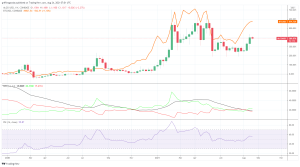



Bitcoin investments by sovereign funds have begun to reshape the landscape of digital assets investment, signaling a new era of institutional interest in cryptocurrency. Notably, BlackRock CEO Larry Fink disclosed that several unnamed sovereign wealth funds have actively purchased Bitcoin, particularly capitalizing on price dips below $80,000. These gradual acquisitions reflect a strategic move to build substantial holdings in response to market fluctuations, particularly following Bitcoin’s peak at an extraordinary $126,000. As institutional players recognize the potential for cryptocurrency tokenization to drive future growth, the implications for Bitcoin price prediction become increasingly significant. With sovereign wealth funds entering the Bitcoin market, the trend suggests a shift in how major financial entities view cryptocurrencies, paving the way for more robust integration into traditional investment portfolios.
The engagement of sovereign wealth funds in digital currencies marks a pivotal moment for the investment landscape, as these state-owned entities seek exposure to alternative assets. This trend highlights the growing acknowledgment of cryptocurrency’s role in global finance, further emphasized by BlackRock’s Larry Fink, who underscores the urgency of digitization and tokenization in maintaining competitive advantage. The strategic purchases by these funds reflect a calculated approach to harness the benefits of cryptocurrency, while also indicating their confidence in the stability and growth potential of Bitcoin. Such investments not only enhance the liquidity of the crypto market but also set the stage for further developments in the tokenization of assets. As global markets evolve, the pursuit of cryptocurrencies by key financial players reflects a broader shift towards recognizing the value of digital assets.
Larry Fink’s Insights on Bitcoin Investments by Sovereign Funds
In a recent address at the DealBook event, Larry Fink, CEO of BlackRock, shed light on the increasing interest of sovereign wealth funds in Bitcoin investments. These unnamed funds have reportedly capitalized on the recent downturn in Bitcoin prices, purchasing more coins as the value dipped below the $80,000 mark. This strategic approach signals a long-term commitment to Bitcoin, aiming to strengthen their portfolio as the cryptocurrency market evolves. It raises intriguing questions about the future of digital assets investment and the role of institutional players in enhancing Bitcoin’s legitimacy on a global scale.
Fink’s assertion that sovereign wealth funds are gradually increasing their Bitcoin holdings is indicative of a broader trend where traditional finance intersects with the burgeoning realm of digital currencies. The influx of capital from these entities could lead to more significant price stabilizations and advancement in the infrastructure surrounding Bitcoin and cryptocurrencies at large. The implications of such investments not only highlight the acceptance of digital assets but also potentially pave the way for other institutional players to enter the cryptocurrency market.
Frequently Asked Questions
What role do sovereign wealth funds play in Bitcoin investments?
Sovereign wealth funds are state-owned investment funds that are increasingly investing in Bitcoin as a long-term asset. According to BlackRock CEO Larry Fink, these funds are making gradual purchases of Bitcoin, especially as prices decline, indicating a strategic approach to digital asset investment.
How has Larry Fink’s views on Bitcoin influenced sovereign wealth funds?
Larry Fink’s acknowledgment of certain sovereign wealth funds investing in Bitcoin signifies growing institutional acceptance of cryptocurrency. His emphasis on these funds increasing holdings during price dips reflects a trend where institutional investors are viewing Bitcoin as a viable long-term investment.
What is the current Bitcoin price prediction for 2023 based on sovereign wealth fund activity?
While Larry Fink noted that sovereign wealth funds strategically buy more Bitcoin as prices enter the $80,000 range, Bitcoin price predictions for 2023 remain speculative. However, increased institutional interest from sovereign wealth funds may contribute to potential price stability and growth.
Why is cryptocurrency tokenization important for sovereign wealth funds?
Cryptocurrency tokenization allows for the digitization of assets, which Larry Fink suggests could lead to significant growth. Sovereign wealth funds view this as an opportunity for diversifying their portfolios and investing in innovative digital assets that align with future financial trends.
What impact do sovereign wealth funds have on Bitcoin’s market dynamics?
The involvement of sovereign wealth funds in Bitcoin investments can significantly impact market dynamics. Their large-scale purchases can lead to price fluctuations, and as seen with Larry Fink’s insights, their ongoing investments during price dips can create a more stable market for Bitcoin and influence overall investor sentiment.
| Key Point | Details |
|---|---|
| Sovereign Wealth Funds Investment | Sovereign wealth funds are reportedly buying Bitcoin. |
| Investment Strategy | They are making gradual purchases, especially when Bitcoin prices dip. |
| Current Bitcoin Price Reaction | Funds increased holdings even after Bitcoin dropped from $126,000 to around $80,000. |
| Future Predictions | Larry Fink believes there will be huge growth in cryptocurrency-driven tokenization. |
| Call for Action | Fink emphasized the need for the U.S. to invest in digitization to remain competitive. |
Summary
Bitcoin investments by sovereign funds are on the rise, as evidenced by BlackRock CEO Larry Fink’s comments about their strategic purchasing habits in response to market dips. These funds are not only increasing their Bitcoin holdings during price declines but are also positioning themselves for anticipated significant growth in cryptocurrency and tokenization. Fink’s insights highlight the urgency for the U.S. to keep up with other nations in digital investment or risk losing its competitive edge.