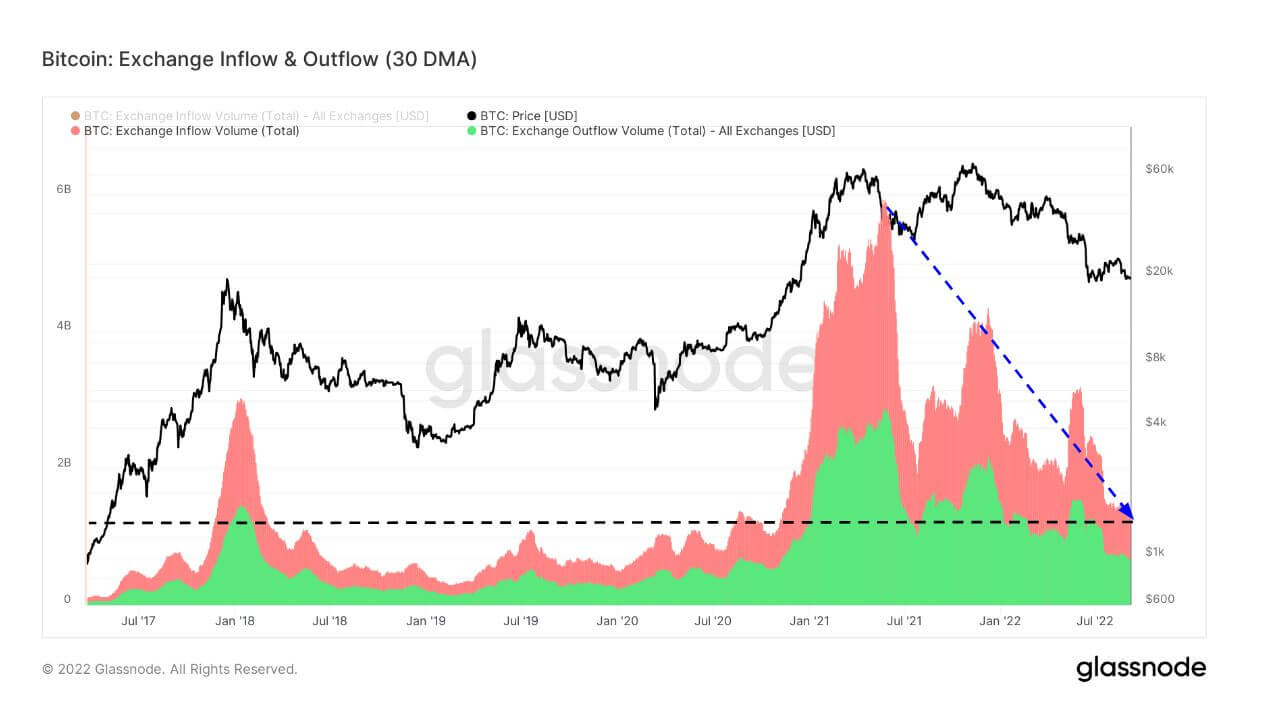

The Bitcoin inflows anomaly has sent shockwaves through the crypto community, leading to concerns about the sustainability of the current Bitcoin price rally. Just as Bitcoin was approaching the coveted $90,000 mark, a staggering 17,000 BTC was sent to exchanges, mimicking patterns observed during previous market tops. This influx of BTC exchange inflows could signal trouble ahead, as many traders begin to sell rather than hold. Coupled with the analysis of Bitcoin market trends and short-term holder SOPR, the situation demands close scrutiny to understand its potential impact on the overall crypto market analysis. As traders navigate these turbulent waters, the ramifications of these inflows might determine the next phase in Bitcoin’s price journey.
Recently, a notable deviation in Bitcoin’s exchange inflows has emerged, raising eyebrows among analysts and investors alike. This recent influx of Bitcoin, particularly amounting to 17,000 BTC, represents a shift in the market dynamics reminiscent of past high points. Such substantial movements have reignited discussions about market resistance levels and the implications for future price trajectories. Monitoring the flow patterns and trader sentiments, specifically in relation to short-term holders, becomes crucial in deciphering the underlying trends in the cryptocurrency ecosystem. As we delve deeper into these anomalies, it is vital to reassess our understanding of Bitcoin’s price stability and market behavior.
| Key Point | Details |
|---|---|
| Bitcoin Inflows Anomaly | Over 17,000 BTC sent to exchanges raises concerns for market stability. |
| Recent Inflows Data | 9,867 BTC inflow on Jan. 20 and 6,786 BTC on Jan. 21, drastically higher than January’s average daily netflow of -2,000 to +2,000 BTC. |
| Current Market Sentiment | Current BTC price tested resistance near $90,000, while a significant portion of short-term holders are at a loss. |
| Market Improvement Signs | Cumulative volume delta indicates a potential buying momentum despite selling pressure stabilizing. |
| Stablecoin Activity | Sharp drop in Stablecoin Supply Ratio points to changes in Bitcoin market cap relative to stablecoin liquidity. |
Summary
The Bitcoin inflows anomaly highlights significant movements of over 17,000 BTC into exchanges, which poses risks to the stability and recovery of Bitcoin’s price. This inflow pattern mirrors previous market corrections and suggests that a deeper sell-off could be looming. Despite the current market showing signs of improvement, the strong supply and high selling pressure remain concerns as Bitcoin attempts to reclaim levels near $90,000.
Understanding the Bitcoin Inflows Anomaly
The recent spike in Bitcoin (BTC) inflows into exchanges, particularly the anomalous 17K BTC surge, raises significant concerns for the crypto market. This sudden inflow occurred amidst a short-term price rally, signaling potential sell pressure that could negate any recovery efforts. Historically, such notable inflows often precede further price declines, particularly if they mirror trends observed during previous market tops. In this case, the abrupt 17,000 BTC influx from January 20 to 21 starkly contrasts with the average daily net flows observed earlier in January, fostering speculation among traders and analysts alike.
Furthermore, the implications of this Bitcoin inflows anomaly extend beyond immediate price impacts. With current Bitcoin market trends indicating resistance near the $90,000 mark, the sustained supply entering exchanges could create an overhang, destabilizing BTC’s recovery efforts. As a significant core of the trading community watches closely, discerning whether this influx signifies profit-taking by short-term holders or a broader trend could guide future investment strategies in an increasingly volatile crypto landscape.
Analyzing BTC Exchange Inflows Post-Rally
Following the Bitcoin price rally to $90,000, the influx of 17K BTC into exchanges signifies altered market sentiment, prompting traders to reassess their positions. The heightened BTC exchange inflows reflect a stark contrast to previous weeks, where daily netflows oscillated within a narrower range of -2,000 to +2,000 BTC. Particularly notable is the fact that such dramatic inflows typically herald corrections, especially if the recent peak was interpreted as unsustainable. As the price stabilizes, it raises critical questions regarding liquidity and market depth within the current cryptocurrency ecosystem.
Moreover, the correlation between BTC exchange inflows and traditional price resistance levels highlights an essential aspect of crypto market analysis. Currently, Bitcoin’s short-term holder SOPR (Spent Output Profit Ratio) is lingering just below the break-even point, suggesting that short-term investors are experiencing losses at this price tier. Should the 17K BTC inflows continue, and if the market fails to absorb this additional supply, we may witness increased volatility that undermines confidence in analyzing the ongoing price rally and could lead to deeper corrective phases.
Current Trends in Bitcoin Market Dynamics
Recent data illustrates that despite the troubling 17K BTC inflow anomaly, there are emerging positive indicators within Bitcoin’s market dynamics. The cumulative volume delta (CVD) across exchanges has shifted back into a buy-dominant state, primarily on platforms like Binance. This upward trend in buying pressure indicates a potential reestablishment of a more stable price environment, provided that the newly introduced supply does not overwhelm the current demand. The fact that selling pressure has at least stabilized on major exchanges like Coinbase is a crucial sign for traders looking for recovery patterns post-correction.
Moreover, the Stablecoin Supply Ratio (SSR) has experienced a marked decline, suggesting that Bitcoin’s market cap has diminished more rapidly relative to stablecoin liquidity. This could be indicative of a larger repositioning within the crypto marketplace, where stablecoins often serve as a barometer for capital movement and market sentiment. As traders strategize their next moves, understanding these evolving market dynamics becomes imperative for navigating potential recovery phases and anticipating forthcoming price fluctuations.
Impact of Market Psychology on Bitcoin Prices
Market psychology plays a pivotal role in determining Bitcoin’s price movements, especially in the face of unusual inflows like the recent 17K BTC surge. This anomaly has undoubtedly shifted trader sentiment, potentially inciting fear or anxiety among short-term holders who may question their positions and the fundamental strength of BTC’s recovery efforts. As Bitcoin’s price navigates these psychological barriers around resistance levels, understanding trader behavior becomes essential in interpreting future price actions. Analysts often highlight that fear and greed cycles can significantly influence market trends, particularly in a highly speculative environment.
The psychological impact of seeing large amounts of BTC flowing into exchanges often necessitates a cautious approach among investors. Given that the SOPR metric for short-term holders currently indicates losses, there is a tangible reluctance to enter or maintain positions, reflecting a broader fear of further downturns. The balance between market sentiment and analytical indicators demonstrates the complex interplay that underlies Bitcoin’s short-term forecasts, and awareness of these factors can inform better trading decisions in the rapidly shifting crypto landscape.
Short-term Holder Selling Pressure in Focus
The behavior of short-term holders in light of recent market developments has become an essential focal point for understanding Bitcoin’s immediate trajectory. With the short-term holder SOPR near the pivotal 1.0 mark, many traders are strategically assessing whether to hold or liquidate their positions. The presence of 17K BTC inflows suggests that many may perceive current prices as a prime opportunity to sell, potentially exacerbating selling pressure in the market. If many holders find themselves on the losing side, it might lead to a cascading effect, where increased sales further fuel market declines.
On the flip side, if a sufficient number of short-term holders decide to hold through volatility, it could create a scenario of moderated selling pressure, allowing Bitcoin to recover if demand strengthens. The movement within this demographic is frequently monitored as they tend to dominate market movements during periods of heightened volatility. Additionally, a careful analysis of selling patterns among short-term holders provides deeper insights into the overall health of the Bitcoin market, as their reactions can signal broader trends that may either stabilize or disrupt ongoing price actions.
Technical Indicators to Watch in Bitcoin Recovery
In the context of Bitcoin’s tumultuous recovery efforts, several technical indicators warrant close scrutiny by investors and analysts. For instance, the recent fluctuations in the seven-day Simple Moving Average (SMA) of the short-term holder SOPR—currently at 0.996—serve as a critical benchmark for evaluating the potential for price rebound. Traditionally, when this metric dips below 1.0, it signals a market trend where sellers outpace buyers, indicating that short-term holders are operating at a loss. This insight is coupled with the recent influx of 17K BTC to exchanges, further highlighting the waiting game that traders may now face.
Moreover, price resistance levels observed near $90,000 provide essential reference points for traders assessing potential entry and exit strategies. Observing technical resistance coupled with external market factors like BTC exchange inflows allows for a more nuanced approach to predicting short-term price movements. Should Bitcoin’s price navigate successfully past these resistance points without excessive selling pressure, it could reestablish bullish sentiment that promotes recovery in the longer term.
Market Liquidity and Stability Post-Correction
Post-correction analysis insights reveal that Bitcoin’s market liquidity remains a crucial variable in determining the potential for recovery. The recent flood of 17K BTC inflows has introduced a significant supply challenge, testing the stability of current price levels and overall market liquidity. A consideration of exchange CVD paints a picture of how well the market can absorb these inflows; if liquidity remains strong, prices may stabilize despite the influx. However, if liquidity tightens in response to excess supply, prices could face downward pressure.
Additionally, efforts to improve market stability hinge not only on managing selling pressure but also on enhancing incoming capital flow dynamics. Shifts toward buy-dominance in the cumulative volume delta suggest a cautious, yet optimistic, environment is emerging. Successful navigation of this turbulent landscape will depend on robust liquidity management and the ability to adapt to new inflow patterns that may define how Bitcoin’s recovery unfolds in the coming weeks.
Price Predictions Based on Inflow Trends
Given the heightened exchange inflows and their historical context, projecting Bitcoin’s price trajectory becomes an intricate puzzle for analysts. The recent 17K BTC anomaly serves as both a warning and a signal for potential price corrections, suggesting the market may soon test pivotal price levels. Influenced notably by the competition of selling pressure from short-term holders and potential buying momentum from more resilient investors, future price predictions must take these dynamics into account while factoring in the broader crypto market analysis.
As traders analyze potential recovery pathways, the importance of historical patterns cannot be overstated. The interactions between Bitcoin price rallies and sudden inflows can create unmistakable trends, often unveiling the market’s underlying sentiment. Utilizing indicators like SOPR alongside traditional price levels can enhance the accuracy of predictions, providing traders with the insights necessary to anticipate market shifts effectively.
Frequently Asked Questions
What does the Bitcoin inflows anomaly mean for the market?
The Bitcoin inflows anomaly refers to significant surges in Bitcoin (BTC) being sent to exchanges, which can indicate potential sell-offs or market corrections. Recently, 17,000 BTC inflows were recorded, suggesting heightened selling activity that could destabilize Bitcoin’s price rally.
How do Bitcoin exchange inflows affect price trends?
Bitcoin exchange inflows, especially when anomalies occur, can suggest increased selling pressure in the market. As seen recently, over 17,000 BTC inflows have correlated with the Bitcoin price rally struggling to maintain momentum, potentially signaling caution among investors about future price movements.
What is the significance of short-term holder SOPR in relation to Bitcoin inflows?
The short-term holder SOPR (Spent Output Profit Ratio) helps assess whether Bitcoin holders are selling at a profit or loss. Currently, with a SOPR below 1.0, indicating losses for short-term holders, it could be influencing the recent Bitcoin inflows anomaly by prompting selling activity amidst uncertain market conditions.
How can crypto market analysis predict future Bitcoin price movements after an inflows anomaly?
Crypto market analysis incorporates data like Bitcoin exchange inflows and the behavior of market participants. Recent anomalies, like the 17,000 BTC inflow, are analyzed alongside indicators such as cumulative volume delta (CVD) and SOPR to understand price trends and predict potential market corrections or recoveries.
What role does the current Bitcoin price rally play in the context of recent inflows?
The current Bitcoin price rally, which peaked around $90,000, is at risk due to the anomaly of 17,000 BTC inflows. This surge to exchanges may indicate selling pressure that could thwart further price increases, making it crucial to monitor exchange inflow trends closely.
Why is the recent Bitcoin inflows anomaly causing concern among traders?
Traders are concerned about the recent Bitcoin inflows anomaly because it mirrors previous patterns that preceded market tops. The influx of over 17,000 BTC into exchanges suggests potential sell-offs, putting additional pressure on Bitcoin’s price stability and future growth prospects.
Related: More from Bitcoin News | AI, BTC Miners Issue High | Bitcoin Above $69K? Glassnode Weighs In