


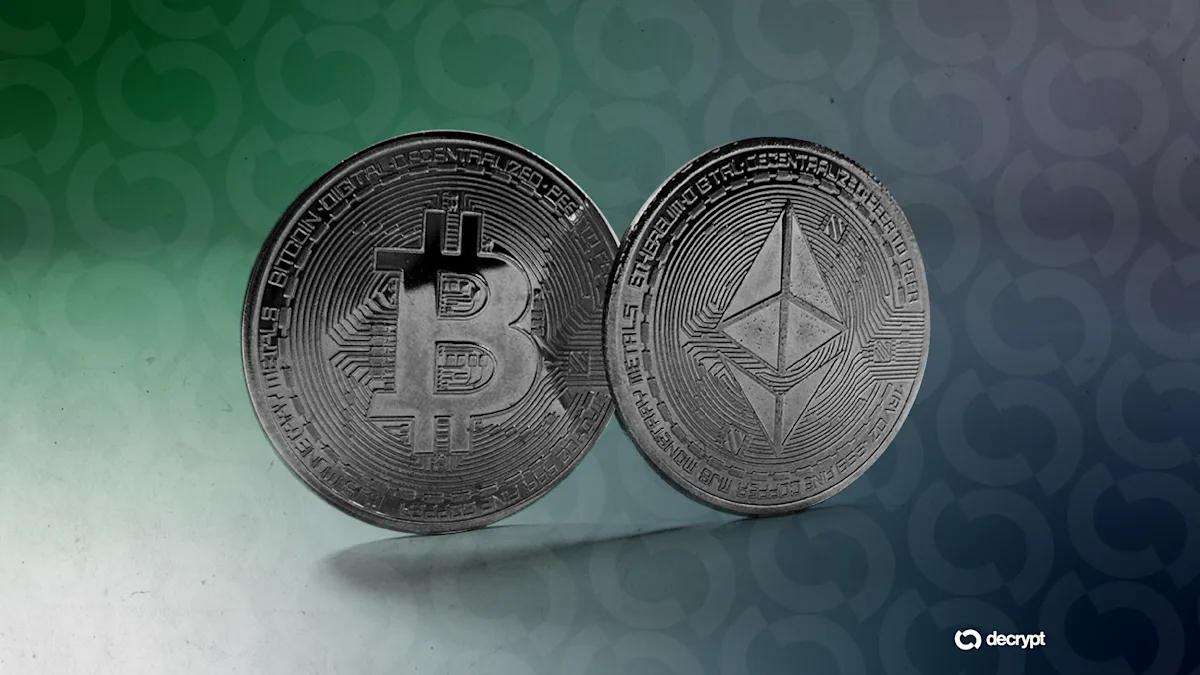

Bitcoin, Ethereum Dive Deeper Amid AI and Macro Angst

Key Takeaways
In recent trading sessions, the cryptocurrency market has seen significant turmoil. Industry giants, Bitcoin and Ethereum, led a broad pullback in digital currencies extending losses amid a cloud of anxiety surrounding the macroeconomic landscape and emerging concerns about Artificial Intelligence (AI) technology’s implications on markets.
Bitcoin, historically viewed as a barometer for the crypto market, plummited by rapid percentage points to trade below significant psychological thresholds. Investors had witnessed Bitcoin attempting to establish support around these levels after a turbulent year influenced by troubling inflation data, shifts in Federal Reserve policies, and global political unrest. However, the recent dive suggests that investor confidence might be waning.
Similarly, Ethereum experienced a substantial decrease in value. As the leading platform for decentralized applications, including everything from DeFi to NFTs, Ethereum’s price movements are particularly indicative of sentiment within the wider scope of blockchain and technological applications.
Why are Cryptocurrencies Falling?
Several factors contribute to the current dip in cryptocurrency values. On one side, there are macroeconomic concerns. With global inflation rates still high, central banks around the world, particularly the U.S. Federal Reserve, have adopted a hawkish stance. This has led to higher interest rates, which generally make risk assets like cryptocurrencies less attractive to investors looking for safer havens.
Added to this is the growing angst around emerging AI technologies. Recent advancements in AI have prompted debates over its long-term impacts on employment, privacy, and even its utility within financial markets. Some fear that the accelerated pace of AI development might lead to unstable prediction models in trading algorithms, potentially affecting crypto and other financial markets’ volatility.
Implications for the Market
The downturn in leading cryptocurrencies could have broader implications. For one, a sustained dip might impact funding and investment in blockchain projects. During bullish periods, venture capital tends to flow generously towards innovative crypto endeavors. Conversely, in bearish conditions, funding can dry up, potentially stalling innovation.
Moreover, the case of AI integration into blockchain and cryptocurrency mechanisms might be another area to watch closely. As the technology evolves, its application could lead either to enhanced efficiencies and new functionalities or exacerbate existing concerns such as market manipulations and cybersecurity risks.
What Investors are Thinking
The drop in Bitcoin and Ethereum also reflects investor sentiment towards the recent crackdowns and regulatory announcements affecting the crypto industry. Governments globally, from China to the United States, have been tightening regulations around cryptocurrency usage, mining, and transacting, instilling fear of potential stringent controls that could further choke the industry.
Despite the alarm, some market veterans view these dips as periodic corrections natural in highly volatile markets like cryptocurrencies. They argue that such conditions purge excess speculation and could present buying opportunities for long-term believers in digital currencies’ transformative potential.
Looking Ahead
As the market wades through these choppy waters, all eyes will be on the next moves by major economies’ central banks. Further interest rate hikes could potentially lead to additional downward pressure on cryptocurrencies. Conversely, any signs of a shift towards more accommodative monetary policies could help stabilize and possibly rejuvenate investment flows towards crypto.
Moreover, developments in AI should be closely monitored by those within and outside the crypto industry. As this technology integrates deeper into various sectors, including finance, its profound impact could become a more prominent driver in market dynamics.
The road ahead for Bitcoin, Ethereum, and the broader crypto market remains fraught with challenges and uncertainties, but also possibilities that could lead to the next evolution of digital finance. As always, market participants would need to maintain a cautious yet open-minded approach to navigate through these evolving landscapes.