

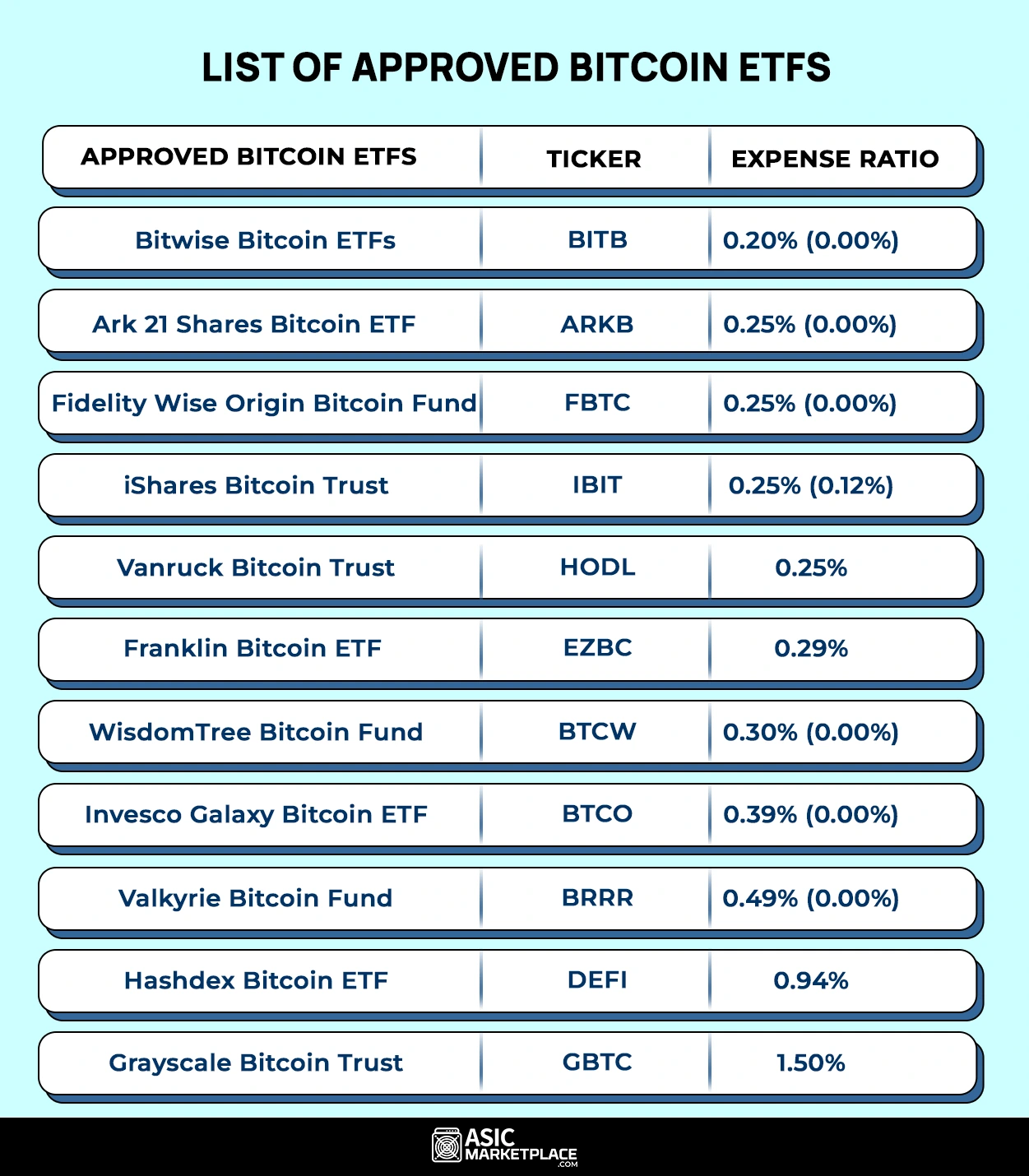

Bitcoin ETFs have recently experienced one of their worst weeks, suffering extraordinary outflows amounting to $1.2 billion. This dramatic shift in the market comes as investors flee due to a significant Bitcoin price decline, which has plummeted almost 33% since its peak earlier this October. As the interest in crypto investment products fluctuates, many are turning to the Grayscale Bitcoin Trust and other alternatives, reflecting changing investor sentiment. The recent dip has raised concerns in the financial community, prompting analysts to observe an uptick in demand for Solana ETF offerings alongside traditional Bitcoin ETFs. While the figures indicate turmoil, many experts believe this could be a mere bump in the road for the resilience of Bitcoin and its associated funds.

Bitcoin exchange-traded funds (ETFs) have found themselves in turbulent waters, facing unprecedented withdrawals and a staggering market response. As the cryptocurrency landscape evolves, these investment vehicles, which allow exposure to Bitcoin without direct ownership, are under intense scrutiny due to recent volatility. The decline in Bitcoin’s value has triggered alarm bells among investors, leading to notable drops in assets across several funds like the Grayscale Bitcoin Trust. Meanwhile, the emergence of alternative digital asset ETFs, including those for Solana, showcases the diverse interests in the crypto sector. With changing tides in market sentiment, the future of these investment products remains a critical topic for stakeholders in the ever-evolving world of cryptocurrency.
The Impact of Bitcoin ETF Outflows on the Market
The recent outflows from Bitcoin ETFs, totaling nearly $1.2 billion in one week alone, mark a significant moment in the evolution of cryptocurrency investment products. Investors have been increasingly cashing out, responding to Bitcoin’s sharp price decline to $81,000—the lowest point in several months. This trend reflects broader market anxieties, particularly surrounding monetary policy and macroeconomic conditions affecting cryptocurrencies. Such large-scale withdrawals have left many questioning the stability of Bitcoin ETFs and their role as reliable investment vehicles in a turbulent market.
Interestingly, the sequential $3.79 billion in monthly outflows highlights the volatility inherent in cryptocurrency markets. This is particularly concerning given that Bitcoin ETFs have generally enjoyed popular traction since their inception. The contrast between traditional investment products and Bitcoin ETFs becomes apparent, as many traditional assets do not experience this level of withdrawal during downturns. As investors look for refuge amidst escalating global uncertainties, Bitcoin ETFs might need to adapt their strategies to restore confidence in their long-term viability.
Despite the outflows, industry experts believe in the resilience of Bitcoin and its affiliated products. Analysts like Eric Balchunas have suggested that historic trends favor Bitcoin’s ability to recover from significant downturns. This optimism could potentially draw investors back as market dynamics shift. Should Bitcoin regain its previous momentum and ascend from the troubling depths it currently faces, it is likely that investors will revisit these ETFs as viable options for capitalizing on cryptocurrency rebound scenarios.
Furthermore, the incorporation of new, innovative ETFs such as those reflecting altcoin investments—including Solana and XRP—could further influence market dynamics. These products not only diversify investment options but also bring fresh capital into the ecosystem, potentially stabilizing the inflow and outflow patterns seen with traditional Bitcoin ETFs.
Why Bitcoin Prices Are Declining: Factors to Consider
Bitcoin’s price never operates in a vacuum; the recent decline to $81,000 is symptomatic of a broader malaise affecting cryptocurrency markets overall. Influential factors include macroeconomic conditions, particularly fluctuations in monetary policy by central banks that impact liquidity and investor confidence. Such systemic factors have a significant bearing on Bitcoin price dynamics, affecting both retail and institutional investment flows.
Additionally, the excitement surrounding other cryptocurrencies and investment products, like the Grayscale Bitcoin Trust, has led many investors to diversify their portfolios away from Bitcoin. Products linked to altcoins like Solana and Dogecoin have exploded in popularity, attracting capital and interest that historically would have flowed into Bitcoin ETFs. This shift in investor sentiment, coupled with macroeconomic headwinds, contributes to Bitcoin’s recent price struggles.
Furthermore, with financial analysts closely monitoring these emerging trends, it results in a constantly shifting landscape. Investment strategies may not remain static, as observed in recent weeks where products like the Grayscale Bitcoin Trust saw significant outflows. This behavioral shift among investors indicates a potential rethink of Bitcoin’s role in portfolios, which could be further emphasized by a decline in interest in Bitcoin ETFs.
The compounding effect of these various factors showcases the need for prospective investors to stay informed about both Bitcoin’s immediate price movements and the larger forces that could shape its path forward. As BTC’s trajectory remains unpredictable, understanding these influences becomes critical for anyone considering entry into the crypto market.
Emerging Alternatives to Bitcoin ETFs: The Rise of Solana ETFs
As Bitcoin ETFs close in on staggering outflows, an emerging focus on alternative cryptocurrencies appears to be reshaping investor strategies. ETFs that cluster around Solana, XRP, and similar digital assets have showcased impressive initial performance, drawing considerable investment interest and signaling a pivot in market dynamics. The Canary Capital XRP ETF, for example, achieved over $58 million in its opening day—providing a stark reminder of the potential for rapid returns found outside of Bitcoin-centric products.
Moreover, the Bitwise Solana Staking ETF has garnered more than $660 million in assets in a remarkably short span, with no recorded outflows thus far. This development speaks to a growing approval for diversified crypto asset management strategies as investors seek opportunities in a variety that offers growth without tethering to Bitcoin’s erratic price fluctuations. Given that Solana’s transaction efficiency and lower costs resonate well with new investors, it might push a greater portion of capital away from Bitcoin ETFs.
While Bitcoin remains a flagship cryptocurrency, the emergence of products focusing on altcoins like Solana indicates a significant shift in how investors want to interact with the crypto landscape. It reflects a desire for flexibility and higher yield possibilities amidst the current volatility surrounding Bitcoin prices. As the SEC reviews various altcoin ETF applications, this trend may contribute to the growing institutional acceptance of diversified digital assets, broadening the horizon for crypto investments in general.
As the crypto investment landscape evolves, it will be important for both seasoned investors and newcomers to watch these trends closely. With Bitcoin’s dominance potentially slipping, the influence of emergent ETFs on investor sentiment signals a pivotal moment for the entire ecosystem, reiterating how vital adaptability is in the rapidly transforming world of cryptocurrency. This equally encourages innovation within fund strategies, making room for more tailored investment products that address specific market demands.
Grayscale Bitcoin Trust: Performance and Future Outlook
The Grayscale Bitcoin Trust (GBTC) has long been a staple for investors looking to gain exposure to Bitcoin without actually holding the underlying asset. However, recent outflows totaling around $172 million have raised questions about the trust’s long-term appeal. Despite being a pioneer in the Bitcoin investment landscape, GBTC’s challenges reflect broader trends within the ETF marketplace—especially as newer, more agile altcoin ETFs emerge.
As traditional investment products face scrutiny during turbulent market periods, Grayscale’s ability to overcome these setbacks hinges on its adaptability to changing investor preferences. The recent decline in its valuation signals that GBTC must innovate or risk losing relevance amid growing competition from altcoin-focused funds. The demand for products like the Solana ETF, where immediate returns create buzz among investors, reflects a pronounced shift, nudging the Grayscale Bitcoin Trust to reconsider its operational strategies moving forward.
Moreover, analysts point to the potential of GBTC to bounce back. Its historical resilience could once again play a pivotal role in captivating investor confidence. Should Bitcoin’s price rally alongside positive regulatory news or broader market momentum, products like GBTC could benefit from renewed inflows. The trust’s future ultimately revolves around its capacity to adjust to the evolving needs of its investor base while aligning closely with overall market performance.
In a landscape where diversification becomes a priority, Grayscale’s ability to incorporate strategies that connect Bitcoin with emerging assets like Solana will be key in maintaining its foothold in the investment space. The preservation of its reputation and relevance within this dynamic environment will depend on vigilant monitoring of market trends and prompt adaptation to shifting investor sentiment.
Investing in Crypto: Trends Shaping the Future
The rapid evolution of the cryptocurrency market is marked by shifting investment trends that merit attention. A surge in interest surrounding altcoin ETFs is a noteworthy shift suggesting that traditional Bitcoin-focused strategies may not suffice in capturing investor interest as they once did. Investors are now looking beyond Bitcoin to diversify their portfolios with products that reflect wider exposure to the digital assets universe.
This growing trend is mirrored in the popularity of thematic ETFs that target sectors within blockchain and cryptocurrency technologies—not just anchored to Bitcoin alone. For instance, emerging products focusing on Solana, XRP, and others have allowed investors to capitalize on specific performance narratives, enhancing returns while minimizing exposure to Bitcoin’s volatile price movements. By tapping into these narratives, investors can create more balanced portfolios that align with wider trends in technology and finance.
Educating investors about these emerging trends is crucial; fostering an environment where they can navigate the complexities of crypto investment products becomes imperative. As regulatory frameworks develop, deeper insights into how different assets interact—particularly in the context of Bitcoin prices and macroeconomic influencers—will drive informed decision-making, steering investors toward strategies that promote both growth and security.
The ongoing evolution in cryptocurrency investment product design reflects a broader understanding of market changes, reinforcing the need for flexibility in responding to investor expectations. As investors increasingly seek potential avenues for profit and hedging against losses, the strategic emphasis on educating stakeholders about various investment products will serve as a linchpin in guiding them through the ever-changing terrains of the cryptocurrency market.
The Future of Bitcoin and Cryptocurrency Investment Products
As the cryptocurrency landscape continues to mature, it poses essential questions about the future of products like Bitcoin ETFs. With recent challenges highlighted by substantial outflows and a declining Bitcoin price, investors are prompting a reassessment of their strategies. The volatility witnessed in Bitcoin underscores the need for a diversified approach to crypto investments, potentially foreshadowing the introduction of more robust financial products aimed at mitigating risk.
This diversification could include a resurgence of interest in Bitcoin as well as promising altcoins. Products that offer both Bitcoin exposure and stakes in emerging cryptocurrencies could smooth out the volatility inherent in any single asset. As such, any future developments in cryptocurrency investment products must emphasize innovation in risk management to restore investor confidence amid fluctuating market conditions. Evaluating holdings through a broader lens will empower investors to make nuanced decisions that are well-informed and strategically inclined.
Furthermore, educational initiatives from financial institutions will play a critical role in shaping market dynamics as they prepare investors for growing complexity in the cryptocurrency realm. By fostering legibility in available investment products, enhanced transparency and informative guidance, institutions will help investors navigate potential pitfalls that accompany new offerings. This shift towards a more educated investor base could catalyze growth in market confidence, steering it toward a more stable and sustainable trajectory.
As Bitcoin continues to challenge its historical patterns, the intersection of innovation, education, and diversification signals an evolving market landscape. The potential for emerging products that resonate with investors’ changing expectations stands to redefine the future of cryptocurrency investments, fostering a more resilient ecosystem moving forward.
Frequently Asked Questions
What Factors Contributed to the Recent Bitcoin ETF Outflows?
The recent Bitcoin ETF outflows, totaling around $1.2 billion for the week, were primarily driven by the significant drop in Bitcoin’s price, which fell to about $81,000. This decline has coincided with macroeconomic uncertainties and changes in the U.S. monetary policy, prompting investors to cash out of crypto investment products.
How Have Bitcoin ETF Outflows Impacted Overall Crypto Investment Products?
The substantial outflows from Bitcoin ETFs, which reached a monthly record of $3.79 billion in November, have created ripple effects across the entire crypto investment products market. Investors seeking safer alternatives are moving their funds out of these products as Bitcoin’s price declines.
Is the Grayscale Bitcoin Trust Affected by Bitcoin ETF Trends?
Yes, the Grayscale Bitcoin Trust (GBTC) has seen significant redemptions, with over $172 million exiting recently. This trend reflects the broader challenges facing Bitcoin ETFs amidst falling Bitcoin prices and heightened investor caution in the current market environment.
What Are the Implications of the Bitcoin Price Decline on Bitcoin ETFs?
The Bitcoin price decline, down 33% from its peak, directly correlates with increased outflows from Bitcoin ETFs. As investors react to falling prices, many are reallocating their investments, which complicates the growth trajectory of these ETFs.
Are There New Alternatives to Bitcoin ETFs, Such as the Solana ETF?
Yes, the introduction of new crypto ETFs, including those focusing on Solana, is indicative of evolving investment preferences. The Solana ETF has already seen considerable interest, demonstrating that investors are diversifying into alternative digital assets amid fluctuations in Bitcoin ETF performance.
Will Bitcoin ETF Outflows Continue Amid Price Volatility?
While historical trends suggest Bitcoin tends to recover after downturns, ongoing price volatility may lead to sustained outflows from Bitcoin ETFs until investor confidence is restored. Analysts suggest keeping an eye on macroeconomic indicators that could influence Bitcoin’s market.
What’s Next for Bitcoin ETFs in Light of Recent Market Developments?
In light of recent market developments, Bitcoin ETFs may face pressure from continued outflows if Bitcoin’s price remains unstable. However, the resilience of Bitcoin and potential recovery phases could provide new opportunities for these investment vehicles.
| Key Point | Details |
|---|---|
| Significant Outflows | Bitcoin ETFs lost nearly $1.2 billion in assets last week, marking one of the worst weeks in their history. |
| Record Monthly Outflows | In November alone, these funds saw outflows totaling approximately $3.79 billion. |
| Price Drop | Bitcoin’s price dropped to $81,000, a 33% decline from its October peak of over $126,000. |
| ETF Performance | BlackRock’s iShares Bitcoin Trust led the outflows, losing over $1 billion, while some ETFs like FBTC gained new investments. |
| Emerging Interest in Altcoins | There is growing interest in other digital asset ETFs, particularly those tracking tokens like Solana and XRP. |
| Historical Resilience | Experts suggest Bitcoin has a history of recovery, indicating potential for price rebounds in the future. |
Summary
Bitcoin ETFs recently faced one of their worst weeks, with significant outflows equating to $1.2 billion amidst a backdrop of falling Bitcoin prices. As investors cash out, trends indicate a shifting appetite towards altcoin-focused ETFs. However, the historical resilience of Bitcoin points toward potential recovery in the future, suggesting that the story of Bitcoin ETFs may not yet be over.