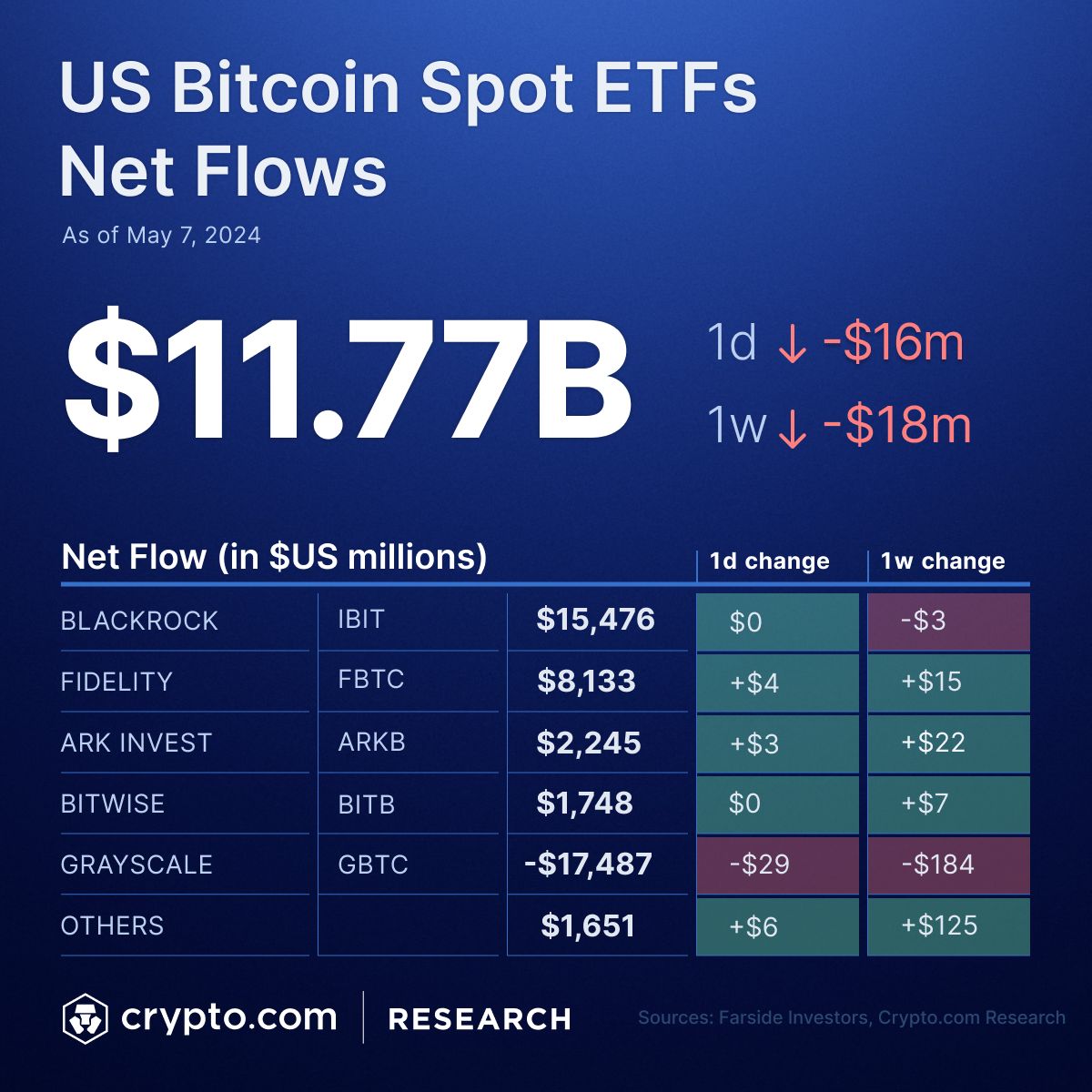

Bitcoin ETF net outflow has become a pressing topic in the cryptocurrency investment arena, as recent data reveals a significant outflow of 3,495 BTC from U.S. Bitcoin ETFs. This trend reflects a larger shift in investor confidence, paralleling ongoing movements seen in Ethereum ETFs, which also reported a considerable withdrawal of 17,969 ETH. As market participants closely follow Bitcoin ETF news, the fluctuating figures underscore growing uncertainties among traders. Meanwhile, the contrasting performance of SOL ETF inflow, which has surged by 6,401 SOL, highlights the diverse landscape of digital asset investments. Given the volatility in the market, these developments invite deeper analysis into Ethereum price analysis and the overall resilience of alternative cryptocurrencies.
The dynamics of Bitcoin exchange-traded funds have taken a hit, as evidenced by the latest net outflow figures showcasing a withdrawal of 3,495 BTC. In a broader context, Ethereum-focused ETFs have also witnessed striking declines, with net outflows reaching 17,969 ETH. This shift raises critical questions about current investor strategies and market sentiment towards cryptocurrency holdings. In stark contrast, SOL ETFs have reported an inflow, showcasing the varied performance of different digital assets in a rapidly evolving investment landscape. Observers are keenly analyzing these trends to identify potential opportunities and risks in the cryptocurrency space.
Understanding Bitcoin ETF Net Outflow
The recent net outflow from U.S. Bitcoin ETFs, totaling 3,495 BTC, raises eyebrows in the cryptocurrency market. This significant withdrawal trend indicates investor sentiment and confidence levels regarding Bitcoin as a long-term asset. When we analyze the situation, it’s important to consider the broader implications of this outflow, particularly in light of the ongoing discussions around Bitcoin ETF news, which can greatly influence market behavior. Investors are increasingly cautious, and such net outflows might lead to speculation about a looming volatility in Bitcoin’s price.
Additionally, tracking the 7-day net outflow of 8,778 BTC provides deeper insights into the prevailing trends among Bitcoin ETF investors. With each reported outflow, market analysts and enthusiasts speculate about potential factors such as regulatory shifts, market manipulation, or changes in investor priorities. The dynamics within Bitcoin ETFs are crucial for understanding overall cryptocurrency investment patterns, especially as competing assets like Ethereum and Solana (SOL) see divergent trends, such as the notable inflow of SOL ETFs.
Analysis of Ethereum ETF Outflows
In conjunction with the Bitcoin ETF net outflow, Ethereum ETFs are experiencing significant outflows as well, with 17,969 ETH withdrawn today alone. Such a trend raises concerns among Ethereum investors, especially those keen on tracking cryptocurrency investments in the rapidly changing market landscape. Analysts suggest that these outflows could reflect shifting investor preferences towards other blockchain technologies or assets, leading to questions about Ethereum’s potential as a long-term investment.
Moreover, a 7-day analysis shows an even more dramatic picture with a total outflow of 29,287 ETH from Ethereum ETFs. This shake-up in investment trends may also correlate with recent Ethereum price analysis, which appears to be struggling against market pressures. Indeed, as investors diversify their portfolios, the inflow of capital into alternative cryptocurrencies and blockchain ventures could exacerbate the conditions leading to these Ethereum ETF outflows.
The Impact of SOL ETF Inflows
Contrasting sharply with the outflows seen in Bitcoin and Ethereum ETFs, SOL ETFs have recorded a notable inflow of 6,401 SOL, indicating a growing investor interest in Solana’s ecosystem. This inflow not only highlights Solana’s resilience amid broader market uncertainties but also reflects an essential shift in capital allocation strategies among cryptocurrency investors. As newer blockchain technologies emerge, Solana’s advantages, including high transaction speeds and lower costs, become increasingly appealing.
Furthermore, the total 7-day net inflow of 117,433 SOL suggests that many investors are opting for Solana over traditional leading cryptocurrencies like Bitcoin and Ethereum. This trend encourages a diversification of investments across various blockchain networks, which is crucial for portfolio optimization in the current volatile market. As SOL continues to gain traction, understanding the driving factors behind these inflows can provide insights into future investment strategies and market trends.
Market Sentiment and Bitcoin ETF News
The latest Bitcoin ETF net outflow figures have sparked intense discussions within the cryptocurrency community. Market sentiment plays a pivotal role in shaping investment decisions, and the news surrounding Bitcoin ETFs is crucial in influencing investor perception and confidence. As BTC outflows continue, it’s vital for investors to stay updated on potential news developments that might affect Bitcoin’s future, whether that involves regulatory news or adjustments in ETF structures that could either bolster or negatively impact price.
Moreover, Bitcoin ETF news often sets the tone for broader investment behavior within the cryptocurrency market. Should major financial institutions or regulators provide supportive statements or new developments, it could reverse the current outflow trend, redirecting funds back into Bitcoin ETFs. Thus, understanding this connection can offer investors valuable foresight on potential market movements and the overall health of cryptocurrency investment.
Ethereum Price Analysis Amidst Outflows
Ethereum’s recent challenges with ETF outflows have directly influenced its price trajectory. Current price analysis reveals a potential bearish trend as the outflow of 17,969 ETH risks undermining market confidence. As more ETH leaves the ETFs, questions about liquidity and demand arise, often resulting in decreased market valuations. For current and prospective Ethereum investors, comprehending these movements is vital to make informed decisions.
In light of the outflows, analysts are closely monitoring Ethereum’s price patterns and the underlying market factors that may contribute to any rebounds or further declines. The relationship between ETH outflows and price performance highlights the necessity for cryptocurrency enthusiasts to engage in continuous market analysis and adapt their strategies accordingly.
Future of Bitcoin and Ethereum ETFs
As the cryptocurrency ecosystem continues to evolve, the future of Bitcoin and Ethereum ETFs hinges on a myriad of factors including regulatory frameworks, market acceptance, and overall investor sentiment. The current trend of net outflows from Bitcoin ETFs calls for increased scrutiny into ETF structures and offerings, pushing for innovations that might turn the tide back in favor of Bitcoin. Investors are keen to see how the industry responds, especially in terms of attracting institutional investments.
Simultaneously, Ethereum’s challenges demand attention as stakeholders investigate potential improvements that can reinvigorate interest in ETH ETFs. Proposals for upgrading the Ethereum network, including scalability solutions and enhancements in transaction efficiency, could play pivotal roles in reversing current outflows. The ongoing evaluation of both Bitcoin and Ethereum ETFs will remain a focal point for investors and analysts alike.
Key Factors Influencing ETF Outflows
Numerous factors contribute to the observed ETF outflows in the cryptocurrency market, with investor sentiment at the forefront. Economic uncertainties, regulatory developments, and market performance influence how investors allocate their resources. Understanding these elements is crucial for predicting future market conditions and potential reversals in the trend, especially for Bitcoin and Ethereum ETFs that have seen significant net withdrawals.
Additionally, technological advancements and competition from emerging cryptocurrencies, such as Solana, also exert pressure on traditional options like Bitcoin and Ethereum. Investor attraction towards Solana ETFs, evidenced by recent inflows, signals a shift in market dynamics that ETF issuers must consider. Options such as diversifying their offerings or enhancing ETF structures could mitigate outflows and attract more capital in a competitive landscape.
Strategies for Managing Cryptocurrency Investments
In the midst of fluctuating ETF outflows for Bitcoin and Ethereum, investors can adopt various strategies to navigate the unpredictable waters of cryptocurrency investment. Diversification remains paramount; spreading investments across multiple assets, including trending options like Solana, can cushion against potential downturns in any single asset class. A well-rounded portfolio can help investors manage risk while still capitalizing on emerging opportunities.
Moreover, staying informed through regular updates on Bitcoin ETF news and market analysis is crucial. Engaging with expert opinions and leveraging tools for real-time data can empower investors to make informed decisions. Cognizant of the ongoing developments in cryptocurrency markets, investors can better position their portfolios to thrive amidst challenges and capitalize on potential recoveries.
The Role of Regulatory Developments in ETF Trends
Regulatory developments play a significant role in shaping the trends seen in Bitcoin and Ethereum ETF outflows. Initially, clear guidelines and support from regulators can enhance market confidence, leading to increased inflows. Conversely, any negative news or uncertainty surrounding regulations can swiftly reverse investor sentiment, resulting in eventual outflows. Keeping a pulse on regulatory developments ensures that investors remain ahead of potential changes in the market landscape.
As countries around the world grapple with how to approach cryptocurrency, the impact of these regulatory frameworks cannot be underestimated. Future regulatory clarity concerning Bitcoin and Ethereum ETFs may usher in a new wave of institutional investment, potentially reversing the pessimistic trends currently seen in the market. Investors must continuously assess the evolving regulatory environment, as it holds keys to the future success of cryptocurrency ETFs.
Frequently Asked Questions
What does the recent Bitcoin ETF net outflow of 3,495 BTC signify for cryptocurrency investment?
The recent net outflow of 3,495 BTC from U.S. Bitcoin ETFs indicates a potential shift in investor sentiment and could signify a retreat from cryptocurrency investment in favor of alternatives or other asset classes.
How does the current Bitcoin ETF net outflow compare to Ethereum ETF outflow statistics?
Currently, Bitcoin ETFs are experiencing a net outflow of 3,495 BTC, while Ethereum ETFs are facing a significantly higher outflow of 17,969 ETH, suggesting that investors may be losing confidence in both cryptocurrencies but at different rates.
What could be the impact of Bitcoin ETF news on future outflows and inflows?
Bitcoin ETF news can significantly impact future outflows and inflows, as positive developments may attract new investors, whereas negative news could lead to increased outflows, as seen with the current 7-day net outflow of 8,778 BTC.
What factors could be influencing the Bitcoin ETF net outflow trend observed today?
The Bitcoin ETF net outflow trend could be influenced by various factors including market conditions, investor sentiment, regulatory news, and performance compared to other investments, such as the SOL ETF inflow of 6,401 SOL, indicating a preference for different strategies.
In what ways can the Bitcoin ETF net outflow impact Ethereum price analysis?
The Bitcoin ETF net outflow can impact Ethereum price analysis by affecting market dynamics, as decreased confidence in Bitcoin may lead investors to reassess their positions in Ethereum and other cryptocurrencies, leading to potential price fluctuations.
Is the current Bitcoin ETF net outflow related to broader trends in cryptocurrency investment?
Yes, the current Bitcoin ETF net outflow reflects broader trends in cryptocurrency investment, as outflows from Ethereum ETFs and the contrasting inflows in SOL ETFs suggest a changing landscape that investors are responding to.
What lessons can investors learn from the Bitcoin ETF net outflow statistics?
Investors can learn that tracking Bitcoin ETF net outflow statistics can provide insights into market sentiment and liquidity, which are critical for making informed investment decisions in the cryptocurrency space.
How might the Bitcoin ETF net outflow affect the overall cryptocurrency market?
The Bitcoin ETF net outflow could negatively affect the overall cryptocurrency market by indicating reduced investor confidence, which may lead to decreased prices and further sell-offs across various cryptos, including Ethereum and others.
| Asset Type | Today’s Net Outflow | 7-Day Net Outflow |
|---|---|---|
| Bitcoin ETFs | 3,495 BTC | 8,778 BTC |
| Ethereum ETFs | 17,969 ETH | 29,287 ETH |
| SOL ETFs | +6,401 SOL | +117,433 SOL |
Summary
Bitcoin ETF net outflow has become a significant topic in the cryptocurrency market as today, U.S. Bitcoin ETFs reported a net outflow of 3,495 BTC, highlighting investors’ shifting sentiments. This trend is also mirrored in Ethereum ETFs, which faced a net outflow of 17,969 ETH, suggesting a broader trend of withdrawal among major cryptocurrencies. In contrast, SOL ETFs experienced a positive shift with a net inflow, indicating varying investor confidence across different digital assets. The ongoing developments in cryptocurrency regulations and market dynamics may further influence these trends.
Related: More from Bitcoin News | Citi Sees Bitcoin Banked on Wall Street Crypto Platform | Bitcoin Drops Below $65K Amid Macro Risks