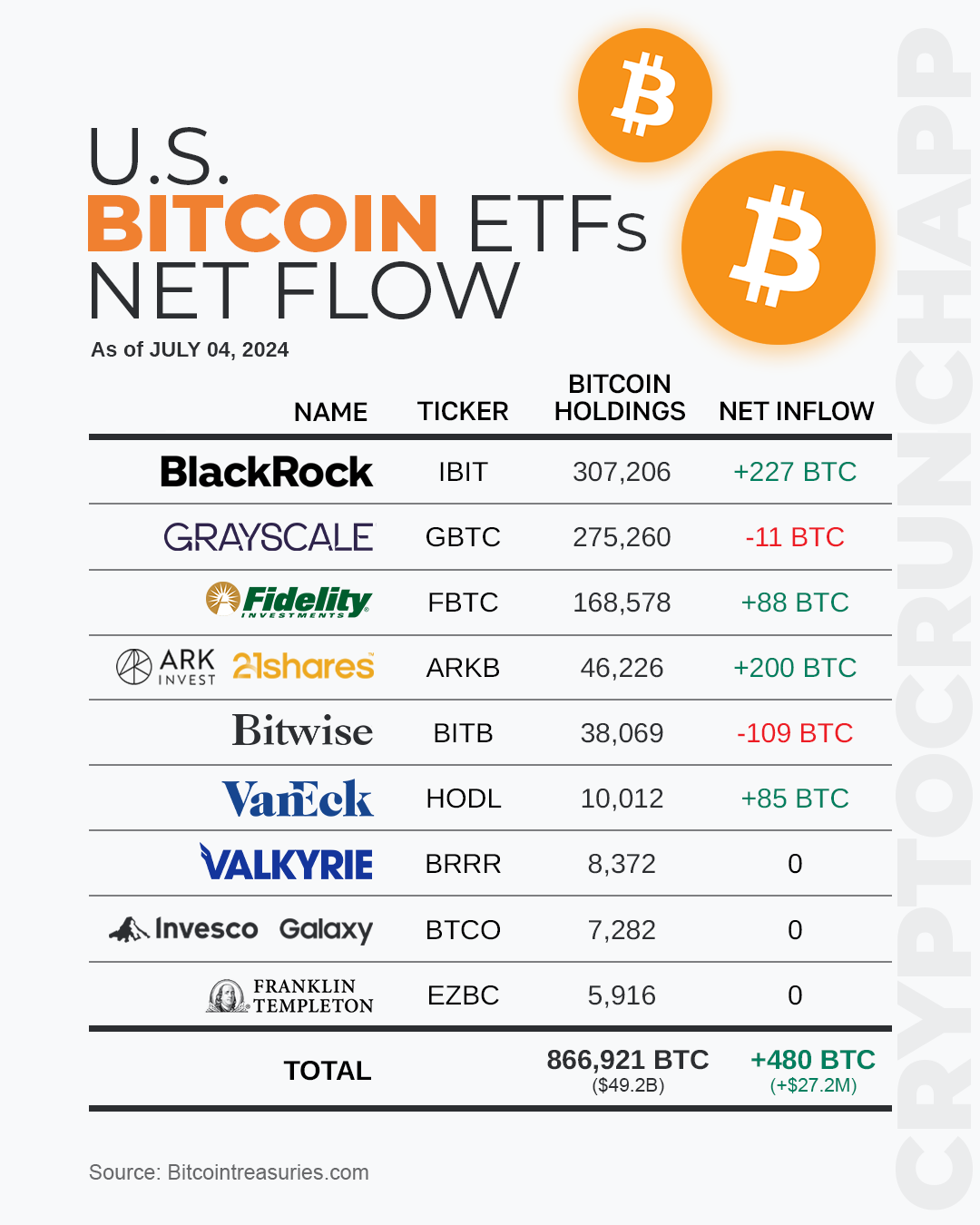

The analysis of Bitcoin ETFs has become increasingly essential for investors navigating the volatile landscape of cryptocurrency investments. As Bitcoin ETF inflows fluctuate, understanding the underlying market flows and trends becomes crucial to deciphering the true health of the sector. Recent headlines about record outflows have sparked concerns, yet a closer look reveals that cumulative net inflows indicate significant institutional interest and confidence in Bitcoin investments. Notably, crypto ETP performance has shown resilience, garnering billions in inflows, with Bitcoin products leading the charge. This Bitcoin ETF analysis aims to highlight the nuances of market movements, shedding light on the broader investment trends shaping the future of digital assets.
When examining Bitcoin exchange-traded funds, one must consider the larger trends affecting crypto asset management. The dynamics of cryptocurrency investment products, particularly those focusing on Bitcoin, reveal important insights into market behavior and confidence levels among institutional investors. Recent patterns of capital movement underscore the significance of understanding not just single-day reports but the larger cohort activities that define overall performance. As Bitcoin investment strategies evolve, noting the inflows and outflows from these financial instruments will help investors grasp the shifting landscapes of the digital currency domain. Ultimately, this deeper dive into Bitcoin ETF analysis will clarify how ETFs intersect with the broader market trends influencing both cryptocurrencies and traditional investment portfolios.
Understanding Bitcoin ETF Flows: The Bigger Picture
The world’s focus on Bitcoin ETF “record outflows” often oversimplifies the complexity behind crypto investment flows. Headlines may proclaim significant withdrawals, but without understanding the context, one could misinterpret the overall health of the market. Bitcoin ETFs saw a substantial amount—approximately $175 million—in net outflows recently, but these numbers must be put into context. Cumulative data shows that the Bitcoin ETF sector retained about $113.8 billion in assets and achieved net inflows of nearly $56.9 billion since January 2024, highlighting a more stable monetary foundation despite flashy negative headlines.
Moreover, recent reports illustrate that while individual funds might face hefty outflows, the broader market can still be witnessing positive trends. For instance, a single day might report significant redemptions, but when aggregated over a week or month, these numbers may tell a different story. The total assets managed under Bitcoin ETFs remain substantial, especially when considering the recent year’s overall trends in Bitcoin investment and demand for ETFs.
Bitcoin ETF Analysis: Evaluating Investment Trends
An informed Bitcoin ETF analysis involves looking beyond the volatility of daily flow reports. Analysts often highlight institutional movements and investment trends, which can dramatically shift the narrative surrounding Bitcoin adoption. Recent reports suggest that even amidst short-term setbacks, Bitcoin products drew in strong interest with record inflows surging to $5.95 billion in a single week alone. These figures indicate a vital underlying demand for crypto ETP performance, including Bitcoin, rather than indicating a mass exit from the market.
This nuanced understanding of Bitcoin investment trends reveals the importance of distinguishing between outflows that are merely reallocations within the crypto sector and signs of waning interest in Bitcoin itself. For instance, despite recent fluctuations, various offerings, including newly launched financial products, helped sustain the overall demand for Bitcoin amid tumultuous market conditions. It’s essential to analyze how these trends correlate with broader asset management practices, illustrating a shift rather than an outright abandonment of Bitcoin ETFs.
Impacts of Bitcoin Market Flows on Institutional Investments and Retail Interest
Analyzing the impacts of Bitcoin market flows helps clarify the intertwined relationship between institutional investments and retail demand. When examining Bitcoin ETFs, it becomes clear that the majority of market movements are not driven solely by institutional sentiment. In fact, retail interest is increasingly influencing the direction of Bitcoin ETFs, as seen with the substantial flows into crypto ETPs. 2025 has recorded substantial year-to-date inflows, with numbers reaching $46.7 billion, indicating that most investors see Bitcoin as a long-term asset rather than simply a trading tool.
Moreover, the overall flow dynamics suggest that despite reports of outflows, many institutions are not abandoning Bitcoin; rather, they may be reallocating assets. When market flows reveal a large volume of new capital entering the Bitcoin ecosystem through ETFs, it suggests a growing acceptance of Bitcoin as part of diversified portfolios. This trend indicates not merely a market reaction but an ongoing evolution in how both institutional and retail investors perceive and interact with Bitcoin.
The Role of Custody and Infrastructure in Crypto Markets
Custodial measures and the underlying infrastructure of Bitcoin ETFs play a crucial role in evaluating market flows accurately. Without proper custodial support and infrastructure to handle the transfers and storage of digital assets, daily outflow and inflow reports can appear misleading. Recent findings suggest that inflows often reflect investors moving assets between various products rather than exiting the market entirely. For instance, a well-structured electronic trading platform allows for smoother transitions, thereby retaining investor faith in Bitcoin while managing costs effectively.
Understanding custody’s role also means recognizing how it affects investor behavior. As markets become more sophisticated, investors will likely shift holdings among Bitcoin ETFs in search of better fee structures or tax benefits. Hence, instead of viewing outflows negatively, one should consider whether these represent healthier portfolio reallocations. This insight underlines the importance of evaluating custodial structures when assessing inflow and outflow dynamics, emphasizing that market confidence in Bitcoin is not solely determined by immediate flow reports.
Navigating the Noise: The Importance of Aggregation
Aggregation is vital in sorting through the noise generated by Bitcoin ETF headliner reports. Single-day flow data can mislead investors into perceiving a bearish trend where stability may exist. By aggregating data over longer periods, such as weekly or monthly insights, stakeholders can derive a clearer picture of market trends. This approach not only provides context to individual fund performances but also allows clear sighting of the broader movements across Bitcoin investment trends.
As such, investors should not react to isolated outflow reports but rather look at cumulative trends that highlight overall asset wellbeing in Bitcoin ETFs. Monthly assessments reveal that while redemptions can occur, they may be far outweighed by ongoing asset growth among other products. A comprehensive view encompasses inbound and outbound flow dynamics accurately, offering a better understanding of the ecosystem rather than a reactionary view based on short-term numbers.
Interpreting Data: The Need for Contextual Analysis
To mitigate misunderstandings stemming from abrupt flow reports, contextual analysis is paramount for accurately interpreting Bitcoin ETF data. While alarming headlines might indicate significant losses in a particular Bitcoin fund, it’s crucial to analyze these movements within the broader context of total fund performance, institutional positioning, and evolving investor behavior. This multifaceted view helps to discern whether reported outflows are indicative of systemic problems or simply market adjustments.
Interpreting this data effectively means considering how institutional investments and market flows impact Bitcoin demand. Investors must evaluate whether selling pressure comes from sell-side maneuvers, profit-taking, or simply a shift to other related asset products. Therefore, contextualizing inflow and outflow information isn’t a trivial exercise; it’s essential for constructing a holistic understanding of Bitcoin’s growth trajectory in the current economic landscape.
Evaluating the Long-Term Outlook for Bitcoin ETFs
While recent short-term flows and negative reports may have dampened spirits concerning Bitcoin ETFs, a long-term outlook reveals ongoing positive trends in the market. As more institutional players enter the Bitcoin space, bolstered by regulatory backing and increasing mainstream acceptance, the potential for growth in Bitcoin ETFs remains bright. An environment characterized by increasing demand, despite daily fluctuations, speaks to the resilience of Bitcoin as a viable investment asset.
Furthermore, looking at the cumulative net inflows into Bitcoin ETFs symbolizing a significant commitment from both institutional and retail investors demonstrates a positive sentiment. With figures indicating a rise in institutional adoption through ETP investment, the landscape for Bitcoin coalesces around opportunity. Thus, even with monthly outflows, the long-term view is one of continued investment and development of Bitcoin ETFs, supporting the notion of their capacity to flourish in the evolving financial system.
How Fees and Product Structures Influence Investor Decisions
The intricacies of fees and product structures can greatly influence the decision-making process for investors regarding Bitcoin ETFs. Investors often weigh the pros and cons of different funds before committing capital, factored by management fees, performance history, and product performance relative to Bitcoin’s market flows. In this arena, lower-cost alternatives often attract new investments even if they coincide with redemption from more established funds.
An understanding of fee implications reveals a notable trend: as products become more competitive, investors shift towards those offering favorable fee structures and enhanced cost efficiencies. Strategies that allow for better hedging and transaction management can attract capital flows despite prevailing market conditions, which may momentarily highlight volatility. Therefore, examining the influence of fees and product structures is crucial for predicting future direction of Bitcoin ETF inflows and overall market sentiment.
The Role of Institutional Perception in Bitcoin ETF Investment
Institutional perception plays a pivotal role in shaping Bitcoin ETF investments and flows. Many institutional investors approach Bitcoin ETFs with caution, driven by previous volatility and regulatory uncertainties, yet as acceptance increases, a growing number of institutions are reallocating or diversifying their portfolios toward crypto assets. Understanding their perspective helps demystify the inflow and outflow dynamics typically observed across Bitcoin exchange-traded funds.
Surveys and analyses have shown that as institutional confidence strengthens, the volume of capital directed toward Bitcoin investments has also increased. The combination of historical performance, potential profitability, and growing regulatory clarity encourages investors to expand their crypto capabilities, making Bitcoin ETFs an attractive vehicle. This shift not only stabilizes the inflow and outflow disparities but also encourages a more sustainable presence for Bitcoin in diversified institutional portfolios.
Frequently Asked Questions
What are the implications of Bitcoin ETF inflows on the broader crypto market?
Bitcoin ETF inflows serve as a barometer for market sentiment, often reflecting institutional confidence in Bitcoin. A steady increase in inflows typically signals bullish investment trends, indicating that investors are putting money into Bitcoin-backed ETFs, which can positively influence the overall value of crypto assets.
How do recent Bitcoin ETF trends impact crypto ETP performance?
Recent Bitcoin ETF trends, including significant inflows and outflows, can greatly influence crypto ETP performance. While record outflows may raise concerns, a comprehensive analysis shows that the overall investment in crypto ETPs remains strong, with substantial inflows in certain periods enhancing the performance of Bitcoin products and indicating ongoing investor interest.
What factors should be considered when analyzing Bitcoin investment trends through ETFs?
When analyzing Bitcoin investment trends through ETFs, consider cumulative net flows, the context of inflows and outflows over time, and the performance of different ETF cohorts. It’s also essential to assess how these trends align with broader market conditions and investor behaviors to understand the true state of Bitcoin investments.
How do ETFs and Bitcoin interact in terms of investor behavior?
ETFs and Bitcoin interact closely, as Bitcoin ETFs provide investors with regulated exposure to Bitcoin while minimizing the complexities of direct ownership. Inflows and outflows from Bitcoin ETFs often track broader investor behavior, signaling shifts in market confidence and preferences among institutional and retail investors.
What does the recent analysis of Bitcoin market flows suggest about future ETF performance?
Recent analysis of Bitcoin market flows suggests that despite fluctuations in daily inflows or outflows, the overall trend remains positive, with substantial assets still held in Bitcoin ETFs. This indicates a potential for sustained growth and performance improvement for Bitcoin ETFs, provided that investor confidence and market conditions stabilize.
| Key Points | Details |
|---|---|
| Misleading Headlines | Recent narratives focus on single-day outflows or inflows, misleading readers about actual trends. |
| Net Outflows Context | On December 24, U.S. ETFs saw $175 million outflows, but cumulatively, they still hold $113.8 billion in assets and recorded $56.9 billion in inflows since January 2024. |
| Global Impact | Worldwide, crypto ETFs saw record flows, with Bitcoin products alone accounting for $3.55 billion of $5.95 billion in October. |
| Aggregate Data Importance | Analyzing flows requires looking at monthly or weekly data to gain accurate insights into trends, not just single headlines. |
| Flow Dynamics | Flows might reflect shifts between products rather than a total loss of confidence in Bitcoin. |
| Overall Trends | Despite some weeks showing outflows, Bitcoin ETFs had $46.7 billion in inflows in 2025. Negative headlines often mask the overall growth. |
Summary
Bitcoin ETF analysis suggests that recent reports of record outflows are misleading and do not accurately represent the market’s health. While certain headlines indicate instability, a broader examination reveals that Bitcoin ETFs continue to experience significant inflows overall, reaching a total of $46.7 billion in 2025. By aggregating data over weeks and months, and assessing the context behind inflows and outflows, it becomes clear that fluctuations do not necessarily signal a loss of confidence in Bitcoin but rather reflect shifts in investor behavior and market dynamics. Thus, while specific daily reports may create alarm, the long-term outlook remains positive.
Related: More from Bitcoin News | Citi Sees Bitcoin Banked on Wall Street Crypto Platform | Bitcoin Drops Below $65K Amid Macro Risks