


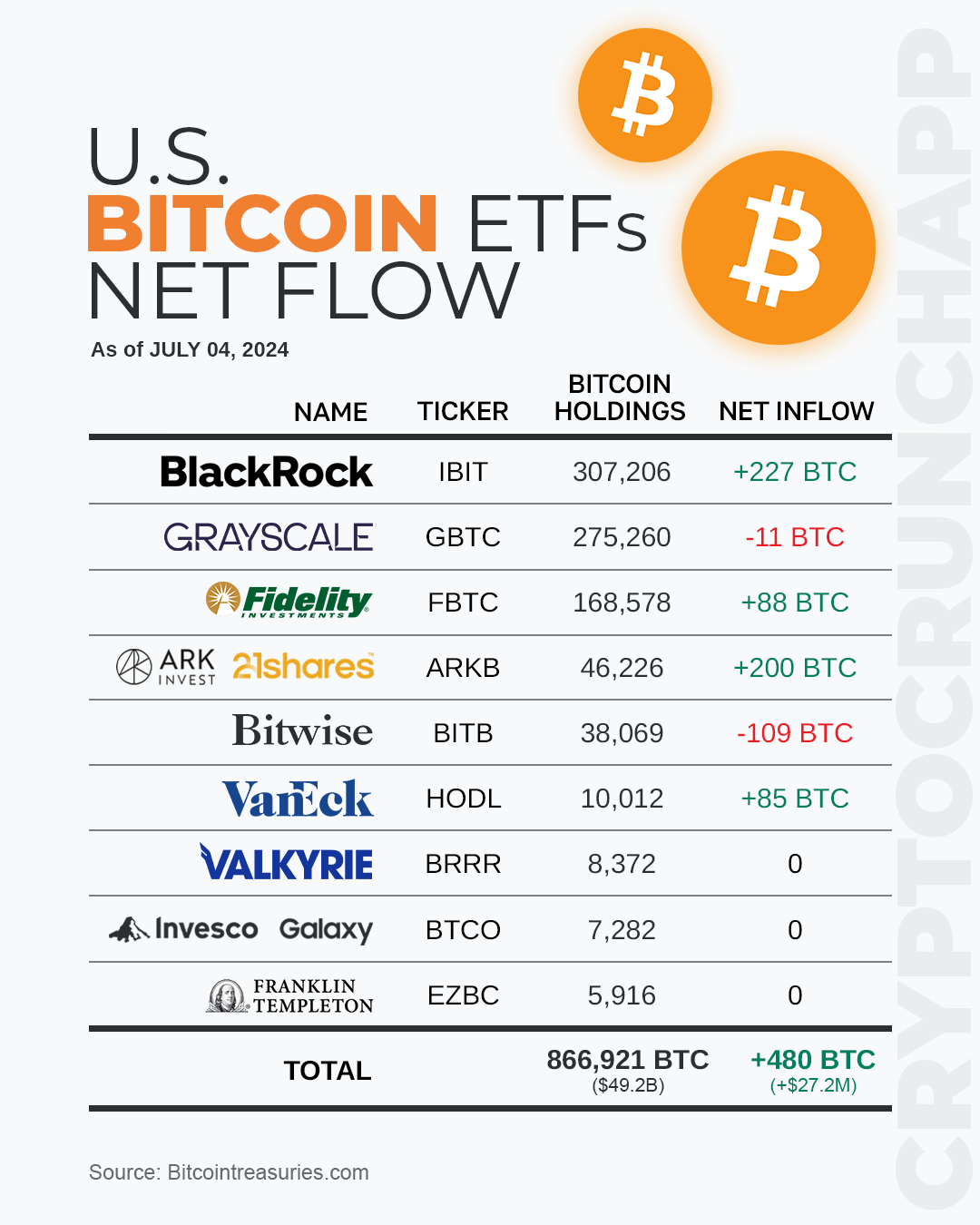

In the fast-evolving landscape of cryptocurrency, Bitcoin ETF analysis stands at the forefront, serving as a vital tool for investors seeking to navigate this complex market. As we approach the pivotal year of 2025, understanding the intricacies of ETF flow analysis becomes essential for identifying key Bitcoin investment trends. The cryptocurrency ETF market has reached a critical juncture, where institutional interest and retail participation are reshaping the dynamics of Bitcoin trading. By examining the significant ETF trading days of the year, we can glean insights into the forces driving market movements and the factors influencing capital flows. This analysis not only sheds light on past trends but also provides a roadmap for future investment strategies in the ever-volatile world of Bitcoin.

Bitcoin Exchange Traded Fund (ETF) assessments are crucial for grasping the evolving investment climate surrounding digital currencies. In 2025, a new wave of ETF transactions is expected to significantly impact the market, making an in-depth exploration of ETF flow patterns all the more pressing. As we delve into Bitcoin’s performance and its accompanying trends, we will uncover the nuances of how ETFs facilitate Bitcoin investments. Moreover, understanding the overall cryptocurrency ETF ecosystem will provide a clearer perspective on investor behavior and market shifts. Analyzing the fluctuation of assets on critical ETF trading days will reveal valuable insights for stakeholders in this dynamic arena.
Overview of Bitcoin ETF Trends in 2025
The landscape of Bitcoin ETFs transformed significantly throughout 2025, marked by heightened investor interest and intense market activities. As we looked at Bitcoin investment trends, it became evident that the momentum built during the first quarter set the tone for the rest of the year. Many investors were keen to leverage the shorter volatility window introduced by ETFs, feeling that they were more capable of navigating the unpredictable swings of Bitcoin prices through this structured investment vehicle.
In the cryptocurrency ETF market, Bitcoin sustained its leaders’ position as new products were launched, promising broader access and innovative structures. The ETF flow analysis revealed dynamic strategies, with significant inflows pushing the notion that institutional and retail investors were more comfortable with Bitcoin exposure than ever before. The year concluded with a picture of robust growth in ETFs, fuelling speculation on what the future holds as we head into 2026.
Key Bitcoin ETF Flow Analysis for January 2025
January 2025 emerged as a pivotal month for Bitcoin ETFs, witnessing some of the largest inflow days in the year. On days like January 3 and 6, investors enthusiastically re-entered the market, seeking to exploit perceived opportunities early in the year. The ‘green light’ mentality pushed retail and institutional investors towards increasing their Bitcoin allocations, leading to a cumulative net inflow exceeding $1 billion.
During this period, the ETF trading days were tightly packed with activity, as market participants reacted to sentiment shifts and price movements. This early rush of capital into Bitcoin ETFs hinted at broader bullish trends, encouraging more investors to jump on the Bitcoin bandwagon. Such inflows underline a significant moment where the risk-on appetite prevailed in January.
Understanding the Largest Outflow Days in February 2025
February 2025 marked a stark contrast to January, as several outflow days indicated rising caution among investors. Notably, on February 25, a staggering $1.1 billion was withdrawn as panic set in; fear of market disequilibrium prompted a capitulation-style sell-off. Investors fled from their positions as the sentiment turned grim, highlighting the rapid nature with which confidence can wane in the trading landscape.
The ETF flow analysis for this month illustrates that even amidst these downturns, the ETF construct provided a streamlined exit strategy. Investors capitalized on the flexibility of these instruments to swiftly reduce exposure to Bitcoin, showcasing the dual nature of ETFs as both an entry and exit point within the volatile cryptocurrency market. This oscillation between inflows and outflows is a testament to the sophistication of trading strategies adopted by both retail and institutional participants.
Impact of Bitcoin ETF Flows on Market Prices
The interrelationship between Bitcoin ETF flows and market prices cannot be overstated. As observed during the inflow surges in January, significant capital influx led to upward price pressure on Bitcoin, reinforcing the notion that ETF investments are a key driver of market sentiment. Investors riding the momentum often create a feedback loop that fuels further buying, especially on bullish trading days.
Conversely, the outflow sessions in February illustrated a rapid decoupling of price and investor confidence. As ETFs faced heavy redemptions, the downward pressure on Bitcoin’s price was immediate and profound. This correlation emphasizes how ETF mechanisms can amplify market volatility, making it crucial for investors to remain vigilant about the underlying market dynamics.
Looking Ahead: Bitcoin ETFs in 2026
As we transition into 2026, it’s essential to reflect on the successes and challenges faced by Bitcoin ETFs in 2025. The lessons learned from the inflows and outflows will help shape strategies for the coming year. Increased maturity in the cryptocurrency ETF market seems promised as more products aim to offer tailored exposure to Bitcoin, accommodating a diverse range of investor appetites.
Moreover, with the ongoing evolution of regulatory frameworks around Bitcoin ETFs, 2026 may unveil new possibilities for enhanced liquidity and lower barriers to entry for investors. Staying attuned to potential legislative changes and market infrastructures will be vital, especially as digital assets continue to intersect with traditional finance.
Analyzing the Emotional Factors in Bitcoin ETF Investment
The investment landscape is often influenced by emotional psychology, and Bitcoin ETFs are no exception. January’s bullish trend was not merely a number game; investors’ collective sentiment acted as a powerful motivator for entering the market. Fear of missing out (FOMO) and the allure of quick gains propelled many to channel funds into Bitcoin ETFs, leading to record-breaking inflows.
However, the subsequent outflow days exposed the fragility of this emotional landscape. The rapid shift from euphoric buying to panicked selling demonstrates how investor psychology can sway among optimism and fear within short timeframes. Hence, understanding these emotional undercurrents proves crucial for any investor looking to navigate the complex waters of Bitcoin ETFs.
Key Influencers of Bitcoin ETF Performance
Several macroeconomic and market factors played dominant roles in determining the performance of Bitcoin ETFs in 2025. Global financial trends, such as fluctuating interest rates and economic stability, directly impacted investor sentiment toward risk assets like Bitcoin. As institutions began re-evaluating their portfolios, the Bitcoin ETF market saw rectifications and adjustments reflecting these broader economic shifts.
Moreover, technological advancements within the cryptocurrency space also influenced ETF performance. Innovations such as improved custody solutions and blockchain scalability have reinforced the credibility of Bitcoin as an asset class, further capturing the attention of traditional investors. The synergy between financial innovation and ETF market dynamics will undoubtedly shape the future landscape for Bitcoin investment.
Regulatory Implications on Bitcoin ETFs
The regulatory environment surrounding Bitcoin ETFs has been contentious and dynamic. In 2025, conversations surrounding proper regulatory frameworks intensified as various stakeholders pushed for clearer guidelines. Institutions needed, and indeed benefitted from having a more structured regulatory backdrop, helping them assess their risk exposure more judiciously.
As the SEC and other regulatory bodies took steps toward embracing a framework for cryptocurrency ETFs, investor confidence and participation surged. However, the specter of regulatory scrutiny loomed, threatening to rapidly change the market dynamics, including potential impacts on ETF flow analysis. Investors will need to closely monitor these developments as they gear up for opportunities in 2026.
The Role of Technology in Bitcoin ETFs
The rapid advancements in technology have played an instrumental role in shaping the Bitcoin ETF market. In 2025, the integration of blockchain technology into financial products not only improved transparency but also enhanced ease of access for investors. This tech-driven evolution has led to a more efficient trading environment, appealing to the tech-savvy demographic increasingly interested in Bitcoin.
Moreover, technological innovation has allowed for more intelligent trading strategies and enhanced risk management within ETFs. The tools available today empower investors to conduct intricate analyses of ETF flows and market conditions. This level of granularity contributes significantly to informed investment decisions, particularly in a fast-paced and evolving cryptocurrency market.
Frequently Asked Questions
What were the key factors influencing Bitcoin ETF analysis in 2025?
In 2025, Bitcoin ETF analysis was primarily influenced by significant inflow and outflow days, driven by market sentiment, portfolio rebalancing, and macroeconomic factors. The year highlighted critical trading sessions where capital moved based on prevailing market conditions, illustrating how quickly money can flow into or out of Bitcoin ETFs.
How did Bitcoin ETF analysis in early 2025 differ from later in the year?
Early 2025 saw substantial inflows into Bitcoin ETFs, indicating a positive market sentiment as investors reintroduced risk. In contrast, late February experienced peak outflow days, reflecting capitulation and a shift to a risk-off strategy among investors, marking a stark difference in Bitcoin investment trends throughout the year.
What does the term ‘ETF flow analysis’ mean regarding Bitcoin investments?
ETF flow analysis refers to examining the movement of capital in and out of Bitcoin ETFs, providing insights into investor behavior and market sentiment. By analyzing these flows, we can understand trends in Bitcoin investments, including when investors are likely to increase or decrease their exposure.
How can understanding Bitcoin investment trends help predict ETF performance?
Understanding Bitcoin investment trends can provide context for ETF performance by indicating when investors are most likely to increase or decrease their holdings. Recognizing patterns in inflows and outflows can help predict future price movements and overall market dynamics affecting Bitcoin ETFs.
What were the most significant trading days for Bitcoin ETFs in 2025?
The most significant trading days for Bitcoin ETFs in 2025 included January 17, 6, and 3 for inflows, driven by positive sentiment and portfolio adjustments. Conversely, February 25 and January 8 were key outflow days, marked by risk reduction strategies. These days saw the most considerable movements in capital, impacting the overall cryptocurrency ETF market.
Why is ETF trading analysis crucial for investors in Bitcoin?
ETF trading analysis is crucial for Bitcoin investors because it provides insights into market behavior, investor sentiment, and liquidity. By understanding the dynamics of ETF flows, investors can make informed decisions on when to enter or exit their positions, enhancing their potential returns in the volatile cryptocurrency market.
What role do macroeconomic conditions play in Bitcoin ETF analysis?
Macroeconomic conditions play a pivotal role in Bitcoin ETF analysis as they influence investor sentiment and market behavior. Factors such as interest rates, inflation, and stock market performance can lead to significant shifts in ETF flows, ultimately affecting Bitcoin investment trends and the overall health of the cryptocurrency ETF market.
What conclusions can be drawn from the Bitcoin ETF analysis of 2025?
The 2025 Bitcoin ETF analysis indicates that capital movements are heavily influenced by market sentiment and investor behavior. Days of substantial inflows and outflows underscored the ETF wrapper’s ability to provide both access and exit strategies for investors, illustrating the volatility and dynamics of Bitcoin investments.
How can investors use data from Bitcoin ETF analysis to inform their strategies?
Investors can use data from Bitcoin ETF analysis by tracking inflow and outflow patterns to assess market trends, gauge investor sentiment, and determine optimal entry and exit points for their investments. This analytical approach helps align their strategies with broader market movements.
What should investors watch for in the Bitcoin ETF market going into 2026?
As investors look towards 2026, they should monitor potential macroeconomic shifts, changes in regulatory environments, and evolving investor sentiment. Additionally, observing trends in ETF inflows and outflows will be crucial in understanding how these factors may affect Bitcoin investments moving forward.
| Rank | Date | Total net flow (US$m) | What likely sparked it (plain-English) |
|---|---|---|---|
| 1 | 17 Jan 2025 | 1,072.8 | A “green light” day for increasing exposure: widespread creations as price and sentiment turned positive. |
| 2 | 06 Jan 2025 | 978.6 | New-year positioning: portfolios reintroducing risk early, utilizing ETFs for the easiest BTC exposure. |
| 3 | 03 Jan 2025 | 908.1 | Re-entry flow: investors acted early rather than waiting for perfect macro clarity. |
| 4 | 21 Jan 2025 | 802.6 | Continuation buying: follow-through after the initial January allocation waves. |
| 5 | 15 Jan 2025 | 755.1 | Model rebalances and efforts to catch up: significant funds moving as some felt “we’re behind.” |
| 1 | 25 Feb 2025 | (1,113.7) | Capitulation-style de-risking: widespread redemptions across issuers in a single session. |
| 2 | 08 Jan 2025 | (568.8) | Fast pullback after initial allocations: some buyers entered, then quickly reduced their positions as conditions shifted. |
| 3 | 24 Feb 2025 | (565.9) | Position unwinds preceding the peak outflow day: de-risking that built up towards Feb. 25. |
| 4 | 27 Jan 2025 | (457.6) | Rotation out of risk: sharp redemptions consistent with a short-term “risk-off” trend. |
| 5 | 20 Feb 2025 | (364.8) | Early phase of February’s decline in flows: increasing redemptions prior to the extreme day. |
Summary
Bitcoin ETF analysis shows that the market experienced significant capital movements concentrated on just a few days in 2025, amidst a backdrop of noise and volatility. The data reflects that institutional investors quickly adjusted their positions based on market conditions, leading to rapid inflows during positive sentiment and sharp outflows when negative sentiment took hold. As we move towards 2026, understanding these patterns is crucial for navigating the evolving landscape of Bitcoin ETFs, which continue to serve as a primary vehicle for investor exposure to Bitcoin.
Related: More from Bitcoin News | BTC ETFs See $1.1B Inflows in Three Days, Set for Biggest Week | ETF Holders Preempt Potential Bitcoin Price Drop Below $60K