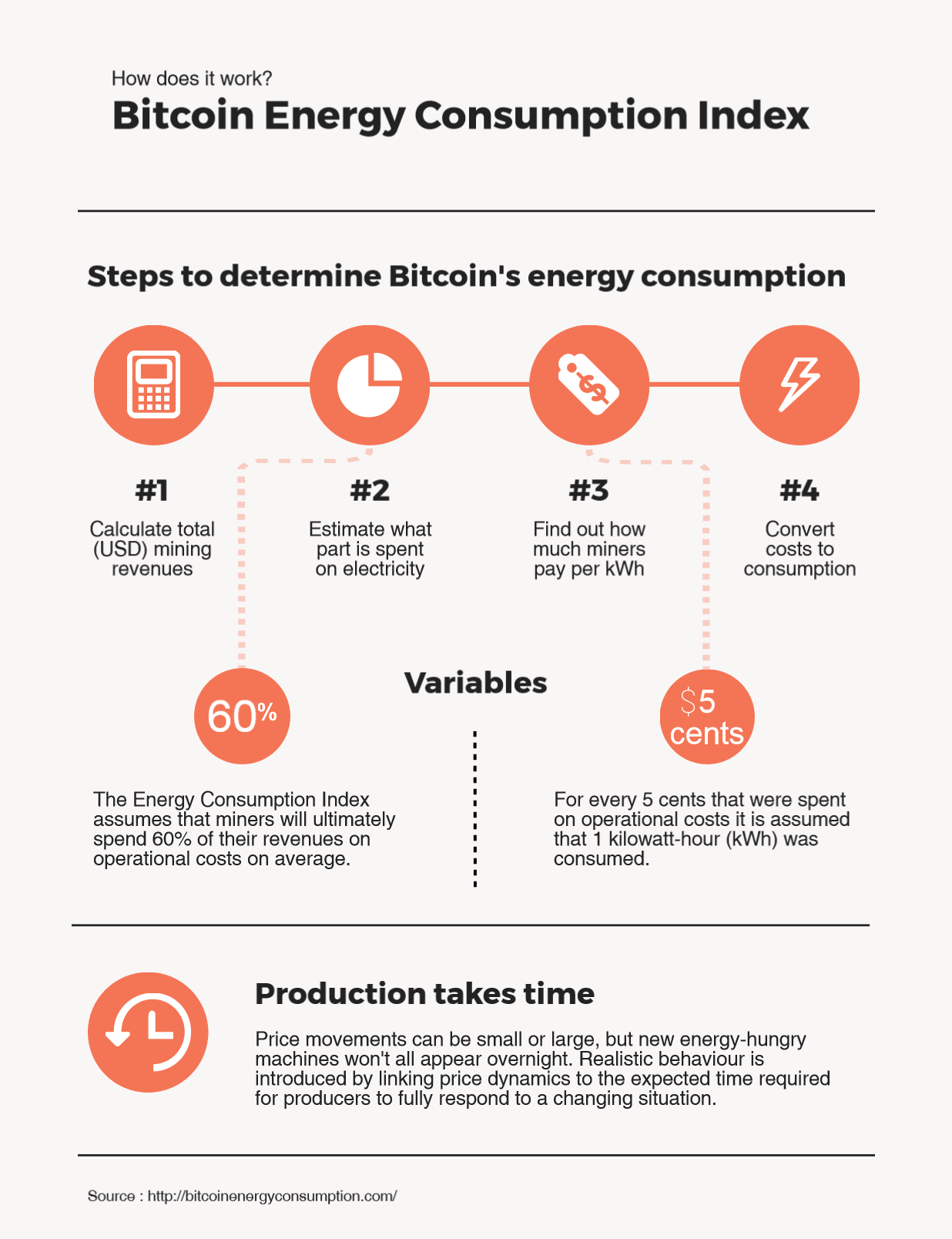

Bitcoin energy consumption has become a heated topic of debate in recent years, especially as the cryptocurrency‘s popularity surges. With Bitcoin mining electricity use reaching approximately 171 terawatt-hours (TWh) in 2025, critics often argue that this digital currency contributes significantly to environmental degradation. However, recent analyses reveal that when compared to AI data center energy and traditional platforms like streaming and social media, Bitcoin’s environmental impact may not be as dire as perceived. In fact, Bitcoin operates with a notable renewable energy mix that surpasses the average for traditional data centers. By bringing awareness to these comparisons, we can better understand the true footprint of Bitcoin amidst other energy-consuming industries.
The discussion surrounding Bitcoin’s energy footprint raises questions about its sustainability compared to other technological sectors. As we explore the power requirements of cryptocurrency mining alongside AI data centers and various digital services, it’s clear that the landscape of energy consumption is both complex and multifaceted. Examining the electricity demands of Bitcoin mining, along with the energy usage associated with video streaming and social media, offers insights into the broader implications of our digital choices. This dialogue not only highlights Bitcoin’s efforts to integrate renewable energy sources but also challenges the narrative that it is the most significant environmental culprit in the tech world.
| Metrics | Range (TWh) | Average Used (TWh) | Notes |
|---|---|---|---|
| All data centers (ex BTC) | 448–1,050 | 800 | |
| AI-focused data centers | 88–536 | 350 | |
| Traditional data centers | 388–712 | 450 | |
| Bitcoin mining (electricity use) | 138–204 | 171 |
Summary
Bitcoin energy consumption has recently come under scrutiny as data reveals it is significantly greener than AI and social media platforms. In 2025, Bitcoin mining accounted for 171 TWh, a mere fraction compared to the estimated 800 TWh consumed by all data centers excluding Bitcoin. Furthermore, Bitcoin’s renewable energy mix stands at over 52%, showcasing a commitment to sustainability. As discussions about energy efficiency heat up, it is vital to recognize Bitcoin’s role in balancing grid demands and its lower environmental impact compared to traditional data centers and emerging AI technologies.
Understanding Bitcoin Energy Consumption Compared to AI and Streaming Services
Bitcoin energy consumption has emerged as a hot topic of debate, especially when placed alongside the immense power demands of artificial intelligence (AI) and popular streaming services. In 2025, Bitcoin mining consumed approximately 171 TWh, which equates to 16% of total data center energy use. This figure positions Bitcoin as earlier projected estimates suggest the power consumption in AI-focused facilities ranges from 82 to 536 TWh. Given this range, it is evident that Bitcoin is not the only player in the arena of high energy consumption, yet it often bears the brunt of criticism despite a substantial share of energy use attributed to AI and traditional data centers.
Moreover, traditional data centers already showcase staggering energy demands, with estimates for 2025 reaching between 448 and 1,050 TWh, driven primarily by cloud computing, streaming, and social media platforms. While Bitcoin is scrutinized for its energy needs, reported metrics reveal that platforms like YouTube and Netflix significantly contribute to energy strains of our digital ecosystems. Hence, the narrative that Bitcoin alone is an energy hog merits reevaluation in light of this data, highlighting the necessity for a more nuanced understanding of energy consumption across various digital platforms.
Comparative Analysis of Energy Efficiency: Bitcoin vs. AI Data Centers
When considering Bitcoin’s operational efficiency, it’s crucial to juxtapose it against AI data centers, which are projected to account for 40% of data center electricity by 2026. The energy efficiency of Bitcoin mining remains significant, especially since it operates predominantly on renewable energy sources. A report from the Cambridge Digital Mining Industry indicates that over 52% of Bitcoin’s energy consumption comes from sustainable sources, surpassing the broader data center industry’s average of 42%. Such statistics invite a reevaluation of Bitcoin as a sustainable technology, one capable of assimilating smart energy practices in stark relation to its AI counterparts.
Conversely, the rapid escalation of energy consumption in AI infrastructure, estimated to peak at approximately 400 TWh by 2030, raises concerns about sustainability and environmental impact. With AI data centers requiring consistent power supply, their ecological footprint is more pronounced compared to Bitcoin’s flexible load capabilities that allow for better integration of renewable resources. This presents Bitcoin not merely as a competitor but as a necessary counterbalance to the stricter energy requirements of AI facilities and other traditional data centers.
The Environmental Footprint of Social Media Platforms vs. Bitcoin Mining
Social media platforms account for a significant percentage of energy consumption within the digital landscape, a factor yet to be fully grasped in narratives focusing on Bitcoin’s energy use. While Bitcoin mining has an estimated per-user environmental impact of approximately 2,768 kg CO2e annually, platforms like TikTok and Facebook also contribute considerably to carbon emissions. Reports indicate that traditional data centers’ collective energy use exceeds even the higher end estimates for Bitcoin, challenging the perception that Bitcoin mining singularly dominates digital energy consumption.
This lack of public awareness about the environmental cost of social media is alarming. Since viewers consume hours of video content on platforms like YouTube and TikTok, their energy footprints, when aggregated, challenge Bitcoin’s overall impact. Social media’s energy-consuming practices contribute significantly to greenhouse gas emissions, highlighting a broader issue often overshadowed by the Bitcoin narrative. A collective effort towards recognizing and addressing all significant energy-hungry sectors is essential to cultivate a more balanced attitude towards the impact of all players in the digital ecosystem.
Bitcoin’s Renewable Energy Mix: A Sustainable Choice?
The conversation surrounding Bitcoin’s energy consumption becomes even more relevant when considering the renewable energy mix utilized by its mining operations. Currently, Bitcoin mining obtains approximately 43% of its energy from renewable sources, which include hydropower, wind, and solar energy. As Bitcoin miners increasingly adopt green energy strategies, this could transform its reputation in discussions on environmental sustainability, particularly in relation to less sustainable practices employed by traditional data centers and AI infrastructures.
In stark contrast to many AI data centers and traditional data-driven services, the renewable energy aspect of Bitcoin mining not only contributes to lower carbon footprints but also showcases its potential to adapt to the evolving energy landscape. As advancements in technology and infrastructure continue, this realignment towards sustainability will position Bitcoin as a frontrunner in engaging with renewable energy initiatives, thus generating a more positive discourse surrounding its environmental impact and viability as a sustainable digital currency.
The Future of Data Centers: Balancing Bitcoin and AI’s Energy Needs
As society embraces the integration of AI across sectors, the growing demand for power will require careful management alongside Bitcoin’s energy needs. Projections suggest that AI-focused data centers will consume upwards of 400 TWh by 2026, intensifying the dialogue about resource allocation and grid stability. The ability of Bitcoin mining operations to adapt flexibly to varying energy demands could play a critical role in ensuring that both sectors contribute to a more sustainable and balanced digital ecosystem.
To bridge this divide, collaboration between Bitcoin miners and AI infrastructure will be imperative. By sharing resources, adopting renewable energy strategies, and improving energy management, both sectors can mutually benefit while reducing their collective carbon footprint. This innovative approach not only highlights Bitcoin’s adaptability but also reinforces the critical need for technological sectors to evolve in tandem with environmental conservation efforts, ensuring a sustainable future for all.
Debunking Myths About Bitcoin’s Environmental Impact
The myths surrounding Bitcoin’s energy consumption often overlook the broader context of digital technology’s ecological impact. Many critics assert that Bitcoin’s mining operations are detrimental to the environment without recognizing that traditional data centers and streaming services contribute significantly more energy to the ecosystem. With Bitcoin mining estimated to consume 171 TWh, it pales in comparison to conventional data centers that consume well over 1,000 TWh collectively, highlighting a disconnect between perception and reality.
This tendency to demonize Bitcoin stems from a lack of understanding of the intricate interplay of energy demands across various platforms. As regulatory frameworks evolve and innovative energy solutions emerge, direct comparisons of Bitcoin’s footprint against mainstream tech giants can serve as a solid foundation for constructive discourse. Acknowledging the energy efficiency of Bitcoin against this backdrop can lead to more informed discussions about sustainable practices across the tech sector.
The Role of Bitcoin Mining in Energy Demand Management
Bitcoin mining has a unique place in the energy landscape as it possesses flexible load characteristics that can be adjusted based on renewable energy availability. Unlike traditional data centers that require a constant energy supply, Bitcoin’s operational framework allows it to absorb excess energy generated from sustainable resources, thus acting as a buffer and stabilizing the grid. This feature could provide a crucial advantage as the predominance of AI and streaming technologies continues to demand higher energy levels.
As energy grids increasingly struggle with supply and demand discrepancies, Bitcoin mining’s capabilities to act responsively during peak demand times offers a promising solution. It allows for excess energy to be utilized efficiently rather than going to waste, directly contributing to a reduction in potential carbon emissions associated with underutilized renewable resources. This transformation can help position Bitcoin as part of the solution in the sustainability conversation, rather than merely fueling the narrative of excessive energy consumption.
How Bitcoin Contributes to Renewable Energy Initiatives
Bitcoin’s integration with renewable energy initiatives stands as a guiding light in efforts to promote sustainable practices within the tech industry. By aligning its mining operations with excess energy supplies—particularly those derived from renewable sources—Bitcoin has the capacity to enhance energy production and consumption methods. This synergy not only helps Bitcoin miners but also supports the viability of renewable energy projects, offering financial incentives for expansion and innovation in this sector.
Furthermore, the growing trend of miners seeking out sustainable energy solutions complements larger environmental goals. By actively engaging in renewable energy strategies, Bitcoin mining operations provide a significant opportunity for the increase of wind, solar, and hydroelectric energy investments. Investing in clean technologies can bring Bitcoin to the forefront of the green transition, establishing a model for balancing financial and ecological goals in a rapidly evolving digital landscape.
Evaluating the Media Narratives Around Bitcoin’s Energy Use
The media narratives surrounding Bitcoin’s energy consumption often skew towards portraying it as a primary villain in the fight against climate change. However, this blanket approach fails to consider the broader implications of energy use across various sectors, especially given the rapidly growing energy appetite of platforms powered by AI and social media. By selectively highlighting Bitcoin’s impact without placing it within the context of the entire digital ecosystem, the dialogue around its sustainability becomes one-dimensional.
A more critical analysis of the narratives surrounding Bitcoin can illuminate the importance of addressing misconceptions about its environmental impact. A fairer representation would entail recognizing Bitcoin’s expanding role in promoting sustainable practices while also critiquing sectors that contribute higher energy demands without significant advancements in renewable commitments. This balanced perspective encourages a more comprehensive understanding of energy consumption in today’s digital landscape, influencing the evolution of policies and practices conducive to responsible tech use.
Frequently Asked Questions
What is the energy consumption of Bitcoin mining compared to traditional data centers?
In 2025, Bitcoin mining’s electricity use was estimated at around 171 TWh, accounting for 16% of total data center energy use. In contrast, traditional data centers consumed between 448 to 1,050 TWh, highlighting that Bitcoin’s energy consumption is significantly lower than that of conventional data centers.
How does Bitcoin mining electricity use compare to AI data centers?
Bitcoin mining consumed about 171 TWh in 2025, whereas AI data centers have been estimated to use between 82 and 536 TWh. This indicates that Bitcoin’s energy consumption is considerably less than that of many AI-focused infrastructures.
Is Bitcoin energy consumption greener than social media platforms?
Yes, Bitcoin’s energy mix operates at 52.4% sustainable energy (renewables plus nuclear), compared to traditional data centers, including social media platforms, which average around 42%. This suggests Bitcoin mining energy consumption is relatively greener than that used by social media.
What share of global energy consumption is attributed to Bitcoin mining?
Bitcoin mining accounts for approximately 2% of global electricity consumption. This places it well behind various other sectors like AI and social media regarding overall energy usage.
How does the renewable energy utilization in Bitcoin compare to AI and streaming services?
Bitcoin mining’s renewable energy usage stands at 43%, with hydropower being a significant contributor. In contrast, AI data centers and streaming services typically have lower percentages of renewable energy in their energy mix, making Bitcoin mining more sustainable in its energy consumption practices.
What are the environmental implications of Bitcoin mining in relation to other technologies?
The environmental impact of Bitcoin mining per user is noted to be approximately 2,768 kg CO2e annually, which is higher than typical social media usage but reflects its substantial reliance on electricity. However, compared to growing AI infrastructure and social media energy use, Bitcoin mining operates with a higher percentage of renewable resources, aiming for overall lower emissions.
How flexible is Bitcoin mining in terms of energy consumption compared to traditional data centers?
Bitcoin mining has flexible load characteristics that allow it to better absorb and utilize renewable energy resources, unlike traditional data centers that require a constant power supply. This flexibility aids in balancing the energy grid more effectively.
What is the trend of Bitcoin energy consumption projected for 2026?
In 2026, Bitcoin mining electricity use is projected to maintain around 142 TWh, with efficiencies gained through renewable resources and operational adjustments in response to market conditions, reflecting a focus on sustainable energy consumption.
Related: More from Bitcoin News | AI, BTC Miners Issue High | Bitcoin Above $69K? Glassnode Weighs In