


In the volatile world of cryptocurrency trading, Bitcoin derivatives have taken center stage as a tool for traders trying to hedge risks or speculate on the price of Bitcoin. These financial instruments, which include options, futures, and swaps, allow investors to trade contracts based on the future price of Bitcoin rather than holding the cryptocurrency directly. However, following a dramatic crash in October, market experts suggest that a full recovery for Bitcoin derivatives might not materialize until the second quarter of the next year.

The October Crash: A Recap
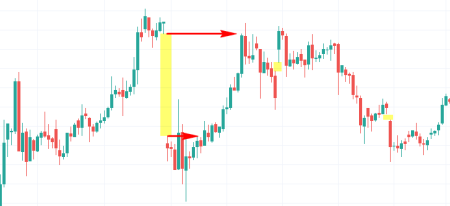
In early October, the cryptocurrency markets experienced a sudden and severe drop, with Bitcoin losing over 20% of its value in a matter of hours. The crash was precipitated by a combination of factors including macroeconomic concerns, regulatory crackdowns in key markets, and panic selling among investors. Bitcoin derivatives were hit especially hard, as the swift drop triggered a cascade of liquidations in futures contracts, exacerbating the downward spiral.
The Immediate Aftermath
The immediate aftermath of the crash saw a sharp decline in trading volumes across various Bitcoin derivatives platforms. Many traders were wiped out, and a general sense of caution took over the market. The volatility also led to increased margin requirements by some exchanges, further constricting trading activity. Options markets saw a significant rise in the implied volatility, indicating that traders were bracing for more uncertainty ahead.
Factors Influencing Recovery
Several factors are influencing the slow recovery of Bitcoin derivatives markets. Firstly, the macroeconomic environment remains challenging, with high inflation rates, interest rate hikes by central banks, and geopolitical tensions creating a risky landscape for high-volatility investments like cryptocurrencies.
Secondly, regulatory clarity is still lacking in major markets, which affects institutional participation. The specter of new regulations can create uncertainty, making institutions hesitant to invest heavily in crypto derivatives until clearer guidelines are established.
Thirdly, the psychological impact of the crash on retail and institutional investors cannot be underestimated. The memory of significant losses and the fear of another sudden drop might keep many investors on the sidelines, reducing liquidity and trading volumes in the derivatives markets.
Looking Ahead: Predictions for Recovery
Analysts are cautiously optimistic about a recovery in the derivatives market, projecting substantial improvements by Q2 of the next year. Several factors support this positive outlook. For one, the increasing integration of cryptocurrencies in traditional finance, through offerings like Bitcoin ETFs and futures by major financial institutions, could bolster investor confidence.
Additionally, technological improvements in trading platforms, offering better risk management tools and more robust security features, could attract more traders back into the market. Moreover, as the broader market stabilizes and if Bitcoin starts to show signs of a consistent upward trajectory, it might restore investor confidence and spur increased activity in derivatives trading.
Conclusion
The recovery of Bitcoin derivatives from the October crash is expected to be a gradual process, requiring patience and resilience from investors. While Q2 sees potential for a significant turnaround, market participants must remain vigilant and informed about global economic indicators and regulatory changes affecting the crypto landscape. As always in crypto, the situation can evolve swiftly, and only those well-prepared will be able to navigate the complexities of this dynamic market.