


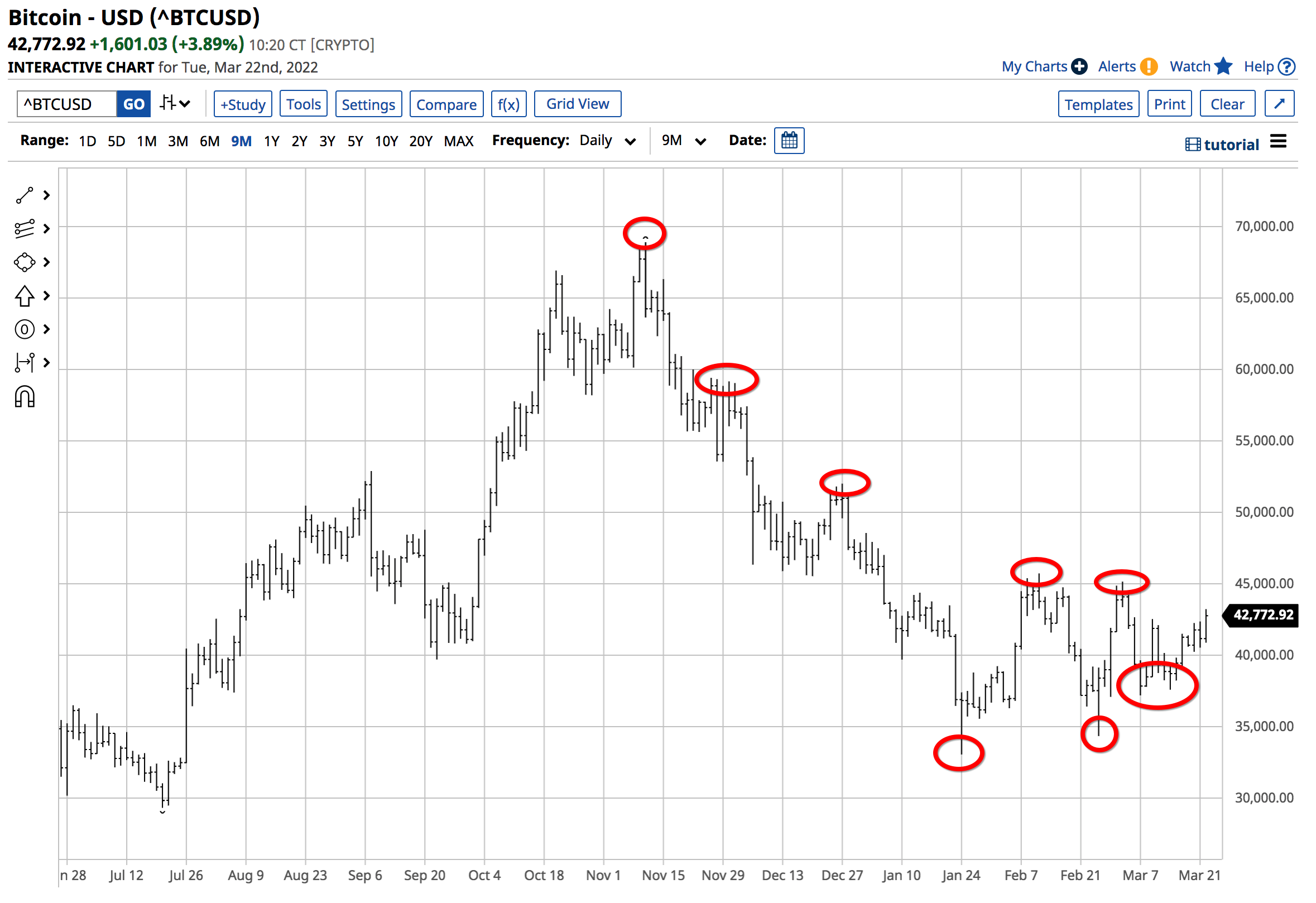

Bitcoin consolidation is currently a hot topic as the cryptocurrency hovers between $80,000 and $95,000—a price range reminiscent of its past trading patterns. This narrow consolidation phase has emerged since November 21, 2025, and closely mirrors the fluctuations seen during the early months of 2025. The recent Bitcoin market analysis suggests that this state may lead to a significant shift, echoing the 52-day consolidation period that preceded a peak above $126,000 in October 2025. As investors watch the current Bitcoin trends, many are beginning to understand the implications of a ‘time-driven surrender,’ a phenomenon where lackluster price action prompts impatient traders to exit the market. Understanding these dynamics is crucial for anyone looking to navigate the complexities of Bitcoin trading in a mature market.

In the ever-evolving world of digital currencies, the term Bitcoin consolidation refers to brief periods when the price stabilizes after significant volatility. This phase can be critical as it often dictates the future movements of Bitcoin, suggesting a time of reflection for traders. Many market participants analyze the current Bitcoin price range, drawing parallels to previous patterns that have led to dramatic price shifts. The concept of ‘time-driven surrender’ captures the essence of traders’ behavior as they react to protracted periods of stagnation. As we explore this topic further, we will delve into alternative definitions of ongoing Bitcoin trading trends and the potential for future investment opportunities.
Understanding Bitcoin Consolidation
Bitcoin consolidation refers to periods where the cryptocurrency’s price stabilizes within a defined range, indicating indecision among traders. Currently, Bitcoin is trading between $80,000 and $95,000, closely mirroring the consolidation phase observed in April 2025. During this time, the asset was believed to undergo a phase of accumulation, as cautious investors awaited clearer market signals. The concept of consolidation is crucial for traders as it often precedes significant price movements, whether bullish or bearish.
Such consolidation periods typically indicate that traders are weighing market sentiment and the potential for future gains against the risk of a downturn. As many investors recognize these phases, terms like “time-driven surrender” become relevant, particularly as extended consolidation can lead to frustration among holders, prompting them to sell off their positions. In essence, understanding Bitcoin consolidation helps market players prepare for potential trend changes that could drive price actions in the near future.
Current Bitcoin Price Range Dynamics
Presently, the Bitcoin price range fluctuates between $80,000 and $95,000. This creates a conducive atmosphere for analysis as traders seek insights into upcoming trends. The interplay within this range is vital for market analysts since it demonstrates traders’ expectations and sentiment towards Bitcoin as an asset class. Historical price movements suggest that maintaining this narrow band might be a precursor to significant surges or declines, making it imperative for market participants to monitor these fluctuations closely.
Moreover, the current Bitcoin price range signals cautious optimism among traders. The recent trading patterns echo the behavior seen in prior consolidation phases, where Bitcoin spent extended periods oscillating before experiencing a breakout. As such, traders often deploy various strategies, including monitoring technical indicators, fundamental news, and macroeconomic factors, to forecast whether Bitcoin will break past its current price range or retreat.
The Concept of Time-Driven Surrender in Bitcoin Trading
Time-driven surrender is a phenomenon increasingly associated with Bitcoin’s trading behavior, especially during prolonged consolidation phases. As holders observe stagnation in price movements, they might become anxious or frustrated, leading to a significant number of sell-offs. This behavior can often foster an environment where price suppression occurs, ultimately culminating in a swift corrective action when the psychological barrier of resistance is broken. Thus, recognizing this concept is vital for informed trading.
This concept has gained traction as Bitcoin matures and no longer experiences the extreme volatility seen in earlier market cycles. As traders become more accustomed to ‘waiting out’ the dull periods, Bitcoin’s capacity for recovery and eventual price surges has led to the normalization of time-driven surrender moments in the trading ecosystem. Understanding this mental psychology allows traders to better assess their strategies and remain vigilant for signals that could precede significant market shifts.
Analyzing Bitcoin Trading Patterns
An analysis of Bitcoin trading patterns reveals a wealth of insights for potential future price movements. The current trading range of $80,000 to $95,000 provides a rich ground for identifying breakout strategies among traders. Historical patterns suggest that when Bitcoin consolidates within such ranges, previous outcomes can serve as important markers for future behavior, akin to predicting weather based on historical data. Comprehensive market analysis thus becomes an indispensable tool for distinguishing subtle price movements indicative of an impending breakout.
Furthermore, recognizing these trading patterns can enhance trading strategies through the application of technical analysis tools like moving averages, RSI, and MACD. These indicators help traders assess potential entry and exit points effectively. The key lies in combining these indicators with prevailing market conditions and news trends, enabling traders to respond proactively rather than reactively to impending market shifts.
Current Bitcoin Trends and Market Sentiment
Understanding current Bitcoin trends is vital for traders and investors alike, especially as the market prepares for potential volatility. With Bitcoin oscillating between $80,000 and $95,000, market sentiment appears cautiously optimistic. Traders are watching for signals that this consolidation phase may give way to either a breakout or a price diminishment. Staying updated on Bitcoin market analysis and global financial trends helps in navigating these uncertainties effectively.
Market sentiment towards Bitcoin is influenced significantly by external factors, such as regulatory news, economic indicators, or institutional adoption. Recent market movements suggest potential shifts towards recognizing Bitcoin not just as a speculative asset but also as a critical component of investment portfolios. Therefore, it’s crucial for stakeholders to remain informed on both present and emerging trends as they could strongly impact future price trajectories.
Historical Context of Bitcoin Consolidation Phases
Historical contexts are foundational for understanding Bitcoin consolidation phases. Previous instances where Bitcoin consolidated for extended periods have often resulted in substantial price movements in either direction. For example, the narrow range seen in November 2025 sets a precedent that was similarly observed previously during crucial upward surges in price. By reviewing these historical instances, traders can identify potential patterns, thus informing their strategies.
Moreover, historical analysis reveals that Bitcoin consolidation frequently coincides with macroeconomic indicators, signifying an expansive correlation between broader market trends and Bitcoin’s price movements. Such knowledge arms traders with the capability to predict possible future movements based on empirical data, enhancing their likelihood of achieving favorable outcomes during similar consolidation stages.
Short-term vs. Long-term Bitcoin Trading Strategies
When considering Bitcoin trading strategies, a crucial distinction lies between short-term and long-term approaches. Short-term traders often seek to capitalize on minor price fluctuations within tight ranges, such as the current $80,000 to $95,000 band. In this volatile landscape, leveraging tools like day trading and scalping can lead to profitable outcomes, particularly during periods of consolidating price movements, where traders can ride minor trend shifts.
In contrast, long-term traders might focus on broader market patterns and macroeconomic indicators that influence Bitcoin’s overall trajectory. This approach underscores the importance of patience and the understanding that Bitcoin’s intrinsic value may appreciate over time despite interim price dips. By accumulating positions during consolidation phases and holding through cyclical price movements, long-term investors can potentially harness the benefits of Bitcoin’s upward momentum.
Technological Impact on Bitcoin Price Movements
Technological advancements play an influential role in shaping Bitcoin’s price movements and trading patterns. As blockchain technology evolves, it impacts how consumers and institutional investors view and engage with Bitcoin as a financial asset. Improved transaction speeds and security measures may foster greater investor confidence, likely affecting price dynamics positively during consolidation phases.
Furthermore, the rise of cryptocurrency exchanges and trading platforms simplifies access to Bitcoin trading for retail investors. This increase in accessibility can inherently affect trading volumes and market behavior, as new participants bring unique strategies and perceptions of value. As such, understanding the technological landscape is fundamental to interpreting current market trends and strategies in relation to Bitcoin.
The Role of Market Psychology in Bitcoin Trading
Market psychology significantly influences Bitcoin price dynamics, particularly during consolidation phases. The tendency for fear and greed to sway trading decisions can precipitate moves driven by collective sentiment rather than fundamentals. As Bitcoin oscillates between $80,000 and $95,000, behavioral finance highlights how traders’ emotional responses can lead to panic selling during periods of stagnation.
Additionally, recognizing that collective market psychology can sway Bitcoin trends emphasizes the importance of building a robust trading strategy informed by both technical indicators and sentiment analysis. Understanding the intricate balance between emotional trading and rational decision-making empowers traders to navigate these complex market cycles more effectively.
Frequently Asked Questions
What is Bitcoin consolidation and how does it affect the Bitcoin price range?
Bitcoin consolidation refers to a phase where the price stabilizes within a defined range, like the current range of $80,000 to $95,000. During this period, market participants analyze Bitcoin trading patterns before significant price movements occur. Consolidation often precedes breaks in either direction, potentially impacting the Bitcoin price range.
Can you explain the concept of time-driven surrender in relation to Bitcoin consolidation?
Time-driven surrender in Bitcoin consolidation describes a scenario where prolonged price stability leads to frustration among investors, causing them to sell their holdings. This phenomenon can influence Bitcoin’s market analysis, as behaviors and sentiment shift, impacting future trading patterns.
How do current Bitcoin trends reflect on its consolidation phase?
Current Bitcoin trends indicate that the cryptocurrency has been consolidating between $80,000 and $95,000 since late 2025. This environment allows traders to conduct thorough Bitcoin market analysis and anticipate potential price movements similar to past patterns observed in early 2025, which led to significant price peaks.
What historical Bitcoin trading patterns can help us understand the current consolidation phase?
Historical Bitcoin trading patterns reveal that similar consolidation phases often precede upward price movements. For instance, in early 2025, Bitcoin consolidated for 52 days before a surge that peaked at over $126,000. Analyzing these patterns aids in forecasting potential outcomes from the current consolidation between $80,000 and $95,000.
How does Bitcoin consolidation relate to market analysis and investor behavior?
Bitcoin consolidation is pivotal in market analysis as it provides insights into investor behavior during stable price periods. Investors are attentive to the Bitcoin price range during consolidation, leading to insights on potential time-driven surrender trends and reactive trading strategies.
| Key Point | Details |
|---|---|
| Current Price Range | Bitcoin is currently trading between $80,000 and $95,000. |
| Historical Comparison | This consolidation phase is similar to the range movements observed from late February to early April 2025. |
| Duration of Consolidation | Bitcoin has been in this range since November 21, 2025, marking a significant period of consolidation. |
| Terminology | The term ‘time-driven surrender’ describes the exit of impatient holders during prolonged low volatility. |
| Market Maturity | Bitcoin’s maturation has resulted in less extreme downturns compared to earlier market cycles. |
| Future Potential | Historically, consolidation phases often precede significant price surges, with Bitcoin peaking at over $126,000 in October 2025 after a previous consolidation. |
Summary
Bitcoin consolidation is a crucial phase for the cryptocurrency, as it currently oscillates between $80,000 and $95,000. This state resembles the historic fluctuations seen in early 2025, indicating that the market might soon breakout. Traders must recognize the implications of ‘time-driven surrender’, where extended periods of stagnant pricing can push some holders to sell in frustration. As Bitcoin continues to mature, understanding these phases will be essential for forecasting future price movements, particularly since past consolidations have often led to significant surges.