


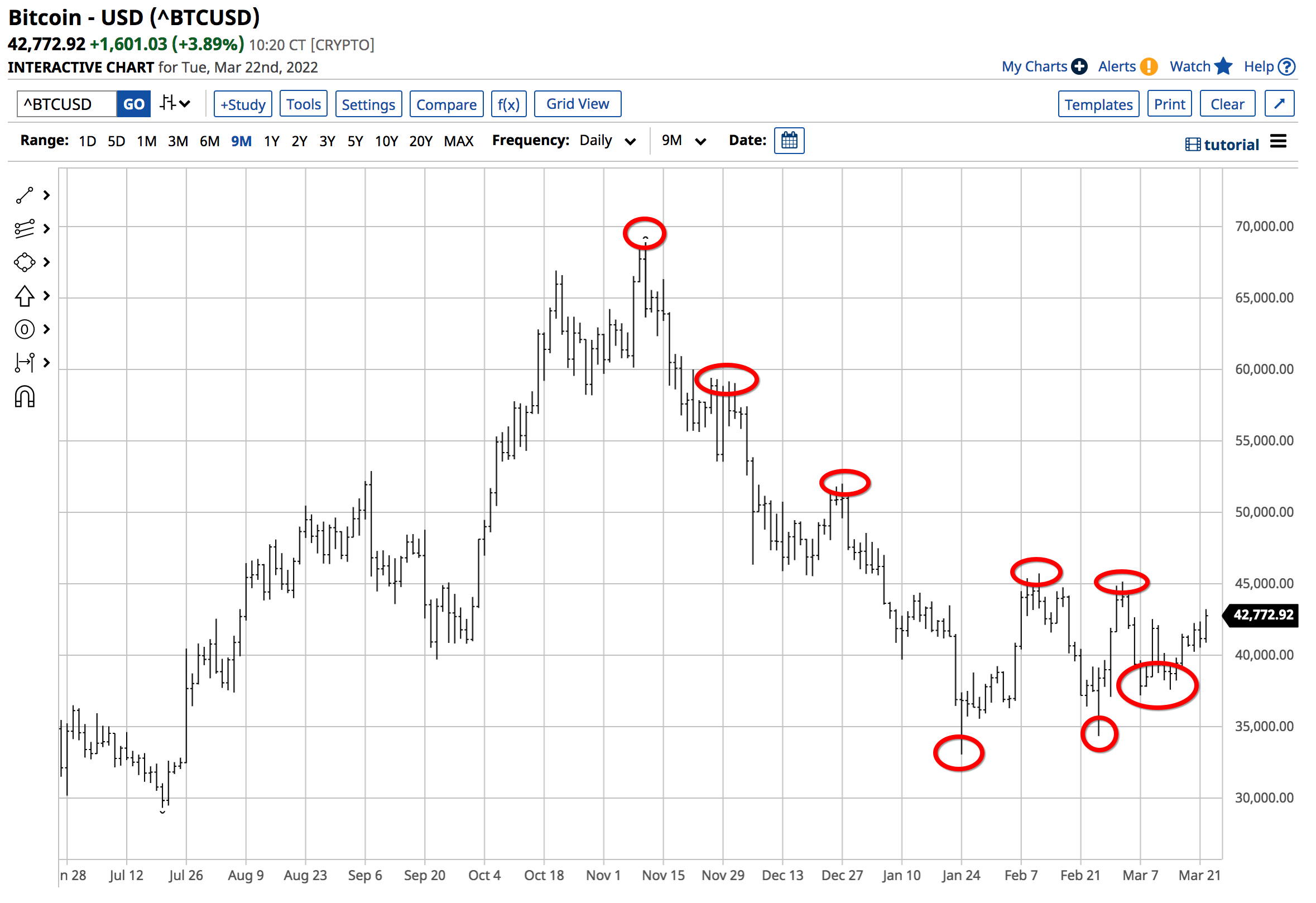

Bitcoin consolidation is currently unfolding as the cryptocurrency stabilizes around $90,000 amidst significant ETF outflows, drawing parallels to the market dynamics preceding the anticipated 2025 Bitcoin surge. This current phase of stability highlights critical Bitcoin price levels, with support firmly established at $90,000 and immediate resistance just shy of $95,000. Traders are keenly observing these patterns, as they hold the potential to signal future Bitcoin market trends. The recent outflows, totaling over $1 billion, have instigated a cautious sentiment among institutional investors, which could foreshadow significant price movements. As we delve deeper into Bitcoin trading analysis, it’s vital to consider how these consolidations may pave the way for potential breakout scenarios as historical trends suggest.

The ongoing process of stabilization in Bitcoin values can be referred to as market consolidation, where Bitcoin is currently navigating a tight trading range centered around $90,000. This phase comes on the heels of substantial ETF withdrawals, which may be shaking investor confidence and affecting transaction volumes. Observers of Bitcoin’s movement are now focused on key support and resistance levels, reminiscent of historical patterns that occurred prior to major price increases, specifically the projected surge expected in 2025. This pattern of low volatility and defined price channels indicates that traders are strategically analyzing these shifts in the market landscape. As we explore these arrangements, it’s important to understand how current events influence Bitcoin’s trajectory and investor sentiment.
Understanding Bitcoin Market Trends Amid ETF Outflows
The recent trend of Bitcoin trading has been significantly affected by ETF outflows. As institutional investors have pulled over $1 billion from Bitcoin ETFs, this withdrawal represents a crucial shift in market sentiment. Historically, such outflows can lead to decreased demand, pushing prices lower as seen with Bitcoin hovering around $90,000. Traders are keenly observing the implications of these outflows since they often signal a lack of confidence in Bitcoin’s short-term price sustainability. Additionally, with growing geopolitical instability in regions like Latin America and the Middle East, many investors are adopting a risk-off strategy, further exacerbating the downward pressure on Bitcoin’s value.
To understand the full impact of ETF outflows on Bitcoin, it’s important to also analyze broader market trends and investor behavior. The ongoing cautious sentiment among investors may lead to a protracted period of consolidation, which could last longer than expected. With Bitcoin price levels remaining stagnant, investors are encouraged to monitor emerging patterns that could bounce back from these outflows. Observing how institutional players respond to market conditions will provide insightful cues into future price movements, particularly as they relate to upcoming macroeconomic announcements and policy shifts that could dictate the direction of Bitcoin.
Bitcoin Consolidation: Lessons from Pre-2025 Patterns
Today’s Bitcoin consolidation phase is reminiscent of the market conditions prior to the significant rally in 2025. During that period, Bitcoin maintained a narrower range for almost two months before igniting its upward trajectory. The current price stabilization around $90,000 suggests a similar build-up could be developing now, particularly as Bitcoin grapples with ETF outflows and macroeconomic uncertainties. During the previous consolidation, investor sentiment shifted from fear to optimism as market players slowly accumulated Bitcoin without causing drastic price fluctuations.
One fascinating aspect of consolidation is how it fosters a solid base for potential breakouts. Today’s low volatility and tight trading range may indicate that Bitcoin is quietly absorbing selling pressure, preparing itself for the next big move. Analysts often advise keeping watch for significant volume spikes or shifts in market sentiment that could signal a breakout beyond the crucial resistance levels of $95,000 or even $100,000. Previous patterns suggest that once Bitcoin breaks through these levels, we could witness a rush of bullish activity, echoing prior surges that propelled prices upward considerably.
Crucial Price Levels Influencing Bitcoin Trading Analysis
In Bitcoin trading analysis, understanding and monitoring critical price levels is essential. The support level around $90,000 is particularly pivotal; a drop below this mark could potentially trigger further declines towards the $86,000 to $88,000 range. On the contrary, an upward movement past $95,000 would signify a rejuvenation of institutional interest, likely influencing a new wave of buying activities. These levels serve as psychological benchmarks for traders and investors alike, as they inform decisions on when to enter or exit positions.
Moreover, the importance of these price levels cannot be overstated, especially within the context of macroeconomic factors. Traders should be proactive in observing external influences, such as regulatory changes and market sentiment shifts, that affect Bitcoin’s price. Keeping an eye on these indicators, combined with historical price analysis, will equip investors with better tools to navigate the volatile landscape successfully. As Bitcoin continues to consolidate, those who remain attuned to these price levels will have a strategic advantage, enabling them to capitalize on future price movements.
Geopolitical Tensions and Their Impact on Bitcoin Prices
Geopolitical tensions, particularly involving the USA and its relationships with Latin America and Iran, have become increasingly relevant in influencing Bitcoin prices. Such uncertainties typically lead to risk-off trading patterns, where investors may retreat to safer assets, negatively impacting volatile cryptocurrencies like Bitcoin. Over the past few weeks, the markets have felt the effects of these tensions, contributing to the recent decline in Bitcoin ETF inflows and the subsequent consolidation around the $90,000 mark.
It is crucial for traders to consider these geopolitical factors when engaging in Bitcoin trading analysis. The interplay between global events and market sentiment can often dictate significant price movements. Investors should stay informed about diplomatic developments and economic policies that could trigger shifts in confidence, either positively or negatively affecting the Bitcoin landscape. This awareness can help mitigate risks and inform strategic investment decisions as the cryptocurrency landscape evolves in response to geopolitical shifts.
The Future of Bitcoin Price Movements: Insights and Predictions
Looking ahead, the future of Bitcoin price movements is a topic of intense speculation. With the ongoing consolidation stage that mirrors preceding patterns, analysts are optimistic about potential price surges. If Bitcoin can successfully breach the psychological barrier of $100,000, it may evoke cascading buying pressure as confidence in the market revitalizes. Historical data indicates that major breakouts often occur following consolidation periods, leading to significant appreciation in value within months.
Moreover, market participants must factor in upcoming ETF news and macroeconomic data, as these will undoubtedly shape Bitcoin’s trajectory in the near term. Predictions for Bitcoin price levels in 2025 suggest substantial upward momentum, backed by anticipated growth in institutional adoption and technological advancements in blockchain. Staying attuned to these predictions while maintaining awareness of market trends will empower investors with the knowledge they need to navigate future price movements effectively.
Risks and Opportunities in Bitcoin Investment Strategies
Investing in Bitcoin presents both risks and opportunities that every trader should be mindful of. On one hand, the volatile nature of cryptocurrency can lead to significant financial gain, especially as Bitcoin prepares for a potential breakout above current price levels. However, the recent ETF outflows and geopolitical tensions serve as reminders of the inherent risks associated with investing in such an unpredictable market. Understanding these dynamics is vital for managing investment strategies effectively.
Opportunities arise particularly during consolidation phases, as savvy investors can capitalize on lower prices while awaiting upward trends. Additionally, employing risk management techniques—such as setting stop-loss orders or diversifying portfolios—can protect against adverse market movements. As Bitcoin trading analysis continues to evolve, recognizing both the potential rewards and pitfalls will equip investors to navigate the market with greater confidence and foresight.
The Role of Institutional Investors in Bitcoin Stability
Institutional investors play a critical role in the stability and overall direction of the Bitcoin market. Their actions, particularly regarding Bitcoin ETF investments, are often indicative of broader market confidence. Recent ETF outflows suggest that institutional players may be reassessing their strategies amid changing economic conditions, impacting Bitcoin price levels. Should institutional interest wane significantly, Bitcoin could face headwinds that challenge its price consolidation and growth potential.
Conversely, a resurgence of institutional buying could provide a solid foundation for Bitcoin’s upward movement, reinforcing key support levels and potentially leading to new price highs. Understanding institutional sentiment is essential, as their investment decisions often set the tone for market trends and can catalyze major price shifts. Investors should remain vigilant about news surrounding institutional involvement in Bitcoin, as this will heavily influence market dynamics moving forward.
Navigating Bitcoin Regulations and Market Compliance
The regulatory landscape surrounding Bitcoin continues to evolve and significantly impacts market activity. Governments around the world are grappling with how to regulate cryptocurrencies, which can create uncertainty for investors. Recent developments suggest tighter regulations may follow, particularly regarding Bitcoin ETFs, which could influence trading strategies and the overall market sentiment. Staying informed about regulatory updates is crucial for anyone involved in Bitcoin investment.
Compliance with evolving regulations can be challenging, yet it also presents opportunities for forward-thinking investors. By anticipating regulatory changes and adjusting investment strategies accordingly, traders can position themselves to capitalize on developments that may affect Bitcoin prices positively. Understanding the legal framework and potential future directions for cryptocurrency regulations will equip investors with the knowledge they need to make informed decisions in this rapidly changing environment.
Conclusion: The Future Trajectory of Bitcoin
As we analyze Bitcoin’s current position, it becomes clear that several factors are shaping its future trajectory. From recent ETF outflows to geopolitical tensions and market consolidations, numerous elements will influence Bitcoin’s price levels moving forward. The narrative surrounding Bitcoin in 2026 is still unfolding, and as traders and investors, the key lies in staying informed and adapting strategies to align with market dynamics.
In the coming months, Bitcoin’s performance will be closely tied to how external factors, including recurring ETF trends and potential regulatory updates, unfold. As history has shown, periods of consolidation can precede dramatic price surges, hinting at the possibility of notable growth ahead. Engaging with thorough analysis and remaining vigilant in the face of changing market conditions will ultimately offer the best chance at successfully navigating the exciting yet unpredictable world of Bitcoin.
Frequently Asked Questions
What is Bitcoin consolidation and how does it affect Bitcoin price levels?
Bitcoin consolidation refers to a phase when the price of Bitcoin trades within a tight range, typically signaling a period of low volatility before a potential breakout. Currently, Bitcoin is consolidating around $90,000, influenced by recent ETF outflows and macroeconomic conditions. This range often precedes significant price movements, as seen before previous surges, including the anticipated 2025 Bitcoin surge.
How are ETF outflows impacting Bitcoin consolidation?
ETF outflows are significantly impacting Bitcoin consolidation by indicating decreased confidence among institutional investors. The recent over $1 billion in outflows has trapped Bitcoin in a narrow trading range near $90,000, making it difficult to breach key resistance levels like $95,000. As market participants adjust their strategies, these outflows are critical in shaping short-term price trends as Bitcoin undergoes consolidation.
What do analysts say about Bitcoin’s market trends during its current consolidation phase?
Analysts view Bitcoin’s current market trends during this consolidation phase as similar to patterns seen before previous surges, notably the anticipated 2025 Bitcoin surge. The current low volatility and tight trading range suggest that Bitcoin may be gathering momentum for a breakout, especially if it can sustain movement above key levels such as $95,000. Historical analysis indicates that periods of consolidation often precede bullish trends.
What should traders look for in Bitcoin price levels during this consolidation?
Traders should closely monitor crucial Bitcoin price levels during this consolidation phase, particularly the support level around $90,000 and the resistance level at $95,000. A breakout above $95,000 could signal renewed buying interest and a potential shift in market momentum, while a drop below $90,000 might lead to further declines. These levels are essential for predicting short-term movements and possible future trends in Bitcoin.
Can we expect a Bitcoin surge in 2025 based on current consolidation patterns?
Current consolidation patterns present a compelling argument for the possibility of a Bitcoin surge in 2025. Historically, periods of consolidation have set the stage for significant price movements. With Bitcoin currently experiencing a low-volatility range around $90,000 and past patterns echoing pre-2025 trends, interested investors should remain vigilant for signals that a bullish breakout is imminent.
| Key Point | Details |
|---|---|
| Current Price Action | Bitcoin is trading around $90K, indicating consolidation. |
| ETF Outflows | A three-day streak of ETF outflows over $1 billion indicates decreasing confidence among institutional investors. |
| Price Levels to Monitor | Support at $90K, resistance at $95K, breakout level at $100K. |
| Consolidation Significance | Current sideways movement mirrors patterns seen before the 2025 rally. |
| Market Influences | Macroeconomic uncertainties and geopolitical tensions are impacting price movements. |
| Potential Outcomes | A breakout above $100K could trigger bullish momentum and revisit mid-2025 highs. |
Summary
Bitcoin consolidation is currently evident as the cryptocurrency trades within a tight range around $90K, showing patterns reminiscent of previous market behaviors before the 2025 surge. With ETF outflows impacting market confidence and vital support levels in focus, traders are cautiously observing potential breakout points that could signal the next significant rally in Bitcoin’s price.
Related: More from Bitcoin News | Bitcoin Analysts: BTC Market Bottoming in Q4 2026 | BTC Below $70K, JPN Inflation Under 2%: Monthly Charts