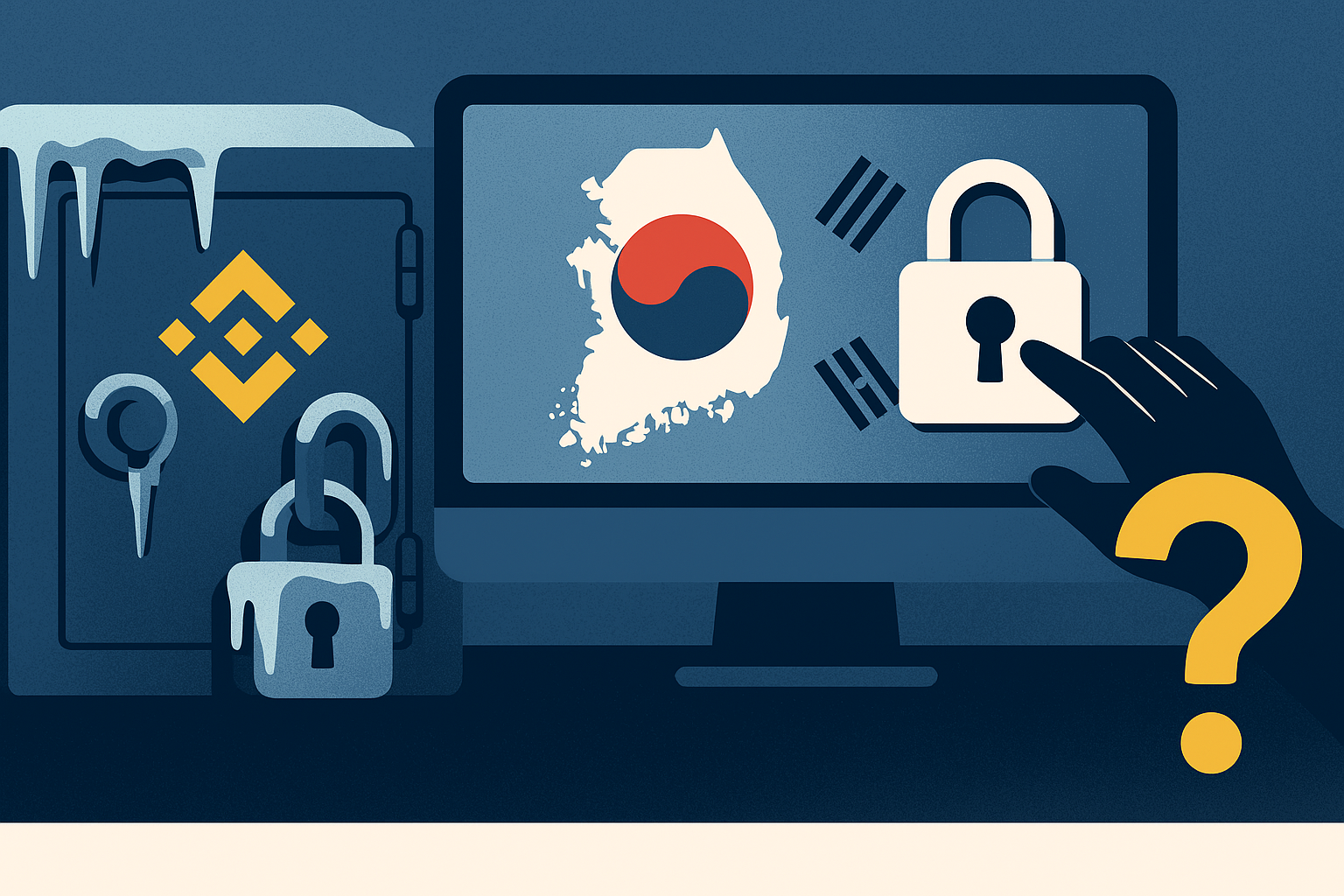

In light of the recent Upbit breach, Binance’s response has come under intense scrutiny, particularly regarding its cooperation with South Korean police. On November 27, authorities requested Binance to freeze Solana tokens connected to the breach, yet the exchange only managed to freeze about $55,000 after a 15-hour delay. This incident, which involved unauthorized withdrawals totaling around $36 million, has raised critical questions about the efficacy of cross-border cooperation between crypto exchanges and law enforcement agencies. As regulators examine these dynamics, Binance’s handling of the freeze request has become a focal point for analyzing how promptly stolen assets can be contained when they traverse international boundaries. The situation shines a light on the broader implications for crypto exchanges’ responses to law enforcement in emergency scenarios, particularly in terms of asset recovery and cybersecurity measures.

The recent security incident involving Upbit has sparked significant discussion around Binance’s engagement in the matter, highlighting the broader context of cryptocurrency exchange responsibilities. As authorities investigate unauthorized withdrawals linked to the breach, the intricacies of how international platforms respond to urgent requests from law enforcement are increasingly relevant. Notably, the delay in Binance’s action raises concerns about the timeliness of enforcement in protecting digital assets. The ability of exchanges to swiftly freeze compromised funds is crucial in mitigating losses, as evidenced by this incident. This case not only illustrates the challenges in crypto asset security but also emphasizes the need for enhanced collaboration between exchanges and global regulatory bodies.
The Importance of Rapid Response in Crypto Security Breaches
In the ever-evolving world of cryptocurrencies, prompt response to security incidents like the Upbit breach is crucial. The South Korean police’s request to Binance to freeze Solana tokens represents a key moment that underscores the need for rapid action in preventing further asset loss. With millions of dollars at stake, any delay can result in significant losses and complicates the recovery efforts for law enforcement. As the Upbit case illustrates, exchanges must navigate the challenge of acting quickly while ensuring regulatory compliance, which can sometimes hamper immediate action.
Delays in freezing assets can prove detrimental not just for the cryptocurrency exchange involved, but for the integrity of the entire ecosystem. In the Upbit breach, Binance’s 15-hour delay in freezing a portion of the requested funds raises questions about the effectiveness of existing frameworks for international cooperation between crypto exchanges and law enforcement. As regulators and operators consider ways to improve response times, a reevaluation of procedures is necessary to create more efficient protocols for action against breaches.
Frequently Asked Questions
What was Binance’s response to the Upbit breach and South Korean police request?
Binance’s response to the Upbit breach involved freezing approximately $55,000 worth of Solana tokens after a 15-hour delay, following a South Korean police request to freeze assets linked to the breach valued at about $370,000.
How long did it take Binance to respond to the South Korean police’s freeze request related to the Upbit breach?
Binance took approximately 15 hours to respond to the South Korean police’s freeze request concerning the Upbit breach, ultimately freezing a portion of the requested Solana tokens.
What are the implications of Binance’s response time to the Upbit breach for future crypto exchanges?
The implications of Binance’s response time to the Upbit breach highlight the need for improved cooperation and faster action among crypto exchanges when responding to law enforcement requests, particularly in cross-border cases.
What actions did Binance take after the Upbit breach involving Solana tokens?
As part of its response to the Upbit breach, Binance froze about $55,000 worth of Solana tokens after verifying the connection to the incident, although this represented only 17% of the amount requested by South Korean authorities.
Why is the Upbit breach case significant for assessing Binance and other crypto exchanges’ responses?
The Upbit breach case is significant as it serves as a benchmark for evaluating how effectively Binance and other crypto exchanges can respond to urgent law enforcement requests, especially concerning asset freezes in cross-border hacking incidents.
What challenges did Binance face in responding to the freeze request from South Korean police related to the Upbit breach?
Binance faced challenges related to verification processes which delayed their response to the freeze request from South Korean police regarding the Upbit breach, raising concerns about the speed of action in preventing asset dissipation.
How does Binance’s handling of the Upbit breach influence crypto regulatory discussions?
Binance’s handling of the Upbit breach influences crypto regulatory discussions by highlighting the urgent need for tighter coordination and emergency communication channels between exchanges and authorities to ensure rapid containment of stolen assets.
What were the broader consequences of the Upbit breach for international crypto enforcement?
The broader consequences of the Upbit breach for international crypto enforcement include heightened scrutiny of existing cross-border coordination mechanisms and calls for improved collaboration among exchanges to swiftly handle law enforcement requests.
| Key Points |
|---|
| South Korean police requested Binance to freeze Solana tokens linked to the Upbit breach. |
| There was a 15-hour delay before Binance froze approximately $55,000 of the requested amount worth $370,000. |
| The Upbit breach involved unauthorized withdrawals of Solana-based assets totaling around $36 million. |
| South Korean authorities are assessing how international crypto platforms respond to law enforcement requests. |
| The incident highlights the need for swift responses from exchanges to mitigate losses in cyber-crime cases. |
| Delays in freezing stolen assets can allow for further laundering or transfers, complicating recovery efforts. |
| Calls for better coordination mechanisms between exchanges and law enforcement are gaining traction following this incident. |
Summary
Binance’s response to the Upbit breach has sparked significant discussion regarding the efficiency and responsibility of cryptocurrency exchanges in crisis scenarios. The significant delays in freezing the assets requested by South Korean authorities have raised concerns about the adequacy of current cross-border enforcement protocols. This situation underscores the urgency for improved communication and rapid action frameworks among global exchanges to better respond to breaches, preserving the integrity of the crypto ecosystem.