
Binance Approaches Reentry into South Korea: Regulators Reevaluate Gopax Acquisition Impact
Key Takeaways
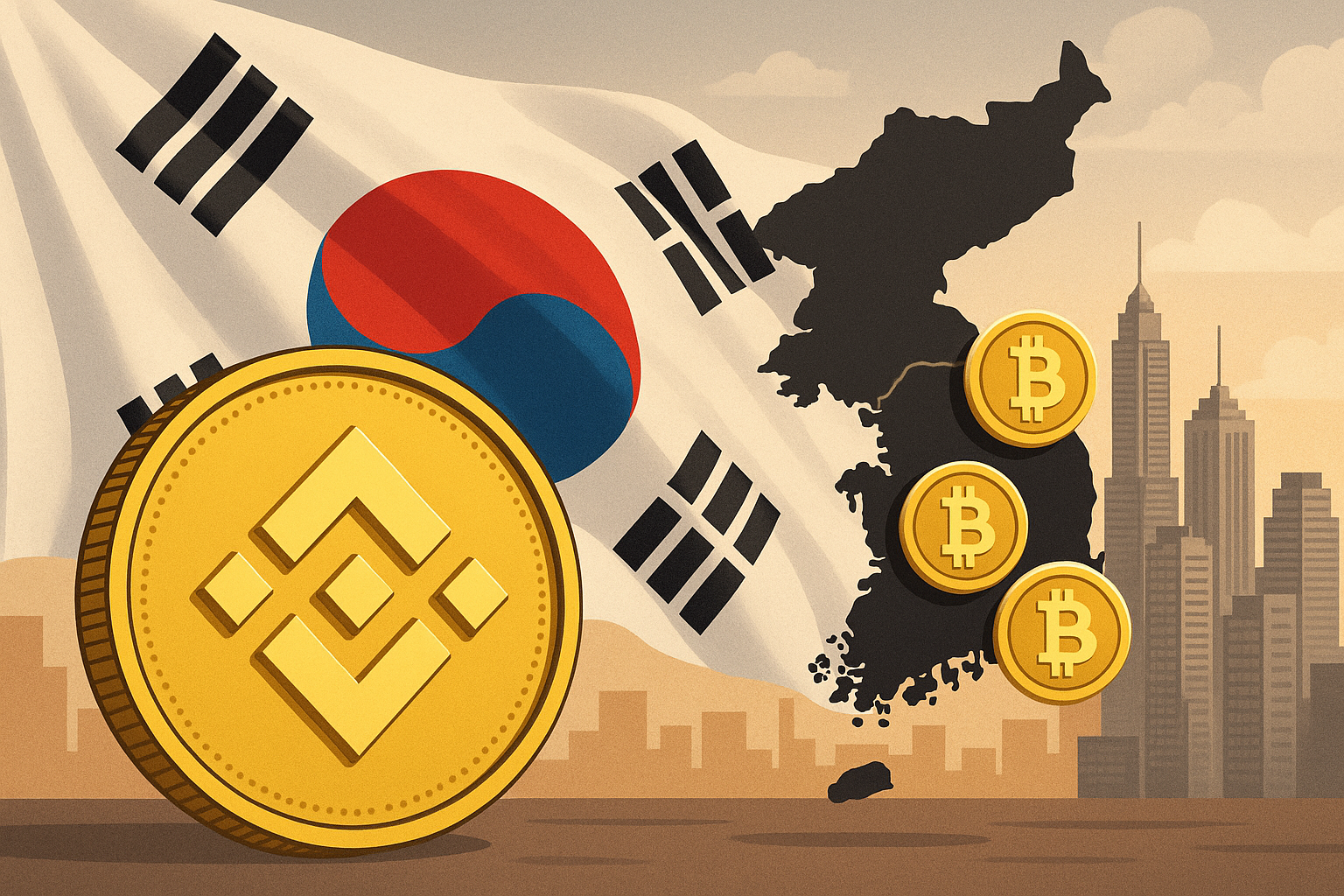
Binance, the world’s largest cryptocurrency exchange by trading volume, is setting the stage for a strategic reentry into the South Korean market, an endeavor that underscores the shifting landscapes of cryptocurrency regulation and investment within Asia. This move comes amidst Binance’s recent investment into Gopax, a struggling South Korean exchange, which marks a significant pivot in Binance’s Asia strategy, potentially redefining the crypto regulatory framework in South Korea.
Background of Binance Exit and Reentry
Binance initially entered the South Korean market in 2020 but ceased its operations later the same year due to low usage and volume with its domestic platform, Binance KR. The departure was also influenced by stringent regulatory requirements imposed by South Korean authorities, which tightened the noose around how exchanges operate, focusing heavily on user security and transparency.
In a surprising turnaround, Binance’s recent move to acquire a stake in Gopax, which faced financial difficulties after the collapse of FTX (to which it had exposure), signals a possible reentry strategy leveraging existing infrastructure and regulatory licenses. Gopax, being one of the few exchanges in South Korea granted a license to operate under the new, stringent compliance landscape, provides a straightforward pathway for Binance to reintegrate into the South Korean market.
Impact on Regulations and Market Dynamics
The Financial Services Commission (FSC) and the Financial Supervisory Service (FSS) in South Korea are currently assessing the implications of this acquisition. The key concern for regulators remains the safeguarding of investor assets and market stability. The evaluation also translates into scrutinizing the potential for monopolistic tendencies that might arise following Binance’s deeper penetration into the South Korean market.
Given Binance’s international footprint and the ongoing global discourse around the regulation of digital assets, this move is watched closely by global investors and other regulatory bodies. The South Korean government has been proactive and relatively forward in its approach to cryptocurrency regulation and investor protection. This reentry might catalyze a new era of regulatory frameworks geared towards fostering innovation while ensuring stringent security and compliance structures.
Reactions from the Crypto Community and Potential Outcomes
The crypto community has had mixed reactions to Binance’s strategic movements in South Korea. On one hand, Binance’s robust technological infrastructure and broad service offerings could bring enhanced services and potential new offerings to South Korean users. On the other hand, concerns linger about market competition and the domination of a foreign entity in a national market, which could stifle local competition and innovation.
However, should Binance successfully navigate South Korea’s regulatory landscape this time around, it could set a precedent for other nations wrestling with similar regulatory challenges. It may also act as a catalyst for further institutional investments into cryptocurrencies in regional markets that have otherwise been cautious or conservative about their approach to this burgeoning asset class.
Final Thoughts
As Binance gears up to potential reentry into South Korea through its investment in Gopax, the situation presents an intricate tapestry of regulatory, competitive, and market dynamics. The outcome of this venture could very well influence the operational tactics of other foreign and domestic crypto exchanges globally. Undoubtedly, all stakeholders from regulators to everyday investors are keeping a keen eye on how this unfolds, potentially setting the stage for new trends in the global cryptocurrency ecosystem.