
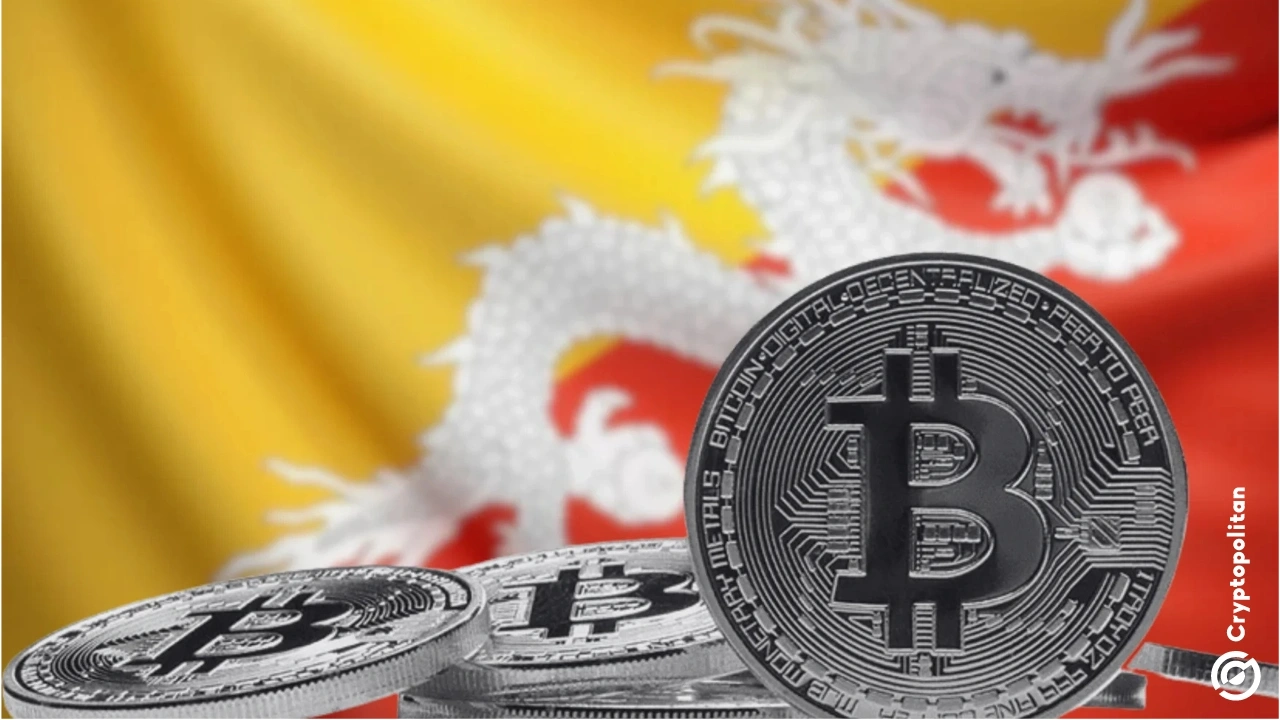

The recent Bhutan Bitcoin sell-off has sent ripples through the cryptocurrency community as the Himalayan kingdom liquidates over $22 million in Bitcoin from its state-owned mining operations. Amidst declining market value and challenging mining conditions, Bhutan transferred significant amounts of Bitcoin to crypto market maker QCP Capital, indicating a strategic move amidst tumultuous Bitcoin market trends in 2025. With its substantial investment in Bitcoin mining fueled by abundant hydropower resources, Bhutan had previously amassed impressive Bitcoin holdings of around $765 million. However, following the recent Bitcoin halving and a stark increase in mining costs, the nation has opted to decrease its holdings significantly. This situation has drawn attention to Bhutan’s cryptocurrency news and the potential long-term impacts on global Bitcoin market dynamics.

In recent developments, Bhutan has undertaken a significant divestment of its digital assets, specifically its Bitcoin reserves, marking a crucial moment in its cryptocurrency strategy. The nation, known for its environmentally sustainable Bitcoin mining endeavors, has begun to alter its stance amidst fluctuating market conditions. This shift is reflective of broader trends noticed in Bitcoin mining across the globe, especially post the significant Bitcoin halving event. As Bhutan revises its approach to cryptocurrency holdings, this change raises questions about the future of its Bitcoin investments and its position in the international Bitcoin landscape. Observers are keen to analyze how this sell-off could influence investor sentiment and market behavior in the coming months.
| Key Point | Details |
|---|---|
| Bitcoin Sale Amount | Over $22 million in Bitcoin sold by Bhutan. |
| Recent Transfers | 184 BTC worth $14 million on Wednesday and 100.8 BTC valued at $8.3 million last Friday. |
| Mining Operations | Bhutan has been mining Bitcoin since 2019 using hydroelectric energy. |
| Total Bitcoin Accumulated | Approximately $765 million worth of Bitcoin mined. |
| Bitcoin Holdings Decrease | Holdings decreased from 13,295 BTC to 5,700 BTC. |
| Current Bitcoin Market Status | Bitcoin has dropped over 42% from its all-time high and trades below $72,000. |
| Overall Market Sentiment | Investors are shifting towards safer assets amidst macroeconomic uncertainties. |
Summary
The Bhutan Bitcoin sell-off marks a significant shift in the country’s approach to cryptocurrency as economic pressures mount. Despite achieving substantial Bitcoin holdings through state-backed mining, Bhutan’s recent decision to liquidate over $22 million in Bitcoin reflects the adverse effects of declining market values and increased mining costs. This strategic sell-off may position Bhutan to mitigate financial risks during challenging market conditions.
The Impact of Bhutan Bitcoin Sell-off on Global Markets
The recent sell-off of over $22 million in Bitcoin by Bhutan highlights significant changes in the cryptocurrency landscape. As Bhutan liquidates parts of its Bitcoin holdings, investors and market analysts are left wondering about the implications on global Bitcoin market trends. With the cryptocurrency’s value fluctuating and the overall market sentiment turning bearish, Bhutan’s actions are being closely scrutinized, particularly in the wake of its considerable mining operations that began in 2019. It raises questions about the future of Bitcoin mining in Bhutan, especially given the dramatic increase in mining costs since the Bitcoin halving in 2024.
Furthermore, the $22 million sell-off, executed in two transactions, emphasizes Bhutan’s strategic response to economic pressures. As Bhutan has seen its Bitcoin holdings decrease from over 13,000 BTC to around 5,700 BTC, many wonder how this withdrawal will affect their position among global Bitcoin holders. The nation now ranks seventh, trailing behind major powers like the US and UK. Such shifts in Bitcoin reserves can lead to further volatility, not just for Bhutan but also for the broader cryptocurrency markets.
Analyzing Bitcoin Market Trends 2025 Amidst Bhutan’s Mining Decline
As we look towards the future of Bitcoin market trends in 2025, Bhutan’s experience underscores the challenges that many miners face today. The doubling of mining costs since the Bitcoin halving has forced Bhutan to reconsider its operations, significantly reducing its annual Bitcoin output. This situation mirrors a wider trend affecting other miners around the world as increasing energy costs, coupled with reduced profitability, lead many to halt or scale down their operations. The implications on Bitcoin’s supply dynamics could further amplify price volatility, necessitating a reassessment of investment strategies within the cryptocurrency space.
In 2025, analysts are expecting to see a continued evolution in how Bitcoin mining is approached, especially in energy-rich countries like Bhutan. The ongoing sell-offs may indicate a strategic pivot towards diversification, or the need for immediate liquidity. As Bhutan’s cryptocurrency news unfolds, the market will be watching closely to see how other countries respond. Will they follow Bhutan’s lead, or will they adopt strategies aimed at sustaining their Bitcoin reserves despite market pressure? The interplay of these factors will shape the narrative around Bitcoin and its perceived value as a long-term investment.
Bhutan’s Bitcoin Holdings: The Rollercoaster Ride
Over the years, Bhutan’s Bitcoin holdings have undergone a substantial transformation. Initially a beacon of cryptocurrency potential with approximately $765 million amassed through state-funded mining projects, recent sell-offs indicate a shift in strategy amid declining Bitcoin prices. Currently, Bhutan holds around 5,700 BTC, a sharp decline from its previous high of over 13,000 BTC just months prior. This drastic reduction in reserves challenges the notion of stability in Bitcoin holdings among nation-states and raises questions about Bhutan’s future approach to cryptocurrency management.
The sharp decline in Bhutan’s Bitcoin assets is noteworthy, particularly as they navigate decreasing profitability amid significant fluctuations in the crypto market. As mining continues to become less profitable following the last Bitcoin halving, Bhutan’s investment strategy might evolve further. It remains to be seen whether the country looks to increase its holdings again as market conditions improve or if it opts for a more diversified approach to its national reserves, reflecting broader trends in the global investment landscape.
Hydroelectric Energy: The Backbone of Bhutan’s Bitcoin Mining
Bhutan’s Bitcoin mining industry thrives primarily on the nation’s vast hydroelectric resources. This renewable energy source not only supports sustainable mining practices but also positions Bhutan uniquely in the global cryptocurrency market. While many countries face high energy costs that curtail profitability, Bhutan benefits from low-cost, green energy, allowing it to mine Bitcoin more efficiently. However, as market dynamics shift and profitability decreases due to factors like the Bitcoin halving, the effectiveness of this energy source is being re-evaluated by industry experts.
Nonetheless, as Bhutan continues to leverage its hydroelectric power, the country is also mindful of global trends in energy consumption and cryptocurrency mining. The increasing scrutiny over the environmental impact of Bitcoin mining means that Bhutan’s energy practices may come under the spotlight, influencing international perceptions of their operations. As the world becomes increasingly focused on sustainability, Bhutan’s commitment to using clean energy sources could become a significant selling point for its future Bitcoin investments.
Regulatory Challenges and Their Impact on Bhutan’s Bitcoin Strategy
Amidst the dynamic landscape of cryptocurrencies, regulatory challenges remain a substantial concern for nations like Bhutan that engage in Bitcoin mining and trading. The recent sell-off has drawn attention to the potential ramifications of regulatory uncertainty on Bhutan’s Bitcoin strategy. As global regulations evolve, Bhutan’s need for transparency and adaptability becomes more pressing. Given the fluctuations in market conditions, understanding how local regulations affect Bitcoin holdings and transactions is crucial for the country’s financial strategy going forward.
Moreover, the complexities surrounding regulatory frameworks could lead to significant changes in how Bhutan navigates its cryptocurrency investments. Heightened scrutiny regarding the legitimacy of crypto transactions and the motivation behind sell-offs could shape Bhutanese policies moving into 2025. As global regulatory discussions continue to progress, Bhutan may need to recalibrate its approach to Bitcoin and its overall crypto strategy to align with new standards while still maximizing the benefits of its substantial mining capabilities.
The Broader Economic Implications of Bhutan’s Bitcoin Sales
The economic implications of Bhutan’s Bitcoin sales are far-reaching, affecting not only the nation itself but also the wider cryptocurrency ecosystem. By liquidating significant portions of its Bitcoin assets, Bhutan may be signaling to other stakeholders that the era of unprecedented gains in the crypto market could be drawing to a close. This trend impacts investor confidence and could lead to a further decline in Bitcoin’s price, affecting the overall market stability as sentiments shift toward safer investment alternatives amidst uncertainties.
As Bhutan continues to part with its Bitcoin holdings, other states observing these moves may reconsider their own strategies in crypto asset management. The economic ramifications of these transactions might compel other nations to adopt similar paths, leading to increased volatility in global Bitcoin markets. The ripple effect created by Bhutan’s decisions showcases the growing interconnectedness of national strategies in cryptocurrency investment and presents a compelling case for nations to emphasize sound regulatory frameworks and sustainable mining practices.
Understanding Bitcoin’s Volatility: Key Drivers and Influences
Bitcoin has become synonymous with volatility, and various factors contribute to these dramatic price movements. In the context of Bhutan’s recent sell-off, it highlights how external drivers, such as regulatory announcements, market fears, and speculative trading, shape price trends. As Bitcoin’s trading price has dropped over 42% from its all-time high, recognizing the key influences behind these changes can help investors strategize their approaches. The impact of geopolitical tensions and macroeconomic events only compounds this volatility, necessitating a well-informed approach to participation in the cryptocurrency market.
Additionally, the bearish sentiment observed in the current market cycle reflects broader investor confidence challenges. As miners like Bhutan confront declining profitability linked to rising costs and regulatory shifts, investors may turn towards alternative assets perceived as safer. Thus, dissecting Bitcoin’s volatility becomes crucial for understanding not just its performance but also the prevailing sentiment that influences market strategies across the board.
Bitcoin Halving: Assessing Its Impact on Bhutan’s Mining Operations
The Bitcoin halving, a significant event occurring approximately every four years, has profound implications for mining operations and profitability across the globe. For Bhutan, the 2024 halving saw the cost of mining escalate drastically, which has inevitably driven down the amount of Bitcoin mined from its extensive hydroelectric resources. As the country navigates this challenging landscape, the economic feasibility of maintaining large-scale mining operations is now under serious scrutiny.
Understanding the effects of Bitcoin halving is essential for grasping Bhutan’s current position within the global cryptocurrency ecosystem. Assessing how this event has altered the dynamics of Bitcoin profitability may influence the country’s future investment decisions. With increasing operational costs and a decline in Bitcoin production, Bhutan has a challenging road ahead if it aims to maintain its status as a prominent player in Bitcoin mining.
Shifts in Investment Strategy: Bhutan and the New Crypto Landscape
As Bhutan sells off significant portions of its Bitcoin holdings, it highlights a broader shift in investment strategy within the ever-evolving cryptocurrency landscape. Investors and nations alike are reevaluating their positions amidst fluctuating market conditions and increasing pressures from regulatory environments. This transformation is remarkable, especially as countries that once clung to their BTC reserves are now prioritizing liquidity and safety, reflecting a growing realization of the inherent risks associated with crypto investments.
In the context of Bhutan’s new approach, its reliance on liquidating Bitcoin to navigate uncertain market climates demonstrates a proactive stance in the face of relentless volatility. The nation’s strategic pivot could influence other countries, encouraging them to consider diversified portfolios or adopt more conservative approaches to national Bitcoin reserves. As the cryptocurrency market continues to evolve, adjusting strategies to embrace both the potential and risks associated with Bitcoin will be vital for sustaining growth and stability for nations involved.
Frequently Asked Questions
What impact does the recent Bhutan Bitcoin sell-off have on Bitcoin market trends for 2025?
The recent Bhutan Bitcoin sell-off, where the country transferred $22 million in mined Bitcoin as prices fell, may indicate a shift in market sentiment. This sell-off amidst declining prices underlines increased volatility and could influence Bitcoin market trends for 2025 by highlighting a potential retreat from speculative investments.
How has the Bhutan Bitcoin holdings changed after the sell-off?
Following the Bhutan Bitcoin sell-off, the country’s holdings have significantly decreased from a peak of 13,295 BTC in October 2024 to approximately 5,700 BTC. This dramatic reduction illustrates Bhutan’s strategy to liquidate assets in response to the changing market environment.
What are the reasons behind Bhutan’s Bitcoin sell-off?
The exact reasons for Bhutan’s Bitcoin sell-off remain unclear, but it coincided with deteriorating mining conditions and rising costs, particularly following the Bitcoin halving in 2024, which has doubled the mining expenses for Bhutan.
How is Bitcoin mining in Bhutan affected by the recent downturn?
Bitcoin mining in Bhutan has been adversely impacted by the decline in Bitcoin prices and increased mining costs. Since the 2024 Bitcoin halving, which significantly raised operational expenses, Bhutan has mined much less Bitcoin this year compared to 2023.
What does the Bitcoin sell-off by Bhutan signal for international cryptocurrency market news?
Bhutan’s significant Bitcoin sell-off may signal to international cryptocurrency market watchers that even state-backed mining operations are re-evaluating their positions in response to market volatility, potentially influencing trading strategies and investor sentiment globally.
How does Bhutan’s Bitcoin situation relate to the current cryptocurrency market dynamics?
Bhutan’s ongoing Bitcoin sell-off reflects larger cryptocurrency market dynamics where declining asset values and increased mining costs have led miners to liquidate holdings, indicating a potential trend towards prioritizing liquidity in uncertain market conditions.
What is the current price trend of Bitcoin post-Bhutan’s sell-off?
Post-Bhutan’s sell-off, Bitcoin’s price continues to decline, currently trading below $72,000 after falling over 42% from an all-time high of $126,080 in October 2024. This price trend is influenced by overall market uncertainties and a retreat from riskier assets.
What challenges does Bhutan face concerning its Bitcoin mining operations?
Bhutan faces significant challenges in its Bitcoin mining operations due to rising costs associated with mining post-halving and decreasing Bitcoin prices. These factors combined are leading to lower profitability and reduced mining output.
How does Bhutan’s electricity reliance shape its Bitcoin mining operations?
Bhutan primarily uses hydroelectric energy for its Bitcoin mining, which initially allowed for cost-effective mining operations. However, with rising global mining expenses, the profitability of operations is being reevaluated as energy costs continue to challenge rates of return.
What are the implications of Bhutan’s Bitcoin holdings for its economic strategy?
The fluctuation in Bhutan’s Bitcoin holdings, especially after the sell-off, suggests a shift in its economic strategy towards maintaining liquidity. This could point to a broader recognition of market risks and a reallocation of resources to more stable asset classes amidst volatility.
Related: More from Bitcoin News | AI, BTC Miners Issue High | Bitcoin Above $69K? Glassnode Weighs In