


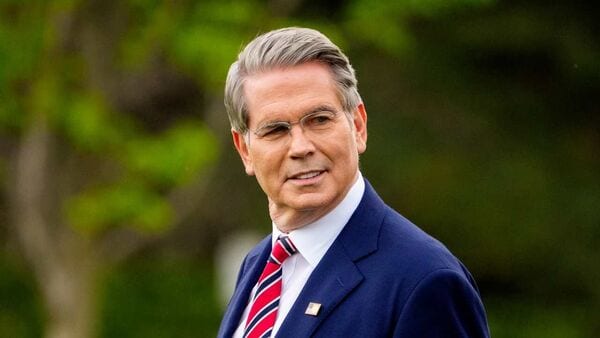

Besenet calls for interest rate cuts, urging the Federal Reserve to take decisive action to stimulate the U.S. economy. In light of the ongoing economic recovery, the U.S. Treasury Secretary believes that reduced interest rates are essential for fostering stronger growth. According to Besenet, adopting lower rates may unlock significant benefits for borrowers and businesses alike, aligning with Trump’s bold economic policies. His remarks underscore the profound impact that monetary policy has on the market’s stability and consumer confidence. As the Federal Reserve contemplates its next moves, the implications of these interest rate cuts could reshape the financial landscape, reinvigorating investment and spending across the nation.

In a recent push for economic revitalization, Treasury Secretary Besenet has recommended slashing interest rates, emphasizing its importance for robust financial growth. This call aligns with the broader dialogue surrounding U.S. monetary strategies and the potential effects of such cuts on the economy. By advocating for reduced borrowing costs, Besenet aims to bolster consumer spending and business investments, resonating with the motivations behind Trump’s economic framework. The urgency of these proposals points to a need for a reassessment of existing economic policies, considering how they can be adapted for better results. This renewed focus on interest rates signifies a pivotal moment for policymakers in addressing both current challenges and future economic prospects.
Besenet Calls for Interest Rate Cuts Amid Economic Growth Push
In a significant push towards promoting economic growth, U.S. Treasury Secretary Besenet has emphatically called for the Federal Reserve to implement interest rate cuts. He argues that these reductions are crucial for stabilizing and invigorating the economy, especially in light of the lingering effects of previous monetary policies. Besenet’s remarks underscore the critical relationship between lower interest rates and increased consumer spending, as well as business investments, which are essential for fostering a robust economic environment. In his view, the Federal Reserve must not hesitate to act, suggesting that timely rate cuts can serve as a catalyst for desired growth metrics in the United States.
Moreover, Besenet’s insistence on lower interest rates aligns with Trump’s economic policy, which promotes a favorable landscape for businesses and middle-class Americans. By endorsing interest rate cuts, he is advocating for a proactive stance in monetary policy that aims to boost investment in infrastructure, create job opportunities, and ultimately lead to broader economic benefits. Such measures would not only invigorate the current market trends but also serve as a gateway to realizing the ambitions encapsulated in Trump’s ‘America First’ agenda.
Impact of Monetary Policy on Economic Growth
Monetary policy plays a pivotal role in managing economic growth and stability. The Federal Reserve’s decisions regarding interest rates can directly influence various economic factors, including inflation and employment rates. When interest rates are lowered, borrowing becomes cheaper for consumers and businesses, which typically encourages spending and investment. This cascading effect can lead to significant improvements in economic indicators such as GDP growth and employment. By advocating for interest rate cuts, Besenet is tapping into a fundamental aspect of economic theory that emphasizes the importance of accessible credit in stimulating economic activity.
On the contrary, failing to adjust interest rates in response to economic demands could stifle growth and lead to stagnation. As evident from historical trends, restrictive monetary policies can result in reduced consumer confidence and lower spending. Therefore, it is crucial for policymakers to stay attuned to the economic landscape, making timely adjustments to support growth. Besenet’s urgent calls for action could thus be interpreted as a reminder of the delicate balance regulators must maintain between encouraging growth through lower rates while managing the potential risks of inflation.
The Benefits of Lower Interest Rates
Lower interest rates can bring about a multitude of benefits for both consumers and businesses. For consumers, reduced borrowing costs can translate into cheaper mortgages, auto loans, and credit card rates, incentivizing spending on major purchases. This increased consumption can stimulate various sectors of the economy, leading to job creation and enhanced livelihood for many families. Enterprises also stand to gain significantly as they face lower operational costs associated with borrowing, which can drive innovation and growth. Overall, these benefits create a ripple effect that strengthens the economy at large.
Additionally, lower interest rates encourage investment in long-term projects and technologies, which can foster advancements across various industries such as clean energy, tech, and manufacturing. Firms that might have otherwise withheld investment due to high borrowing costs are more likely to move forward with expansions and upgrades, thereby boosting productivity and contributing to a more dynamic economy. As such, Besenet’s advocacy for interest rate cuts is not solely about immediate relief but also about laying the groundwork for sustainable economic growth that aligns with Trump’s broader economic strategy.
US Treasury Secretary’s Role in Economic Policy
The role of the U.S. Treasury Secretary is instrumental in shaping the nation’s economic policy, particularly during times of uncertainty or transition. With the Federal Reserve’s ongoing deliberations regarding interest rates, Treasury Secretary Besenet finds himself at the forefront of discussions that have significant implications for the American economy. By advocating for interest rate cuts, he is not only influencing monetary policy but also reflecting the administration’s priority to stimulate economic growth as part of Trump’s overarching vision for America’s economic future.
Besenet’s engagement in the policy-making process signals a concerted effort to coordinate fiscal and monetary strategies, which is vital for achieving cohesive economic goals. As he navigates the selection process for the next Federal Reserve chair, his calls for interest rate adjustments highlight the interconnectedness of fiscal strategies and monetary tools. The effectiveness of Besenet’s initiatives will ultimately depend on how well they align with the Federal Reserve’s objectives and their ability to affect change in a complex economic environment.
Understanding Federal Reserve Interest Rates
The Federal Reserve’s interest rate decisions are a critical component of U.S. economic policy, influencing everything from consumer loans to business investment. The Federal Reserve adjusts rates as part of its efforts to maintain economic stability and manage inflation, thus weighing the benefits of lower rates against potential risks. Lowering interest rates can lead to increased liquidity in the economy, encouraging more financial and commercial activities. This process is especially crucial when economic growth appears sluggish.
As interest rates decrease, capital becomes more accessible, enhancing the ability of businesses to invest in expansion and innovation. Conversely, higher rates may curb spending, highlighting the delicate balance the Federal Reserve must maintain in its monetary policy. Besenet’s emphasis on advocating for interest rate cuts is largely rooted in the desire to promote continuous growth and ensure that economic gains are felt throughout society, not just in specific sectors.
Aligning with Trump’s Economic Agenda
Besenet’s push for lower interest rates is a clear alignment with President Trump’s economic agenda, which focuses on revitalizing American industry and supporting workers through deliberate fiscal strategies. Under Trump’s administration, significant tax cuts and deregulations were introduced to foster an environment conducive to business growth and job creation. By continuing this momentum with calls for rate cuts, Besenet is reinforcing the administration’s commitment to its economic principles, emphasizing that accessible credit is vital for sustaining growth.
The alignment with Trump’s policy not only reflects a unified message from the administration but also emphasizes a strategic vision for America’s economic future. Lower interest rates can simplify financing opportunities for smaller companies and startups, thereby enhancing entrepreneurship and innovation. This synergy between Treasury initiatives and the overarching economic agenda can serve to solidify the U.S. economy’s foundation as it navigates the complex interplay of global financial markets.
The Consequences of Delayed Rate Cuts
The hesitation or delay in implementing interest rate cuts could have profound implications for the U.S. economy. As inflationary pressures may accumulate, the absence of timely adjustments could lead to a constraining economic environment, where businesses and consumers feel the burden of higher borrowing costs. In such scenarios, economic growth may stagnate due to reduced spending power and consumer confidence, resulting in adverse effects on job creation and investment.
Furthermore, delaying appropriate monetary policy responses can undermine the Federal Reserve’s credibility and its role as a stabilizing force in the economy. Public confidence relies significantly on the perception that the Federal Reserve is proactive and responsive to prevailing economic conditions. Besenet’s warnings emphasize the risks associated with inaction, highlighting the need for decisive measures to catalyze growth and mitigate potential negative impacts on the broader economy as it seeks to recover.
Looking Ahead: Rates and Economic Recovery
As the Federal Reserve contemplates future interest rates, the urgency of the need for cuts is palpable, especially as America strives for economic recovery. The interplay between interest rates and economic performance is critical. A well-timed reduction in rates could provide the necessary stimuli to rekindle growth prospects, which is particularly essential as businesses and consumers navigate a challenging economic landscape.
Besenet’s advocacy for interest rate cuts reflects a proactive approach to achieving a more dynamic and resilient economy. By facilitating easier access to capital, the anticipation is that enhanced consumer and business activities can lead to accelerated recovery. As the nation moves forward, the coordination between fiscal policy advocated by the Treasury and the monetary decisions made by the Federal Reserve will significantly influence the trajectory of economic recovery and long-term prosperity.
Frequently Asked Questions
What are the implications of Besenet’s call for interest rate cuts on Federal Reserve monetary policy?
Besenet’s call for interest rate cuts places significant pressure on the Federal Reserve to adjust its monetary policy. By urging the Fed to reduce interest rates, Besenet suggests that such a move could stimulate economic growth. Lower interest rates can encourage borrowing, investment, and consumer spending, thereby potentially leading to a more robust economy.
How does Besenet’s stance on interest rate cuts relate to Trump’s economic policy?
Besenet’s advocacy for interest rate cuts aligns closely with Trump’s economic policy, specifically the ‘America First agenda’. By prioritizing lower interest rates, Besenet aims to complement Trump’s previous tax cuts and deregulation measures which were intended to promote economic growth. This synergy reinforces the administration’s commitment to fostering a favorable economic environment.
What are the benefits of interest rate cuts as highlighted by Besenet?
Besenet underscores several benefits of interest rate cuts, including enhanced economic growth, increased consumer and business spending, and improved access to credit. These cuts can help lower borrowing costs for individuals and companies, which may lead to heightened economic activity and job creation, essential for a thriving economy.
In what ways could Besenet’s call for interest rate cuts impact the US Treasury’s goals?
Besenet’s push for interest rate cuts could support the US Treasury’s goals by creating a more favorable fiscal environment. Reduced interest rates can lead to lower debt servicing costs for the government and stimulate growth, which in turn can increase tax revenues. This aligns with the Treasury’s objective of maintaining sound economic policies that support long-term growth.
What role does Besenet expect interest rate cuts to play in the economic outlook for 2026?
Besenet anticipates that interest rate cuts will be pivotal for achieving stronger economic growth in 2026. He believes that such monetary policy adjustments are crucial for the success of Trump’s economic agenda and for maximizing the returns on the reforms implemented over the previous years. This outlook suggests that he sees these cuts as essential to sustaining momentum in the economic recovery.
How might the Federal Reserve respond to Besenet’s interest rate cut suggestions?
The Federal Reserve may consider Besenet’s suggestions as part of its broader assessment of economic indicators. While they weigh the potential benefits of interest rate cuts against concerns about inflation and economic stability, increased pressure from Treasury officials like Besenet could prompt a more aggressive stance on monetary policy adjustments. This response will ultimately reflect the Fed’s commitment to balancing growth with economic stability.
| Key Points | Details |
|---|---|
| Besenet’s Call for Interest Rate Cuts | Treasury Secretary Besenet is urging the Federal Reserve to cut interest rates to foster stronger economic growth. |
| Economic Growth Argument | Besenet believes that lower interest rates are essential for boosting economic growth, describing them as the ‘only missing element’. |
| Support for Trump’s Policies | Besenet is advocating for these cuts in alignment with Trump’s economic agenda, referring to it as the ‘America First’ strategy. |
| Context of Interest Rate Discussion | The discourse is intensifying as Chairman Powell’s term concludes in May 2026, and Besenet is involved in selecting his successor. |
Summary
Besenet calls for interest rate cuts as a crucial move to enhance U.S. economic growth. The Treasury Secretary’s push for lower rates aligns with the former President Trump’s economic strategies, indicating a renewed focus on the ‘America First’ agenda set to make a comeback in 2026. This call comes in a context where the Federal Reserve faces significant pressure from government officials to adjust monetary policy in light of previous tax cuts, trade agreements, and deregulations aimed at fostering growth.