



Barclays stablecoin investment marks a significant development in the bank’s strategy toward integrating digital assets into mainstream finance. By investing in Ubyx, a company focused on developing stablecoin infrastructure, Barclays is positioning itself at the forefront of evolving market trends in the stablecoin arena. With an emphasis on regulated tokenized money, this move highlights the bank’s commitment to compliance within the growing digital currency landscape. As institutional interest in the stablecoin market trends rises, Barclays’ alignment with Ubyx’s clearing systems signals a thoughtful approach to navigating the complexities of tokenized money compliance. This investment not only supports infrastructure advancements but also reflects a broader banking shift towards embracing digital solutions in a regulated environment.

The recent foray of Barclays into the realm of digital currencies through its stablecoin investment in Ubyx underscores the bank’s proactive approach to the burgeoning field of cryptocurrency. By focusing on enhancing stablecoin clearing systems, Barclays is seeking to bolster the interoperability and efficiency of tokenized assets. This strategic alliance aligns with the growing need for compliance within the digital financial ecosystem, particularly as trends in the stablecoin sector continue to evolve. As banks explore new avenues to integrate blockchain technology, this partnership emphasizes the importance of secure and regulated frameworks in managing digital assets. Ultimately, Barclays’ engagement is indicative of a larger movement among financial institutions aiming to harness the potential of digital currency while adhering to regulatory standards.
Barclays Stablecoin Investment: A Strategic Move in Digital Currency
Barclays has recently made a headline-grabbing move by investing in Ubyx, a company specializing in stablecoin infrastructure. This decision marks a significant shift for the British bank as it navigates the complexities of digital currency without creating its own stablecoin. By focusing on the infrastructure that supports stablecoins, Barclays is positioning itself to be at the forefront of a rapidly evolving market. This investment is emblematic of a larger trend among financial institutions seeking to leverage blockchain technology in a regulated framework, thereby laying the groundwork for future innovations in digital finance.
The strategic investment into Ubyx allows Barclays to tap into the growing potential of the stablecoin market, which is currently dominated by providers like Tether. Ubyx’s role as a neutral clearing system for a multitude of stablecoins means that Barclays is not merely a passive investor; instead, by supporting structured stablecoin settlement systems, they are directly investing in the operational backbone of digital currency transactions. This move could pave the way for more seamless interactions between traditional banking practices and cryptocurrency systems, effectively bridging the gap and fostering wider adoption.
Understanding Ubyx: The Backbone of Stablecoin Operations
Ubyx is poised to become a pivotal player in the stablecoin ecosystem, providing essential clearing and settling services that are vital for interoperability among various stablecoin issuances. Launched in 2025, Ubyx’s primary function is to resolve the fragmentation that currently characterizes the stablecoin market, where numerous tokens exist but often lack the means for effective cross-platform reconciliation. By opting for a model that emphasizes collaboration amongst issuers, Ubyx enhances stability and consistency in crypto-based transactions, directly impacting how engaged users and institutions will perceive and utilize stablecoins.
The infrastructure Ubyx offers is essential not just for individual stablecoins but also for the broader financial landscape. With stablecoins presenting a unique opportunity to bridge traditional finance and blockchain technologies, the role of Ubyx cannot be understated. Their model of smoothing existing hurdles inherent in crypto transfers positions Ubyx as an essential ally for banks like Barclays, particularly as they navigate the complexities of regulatory compliance in tokenized money systems.
The Shift Toward Tokenized Money Compliance
As banks increasingly pivot towards embracing digital assets, the emphasis on regulatory compliance is becoming paramount. Barclays’ investment in Ubyx signals a clear intent to explore the future of tokenized money, ensuring that their strategies align with existing regulatory structures. The financial sector is keenly aware that compliance is not just a prerequisite but a strategic advantage in the development of digital currencies. By participating in Ubyx’s infrastructure, Barclays aims to position itself as a leader within the framework of tokenized assets compliant with established financial regulations.
The collaboration speaks volumes about the evolving relationships between banks and blockchain technologies. As more institutions express interest in stablecoin clearing systems, there is a collective understanding that adherence to regulatory standards will dictate the effectiveness and longevity of such initiatives. The focus on compliance will not only ensure the safety of transactions but will also pave the way for broader acceptance and integration of digital currency into mainstream financial practices.
Current Trends in the Stablecoin Market
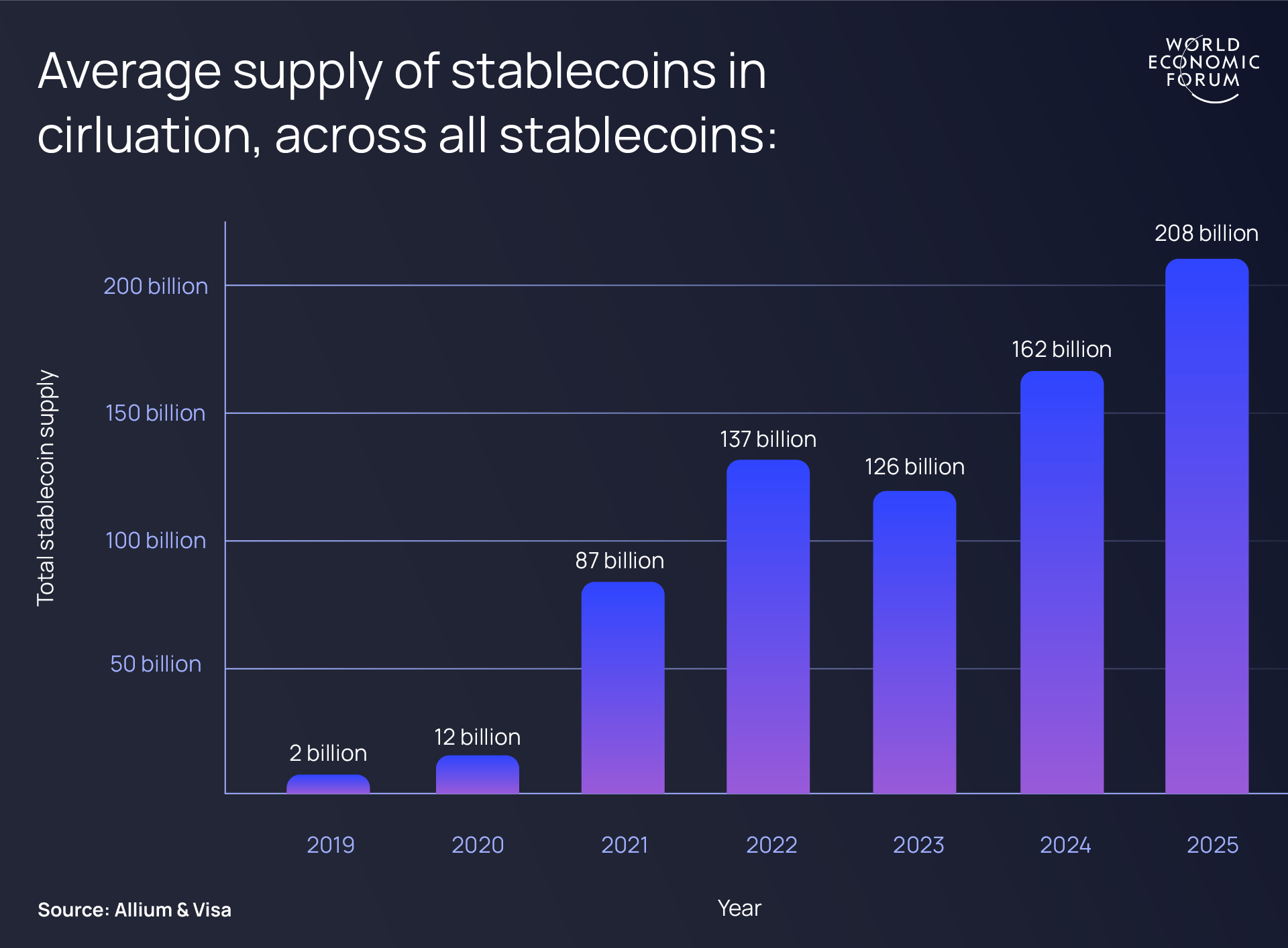
The stablecoin market has witnessed unprecedented growth, with its current landscape predominantly featuring Tether, which leads the charge with nearly $187 billion in tokens circulating globally. Yet, despite their impressive market caps, the application of stablecoins has largely been restricted to cryptocurrency trading. This limited scope poses a challenge to banks like Barclays, which are contemplating the potential of stablecoins as tools for broader financial transactions. By investing in the infrastructure that supports these digital assets, Barclays is strategically positioning itself to capitalize on the inevitable maturation of the stablecoin market.
As discussions around the utility of stablecoins continue, it is crucial to address the market trends that will shape their future development. With innovations such as Ubyx emerging to streamline stablecoin transactions, there is potential for these assets to transition from their current niche and become more widely accepted for general business settlements. This evolution could open the door to new financial products, enhancing how consumers and businesses engage with digital currencies across different economies.
Institutional Interest in Cryptocurrency: A Growing Phenomenon
Barclays’ venture into the stablecoin ecosystem signifies a broader rekindling of institutional interest in cryptocurrency. As the digital asset market rebounds, major banks and financial institutions are no longer merely observers but active participants looking to leverage blockchain advantages. The shift is often attributed to favorable political climates and increased regulatory clarity that have emboldened banks to explore innovative models, including participation in stablecoin projects.
With giants like Barclays investing in stablecoin infrastructure, it signals a crucial turning point for the financial sector. As institutions cautiously experiment with blockchain technology, the momentum is likely to continue as financial entities recognize the transformative potential of digital currencies. The increasing prevalence of institutional investment not only enhances market credibility but also fuels competition, consequently leading to advancements in stablecoin technology and applications.
Evaluating the Risks and Rewards of Stablecoin Integration
Incorporating stablecoins into traditional finance systems undoubtedly presents a mix of risks and rewards. For banks like Barclays, the integration process involves assessing operational challenges associated with adopting new technologies alongside ensuring compliance with regulatory frameworks. The volatility associated with cryptocurrencies, while less pronounced in stablecoins, still necessitates thorough scrutiny in terms of how these assets can be utilized within banking operations.
However, the potential rewards are substantial. Should stablecoins gain traction as a means of everyday transactions or international settlements, institutions positioned to harness their capabilities will likely benefit from expanded service offerings. As banks evaluate the long-term viability of stablecoin projects such as that of Ubyx, the delicate balancing act between innovation and risk management will remain at the forefront of strategic initiatives.
The Future of Banking with Stablecoins
Looking ahead, the future of banking as influenced by stablecoins could reshape financial interactions significantly. As institutions like Barclays nurture their relationships with firms like Ubyx, there is a growing vision of integrated financial ecosystems where stablecoins facilitate seamless transactions across borders. As the technology matures, banks may find innovative ways to capitalize on the efficiency of stablecoins, moving from mere investors to active adopters of this financial revolution.
The implications of successful stablecoin integration are profound. By acting as conduits for digital currency within traditional frameworks, banks can not only modernize their service offerings but also enhance customer experiences. As stakeholders in the financial industry prepare to adapt to the inevitable changes brought about by stablecoins, proactive measures will be essential to leveraging new technologies while maintaining the stability and compliance of established financial systems.
Barclays and the Strategic Importance of Partnership in Crypto
Barclays’ partnership with Ubyx underscores the strategic importance of collaboration in the evolving landscape of cryptocurrencies and stablecoins. By aligning with entities that specialize in infrastructure development, Barclays ensures that it remains relevant in an increasingly digital financial environment. This approach not only mitigates risks associated with in-house innovation but also accelerates the bank’s entry into the digital asset market.
Partnerships like that of Barclays and Ubyx serve as models for how traditional financial institutions can navigate the complexities of cryptocurrency. Such alliances foster a collaborative spirit that can drive innovation while adhering to regulatory standards. Moreover, as other banks follow suit, we could witness a surge in cooperative efforts that can lead to more robust and globally integrated stablecoin networks, facilitating smoother transactions and broader acceptance.
Implications for Future Financial Services with Stablecoins
The implications of stablecoin investments for future financial services are profound. As institutions such as Barclays delve deeper into the stablecoin realm through strategic partnerships, they are likely to pioneer new financial products that incorporate these digital assets. This could encompass everything from enhanced payment systems to agile investment vehicles that leverage the stability of pegged currencies, ultimately transforming how consumers and businesses transact.
Moreover, the stability and compliance associated with regulated tokenized money can redefine trust in digital currencies. As stablecoins become more integrated into traditional systems, they may serve as a bridge that not only broadens access to financial services but also fosters inclusivity in a global economy. The evolution of financial services powered by stablecoins presents an opportunity for banks to innovate while meeting the regulatory standards necessary for stability and growth.
Frequently Asked Questions
What is Barclays’ approach to stablecoin investment with Ubyx?
Barclays has entered the stablecoin investment space by investing in Ubyx, a settlement firm that focuses on creating stablecoin infrastructure. This investment signifies Barclays’ strategic move towards supporting regulated tokenized money rather than issuing its own stablecoin.
How does Ubyx contribute to the stablecoin market trends?
Ubyx plays a crucial role in stablecoin market trends by acting as a clearing and settlement layer for stablecoins, enabling more seamless transactions between different stablecoin providers. This aims to enhance interoperability within the fragmented stablecoin ecosystem.
What are the implications of Barclays investing in Ubyx for digital currency?
By investing in Ubyx, Barclays is signaling a commitment to exploring blockchain-based payment systems and supporting the overall infrastructure of digital currencies. This move highlights the potential for regulated tokenized money to integrate into traditional finance.
How does Barclays support tokenized money compliance through Ubyx?
Barclays emphasizes regulatory compliance through its partnership with Ubyx, aligning its stablecoin investment strategy with a focus on developing tokenized money frameworks that operate within existing regulations. This approach seeks to navigate the complexities of compliance in the digital asset landscape.
Why is the stability of the stablecoin clearing system important for Barclays?
The stability of stablecoin clearing systems is essential for Barclays as it underpins their interest in the broader adoption of stablecoins. By investing in Ubyx, Barclays aims to target the infrastructure that ensures reliable and compliant transactions in a rapidly evolving stablecoin market.
What role does Barclays see for stablecoins in future financial transactions?
Barclays views stablecoins as a potential bridge between traditional finance and blockchain technologies, especially for cross-border transactions and settlements. Their investment in Ubyx highlights a strategy to facilitate greater adoption and security in future financial dealings.
How does Barclays’ investment in Ubyx reflect current market dynamics in the stablecoin sector?
Barclays’ investment in Ubyx reflects current market dynamics by responding to the resurgence of institutional interest in stablecoins and the increasing acceptance of digital currencies within regulated frameworks. This move positions Barclays as a key player in the evolving landscape of tokenized assets.
What does the partnership between Barclays and Ubyx mean for the future of stablecoin regulation?
The partnership between Barclays and Ubyx signals a proactive approach towards establishing regulatory standards for stablecoin operations. It aims to support the development of compliant tokenized money systems, which may influence future regulatory frameworks within the stablecoin market.
| Key Points | Details |
|---|---|
| Barclays Investment | Barclays has invested in Ubyx, a US-based settlement firm that reconciles stablecoins from various providers. |
| Focus on Regulation | The investment is part of Barclays’ strategy to support regulated tokenized money rather than creating its own stablecoin. |
| Ubyx Functionality | Ubyx serves as a clearing and settlement layer that enhances interoperability among stablecoins. |
| Market Dynamics | The stablecoin market is dominated by Tether; most stablecoins are primarily used for cryptocurrency trading. |
| Institutional Interest | Barclays’ investment reflects a resurgence of interest from institutions in cryptocurrencies and blockchain technology. |
| Regulatory Collaboration | Barclays emphasizes compliance and collaboration with regulatory frameworks while exploring new tokenized assets. |
Summary
Barclays stablecoin investment marks a significant step for the bank into the digital currency landscape by supporting the infrastructure around stablecoins through its investment in Ubyx. This strategic move reflects Barclays’ commitment to participating in a regulatory-compliant manner within the evolving financial sector. As regulatory clarity increases, Barclays aims to leverage the potential of stablecoins to bridge traditional finance with emerging blockchain technologies. Their focus on Ubyx highlights the importance of building a reliable clearing and settlement infrastructure that could facilitate broader acceptance and integration of stablecoins into mainstream financial practices.
Related: More from DeFi & Stablecoins | Alchemy USDC Payment for Autonomous AI Agents | Japan Builds Yen Stablecoin Rails for Tokenized Finance