
Title: Bank of Korea Highlights Risks of Stablecoin Depegging, Advocates for Stronger Banking Oversight
Key Takeaways
Date: [Today’s Date]
In a recent statement, the Bank of Korea (BOK) issued a stark warning about the risks associated with stablecoins, particularly focusing on the dangers of depegging. The central bank has emphasized the necessity for greater involvement of traditional banks in the management and oversight of stablecoins, a class of cryptocurrency designed to maintain a stable value relative to a specified asset, typically a fiat currency like the U.S. dollar.
Stablecoins: Purpose and Pitfalls
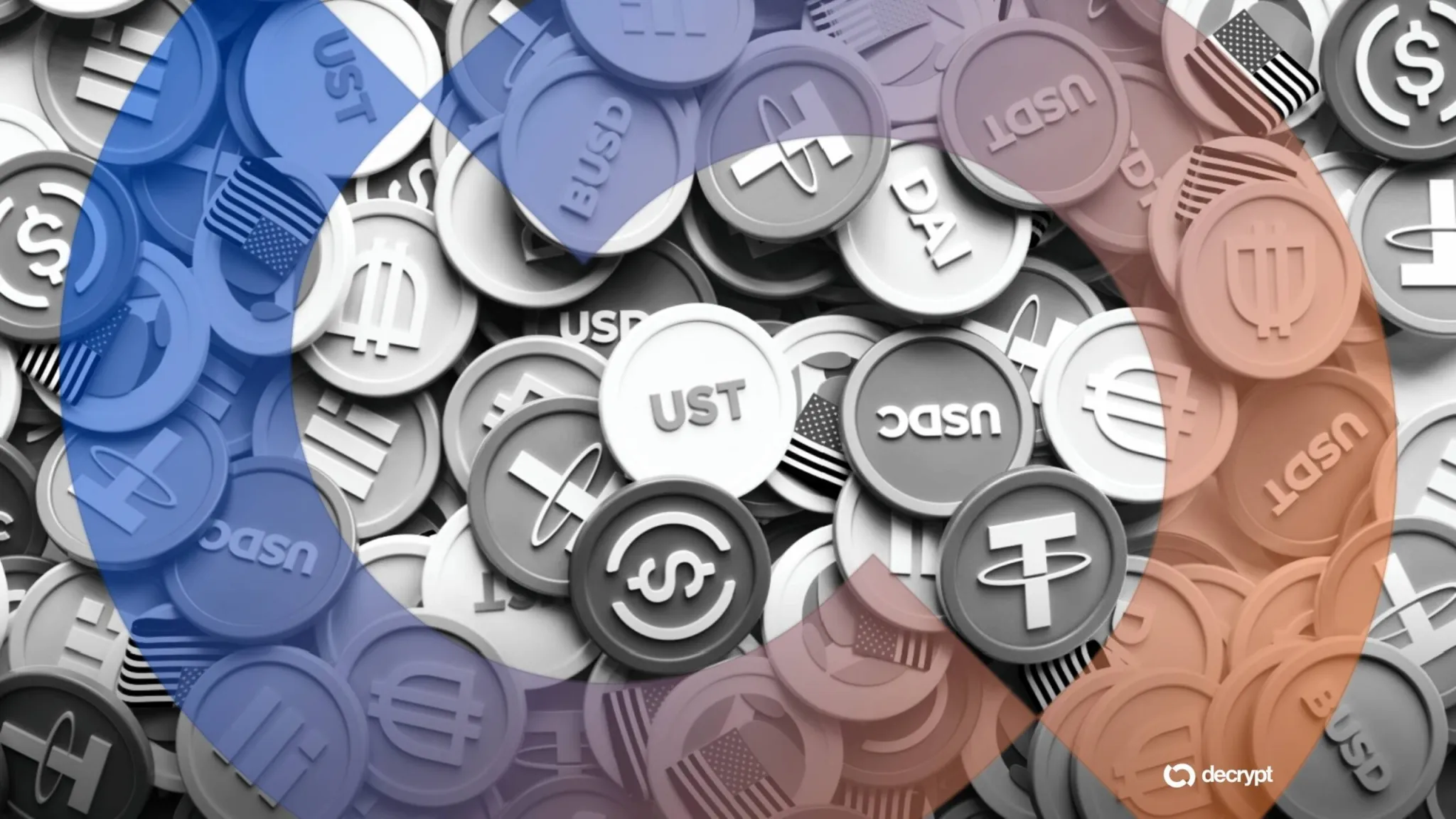
Stablecoins are intended to combine the best aspects of both worlds: the instant processing and security of payments of cryptocurrencies, and the volatility-free stable valuations of fiat currencies. They are often pegged to stable assets such as the USD, EUR, or even gold. However, maintaining a stable peg requires sophisticated mechanisms, including the maintenance of adequate reserves.
The concern over stablecoin stability arises from recent events where certain cryptocurrencies have experienced severe depegging incidents. This destabilization harms users relying on their supposedly stable value and can trigger widespread financial disruption, especially in markets where cryptocurrencies are deeply integrated.
Bank of Korea’s Perspective
According to the BOK’s recent analysis, while stablecoins play a promising role in the financial landscape by facilitating faster remittances and reducing transaction costs, they are not devoid of financial risk. The central bank specifically pointed out the June 2022 incident when a major stablecoin momentarily lost its peg to the dollar, igniting short-term yet significant financial panic.
To mitigate such risks, the Bank of Korea advocates a model where traditional banks play a pivotal role in the issuance and regulation of stablecoins. The BOK suggests that banks, with their established infrastructure, operational experience, and regulatory frameworks, are well-positioned to ensure the stability of stablecoins. By potentially taking charge of maintaining the necessary reserves and overseeing the operational mechanisms, banks could lend their credibility and ensure greater trust among the general public and investors alike.
Global Perspective and Regulatory Shifts
The BOK’s stance is part of a broader shift toward tighter regulation observed around the globe. Financial authorities in various countries are beginning to scrutinize the rapidly growing crypto sector more critically, particularly in the wake of high-profile collapses and volatility incidents involving cryptocurrencies and their derivatives.
Central banks and financial regulatory bodies argue that the integration of stablecoins with the conventional banking sector could lead to more robust financial systems, given banks’ adherence to stringent regulatory standards. This integration could also address anti-money laundering (AML) concerns and the need for comprehensive know-your-customer (KYC) protocols, improving the security and credibility of digital transactions.
Challenges Ahead
While the proposed shift to have banks lead the issuance and management of stablecoins could enhance stability and trust, it is not devoid of challenges. The crypto industry has thrived in part due to its decentralized nature, and a move towards bank-led oversight might face resistance from blockchain purists and innovators. Moreover, aligning blockchain technology’s transparency and open-source ethos with the typically more opaque operations of traditional banks could present cultural and operational challenges.
Conclusion
The Bank of Korea’s warning highlights significant concerns regarding the sustainability and stability of stablecoins, advocating for a measured approach that involves substantial contributions from established financial institutions. As the digital currency landscape continues to evolve, close attention to these developments will be paramount for those invested in the future of finance. The balance between innovation in the crypto space and the stability offered by traditional banking could define the trajectory of monetary transactions in the coming years.
Related: More from DeFi & Stablecoins | Ripple Firm Handles Over $100M Stablecoin Volumes | JP Morgans Dimon: Stablecoin Issuers Paying Interest Should Be Regulated as Banks