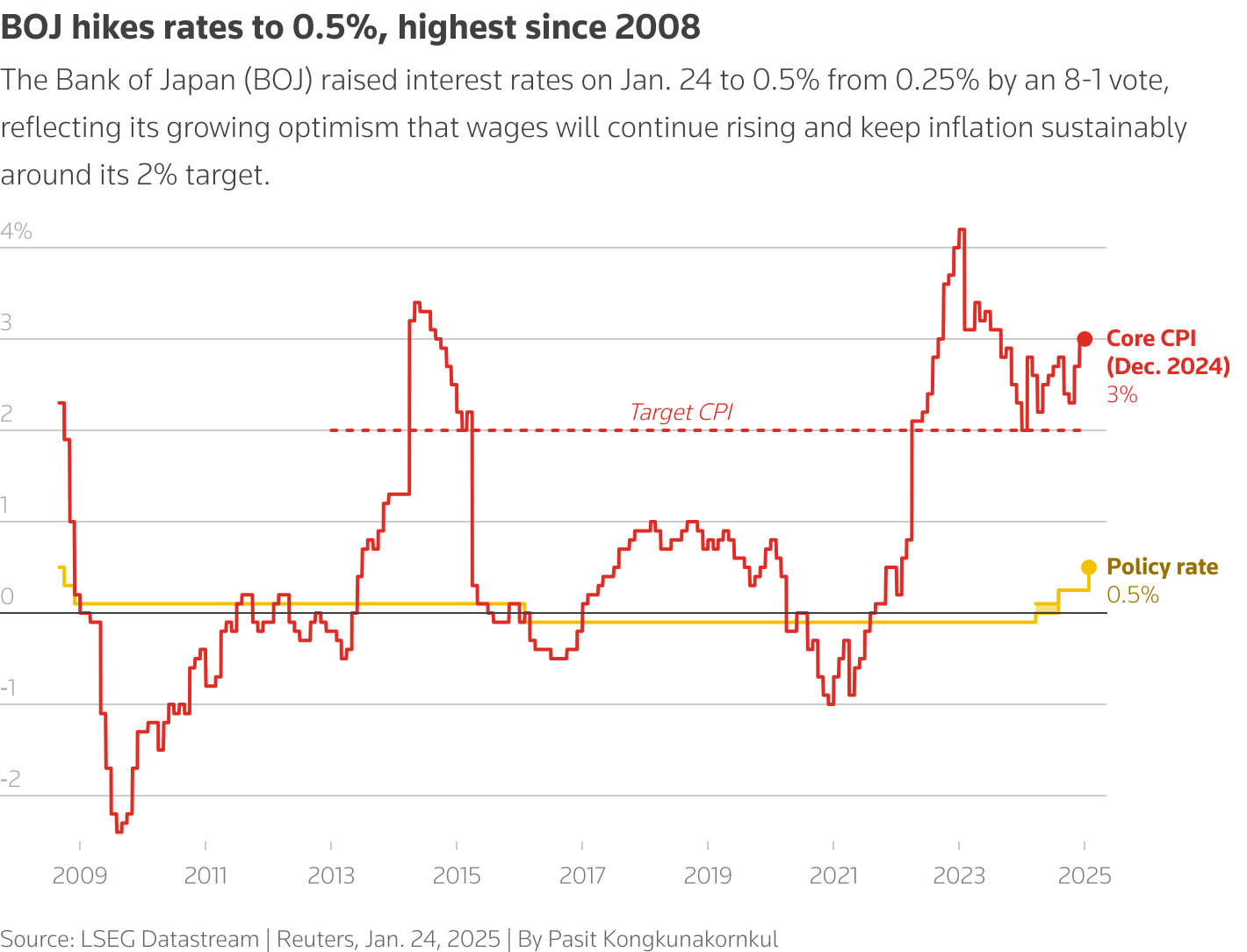

The Bank of Japan is preparing to make a significant shift in its monetary policy by raising interest rates as early as this December, a move that could mark the highest levels in nearly three decades. As discussions unfold during the upcoming Bank of Japan policy meeting, market observers are keenly anticipating how this Japan interest rate increase will affect the larger Japan economy forecast. With current interest rates in Japan poised for adjustment, indications suggest that about 90% of traders foresee a rate hike is imminent, unless unforeseen economic shocks occur. Notably, the potential for a Bank of Japan rate hike is seen as a response to improving corporate profits and the economic landscape shaped by U.S. tariffs. As officials weigh their options carefully, the implications of this policy shift will resonate throughout both domestic and global markets.

In recent discussions, the Japanese central bank has hinted at a pivotal moment in its approach to monetary policy, particularly concerning its interest rate strategy. The anticipated adjustment in the benchmark rate is not just an isolated incident; it reflects broader economic trends and pressures influencing the financial landscape of Japan. With speculations around a monetary tightening movement gaining traction, many analysts are exploring the potential consequences of such a significant Japan interest rate elevation. As the Bank of Japan prepares for its imminent policy meeting, stakeholders and investors alike are focusing on how these shifts will impact future economic activities and forecasts for the nation’s financial stability. Navigating the complexities of these adjustments presents opportunities and challenges within the evolving Japan economy.
Bank of Japan Interest Rates: A Turning Point for the Economy
The Bank of Japan is poised to implement a significant interest rate hike this December, marking a historic moment for the country’s economic landscape. With rates expected to reach levels not seen since 1995, this move signifies a departure from the long-held ultra-loose monetary policy that has characterized Japan’s economy for decades. Economists and market analysts are closely monitoring this development, recognizing it as a potential pivot point that could reshape consumer behavior, business investment, and overall economic momentum. This policy shift is driven by a robust economic outlook, suggesting that the Bank of Japan feels confident enough to initiate adjustments to borrowing costs that align with both domestic and global trends.
As the anticipation builds for this pivotal policy meeting, the focus remains on how the Japanese central bank will communicate its strategy regarding future rate increases. Market participants are actively speculating on the likelihood of additional hikes beyond this initial adjustment, which could further influence Japan’s interest rate framework. The consensus among traders is strong, with an estimated 90% probability of rate increases this month, reflecting heightened economic confidence amid rising corporate profits and shifting consumer patterns.
With these changes, the potential impacts on various sectors of the economy cannot be overlooked. A higher Bank of Japan interest rate can lead to increased borrowing costs, affecting everything from home loans to corporate financing, which can subsequently influence consumer spending and business investment strategies. While many Japanese businesses are currently enjoying better profit margins, the question remains whether these firms will be able to pass on the higher costs to consumers, or if they will need to absorb them to maintain competitiveness in an increasingly global market. This balancing act will be crucial as the Bank of Japan moves forward with its rate hike plans.
Japan Interest Rate Increase: Implications for Consumers and Businesses
The anticipated interest rate increase by the Bank of Japan is likely to have a profound effect on consumers across Japan. As borrowing costs rise, families may find it more challenging to secure affordable financing for significant purchases such as homes and vehicles. This could dampen consumer confidence and spending, a critical driver of Japan’s economic growth. Additionally, as the cost of loans increases, consumers may be more inclined to save rather than spend, further impacting retail and service sectors that rely heavily on consumer expenditure.
Furthermore, the Bank of Japan’s interest rate policy will affect business sentiment and investment decisions. Companies might reconsider expansion plans or delay capital investments if they foresee rising interest payments eating into profitability. Conversely, businesses with robust financial positions may take advantage of the situation to consolidate their market positions before the full effects of a higher interest rate environment set in.
Higher interest rates also signify a shift in the monetary policy landscape, which could encourage foreign investment and strengthen the yen if perceived positively by international markets. However, Japanese exporters may face headwinds if a strengthened yen makes their products more expensive abroad, complicating the already complex dynamics of trade in a post-pandemic economy. Ultimately, the ripple effects of the upcoming rate increases will be felt across various sectors, necessitating a careful monitoring of both domestic and international market responses.
Bank of Japan Policy Meeting: What to Expect
As the Bank of Japan prepares for its upcoming policy meeting, stakeholders eagerly await insights into its monetary strategy and broader economic forecasts. The current economic environment presents both challenges and opportunities for the central bank as it weighs the timing and magnitude of interest rate increases. Investors are particularly interested in any statements regarding the potential for future hikes, as well as comments on Japan’s growth trajectory in light of external factors such as U.S. tariffs and global economic conditions.
Moreover, the Bank of Japan’s communication strategy during this meeting will play a crucial role in shaping market expectations. By clearly outlining its rationale for the rate hike and the anticipated economic response, the bank can foster a sense of stability and predictability within financial markets. Such explicit guidance is essential for maintaining investor confidence and mitigating volatility in currency and bond markets.
The implications of the Bank of Japan’s policy decisions extend beyond domestic interest rates; they can influence regional and global economic dynamics as well. As one of the world’s leading economies, changes in Japan’s monetary policy can reverberate across financial markets, impacting everything from currency valuations to trade flows. Therefore, the insights gained from this policy meeting will be scrutinized not only by Japanese stakeholders but also by global investors keen to understand the Bank of Japan’s commitment to addressing inflation and stimulating sustainable economic growth.
Japan Economy Forecast: Navigating Uncertainty
The latest economic forecasts for Japan paint a complex picture as the nation prepares for a possible interest rate hike. Analysts observe that while there are signs of recovery, influenced by higher corporate profits and a stable employment landscape, uncertainties loom in the form of trade disruptions and inflationary pressures globally. The Bank of Japan’s ability to navigate these challenges will be critical in determining the success of its anticipated policy adjustments. The forecast suggests that while there is potential for growth, it is essential to remain cautious in light of external shocks that could impede progress.
Moreover, with global economic conditions rapidly evolving, the Bank of Japan must account for the broader implications of its policies. A proactive approach to adjusting interest rates could bolster Japan’s economy against external volatility while stimulating local growth. However, analysts caution that if rates are raised too quickly, it could also stifle the burgeoning recovery, highlighting the delicate balance the Bank of Japan must strike as it charts the future course for the economy.
Strategically positioning itself within the context of both local and international economic developments will be key for the Bank of Japan. As such, the central bank may reach out to policymakers and business leaders to glean a better understanding of current economic conditions and sentiments. Collaboration between the Bank of Japan and other governmental agencies will allow for more coordinated efforts to address economic challenges, boost consumer confidence, and ensure sustainable growth moving forward.
Current Interest Rates Japan: Setting the Stage for Growth
As the Bank of Japan gears up for its December meeting, the focus remains on the current state of interest rates in Japan and how they might shift in the near future. Currently, interest rates are historically low, a trend that has persisted for years in an effort to spur economic activity. However, the proposed adjustments reflect an emerging consensus that the time has come for rates to rise in response to improved economic indicators and inflationary pressures. This evolution in policy could signal a new era for Japan’s financial landscape, with both risks and rewards for consumers and businesses alike.
The current low interest rates have undoubtedly played a pivotal role in supporting economic recovery by encouraging borrowing and spending. Nevertheless, as rates are poised to climb, it is crucial for consumers and businesses to adopt a forward-looking perspective. Understanding the implications of rising rates on their financial health and investment strategies will be vital as Japan transitions to a more normalized interest rate environment, emphasizing the importance of strategic financial planning.
Additionally, the Bank of Japan’s decision to raise interest rates will serve as a critical test of its long-term economic strategy. By moving away from an extended period of low rates, the Bank aims to foster greater economic stability while balancing the need for gradual adjustments. For many, the current interest rates in Japan serve as a clear signal of both opportunity and caution, requiring careful consideration of the economic landscape ahead.
Frequently Asked Questions
What is the current Bank of Japan interest rates outlook?
As of December 2025, the Bank of Japan is expected to raise interest rates, with projections indicating that rates could reach a 28-year high. This increase is part of a strategy to react to ongoing economic conditions, including high corporate profits and the effects of U.S. tariffs.
How will the Bank of Japan rate hike affect the Japan economy forecast?
The upcoming rate hike by the Bank of Japan is anticipated to positively impact the Japan economy forecast, as it signals confidence in sustained economic growth. However, the central bank is cautious about the levels of increases to ensure they do not excessively cool the economy.
When will the Bank of Japan hold its policy meeting regarding interest rates?
The Bank of Japan is scheduled to hold a significant policy meeting later this month, where official decisions on the interest rates will be made based on current economic assessments.
What factors influence the Japan interest rate increase decision?
The decision for a Japan interest rate increase is influenced by several factors, including inflation rates, corporate profits, wage growth potential, and the overall economic outlook. The Bank of Japan assesses these elements to determine the appropriate timing and magnitude of rate hikes.
How does the Bank of Japan determine neutral interest rates?
The Bank of Japan estimates that the neutral interest rate, which neither stimulates nor cools the economy, lies within a range of 1% to 2.5%. This estimation is crucial for calibrating future interest rate policies.
What are the potential implications of the Bank of Japan policy meeting outcomes?
Outcomes from the Bank of Japan policy meeting could lead to a series of interest rate hikes, signaling a shift towards a more sustainable economic environment. This could affect borrowing costs and business investments across Japan.
How has market speculation influenced current interest rates Japan?
Market speculation currently suggests a 90% chance of an imminent interest rate increase from the Bank of Japan, influenced by economic indicators such as corporate profits and wage growth, which play a pivotal role in shaping investor expectations.
Why is a Bank of Japan rate hike significant?
A Bank of Japan rate hike is significant as it marks a departure from years of ultra-low interest rates, reflecting a positive economic trajectory. Such a move is intended to balance growth and inflation control in the Japanese economy.
| Key Point | Details |
|---|---|
| Interest Rate Hike | Bank of Japan plans to raise interest rates at an upcoming policy meeting in December. |
| Highest Level Since 1995 | The anticipated increase will bring Japan’s policy rate to its highest level in 28 years. |
| Economic Outlook | The Bank of Japan’s decision is based on a more favorable economic outlook influenced by sustained high corporate profits and the impacts of U.S. tariffs. |
| Market Expectations | Traders estimate a 90% chance of a rate hike occurring this month. |
| Neutral Interest Rate | The Bank of Japan considers a neutral interest rate range of 1% to 2.5% to evaluate the economy’s reaction to rate changes. |
| Future Rate Increases | Officials suggest they will continue raising rates cautiously, depending on the economic response to previous hikes. |
Summary
The Bank of Japan interest rates are set to be raised in December, marking a significant milestone in Japan’s monetary policy, as this adjustment will push rates to the highest level seen since 1995. The decision comes amid an enhanced economic outlook characterized by increasing corporate profits and the effects of global trade dynamics. Market predictions suggest a strong likelihood of this rate hike, with traders highlighting a 90% chance for it to occur this month. With a proactive approach to economic monitoring, the Bank of Japan aims to navigate future rate increases carefully, ensuring that borrowing costs remain at neutral levels that neither stimulate nor contract economic growth.