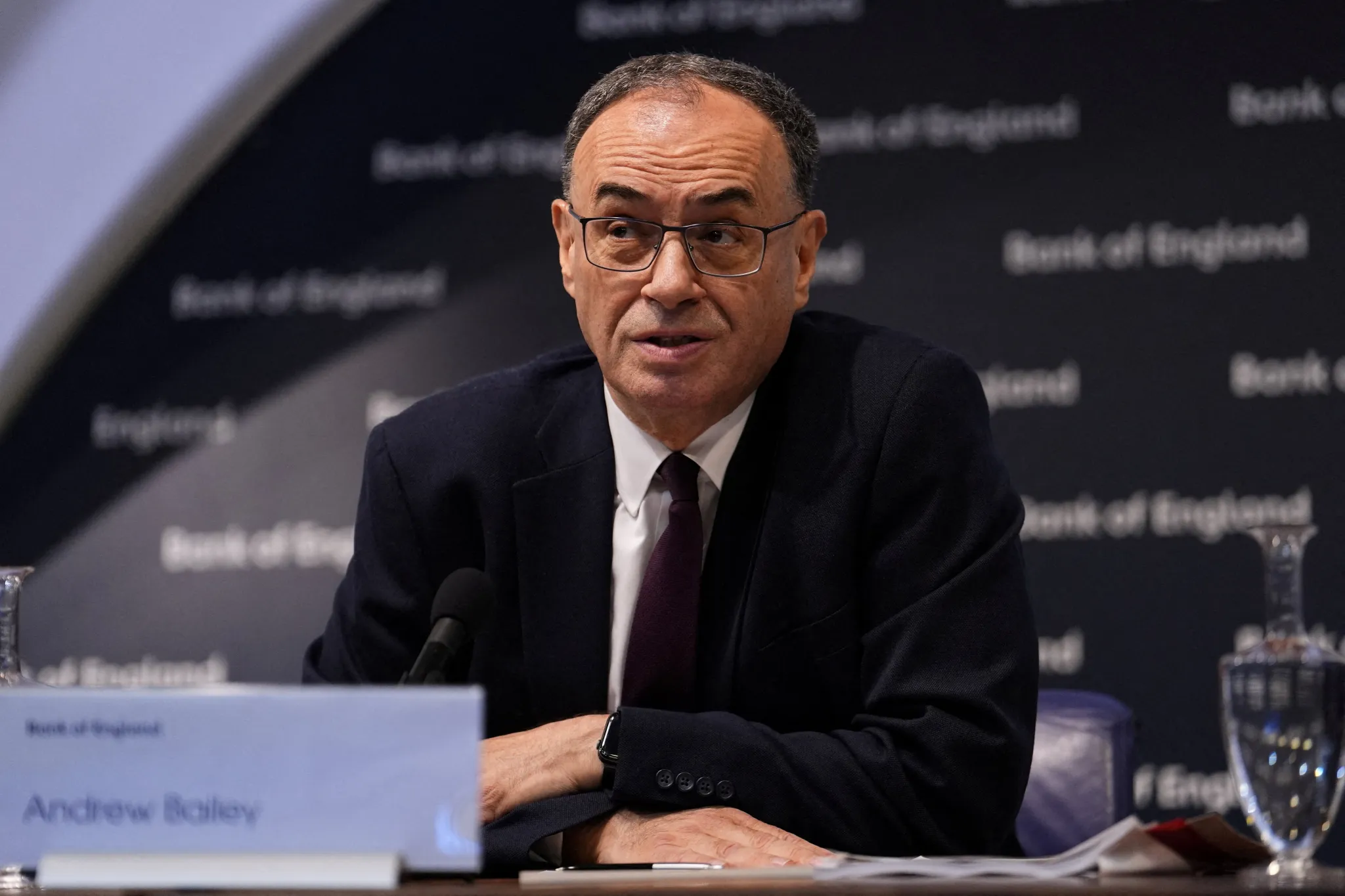

In a recent statement, the Governor of the Bank of England highlighted the critical need for stablecoin access to central bank accounts, marking a significant shift in the conversation surrounding digital currencies. As the financial landscape evolves, stablecoins—cryptocurrencies pegged to stable assets like fiat currencies—are gaining traction for their potential to enhance the efficiency of payments and financial transactions.
Historically, central banks have maintained a cautious stance towards cryptocurrencies, primarily due to concerns over volatility and regulatory challenges. However, the rise of stablecoins presents an opportunity to bridge the gap between traditional finance and the burgeoning digital economy. The Governor emphasized that by allowing stablecoins access to central bank accounts, financial stability could be improved, and the benefits of digital currencies could be harnessed without compromising regulatory oversight.
This move could facilitate smoother transactions for businesses and consumers alike, potentially reducing transaction costs and increasing the speed of payments. Furthermore, it would enable central banks to better monitor and manage the implications of stablecoins on monetary policy and financial stability.
As discussions around digital currencies continue to unfold, the Bank of England’s proactive stance could serve as a model for other central banks worldwide. By embracing innovation while ensuring robust regulatory frameworks, central banks can navigate the complexities of the digital currency landscape effectively.
Related: More from DeFi & Stablecoins | BitMart Rainbow Launch: What You Need to Know About RNBW Trading | crvUSD Stability: Examining the Impact on Crypto’s Future