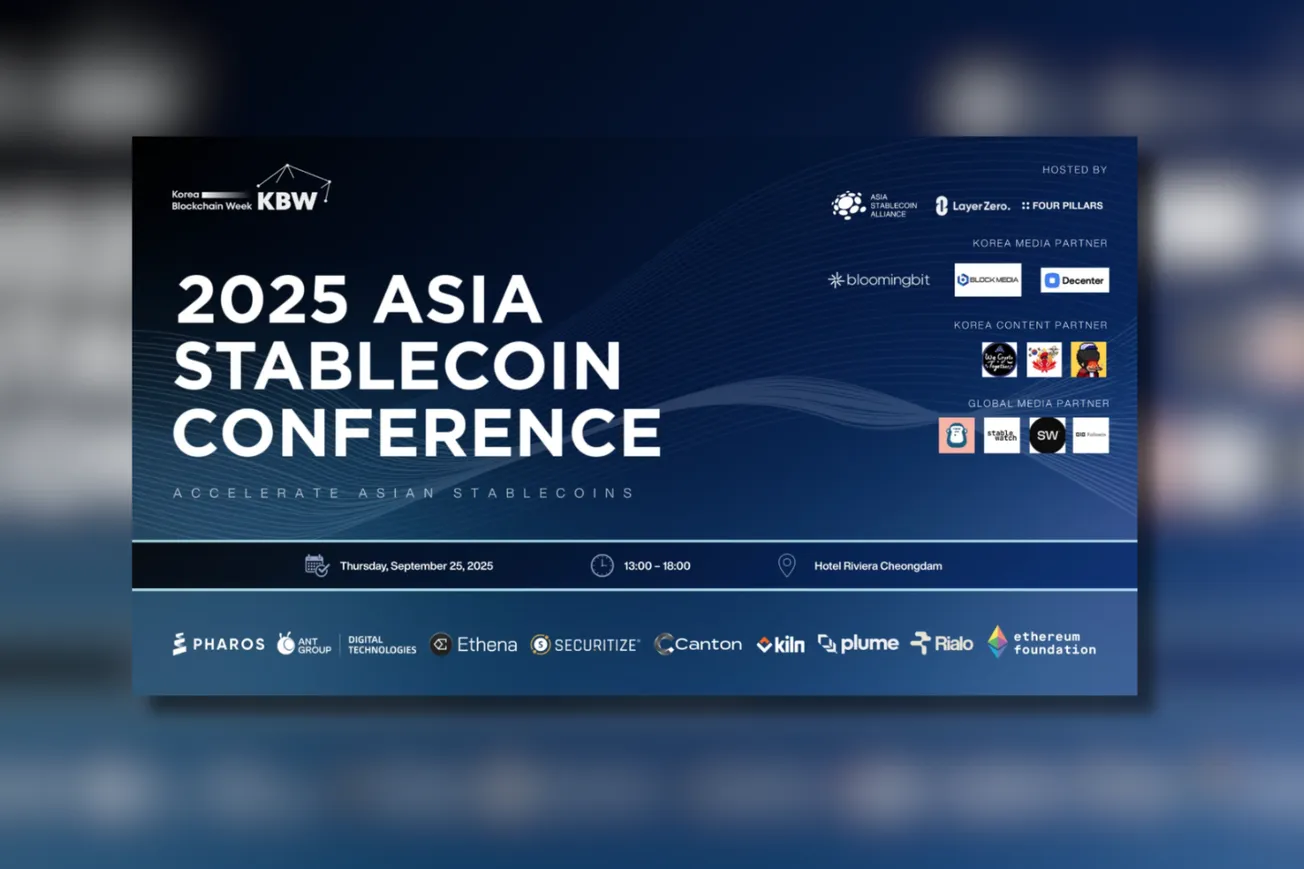

Asia stablecoin development is emerging as a crucial player in the global economy, challenging the long-standing dominance of dollar-pegged tokens. With nations like Hong Kong, South Korea, and Japan leading the charge, the region is establishing a robust stablecoin infrastructure that caters to local needs and financial autonomy. This strategic shift not only aims to provide alternatives to U.S. dollar centrality but also seeks to create a regulated framework that facilitates seamless digital currency transactions across borders. As Asia maneuvers to redefine the landscape of digital currencies, it is setting the stage for a new era of monetary sovereignty and regional commerce. In this competitive environment, understanding Asia’s stablecoin initiatives will be vital for stakeholders navigating the evolving financial ecosystem.
The evolution of digital currencies across Asia is swiftly gaining momentum, crafting a narrative that pivots away from traditional dollar reliance. The development of localized stablecoins reflects a strategic imperative among Asian nations to enhance their financial independence and adapt to a multipolar monetary environment. By fostering regulated frameworks tailored to domestic economies, countries are preparing to meet the increasing demand for reliable digital payment solutions. As these innovations take root, they promise to reshape regional trade and cross-border transactions, positioning Asia at the forefront of the digital currency movement. This transformative period signals a potential shift in the global financial hierarchy, urging industry participants to recognize and adapt to the emerging landscape.
Asia’s Stablecoin Development: A New Frontier
Asia is rapidly advancing its stablecoin development, creating a powerful alternative to the dollar-centric digital currency landscape. With nations like Hong Kong, South Korea, Japan, and Singapore establishing robust regulatory frameworks, they are crafting a comprehensive stablecoin infrastructure that can compete on a global scale. This movement aims for more than just market share; it is about creating regionally relevant solutions that embody financial autonomy for Asia. As these nations coordinate their efforts, they send a clear message that the days of relying solely on dollar-pegged tokens may be numbered.
In this volatile environment, Asian countries are focused on harnessing the potential of stablecoins to facilitate trade and transactions while ensuring compliance with local laws. This proactive approach contrasts starkly with Western nations, which appear slow to adapt to the rapid advancements taking place. By prioritizing the development of local currencies in the issuance of stablecoins, Asian nations are setting the stage for a significant shift in the global financial landscape.
The Regulatory Framework for Stablecoins in Asia
The development of a regulatory framework for stablecoins across Asia is crucial for ensuring their success and adoption. Each country is taking unique steps to create oversight mechanisms tailored to its economic landscape, thus laying down the groundwork for a stable yet dynamic financial ecosystem. For instance, Hong Kong has implemented a Stablecoins Ordinance that requires entities engaging in stablecoin activities to acquire licenses and implement anti-money laundering measures, ensuring consumer protection and financial security.
Similarly, South Korea and Japan are also crafting regulations that align with their national priorities. With clear guidelines established, businesses operating within these jurisdictions can innovate without fear of regulatory penalties. This proactive adoption of regulations not only assures market participants but also invites international investors to engage with Asia’s burgeoning stablecoin market, facilitating cross-border transactions and regional trade.
Regional Trade and Financial Autonomy Through Stablecoins
Asia’s development of stablecoins is primarily focused on enhancing regional trade and achieving financial autonomy. By creating stablecoins pegged to local currencies, Asian nations seek to facilitate smoother transactions within Asia, thus reducing the region’s reliance on dollar-denominated exchanges. This is particularly significant for countries that have historically faced challenges related to currency exchange rates when engaging in international trade.
Moreover, as stablecoins become more ingrained in day-to-day transactions and commerce, Asian economies stand to benefit from increased confidence in their financial systems. This not only empowers businesses but also offers consumers more reliable options that are better tailored to their economic realities. In fostering an environment where digital currencies can thrive independently of Western dominance, Asia is expected to grow its economic resilience and increase its leverage in the global marketplace.
The Impact of Dollar Dominance on Asia’s Stablecoin Strategy
The prevalence of dollar dominance in international trade has long posed challenges for Asian economies, often limiting their financial sovereignty. As Asia embarks on building its stablecoin infrastructures, it aims to mitigate the negative impacts of dollar dependency. By developing regional stablecoins, Asian nations can facilitate transactions that bypass the need for dollar conversion, thus fostering a more stable and autonomous economic environment.
Additionally, as Asian stablecoins gain traction, there will likely be a shift in global financial dynamics. Countries may start prioritizing the use of these local digital currencies over USD in diplomatic trade agreements and bilateral discussions, ultimately diminishing the dollar’s historical stronghold. This shift will not only empower Asia but could also lead to a reevaluation of the global financial landscape as nations seek to establish currency systems that prioritize their local economic interests.
Digital Currencies in Asia: Beyond Stablecoins
The conversation surrounding digital currencies in Asia extends far beyond just stablecoins. Countries in the region are exploring Central Bank Digital Currencies (CBDCs) and other forms of digital assets as part of their broader digital transformation agendas. The emergence of these currencies is not just about innovation; it represents a strategic pivot towards building a comprehensive digital economy that can operate independently of Western financial systems.
As competition among Asian countries to lead in digital currency innovation heats up, the focus is increasingly on collaboration and interoperability between different digital assets. This goes hand in hand with the development of regulatory frameworks that facilitate innovation while also protecting consumers. By investing in diverse digital currency solutions, Asia is poised to redefine its economic narrative and reshape the future of finance globally.
Leveraging Technology for Stablecoin Infrastructure
Asia’s approach to stablecoin infrastructure emphasizes the importance of leveraging cutting-edge technology. From blockchain innovations to robust security protocols, Asian nations are utilizing various technological advancements to create a stable and efficient network for their digital currencies. By integrating advanced technologies, governments and businesses can enhance transaction speed, reduce costs, and improve user experiences in digital payments.
Moreover, the emphasis on technology is not limited to financial transactions. Asian economies are also focusing on the use of smart contracts and decentralized finance (DeFi) applications that complement stablecoin usage. These innovations are designed to ensure that users can engage in seamless transactions without encountering the bottlenecks often associated with traditional banking systems. In doing so, Asia is setting itself up as a model for future financial solutions that could revolutionize global commerce.
The Geopolitical Implications of Asia’s Stablecoin Movement
The rise of Asia’s stablecoin development carries significant geopolitical implications as well. As Asian nations advance their stablecoin infrastructures, they are not only enhancing their financial systems but also positioning themselves as emerging powers on the world stage. This transition could lead to greater regional cooperation and integration, with the potential to reshape international relations in the process.
In the face of increasing economic interdependence, the success of Asian stablecoins could challenge existing power dynamics, particularly in how financial flows are governed and controlled. As the narrative shifts towards more autonomous financial systems, it will be critical for Western nations to re-evaluate their strategies and regulatory approaches to remain competitive and relevant in an evolving global economy.
Adoption Challenges for Stablecoins in Asia
Despite the promising advancements in Asia’s stablecoin initiatives, several challenges remain in achieving widespread adoption. One of the most significant obstacles is public trust. Many consumers and businesses continue to harbor skepticism towards digital currencies, largely due to concerns about security, volatility, and regulatory stability. To encourage broader acceptance, education and awareness campaigns will be essential to demystify stablecoins and highlight their benefits.
Additionally, the interoperability of different stablecoins presents a challenge in maximizing their potential. As various Asian countries develop their independent stablecoin systems, it will be crucial to establish frameworks that allow these currencies to communicate and transact seamlessly with one another. Addressing these challenges is vital for fostering a stable and inclusive financial environment that encourages the use of stablecoins as a mainstream currency option.
Future Outlook for Stablecoins in Asia
The future of stablecoins in Asia is poised for significant growth, with continual innovations projected to redefine the financial landscape. As regulatory frameworks become more defined and technology advances, Asian nations are likely to emerge as leaders in stablecoin adoption. This could translate to a more cohesive regional economic strategy that focuses on economic resilience and stability.
Importantly, as other regions look to Asia for inspiration, the potential for exporting this model could further solidify Asia’s role in the global economic narrative. By establishing a strong presence in the stablecoin market, Asia can play a vital part in steering international conversations about digital currencies and their place in the future of finance. The competitive landscape will drive further innovations, ensuring that Asia remains at the forefront of stablecoin development.
Frequently Asked Questions
What is the current state of Asia’s stablecoin development in the context of the global economy?
Asia’s stablecoin development is rapidly progressing as countries like Hong Kong, South Korea, and Japan are establishing robust regulatory frameworks. This shift aims to create a counterbalance to dollar dominance, fostering local currencies and increasing financial autonomy in the region. As Asia builds a comprehensive stablecoin infrastructure, it is poised to reshape the global economic narrative surrounding digital currencies.
How is Asia’s stablecoin infrastructure addressing dollar dominance?
Asia’s stablecoin infrastructure seeks to mitigate reliance on dollar-pegged tokens by promoting local currency-based stablecoins. This evolving landscape encourages inter-regional trade, remittances, and supports local economies, transforming the stablecoin market away from a U.S.-centric model while enhancing financial autonomy across Asian nations.
What regulatory frameworks are being established for stablecoins in Asia?
Countries in Asia are crafting specific regulatory frameworks to govern stablecoin activities. The Hong Kong Monetary Authority, for example, has introduced licensing requirements for fiat-referenced stablecoins to ensure compliance with anti-money laundering laws and reserve management, paving the way for a structured and secure stablecoin ecosystem.
How are Asian countries collaborating on stablecoin development?
Asian countries are collaborating on stablecoin development by sharing regulatory learnings and fostering partnerships between financial institutions. For instance, major banks in Japan are working on stablecoin initiatives for corporate settlements, while Singapore emphasizes multi-currency stablecoins within a compliance-focused environment, further integrating financial systems across the region.
What potential impact do Asian stablecoins have on international trade?
Asian stablecoins have the potential to revolutionize international trade by creating digital payment corridors that bypass traditional banking systems. These developments aim to facilitate smoother cross-border transactions and improve efficiency in regional commerce, ultimately reducing dependency on U.S. dollar networks.
What are the strategic implications of Asia developing its own stablecoin infrastructure?
The strategic implications of Asia’s stablecoin development include enhanced financial sovereignty, increased regional cooperation, and reduced reliance on Western financial systems. As Asia erects its own infrastructure for digital currencies, it may signal a shift in global power dynamics and challenge the established dominance of the U.S. dollar in international finance.
How does the development of stablecoins in Asia differ from that in the West?
The development of stablecoins in Asia is characterized by proactive regulatory frameworks and a focus on regional needs, unlike the West, which is grappling with defining regulatory standards. While Western discussions remain fixated on dollar stability, Asia is advancing towards creating a diverse, interoperable currency system tailored to local economies and enhancing financial integration.
What role do central bank digital currencies (CBDCs) play in Asia’s stablecoin landscape?
Central bank digital currencies (CBDCs) play a crucial role in Asia’s stablecoin landscape by providing a regulated counterpart that enhances trust and acceptance of stablecoins. As Asian countries explore hybrid monetary systems combining CBDCs and stablecoins, they pave the way for innovative financial instruments that align with national interests while offering stability and efficiency in transactions.
| Key Point | Description |
|---|---|
| Asia’s Stablecoin Development | Asia is constructing a stablecoin infrastructure aimed at regional commerce and financial autonomy, approaching the market with strategic coordination and regulation. |
| The End of Dollar Dominance | By 2025, Asia plans to launch local currency-pegged stablecoins, posing a challenge to the dollar-centric system prevalent in the West. |
| Regulatory Frameworks | Countries like Hong Kong, South Korea, Japan, and Singapore are establishing regulatory frameworks for their stablecoins, ensuring compliance and oversight. |
| Geopolitical Implications | The rise of Asian stablecoins reflects a broader international monetary strategy, potentially undermining U.S. financial dominance. |
| Innovation Beyond Crypto | Stablecoins in Asia are not merely crypto instruments but represent new forms of digital money that may redefine financial transactions. |
Summary
Asia stablecoin development is at the forefront of a significant shift in global financial systems. As Asia quietly constructs a counterbalance to the dollar stablecoin empire, it is clear that the West is not prepared for the rapid changes in monetary narratives and infrastructures. By fostering local currency-pegged stablecoins and implementing regulatory frameworks, Asian nations are strategically positioning themselves to reshape the future of digital finance, demonstrating both innovation and political foresight. As this transformation unfolds, the impact of Asian stablecoins could fundamentally redefine the global economic landscape.
Related: More from DeFi & Stablecoins | Germany Launches Regulated Stablecoin Pegged to Swiss Franc | U.S. Regulator Challenges Crypto Stablecoins