

Title: China Maintains Scrutiny of Crypto While Asia Embraces Stablecoins

While countries across the globe are examining ways to integrate cryptocurrencies within their financial systems, the Asia-Pacific region presents a dichotomy in approaches, particularly when comparing China’s stringent policies with the burgeoning interest in stablecoins among its Asian neighbors.
China’s Continued Crypto Crackdown
China once dominated various aspects of the cryptocurrency industry, including mining and trading. However, in recent years, the Chinese government has significantly tightened regulations around digital currencies, categorically banning cryptocurrency transactions and mining activities in the country since September 2021. This move is part of larger efforts to mitigate financial risks, prevent money laundering, and control capital flight.
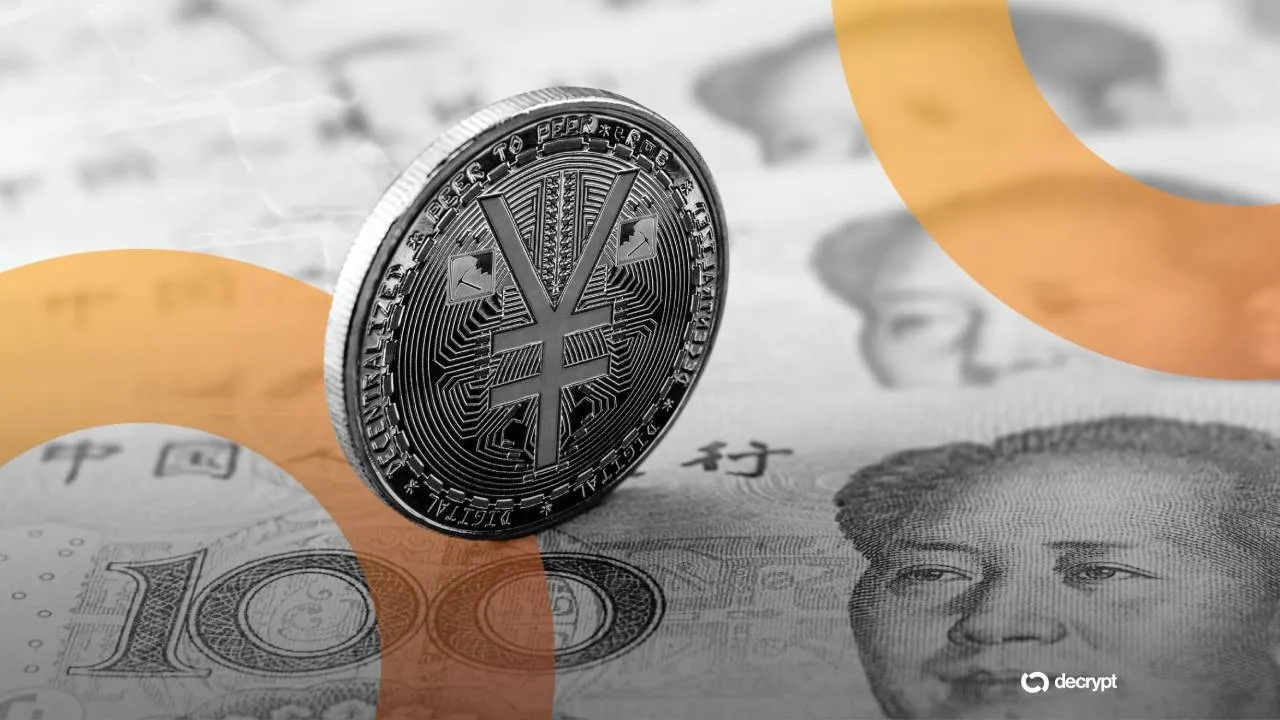
The reasons behind China’s stringent stance are complex and multifaceted. One of the primary motivations is the potential challenge that decentralized digital currencies might pose to the state-controlled financial system. By curtailing the crypto activities, China also aims to pave the way for the successful rollout of its own digital currency, the Digital Yuan, which is being positioned as a state-monitored apparatus aimed at maintaining economic stability and enhancing the efficiency of monetary transactions.
Despite the crackdown, the interest in digital technologies isn’t completely stifled; China continues to lead in the realm of blockchain technology projects and research, separating the utility of blockchain from the financial risks associated with cryptocurrencies.
Asia’s Pivot to Stablecoins
In stark contrast to China’s hardline stance, other Asian economies are progressively warming up to the idea of integrating cryptocurrencies into their financial systems, with a specific tilt towards stablecoins. These digital currencies are typically pegged to stable assets like the US dollar or gold, which arguably makes them less volatile and more suitable for everyday transactions and as a store of value.
Countries such as Japan, South Korea, and Singapore are leading the charge. For instance, Japan has issued guidelines for stablecoin issuers, ensuring a robust legal framework that protects holders while fostering innovation. Singapore, known for its crypto-friendly policies, continues to refine its regulations to provide clear guidelines for the usage of digital currencies while ensuring stringent measures against their misuse.
In the Philippines and Thailand, regulations are evolving to accommodate these changes as well, as both governments recognize the potential of blockchain technology and the role of digital currencies in modern finance. Adoption has been bolstered by the ASEAN’s (Association of Southeast Asian Nations) overall positive stance towards technological innovations in financial services.
The Broader Implications
The divergence in policy approaches between China and its Asian neighbors highlights a broader narrative in the global discourse on cryptocurrencies: the balance between control and innovation. While countries like China prioritize control, aiming to direct the course of digital currency towards government-sanctioned ends, others in Asia seem to be embracing a model that fosters innovation while establishing a regulatory environment that manages risks.
For the rest of the world, the developments in Asia offer valuable lessons on the variety of ways governments can engage with emerging financial technologies. Whether leaning towards strict regulation or fostering an open environment, the common denominator remains the pursuit of a regulatory framework that safeguards financial stability, prevents illegal activities, and accommodates the growing global interest in digital currencies.
As the global financial landscape continues to evolve, all eyes will be on how these disparate strategies impact regional economies and what it might signify for the future of digital currencies worldwide. Decrypting these trends will be crucial as countries navigate the complex terrain of modern finance, balancing innovation with regulation.